The Canadian Rockies are synonymous with rugged adventure, but few places capture the quintessential spirit of the Alberta foothills quite like the Blackstone River. Winding through the landscape northwest of Nordegg, this waterway represents more than just a geographic feature; it is a storied destination for fly-fishing enthusiasts. Known for its clarity, its picturesque bends, and a legendary population of Bull Trout that defy conventional wisdom by rising to dry flies, the Blackstone remains a bucket-list destination for anglers seeking a reprieve from the high-pressure waters of more famous provincial rivers.
The Morning Routine: Setting the Stage
The experience of fishing the Blackstone often begins long before the first cast. Camping on a gravel bar along the river—tucked away just off the Forestry Trunk Road—offers a visceral connection to the wilderness. As the temperature hovers near freezing in the early morning hours, the discomfort of a thin sleeping pad and a rocky riverbed is quickly eclipsed by the anticipation of the day’s potential.
For many, the morning ritual is a calculated affair. Whether one prefers a meditative start or a boisterous awakening of companions, the goal is simple: hit the water while the light is soft and the fish are active. On this particular outing, the transition from campsite to riverbank was marked by the necessity of preparation. In the quiet solitude of the Rockies, every piece of gear—from the rod assembly to the selection of flies—is a deliberate step toward the goal of a successful catch.
Chronology of an Expedition
The expedition began in earnest under the shroud of darkness the previous night. Arriving at 10:00 PM requires a certain level of campsite choreography, but the effort pays dividends when the first light hits the water.
The Arrival and Initial Reconnaissance
The Blackstone is modest in size, averaging approximately 20 meters in width. It does not boast the torrential currents of glacial-fed mainstems, but rather a gentle, meandering pace that makes it a perfect laboratory for fly-fishing. Upon reaching the water, the initial hour was marked by silence—not of the forest, but of the fish. Moving downstream, the rhythm of casting was interrupted only by the rustle of the surrounding brush.
The Discovery of the Pool
Progress was rewarded when the party encountered a primary holding pool—a stretch of water so "fishy" it seemed staged. Observing the surface, the telltale rings of rising trout indicated that the fish were actively feeding. In such moments, the strategy shifts from prospecting to tactical selection. Starting with standard patterns like the Red Humpy and the Stimulator, the anglers worked to "solve" the river’s puzzle.
The First Success
The breakthrough occurred when a transition was made to a Pale Morning Dun. The resulting strike was immediate, yielding a robust Cutthroat trout estimated at 20 inches. This catch served as a critical validation of the day’s strategy, though it was quickly tempered by the realization that in the haste of departure, the landing net had been left behind. This oversight served as a poignant reminder: in the backcountry, the difference between a successful release and a frantic struggle often comes down to the gear you pack.
Gear, Flies, and Tactical Selection
Successful fly-fishing is rarely a matter of luck; it is the culmination of preparation and the discipline to remain minimalist.
The Arsenal
For this excursion, the gear list was kept purposeful:
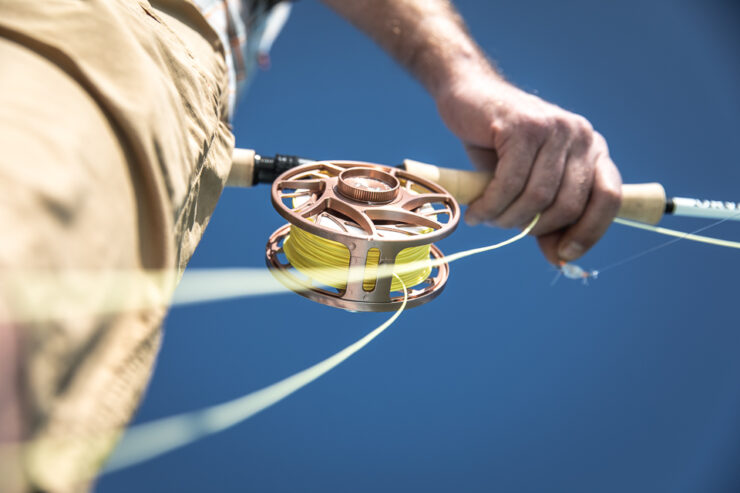
- Rods: A 9-foot, five-weight Echo Carbon XL, paired with a Redington Crosswater reel. This setup offers a balance of sensitivity and backbone necessary for the diverse demands of the Blackstone.
- Backup: A standard five-weight Cabela’s store-brand rod paired with an Okuma reel served as a reliable contingency.
- Flies: The selection focused on three core categories:
- Dries: Standard Alberta foothills patterns, emphasizing visibility and buoyancy.
- Nymphs: A variety of bead-head patterns designed to plumb the depths of the deeper runs.
- Terrestrials: Large, foam-based flies like the "Fat Albert," which are essential for triggering the aggressive territorial instincts of larger predators.
The Philosophy of Minimalism
There is a common temptation for anglers to carry an exhaustive collection of flies, often leading to "analysis paralysis." Experienced guides suggest that a refined, specialized box is far more effective. By focusing on a few trusted patterns and understanding how they mimic local insect life, the angler spends more time fishing and less time re-tying.
The Bull Trout Phenomenon
The Blackstone River holds a distinct place in the lore of Alberta fishing, largely due to the work of experts like Barry Mitchell. Mitchell’s guidebooks have long highlighted the Blackstone as one of the few locations in the province where Bull Trout consistently rise to a dry fly.
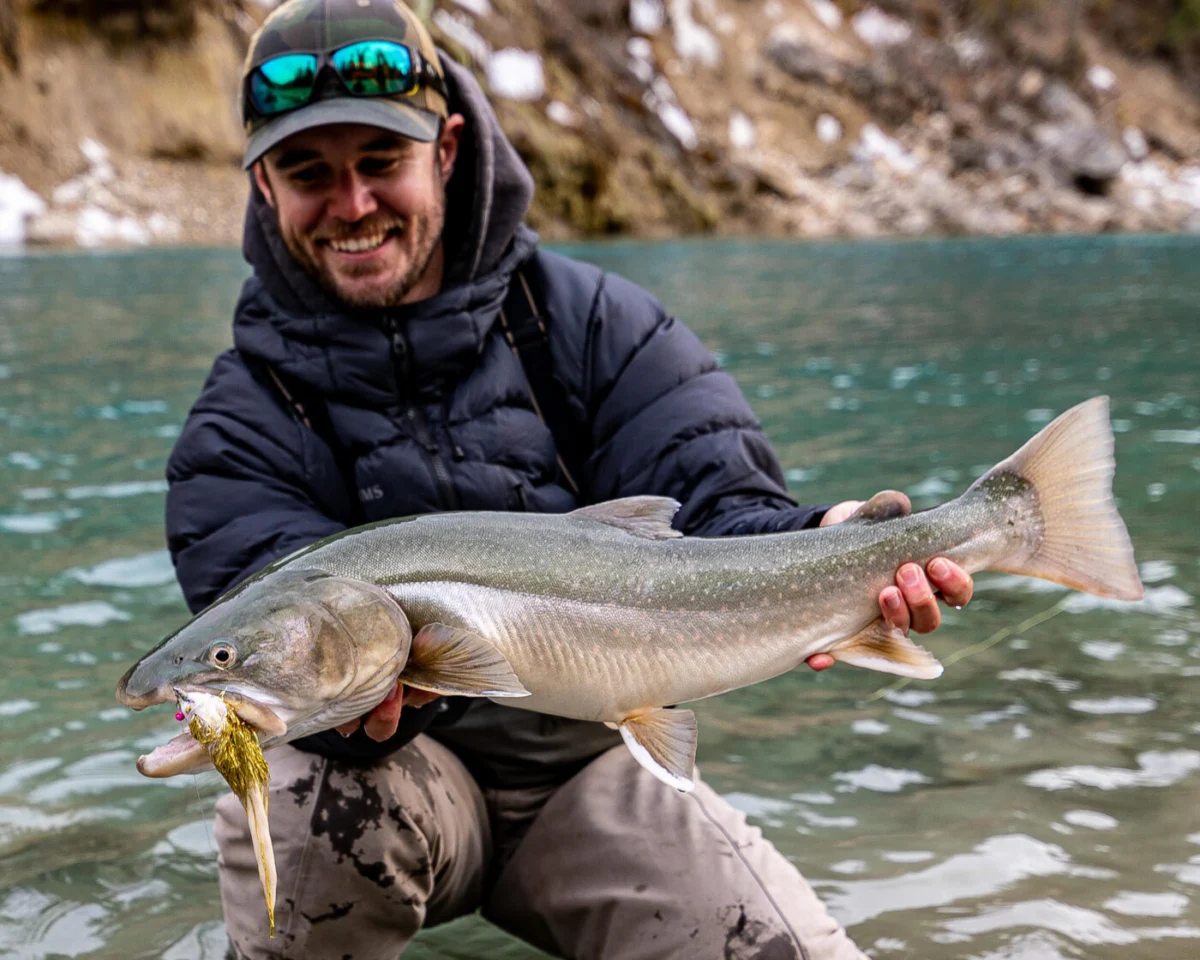
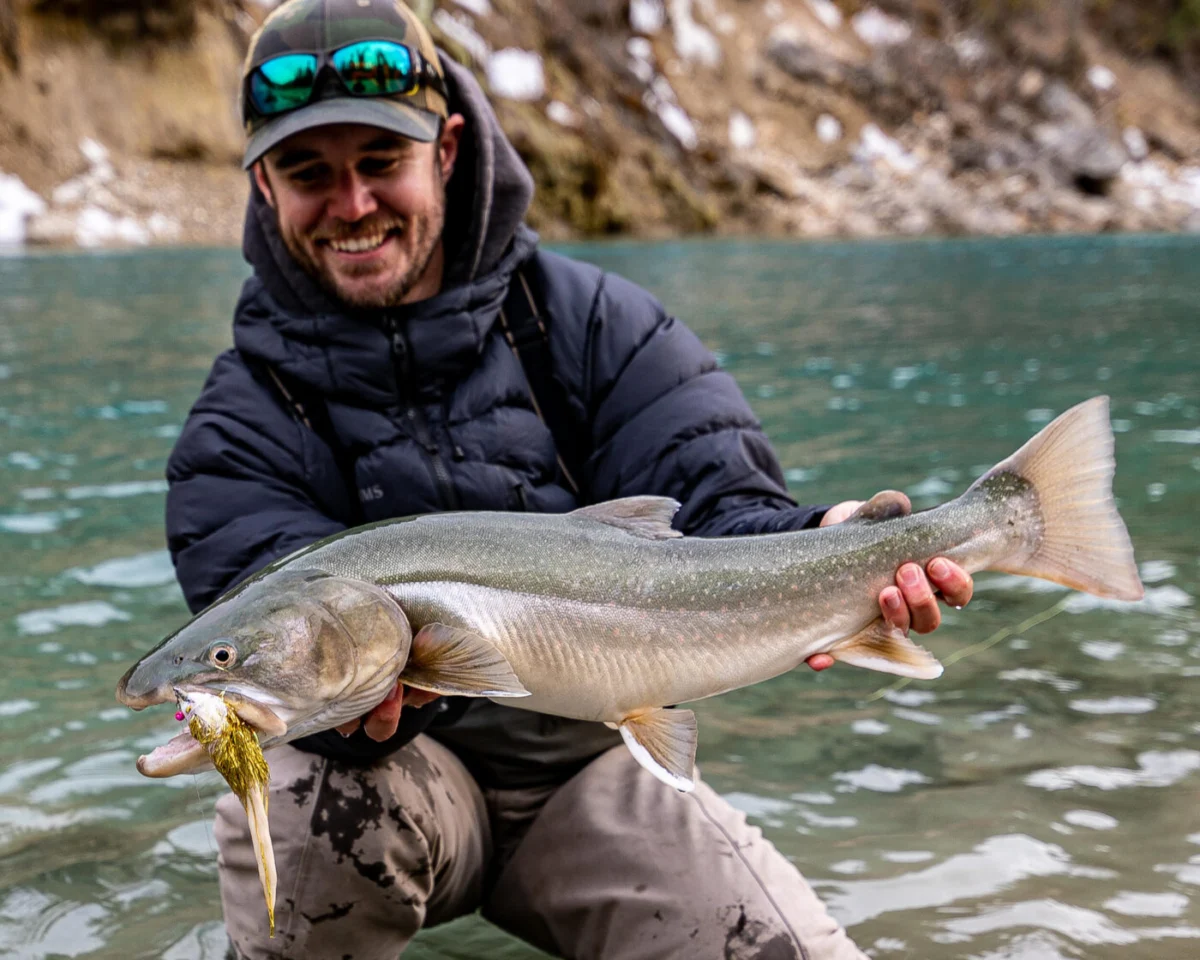
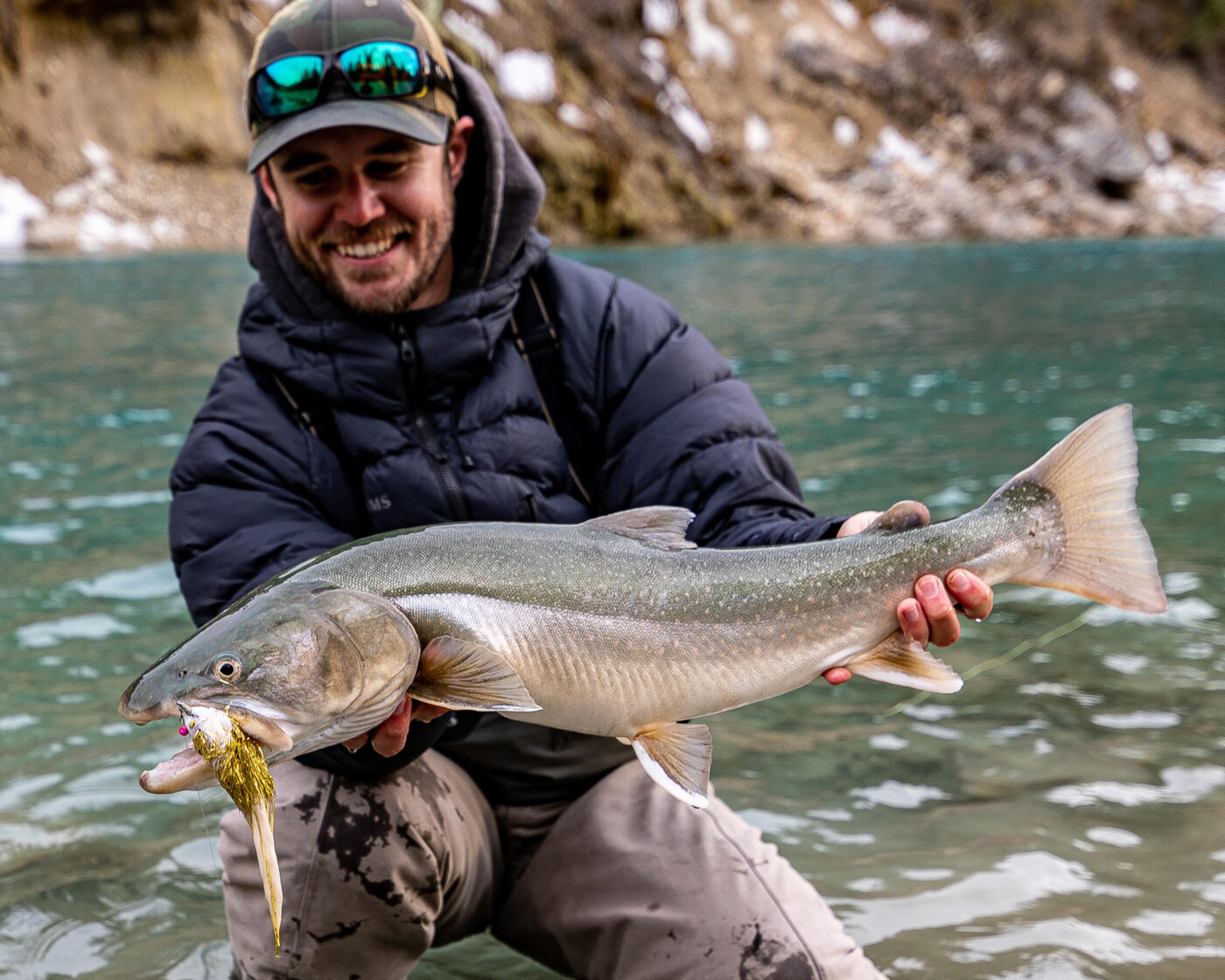
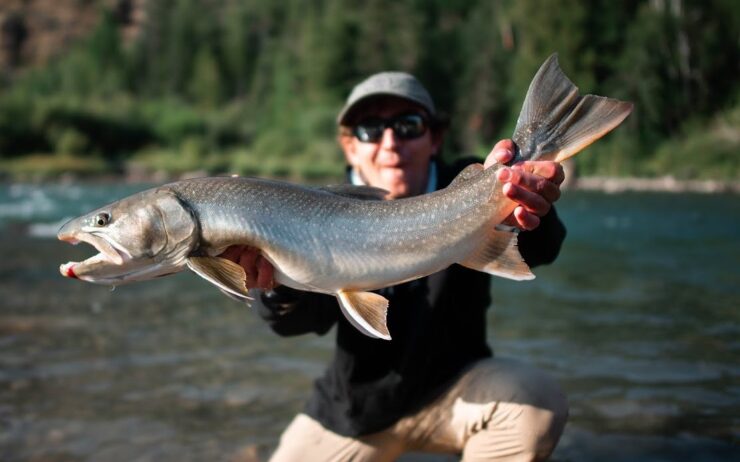
Bull Trout (Salvelinus confluentus) are apex predators in these systems. Known for their fast, aggressive strikes, they are a thrill to target on a fly rod. Using a "Fat Albert" pattern—essentially treating a dry fly with the same intensity one would use for a streamer—proved effective. The resulting strike was violent and decisive, confirming that these fish are not merely scavengers, but active surface predators under the right conditions.
Implications for Conservation and Ethics
The accessibility of the Blackstone River, while a boon to anglers, brings with it a responsibility for environmental stewardship.
Catch and Release Practices
Given the species’ status in many parts of the province, catch-and-release is the standard of practice. The absence of a net—as experienced on this trip—is a significant oversight. Proper handling, minimizing the time the fish spends out of the water, and using barbless hooks are mandatory for ensuring the long-term viability of the population.
Future Management
Official provincial responses to fishing pressure on rivers like the Blackstone often involve seasonal closures and strict gear restrictions. As climate change alters water temperatures and snowpack levels in the Rockies, the health of these foothill streams becomes increasingly fragile. Anglers are encouraged to consult current Alberta fishing regulations before heading out, as policies regarding Bull Trout specifically can shift to protect spawning cycles.
Conclusion: Lessons from the River
The Blackstone River offers more than just a trophy catch; it provides a masterclass in the patience and strategy required for backcountry angling. From the early morning cold to the adrenaline-fueled moments when a bull trout smashes a dry fly, the experience serves as a reminder of why we fish.
For those planning to visit, the advice is clear: bring a net, respect the water, and don’t be afraid to experiment with your top-water patterns. Whether you are a seasoned veteran or a newcomer to the sport, the Blackstone rewards those who come prepared and remain observant. As the sun sets behind the front ranges, the real value of the trip is not found in the weight of the fish, but in the enduring memory of the rising shadows in a quiet, mountain pool.
About the Author: Adelaide Gentry is a leading voice in the paddling and fly-fishing community. With over a decade of experience exploring the waterways of the Canadian Rockies, she provides expert analysis on gear, technique, and conservation for adventurers of all skill levels.