As the 2026 harvest season draws to a close, gardeners and small-scale cultivators are taking stock of their yields. For many, this year has been a reprieve—a more grateful, abundant period compared to the notoriously challenging growing season of 2025. Yet, as any seasoned grower knows, the perfect season is a myth; even the most well-tended plots face the inevitable ebb and flow of pests, climatic fluctuations, and soil depletion.
In our fifth year of cultivation in Korso, we have learned that the health of a harvest is not a stroke of luck, but the result of a deliberate, long-term commitment to soil vitality. In this report, we explore the methodologies of maintaining a resilient garden and how to pivot when nature throws an unexpected curveball.
The Reality of Biological Threats
Plants are sessile beings; they cannot run from a drought, a sudden infestation of aphids, or the opportunistic appetite of a roaming deer. Because they are anchored to their environment, their survival is entirely dependent on the ecosystem in which they are embedded.
The primary threats to garden integrity usually fall into three categories:
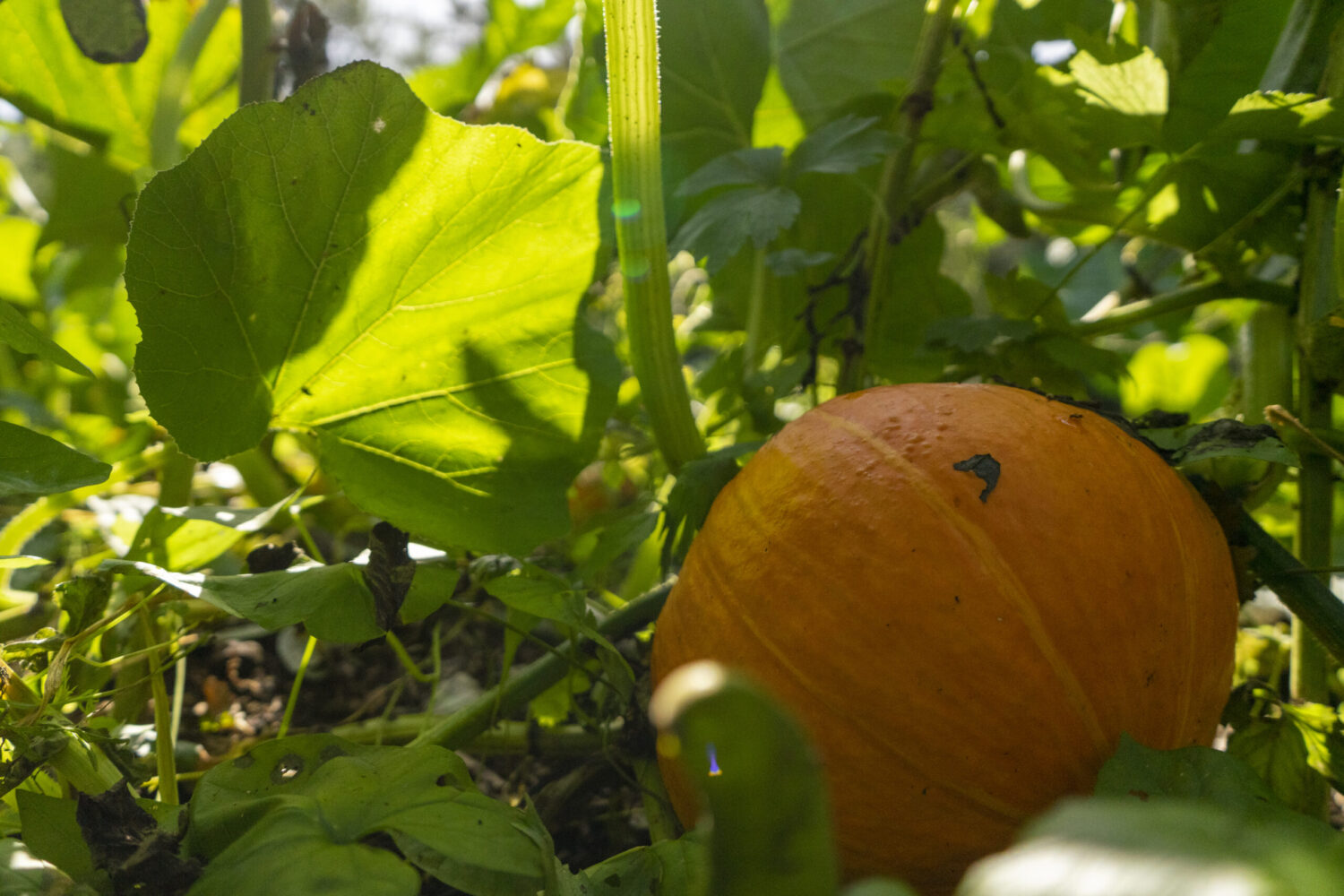
- Pest Infestations: From microscopic mites to common garden slugs, these organisms capitalize on weakened plant defenses.
- Pathogens: Fungal and bacterial infections often find purchase in soil that lacks biological diversity.
- Mammalian Herbivores: In many parts of Southern Finland, species such as roe deer and fallow deer treat vegetable patches as buffet lines, necessitating physical barriers.
When a plant is stressed, it emits chemical signals that actually attract these pests. Therefore, our primary mandate is not merely to "kill the enemy," but to fortify the plant from within, creating an environment where threats find no foothold.
Chronology of a Healthy Harvest
The path to a successful harvest begins long before the first seed touches the soil.
- Early Season (Preparation): Focus is on soil regeneration. Drawing on the principles established in early 2025, the goal is to build humus—the dark, stable organic matter that holds nutrients and water.
- Mid-Season (Maintenance): Monitoring nutrient availability. This is the period for applying biological stimulants, such as compost tea or microbial inoculants, to ensure that plants have access to a full spectrum of micronutrients.
- Late Season (Harvest and Reflection): Assessing the resilience of different cultivars. This data informs the seed selection for the following year.
Supporting Data: The Science of Soil Vitality
A plant’s health is dictated by its ability to photosynthesize efficiently and its capacity to convert nitrogen into proteins. While conventional agriculture focuses heavily on the N-P-K (Nitrogen, Phosphorus, Potassium) triad, a truly resilient garden requires a holistic approach.
The Role of Micronutrients
Plants require a complex array of trace elements, including boron, zinc, and molybdenum. These act as co-factors for enzymes that regulate plant metabolism. In a synthetic system, these are often ignored; in a soil-food-web system, they are cycled by bacteria and fungi. When plants receive a balanced diet via symbiotic soil life, they produce excess energy. This energy is then invested in secondary metabolites—compounds that not only make the plant more nutritious for humans but also make it less palatable to pests and more resistant to disease.
The Power of High-Quality Compost
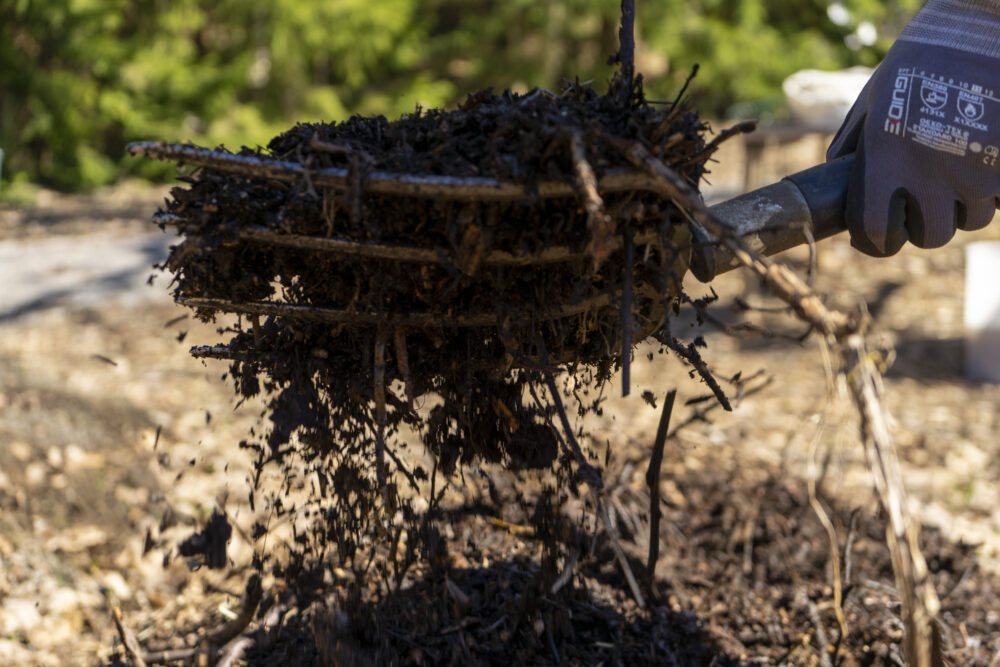
The hallmark of a healthy garden is the smell of its soil. High-quality compost should possess the rich, earthy aroma of a forest floor. It is a bustling metropolis of microbial life. To boost the efficacy of your compost, we recommend two key amendments:
- Rock Dust (Kivituhka): Provides a slow-release source of trace minerals.
- Seaweed Extracts: Rich in plant hormones and bio-available minerals that stimulate root development and stress tolerance.
By applying these as powders or extracts, you feed the microbes, which in turn feed the plants. The "Humus Campaign" (Humuskampanja), which has been operating for several years in collaboration with local kindergartens, emphasizes this exact principle: by increasing humus, we increase the intelligence of the soil.
Official Perspectives: The Value of Ecosystem Services
Experts in regenerative agriculture increasingly point to the concept of "Integrated Pest Management" (IPM). Rather than viewing insects as an invading force, the goal is to create a diverse ecosystem where predator-prey relationships maintain balance.
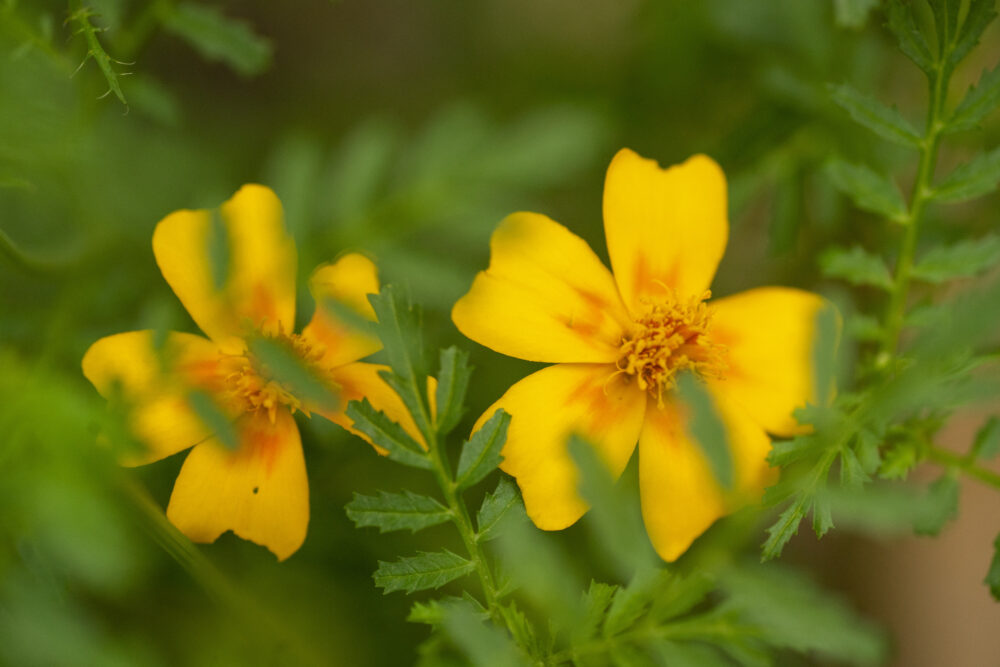
By planting companion crops, we can manipulate the garden’s micro-environment. For example, marigolds (Tagetes) are not merely ornamental; their root exudates help suppress harmful nematodes, while their flowers attract beneficial hoverflies and lacewings, which act as natural pest control agents for aphids.
The Necessity of Physical Protection
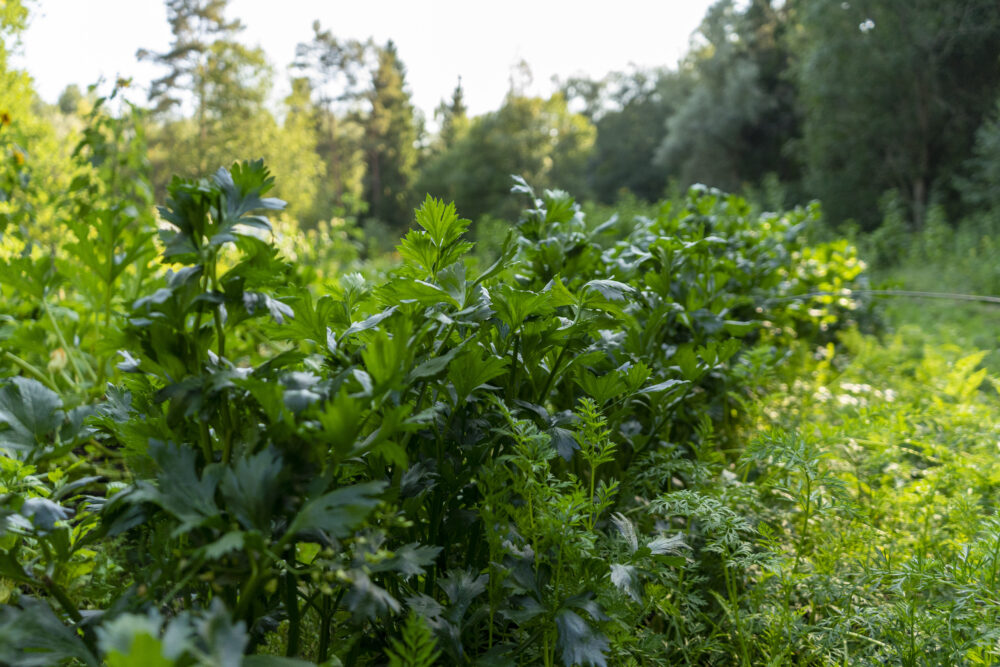
While biological resilience is the ideal, some realities cannot be ignored. In Southern Finland, the encroachment of deer and roe deer on Beta vulgaris (beets, chard) crops is severe. In these cases, the "official" stance of the practical gardener is simple: physical barriers, such as robust netting or fences, are not an admission of failure—they are a necessary layer of protection for an investment that would otherwise be lost entirely.
Implications for the Future of Gardening
The shift toward soil-centric gardening has profound implications. It moves the gardener from being a "consumer" of inputs to a "steward" of a biological system.
The Harvest of the Wild
As we move into late summer, the garden yields more than just the rows we planted. Foraging becomes an extension of our agricultural practice. Species such as dandelion, stinging nettle, and goutweed are nutrient-dense powerhouses.
Recipe: Traditional Cretan Kalitsounia (Wild Herb Pies)
These pies represent the intersection of cultivated and wild harvests.
- The Dough: 500g flour, 2 tbsp olive oil, a pinch of salt, and warm water to reach a pliable consistency. Rest for at least one hour.
- The Filling: A mixture of blanched stinging nettle, dandelion leaves (bitterness removed via blanching), and goutweed. Sauté with onions, lemon juice, and fresh mint.
- Preparation: Roll the dough into circles, place a tablespoon of the herb mixture in the center, fold into a half-moon, and crimp the edges with a fork. Fry in high-quality oil until golden brown.
This dish is a reminder that resilience is not just about what we protect from the wild, but what we can integrate from it.
Conclusion: A Philosophy of Growth
The garden of 2026 has taught us that resilience is a cycle. By feeding the soil, we feed the plants; by feeding the plants, we feed ourselves. We must accept that pests and challenges are part of the landscape, but through the application of biological wisdom—leveraging compost, microbial inoculants, and biodiversity—we can shift the odds in our favor.
As we look toward the next season, remember: the most important tool in your shed is your understanding of the soil. Whether you are working a small balcony container or a large suburban plot, the principles remain the same. Build the soil, protect the diversity, and the harvest will follow.
Photography throughout this article by Jyrki Kaheinen.
For those interested in furthering their knowledge on microbial health and soil regeneration, we encourage exploring the resources provided by the Humus Campaign, including their guides on Bokashi and the use of beneficial microbe ferments.