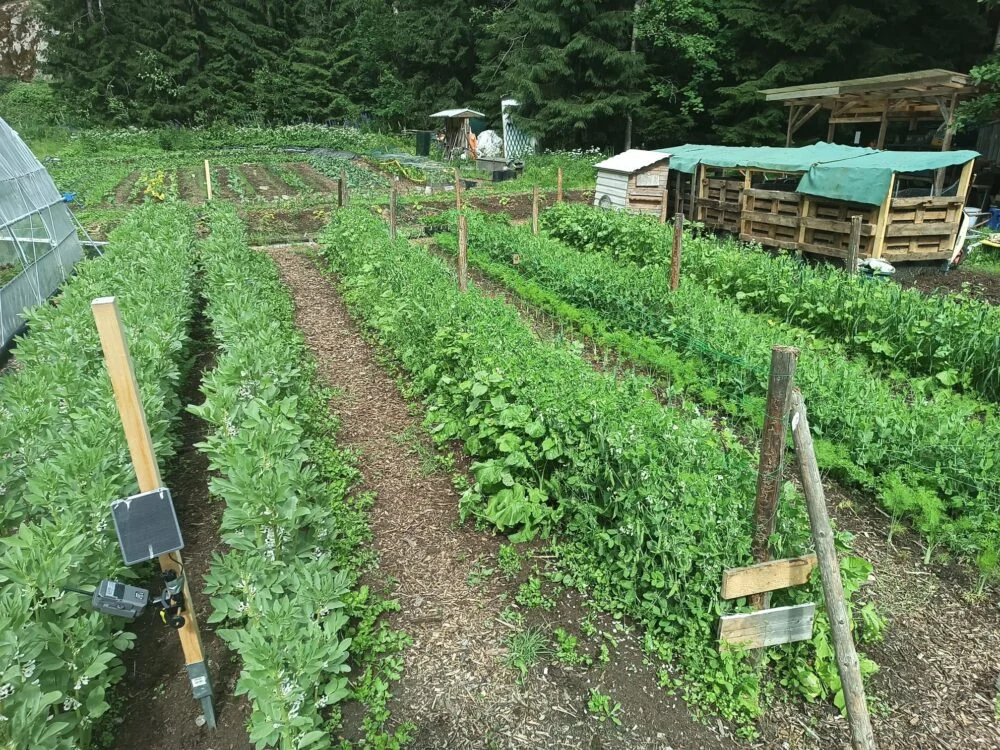
From the humble field bean to the elegant runner bean, the family Fabaceae—commonly known as legumes—represents one of the most significant and rewarding groups of plants for any home gardener. Beyond their culinary utility, these plants serve as ecological powerhouses, enriching the soil while providing a protein-dense harvest. As we navigate the peak of the growing season, it is time to celebrate the abundance of the legume family and explore how these nitrogen-fixing wonders can transform both our garden plots and our dinner plates.
Main Facts: The Ecological and Nutritional Powerhouses
At the heart of the legume family’s success is a fascinating biological partnership. Legumes exist in symbiosis with specific soil bacteria (rhizobia) that form nodules on their roots. These bacteria perform a miraculous feat: they capture nitrogen from the air and convert it into a form that plants can absorb. This process not only sustains the legume itself but also leaves the soil enriched with nitrogen, making legumes the perfect companion plants for nutrient-hungry vegetables like cabbage or corn.
Nutritionally, the Fabaceae family is indispensable. They are a cornerstone of global food security, providing essential plant-based proteins, fiber, and vital micronutrients. Whether enjoyed fresh, dried, or fermented, legumes offer a versatility that few other plant families can match.
Chronology of a Legume Season
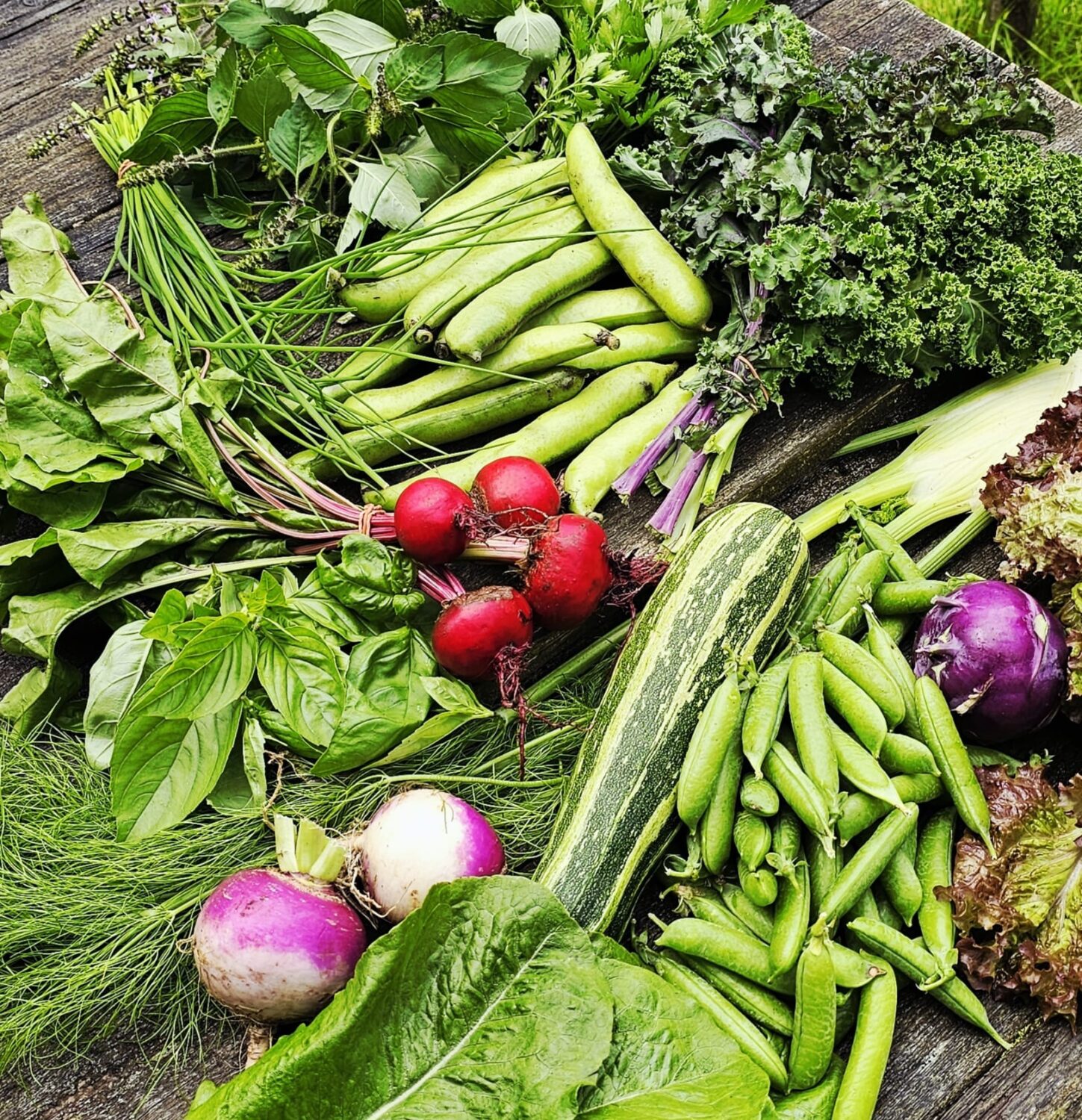
The gardening season for legumes begins long before the main harvest. For many enthusiasts, the first sign of life is the emergence of pea shoots. These are often grown as a byproduct of starting seeds indoors. They provide a vital, vitamin-rich "first green" of the spring, serving as a crisp addition to salads when other fresh produce is still weeks away from maturity.
The Early Summer Surge: Sugar Peas
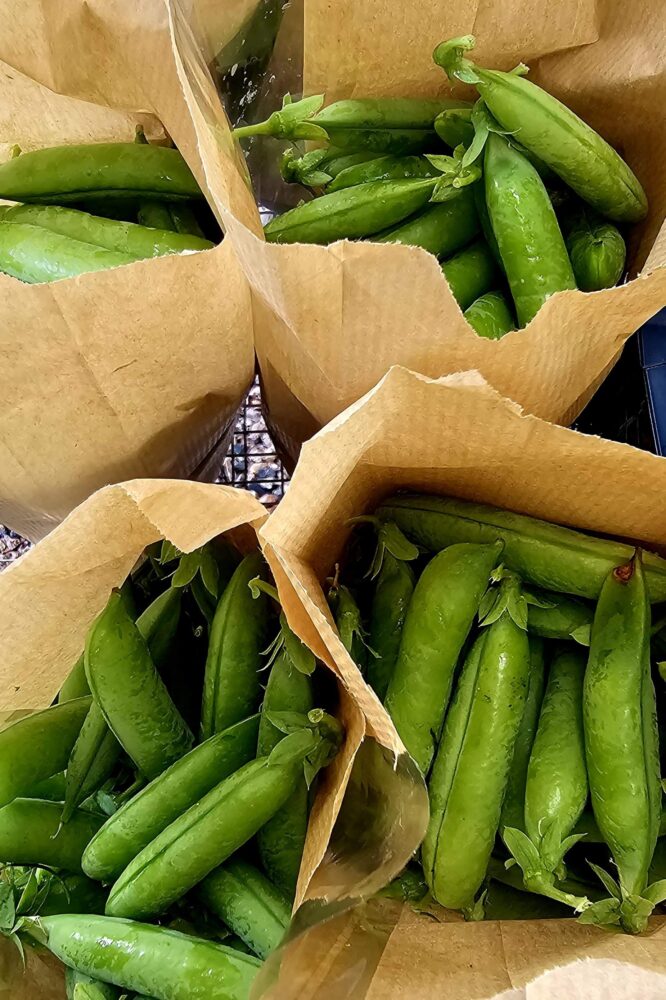
The first major harvest of the season typically belongs to the sugar pea (Pisum sativum). These "snap peas" are edible in their entirety—pod and all—offering a refreshing crunch that defines early summer eating. Varieties such as Norli have proven to be consistent performers, often yielding a bounty before the midsummer celebrations.
The Mid-July Transition: Shelling Peas
As the sugar peas begin to fade, the focus shifts toward the traditional shelling peas, such as the reliable Ambassador variety. While the sugar peas are often consumed straight from the vine, the shelling peas offer a sweet, tender experience that forms the basis of many seasonal dishes. Though it is tempting to experiment with fresh pea soups, the raw sweetness of the harvest often wins out, leading many gardeners to enjoy them fresh rather than cooked.
The Height of Summer: Beans and Field Beans
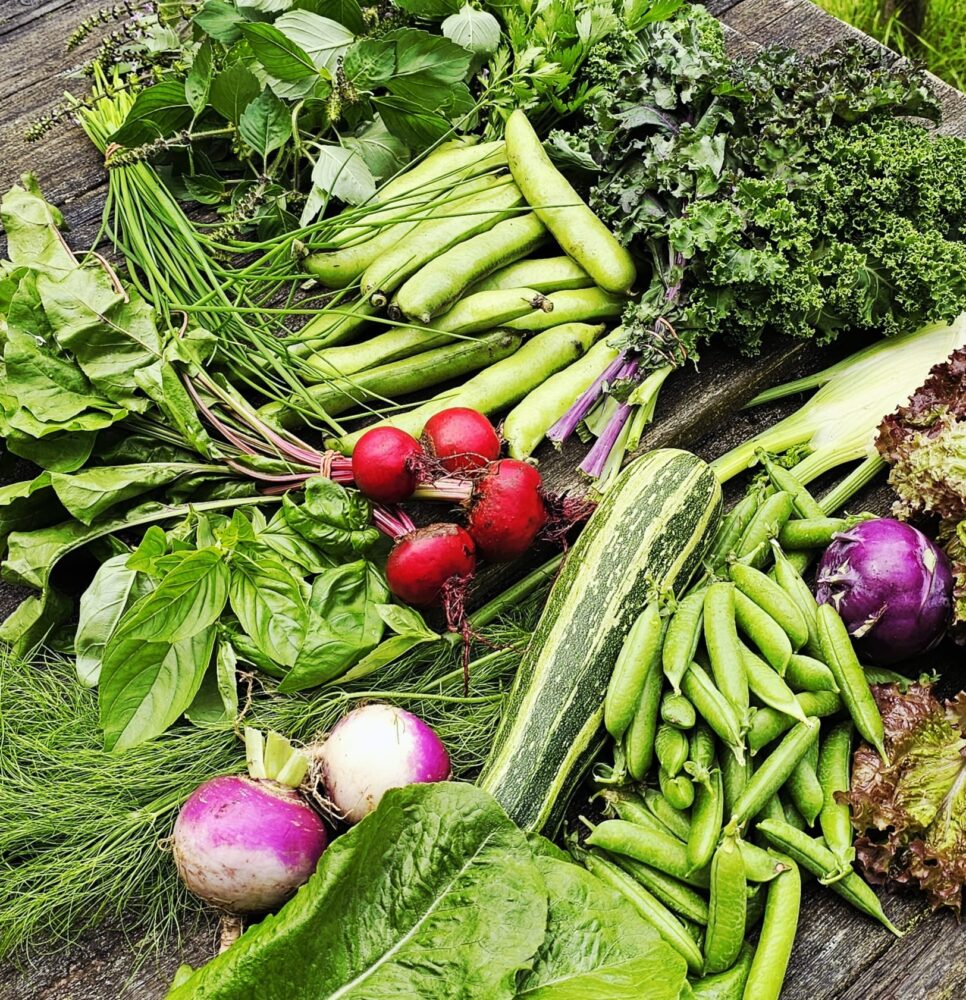
By the time the shelling peas have reached their peak, the season for field beans (Vicia faba) and green beans (Phaseolus vulgaris) is in full swing. Field beans, which grow tall and heavy, require staking to support their bountiful pods. Simultaneously, green beans like the Marona variety offer a steady supply of crisp, round pods. For those seeking visual flair, borlotti beans like Sanguigno—with their stunning pink-marmorated pods—add an aesthetic dimension to the vegetable patch.
Supporting Data: Techniques for Preservation and Digestibility
One of the challenges often cited regarding legumes is digestive discomfort, caused by complex carbohydrates that can be difficult for the human gut to process. However, ancient and modern preservation techniques can mitigate these effects.
Fermentation as a Solution
Fermentation, or "lacto-fermenting," is an underutilized method for preparing legumes. By storing beans or peas in a light, three-percent salt brine, the natural bacterial processes break down the complex sugars that cause gas and bloating. Fermentation not only enhances digestibility but also preserves the delicate, natural aromas of the legumes without the need for heavy seasoning, allowing the cook to customize the dish during final preparation.
Standard Preservation
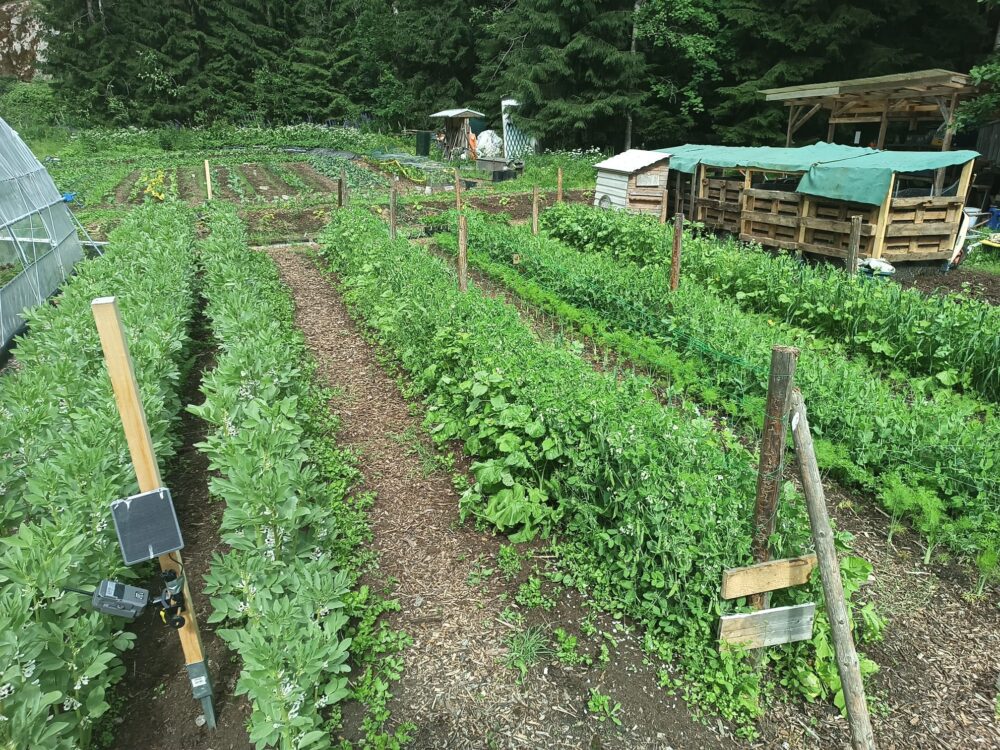
For long-term storage, blanching remains the gold standard. Briefly plunging beans and peas into boiling water before freezing ensures that the vibrant color and firm texture are maintained throughout the winter months. This preparation is essential for keeping the "summer taste" alive until the following spring.
Implications for Global and Local Food Culture
The revival of the field bean—a staple in Finland long before the arrival of the potato—is a narrative of reclaiming culinary heritage. Throughout the early 20th century, these plants were central to the Finnish diet. Today, while much of the harvest is directed toward animal feed, there is a growing movement to re-introduce these protein-rich gems to the human dinner table.
This shift mirrors global culinary traditions. In Ethiopia, for example, ful medames—a slow-cooked fava bean stew served with onions and tomatoes—is a breakfast staple. The global appreciation for these legumes underscores their adaptability; they can be as much at home in a rustic Finnish stew as they are in a sophisticated North African morning dish.
Exploring the Exotic: The "Chestnut" Tuber
The diversity of the Fabaceae family extends to the ground beneath our feet. The tuberous pea (Lathyrus tuberosus), a perennial legume, produces small, dark tubers that are often compared to chestnuts in flavor and texture. Exploring these niche crops adds a layer of adventure to the garden, as the anticipation of digging for these "little mice-shaped" tubers becomes a highlight of the late autumn gardening calendar.
Practical Culinary Wisdom: The "Green Gold"
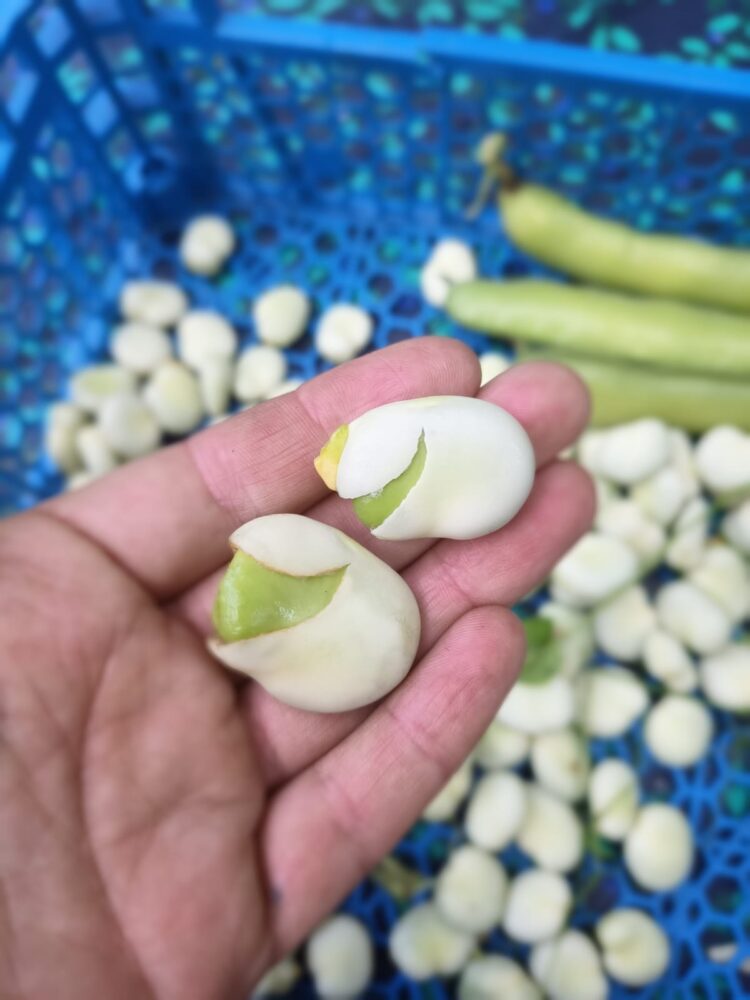
When working with fresh field beans, the effort required for preparation is often seen as a meditative act. After harvesting and shelling, a brief five-to-ten-minute boil prepares the beans. A further, optional step—removing the thin, pale outer skin—reveals the vibrant, bright green interior.
This "green gold" is a culinary treasure. It can be lightly mashed, seasoned with fresh dill, and served atop toasted sourdough bread. In the context of social gatherings, fresh field beans serve as a sophisticated and interactive appetizer, offering guests a sensory experience that rivals the traditional crab-season festivities.
Conclusion: A Call to the Garden
The lesson of the season is one of abundance and patience. Whether you are a seasoned horticulturalist or a balcony gardener, the inclusion of legumes is a decision that pays dividends in soil health, nutritional intake, and culinary delight. As the summer progresses and the pods swell, let us embrace the versatility of the Fabaceae family. From the first crunchy sugar pea of spring to the hearty, earthy harvest of late summer, these plants offer a profound connection to the cycle of nature.
As we look toward the remainder of the harvest, remember that the most rewarding meals are often those that require the least processing. Keep your spices simple, honor the natural flavors of your soil, and share the bounty. Here is to a season of fruitful harvests and a kitchen filled with the promise of the earth.