Date: October 6, 2026
Author: Samuli Haapasalo / Vuosi luonnossa (Year in Nature)
Location: Varanger Fjord, Norway
The Arctic landscape, characterized by its expansive meadows and windswept coastal plains, offers a unique window into the life of one of nature’s most enigmatic avian predators: the short-eared owl (Asio flammeus). Known for its quiet, unassuming demeanor, this medium-sized owl has recently been the subject of intensive observation in the northern reaches of the Varanger Fjord. As the 2026 season draws to a close, wildlife enthusiasts and ornithologists are reflecting on what has been a noteworthy year for this nomadic raptor.
Main Facts: The Nature of the Short-eared Owl
The short-eared owl is a species of paradoxes. Unlike many of its nocturnal, forest-dwelling cousins, the short-eared owl is a creature of the open country. It favors marshes, grasslands, and coastal meadows, hunting primarily during the twilight hours or even in broad daylight.
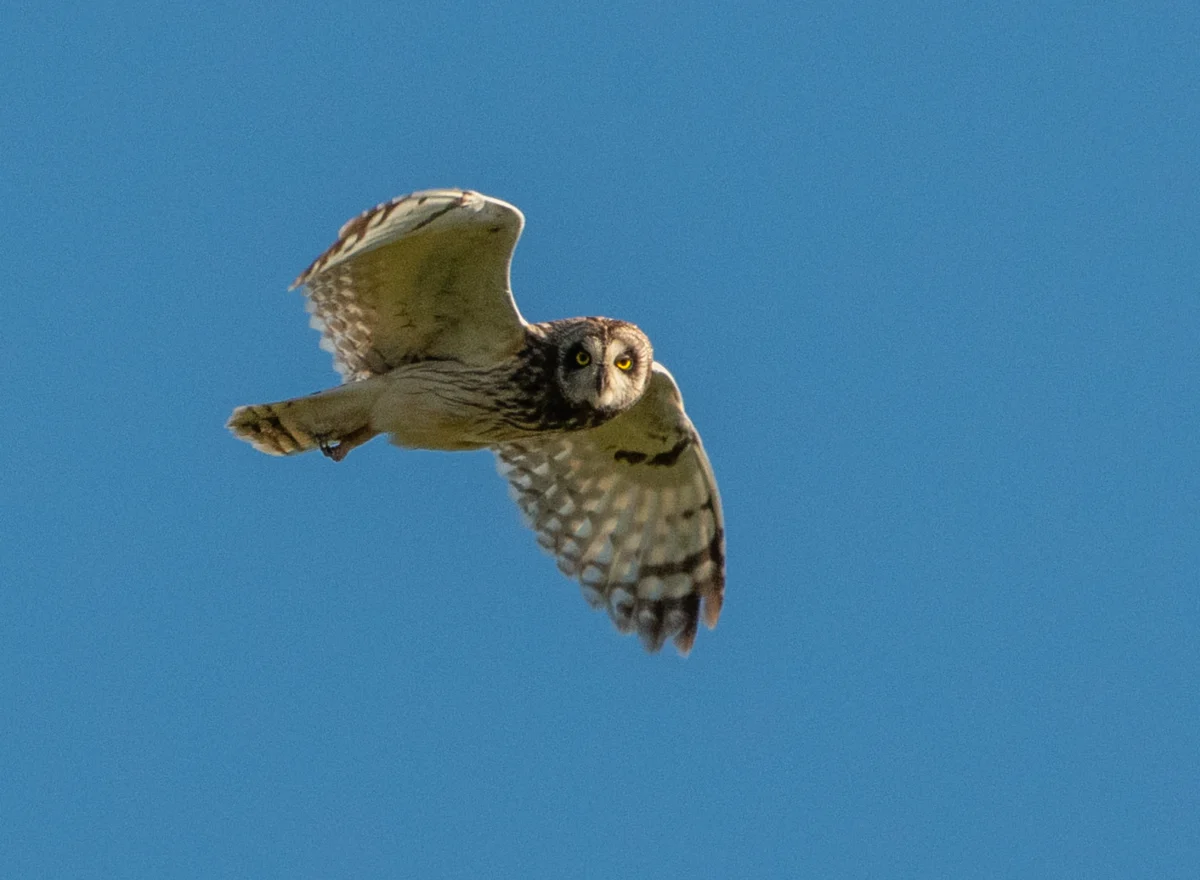
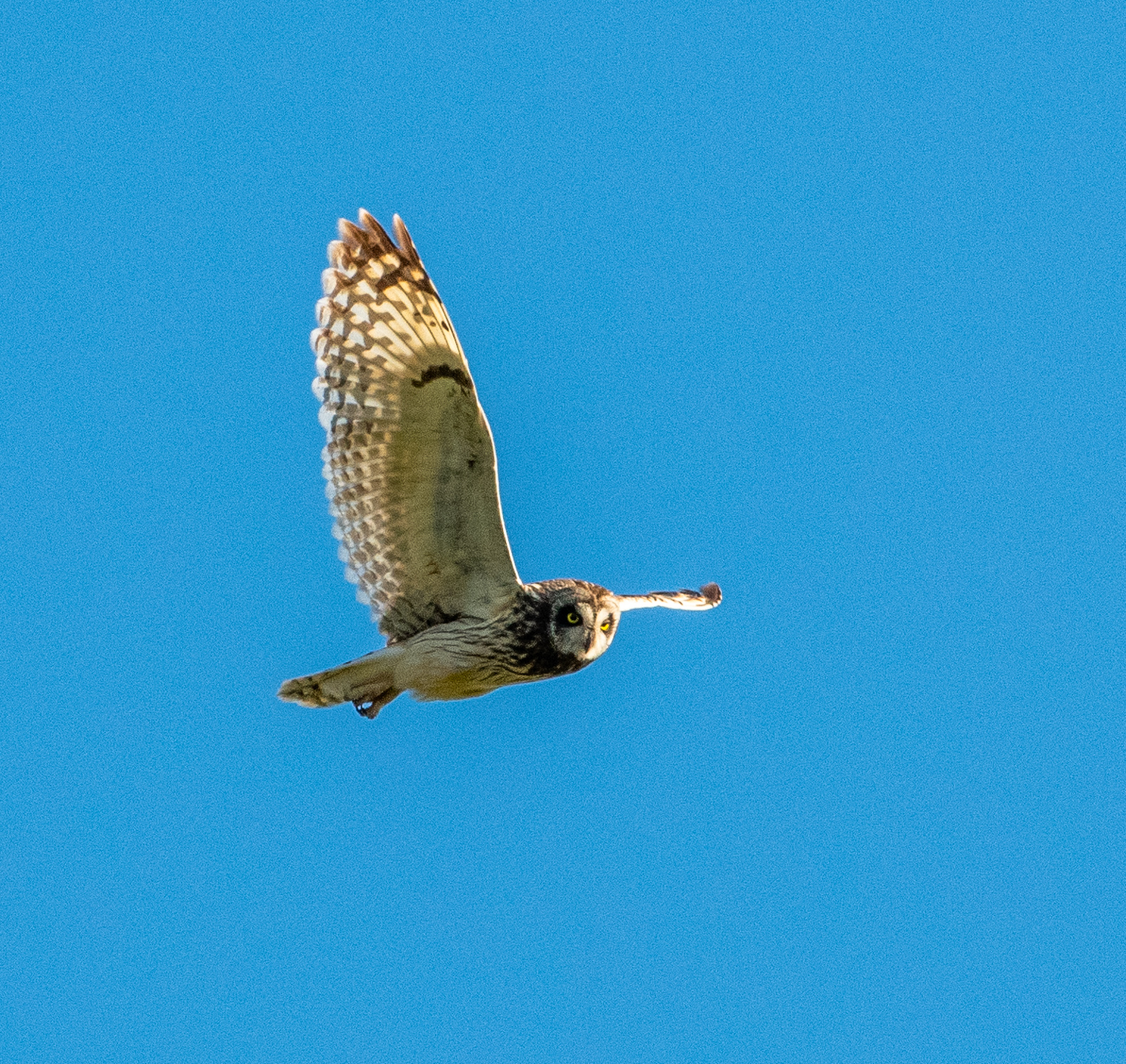
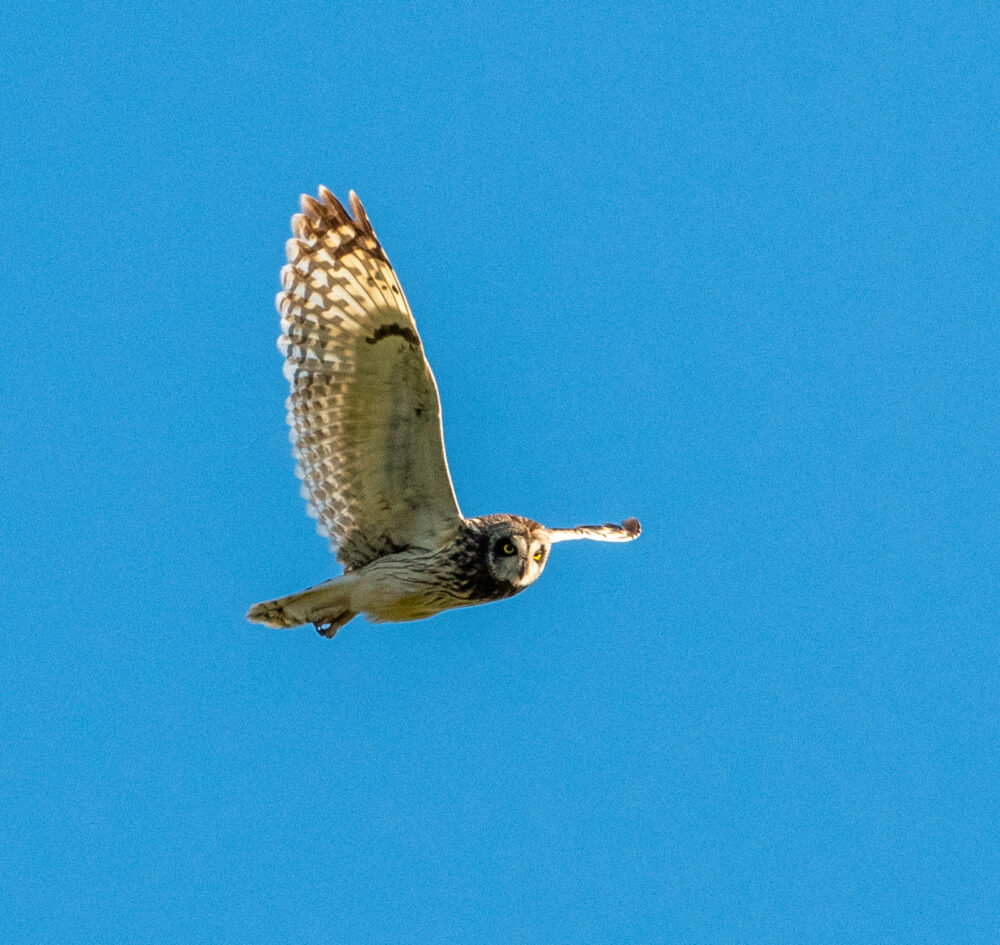
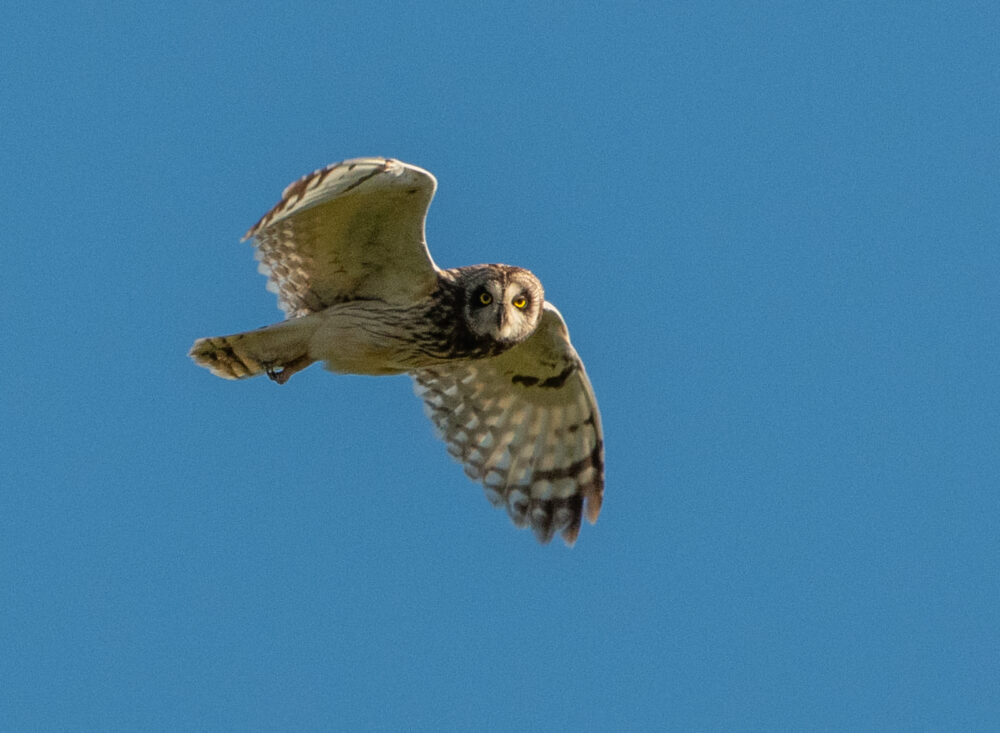
Its appearance is distinctly "sympathetic," as described by those who encounter it. With a relatively large head, piercing yellow eyes, and a compact, agile frame, the owl glides through the air with a fluid, rhythmic grace. It is a silent hunter, relying on its acute hearing to detect the movement of voles beneath the dense undergrowth of the tundra or shoreline vegetation.
One of the most identifying features of the short-eared owl is its behavior when threatened. While generally quiet, the owl becomes vocal when distressed. If a human or potential predator approaches a nesting site, the bird will often ascend to a great height, circling and issuing sharp, rasping calls. This defensive behavior is often the only clue an observer has that a bird is present, turning a silent flier into a vocal guardian of its territory.
Chronology: A Season in the Varanger Fjord
The 2026 season has provided unique insights into the population fluctuations of these birds. Between late July and early August, multiple sightings were recorded along the Varanger Fjord, particularly in areas like Ekkerøy.
- Late July 2026: Initial reports began to surface regarding an increased presence of short-eared owls in the coastal meadows of the Varanger Fjord. Observers noted that the birds appeared to be hunting with regularity, suggesting a high availability of prey.
- Early August 2026: During a field observation in the vicinity of Ekkerøy, an encounter highlighted the protective nature of these owls. As the afternoon light softened, an adult owl was observed patrolling the meadow. The bird’s vocalization and height-seeking behavior indicated the presence of a fledgling group hidden within the tall grasses. Respecting the sanctuary of the nesting site, observers withdrew, allowing the owl to continue its vigil.
- September 2026: Reports from across the North confirmed that the vole population had been higher than average this year. In ecological terms, the short-eared owl is a nomadic species, and its breeding success is inextricably linked to these cyclic "boom and bust" cycles of small rodent populations.
Supporting Data: Habitat and Population Trends
The short-eared owl’s distribution in Finland and surrounding regions is heavily influenced by habitat availability. While it is not a common species, its stronghold remains the open, coastal terrain of the Ostrobothnia region. However, even within these ideal habitats, population numbers are prone to significant annual variations.
The Influence of Prey Cycles
The primary driver of the short-eared owl’s presence is the availability of voles. In 2026, the Northern regions experienced a favorable cycle for these rodents, which directly translated into higher reproductive success for the owls. This phenomenon is a classic example of the predator-prey relationship in Arctic ecosystems. When prey is abundant, owls may double or triple their brood size; when prey crashes, they may not breed at all.
Niche Selection
Observations in inland areas, such as the Kyyvesi lakes in Haukivuori, reveal the species’ ingenuity in selecting nesting sites. By monitoring a specific individual, it was observed that the owl repeatedly flew across the lake to a secluded, marshy island. The island provided a natural fortress against terrestrial predators such as foxes or stoats. This behavior confirms that the short-eared owl is a strategic planner, identifying safe zones that allow for the protection of offspring in an otherwise exposed environment.
Regional Rarity
While the species is better represented in the north, it remains a rare and elusive breeder in other parts of the Baltic region, such as the Estonian coast. Despite the suitability of these coastal meadows, the species does not maintain high population densities there, making every sighting a significant event for local birdwatchers.
Official Perspectives and Ecological Implications
While not currently classified as critically endangered in the immediate region, the short-eared owl serves as an "indicator species." Its presence or absence tells a broader story about the health of our coastal and meadow ecosystems.
The Need for Habitat Preservation
Conservationists emphasize that the survival of the short-eared owl depends on the preservation of large, open tracts of land. As urban development and agricultural intensification encroach on coastal marshes, the "safe zones" the owl requires for nesting are disappearing.
"The protection of these open areas is not just about the owls," notes the research community. "It is about preserving the biodiversity of the entire coastal ecosystem." The fact that the short-eared owl chooses specific, predator-proof islands suggests that they are highly sensitive to human disturbance and habitat fragmentation.
A Call to Awareness
The 2026 season has reminded us that nature remains unpredictable. The surge in sightings this year, linked to a successful vole year, is a reminder of the resilience of the species, provided they are left undisturbed during their critical breeding phases.
The recommendation for future seasons is simple: observation should be conducted from a distance. The short-eared owl’s defensive display is a clear boundary, and respecting that boundary is the most effective way to ensure the long-term viability of these populations.
Conclusion: Looking Toward 2027
As we look back on the year 2026, the image of the short-eared owl gliding over the Varanger Fjord stands out as a symbol of the untamed north. Its quiet grace and its fierce commitment to its young highlight the delicate balance of life in the Arctic.
For the enthusiast, the year offered a rare opportunity to witness the species in its element. For the scientist, it provided essential data on how climate, prey cycles, and habitat quality intersect to determine the success of this nomadic hunter. As the nights grow longer and the landscape prepares for winter, the story of the short-eared owl serves as a poignant reminder of our duty to protect the wild spaces that remain.
To continue supporting expert nature journalism and to learn more about the species of the North, consider subscribing to Suomen Luonto. Your support enables the ongoing documentation of our most precious natural treasures.