Introduction: The Illusion of Acclimatization
For the seasoned backcountry traveler, the thin air of the Rocky Mountains is often viewed as a familiar adversary—one that can be managed through experience, fitness, and baseline acclimatization. However, a recent case study involving a veteran wilderness guide serves as a sobering reminder that the human body’s physiological response to high altitude is rarely governed by a single variable.
During a standard one-night backpacking excursion to a remote lake in the northern Colorado wilderness, an experienced guide—someone well-accustomed to living at 7,600 feet—found themselves incapacitated at 11,500 feet. The symptoms were textbook Acute Mountain Sickness (AMS): a debilitating cocktail of headache, nausea, fatigue, dizziness, chills, and profound anxiety. Yet, as the subsequent data analysis revealed, the culprit was not merely the altitude. It was a "perfect storm" of biological and logistical stressors that illustrates the profound difficulty of diagnosing illness in the backcountry.
The Chronology: A Descent into Physiological Distress
The trip began under the assumption of competence. Living in Estes Park at 7,600 feet, the author possessed a baseline level of altitude adaptation that usually renders an ascent to 11,500 feet a routine endeavor. The itinerary, however, was far from routine.
The Morning Ascent
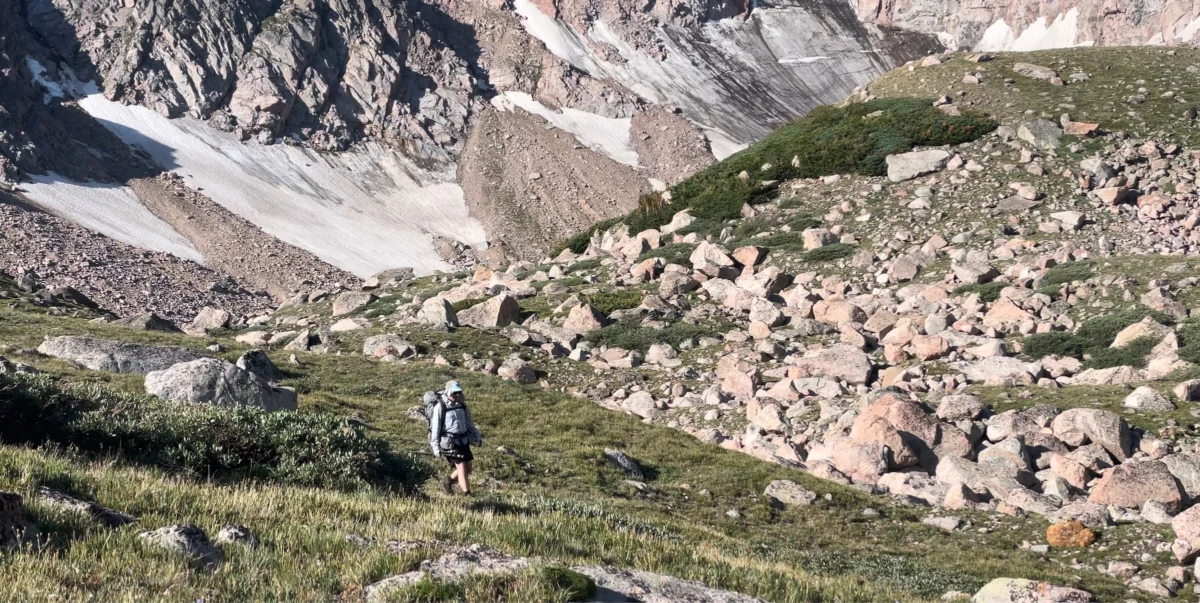
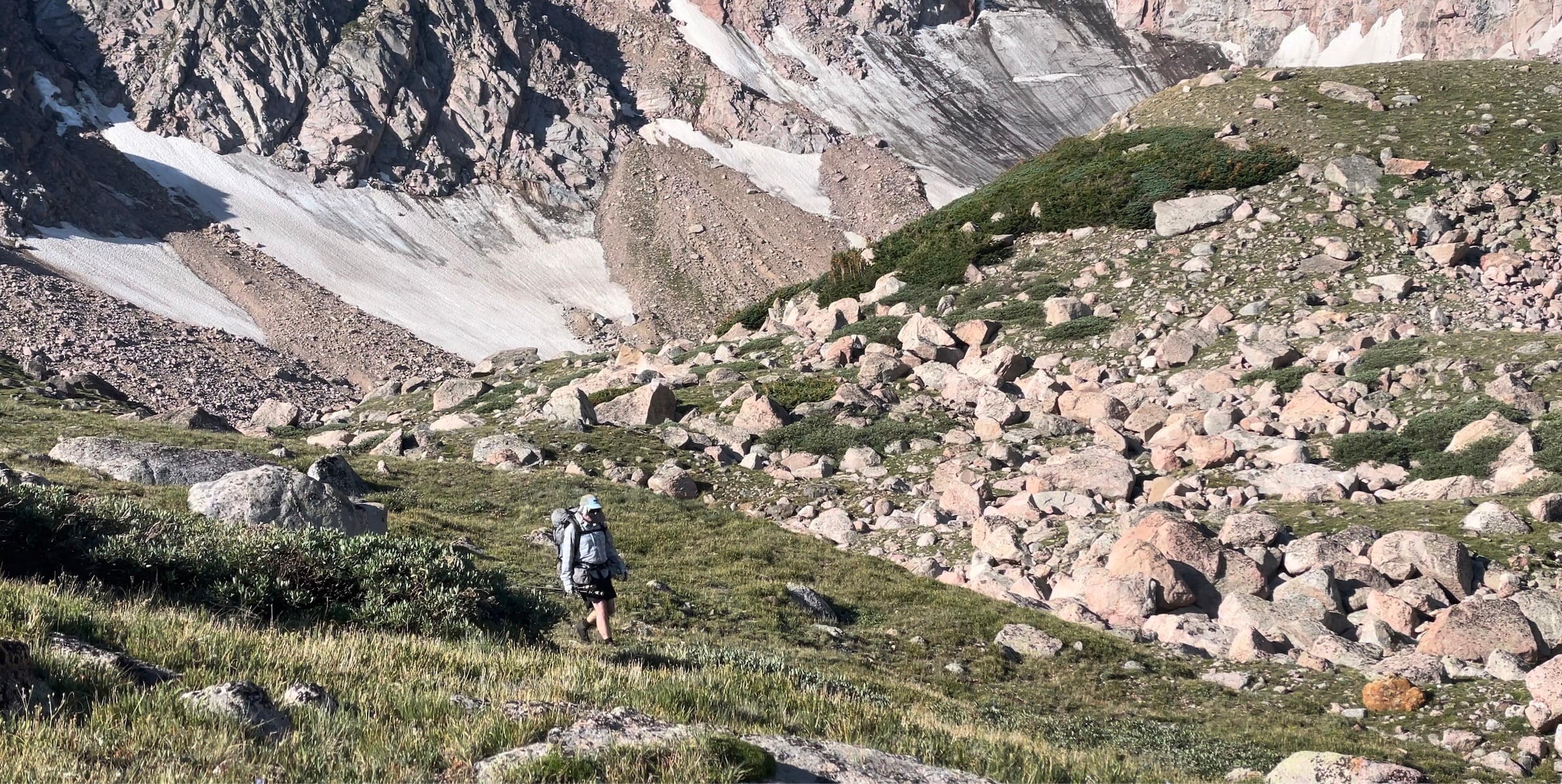
Departing Estes Park at 5:30 a.m., the author commenced the hike at 8:11 a.m. from a trailhead elevation of 8,600 feet. The objective was a high-alpine lake at 11,500 feet—a net gain of 2,900 feet over the course of the day, but with significant cumulative climbing. The route involved 13 miles of taxing terrain, much of it off-trail through dense forest and rugged alpine features, totaling approximately 3,800 feet of cumulative vertical gain.
The Load Burden
A critical variable in the timeline was the weight. To support a larger group, the author carried a 48-pound base pack, which, when combined with two liters of water, brought the total load to 52 pounds. At a body weight of 165 pounds, this pack represented 32% of the author’s total mass—a significant physical load that accelerated glycogen depletion and heightened metabolic demand.
The Onset of Symptoms
The symptoms did not manifest immediately upon arrival at the destination at 6:24 p.m. Instead, they emerged several hours after the exertion of the day had ceased. As the body transitioned from a state of active movement to sedentary recovery at 11,500 feet, the symptoms arrived in rapid succession: severe headache, persistent nausea, and a concerning loss of temperature regulation (chills and shakiness). A retrospective analysis using the 2018 Lake Louise AMS Score yielded a 7, placing the author firmly in the "moderate AMS" category.
Supporting Data: Beyond the Altitude
The diagnostic value of this case lies in the integration of wearable technology (Garmin data) and a granular log of nutritional and hydration intake. The data suggests that while altitude was the primary stressor, it acted as a force multiplier for three other critical failures: energy deficits, dehydration, and accumulated sleep debt.
Carbohydrate Depletion and Energy Deficit
Retrospective reconstruction of the calorie intake revealed a substantial energy deficit. Sustained, high-intensity climbing with a 52-pound load requires significant glycogen stores. Without adequate refueling during the 10-hour push, the author entered the high-altitude environment in a state of metabolic crisis. Carbohydrate depletion inhibits the body’s ability to respond to hypoxic stress, essentially lowering the "threshold" at which AMS symptoms begin to trigger.
The Hydration Factor
Hydration is a perennial challenge in the backcountry. At high elevations, the air is not only thin but exceptionally dry, leading to increased respiratory water loss. The analysis of the author’s fluid intake revealed that, despite the exertion, hydration levels were inadequate to offset both the physical output and the environmental demands of the 11,500-foot camp.
Pre-existing Sleep Debt
Perhaps the most overlooked factor in mountain medicine is the state of the traveler before they even reach the trailhead. The author noted a significant pre-existing sleep debt. Fatigue suppresses the autonomic nervous system’s ability to manage blood oxygenation and vascular response, leaving the traveler more vulnerable to the physiological "shock" of rapid ascent.
Official Responses and Clinical Perspectives
In the realm of wilderness medicine, this case is frequently cited by experts as an example of "diagnostic ambiguity." When a hiker presents with a headache and nausea at 11,000 feet, the reflexive diagnosis is almost always AMS. However, clinical literature emphasizes that AMS, dehydration, and hypoglycemia share a remarkably similar symptom profile.
Dr. Sarah Jenkins, a specialist in high-altitude physiology, notes: "We often see patients who assume their symptoms are purely hypoxic. But when we look at the ‘big four’—altitude, nutrition, hydration, and recovery—we realize that these variables are not additive; they are multiplicative. If you are dehydrated and glycogen-depleted, you will suffer from altitude sickness at 10,000 feet that you might have easily tolerated at 12,000 feet if you were well-fueled and well-rested."
The consensus among backcountry practitioners is that the "Lake Louise Score" is an excellent tool for field diagnosis, but it cannot differentiate between pure AMS and symptom-mimicking metabolic distress. The author’s case underscores that for the backcountry traveler, the "treatment" for AMS—descent—is often the only safe path, regardless of whether the primary cause is physiological altitude intolerance or a failure in self-care.
Implications for the Backcountry Traveler
The implications of this study are twofold: they challenge the veteran’s complacency and reinforce the necessity of rigorous logistics.
1. The Fallacy of the "Experienced Hiker"
Experience provides skill, but it does not grant immunity to the laws of biology. The assumption that because one lives at 7,600 feet, they are "immune" to altitude issues at 11,500 feet is a dangerous cognitive bias. The author’s case demonstrates that even for the adapted, an increase in sleeping elevation combined with a high-workload approach can overwhelm the body’s compensatory mechanisms.
2. The Importance of Data Logging
The use of wearable tech in this case was transformative. By comparing heart rate variability, sleep quality, and GPS-tracked exertion against the timing of the symptoms, the author was able to see the correlation between the "energy gap" and the symptom onset. Travelers are increasingly encouraged to use these tools not just for tracking mileage, but for monitoring the "internal load" of their bodies.
3. Strategy for Future Expeditions
The key takeaways for high-altitude planning include:
- Managing the Workload: Reducing pack weight on the first day of an ascent can significantly lower the metabolic tax, leaving the body better prepared for the altitude.
- Proactive Fueling: Establishing a strict caloric intake schedule—independent of hunger—is essential when the body is under stress.
- The "Recovery First" Protocol: Recognizing that the body is most vulnerable in the hours immediately following a long ascent, travelers should prioritize hydration and high-glycemic snacks the moment they reach camp.
Conclusion: A Lesson in Humility
The northern Colorado wilderness remains a harsh, unforgiving environment. The case study of this 11,500-foot excursion reminds us that the mountain does not care about our experience level or our past successes. It responds only to the biological reality of the moment. By deconstructing the interaction between altitude, hydration, nutrition, and rest, we gain a better understanding of how to survive—and thrive—in the thin air. The lesson is clear: in the backcountry, the smallest variables can have the largest impacts, and the best defense against altitude sickness is a holistic approach to human performance.