As outdoor recreation continues to see a massive surge in popularity, more Americans than ever are looking to trade screen time for river time. With nearly 60% of the U.S. population engaging in outdoor activities in 2024, the demand for accessible water sports has reached an all-time high. According to the latest data from the Outdoor Industry Association, paddlesports alone have captivated approximately 30 million participants.
However, for the novice adventurer, the path to the water begins with a fundamental, often confusing choice: the canoe or the kayak. Determining which vessel best suits your needs requires more than a simple aesthetic preference; it demands an analysis of your destination, your cargo, and your long-term goals on the water.
The Core Distinctions: Understanding the Vessels
At their most basic level, the difference between a canoe and a kayak is a matter of design, propulsion, and seating geometry.
The Canoe: The Floating SUV
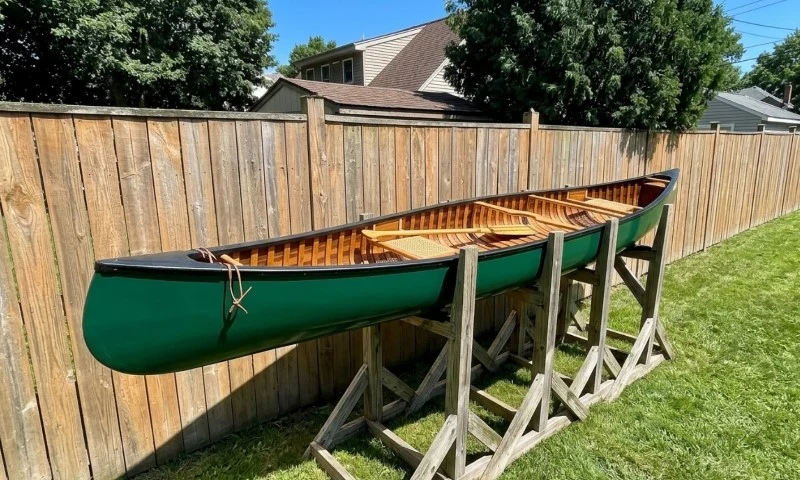
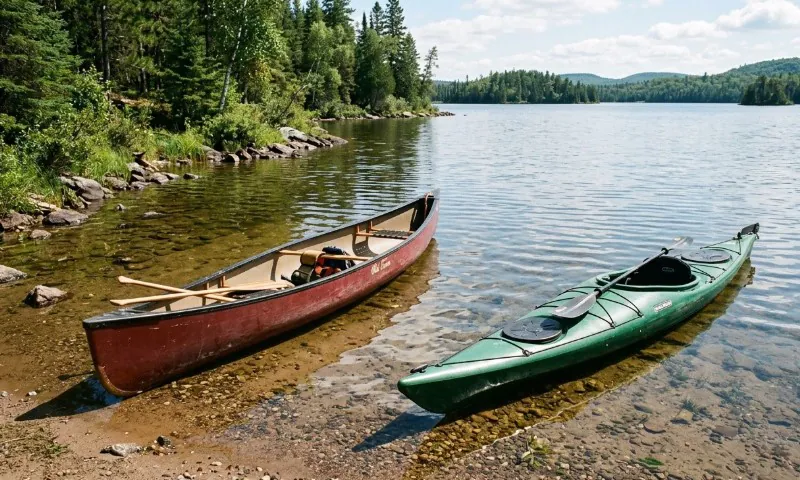
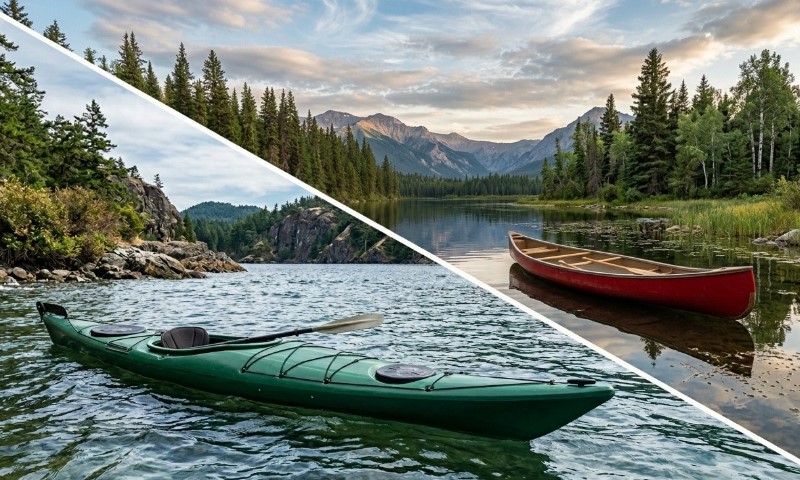
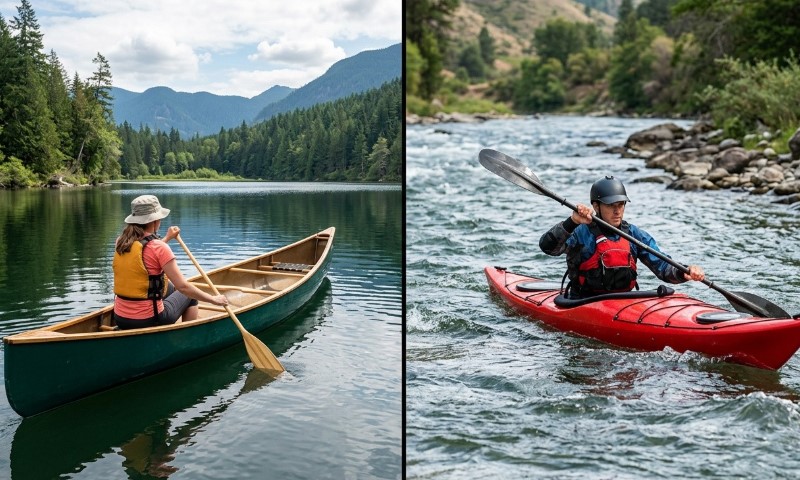
A canoe is typically an open-decked vessel. The paddler sits on a bench seat or kneels, utilizing a single-bladed paddle. Its design philosophy is rooted in capacity and utility. Think of a canoe as the "floating SUV" of the water world; it is designed to carry substantial payloads, whether that be a family of four, a golden retriever, or a week’s worth of camping gear.
The Kayak: The Sports Car of the Water
Conversely, a kayak is defined by a lower center of gravity. The paddler sits lower in the hull, often with legs extended forward, and utilizes a double-bladed paddle. This design allows for increased efficiency and stability in choppy conditions. If the canoe is the SUV, the kayak is the sleek, zippy sports car—engineered for speed, distance, and solo navigation.
Chronology of Evolution: From Tradition to Modern Tech
The evolution of these crafts spans millennia, yet their modern usage has been revolutionized by material science.
Historically, canoes were crafted from birch bark or hollowed logs, serving as the primary transportation for indigenous cultures in North America. Kayaks, meanwhile, were developed by Arctic peoples like the Inuit, designed as closed-deck, skin-on-frame boats built specifically for hunting in icy, turbulent northern waters.
In the mid-20th century, the introduction of fiberglass and later rotomolded polyethylene fundamentally changed the game. These durable, mass-produced materials allowed the average consumer to enter the sport without the high cost of traditional craftsmanship. Today, the market has further shifted to include inflatable models, pedal-driven fishing rigs, and ultra-lightweight carbon fiber touring boats, blurring the lines between the two categories.
Supporting Data: Why Your Choice Matters
Choosing the right boat isn’t just about style; it has real-world consequences on your enjoyment and safety.
| Factor | Canoe | Kayak | Real-World Consequence |
|---|---|---|---|
| Paddle | Single-blade | Double-blade | Kayaks are often easier for solo beginners. |
| Seating | Bench/Kneeling | Low/Legs Forward | Kayakers feel more "connected" to the hull. |
| Deck | Open | Often closed/sit-in | Canoes load faster; kayaks shed wind better. |
| Wind Handling | High exposure | Low profile | Kayaks perform better on open, windy lakes. |
| Gear Space | High (Internal) | Moderate (Hatches) | Canoes are superior for bulky, heavy loads. |
The "Stability" Myth
A common misconception is that one type is inherently "safer." Stability is categorized into initial stability (how the boat feels when you step in) and secondary stability (how the boat behaves when tilted or pushed by waves). Canoes often possess excellent initial stability on flat water, while kayaks generally offer superior secondary stability, making them more reliable when conditions turn rough.
Official Guidelines and Safety Implications
The U.S. Coast Guard provides a sobering reminder regarding the risks of the sport. In 2024, a significant number of boating fatalities involved individuals who were not wearing a personal flotation device (PFD).
The Life Jacket Imperative
A PFD stored under a seat is effectively useless during a sudden capsize. The National Park Service emphasizes that even expert swimmers can be incapacitated by cold water shock or disoriented by swift currents. Federal regulations generally mandate that a wearable, properly sized life jacket must be available for every person on board. Furthermore, many states require children under 13 to wear them at all times while the boat is in motion.
Environmental Considerations
Always dress for the water temperature, not the air temperature. In early spring, air might feel pleasant, but water remains at dangerous, near-freezing temperatures. Cold water immersion can cause involuntary gasping, which leads to immediate aspiration of water, rendering even strong swimmers helpless in minutes.
Strategic Selection: Which Boat Fits Your Life?
When deciding between the two, it is essential to ignore the "fantasy" version of your future and focus on your current reality.
Choose a Canoe If:
- You value capacity: You are planning to bring children, pets, or large coolers.
- You are camping: You need to pack heavy, bulky items like tents and food barrels.
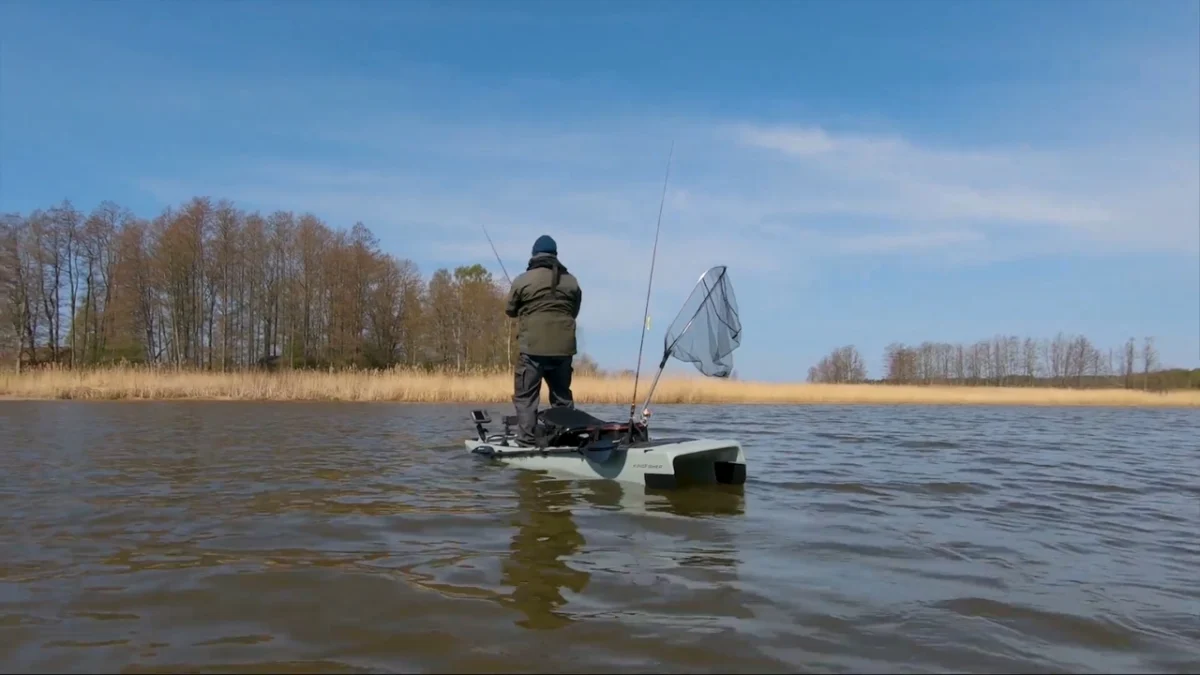
- You enjoy visibility: You want a higher vantage point for fishing or birdwatching.
- You prefer social interaction: The open seating arrangement allows for easy conversation.
Choose a Kayak If:
- You are a solo paddler: You want full control without the need to coordinate strokes with a partner.
- You want to cover distance: The efficiency of the double-bladed paddle makes it easier to traverse large lakes.
- You face unpredictable weather: The lower profile of a kayak is far less susceptible to being pushed off-course by wind.
- You want a workout: Kayaking is an excellent, symmetrical upper-body and core exercise.
Logistical Realities: Storage and Transport
Many enthusiasts overlook the "un-fun" part of boating: the logistics of transport.
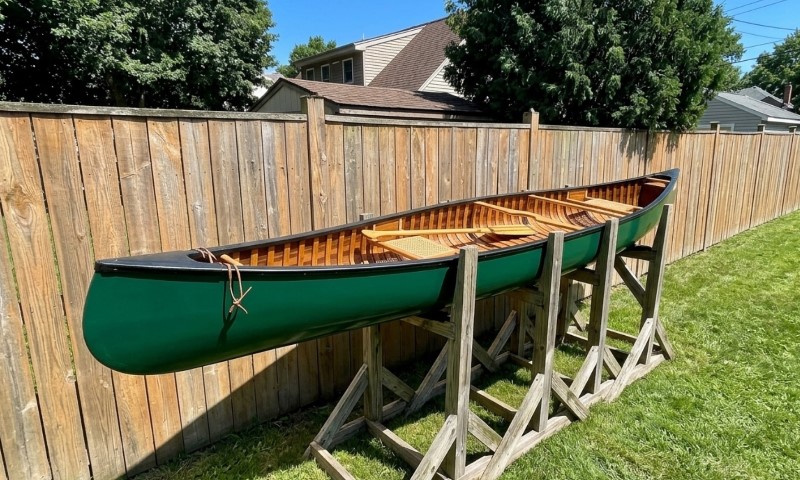
A 16-foot canoe may be a joy on the water, but if you live in a third-floor apartment with a small sedan, you will likely find yourself dreading the effort required to load it. Conversely, a heavy, fully-rigged fishing kayak might be stable, but it may prove impossible to hoist onto a roof rack alone.
The Five-Question Test for Buyers:
- Where will I store this when it’s not in use?
- Do I have the physical strength to transport it to the launch site?
- How many people, on average, will be joining me?
- What type of water (pond, river, or ocean) will I frequent most?
- Have I rented this specific model before committing to a purchase?
The Verdict: Don’t Buy Until You Rent
The best boat is the one that actually gets used. A high-end carbon fiber kayak gathering dust in a garage provides zero value compared to a modest, easy-to-load recreational boat that hits the water every weekend.
Before making a financial commitment, visit a local outfitter. Most clubs and rental shops allow you to test-drive various models. This "try before you buy" approach will reveal nuances—such as seat comfort, cockpit width, and hull tracking—that you will never find on a product spec sheet.
Final Thoughts on Maintenance
Regardless of your choice, maintenance is key to longevity. Keep your vessel clean, rinse it after saltwater use, and store it out of direct sunlight to prevent UV degradation of plastic hulls.
Whether you opt for the spacious, traditional charm of a canoe or the streamlined, efficient performance of a kayak, the most important goal remains the same: getting out on the water, staying safe, and respecting the environment. As the popularity of paddling grows, the responsibility falls on each of us to master our craft, wear our life jackets, and leave the water as pristine as we found it. Happy paddling!