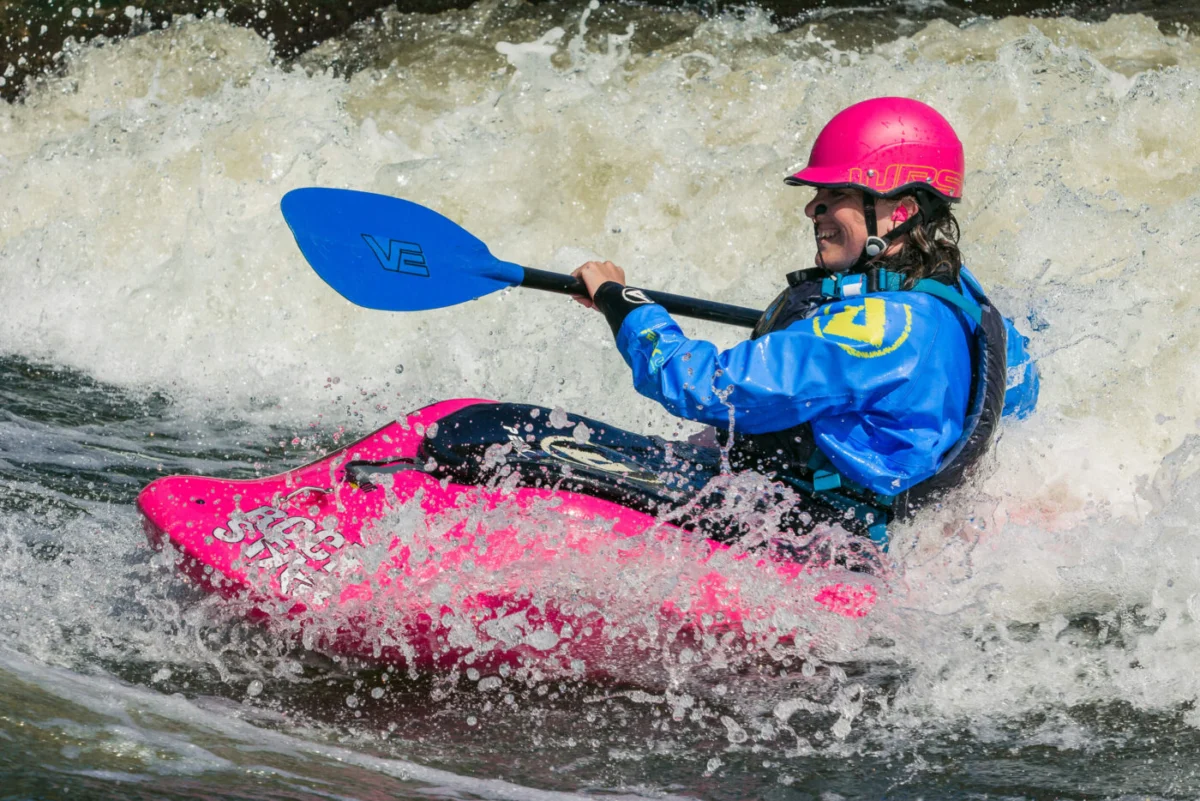
In the specialized world of whitewater kayaking, few vessels have achieved the near-mythic status of the WaveSport Project X. Designed as a high-performance playboat, it occupies a unique space in the paddling community: it is aggressive enough to satisfy the demands of world-class freestyle athletes, yet intuitive enough to serve as a foundational tool for novices looking to master the river.
Whether carving across a glassy wave or navigating the pushy, high-volume rapids of the Ottawa River, the Project X remains a testament to superior hull design and ergonomic precision. This article explores why this boat remains a staple of the sport and why, even years after its release, it continues to command respect on the water.
Main Facts and Specifications
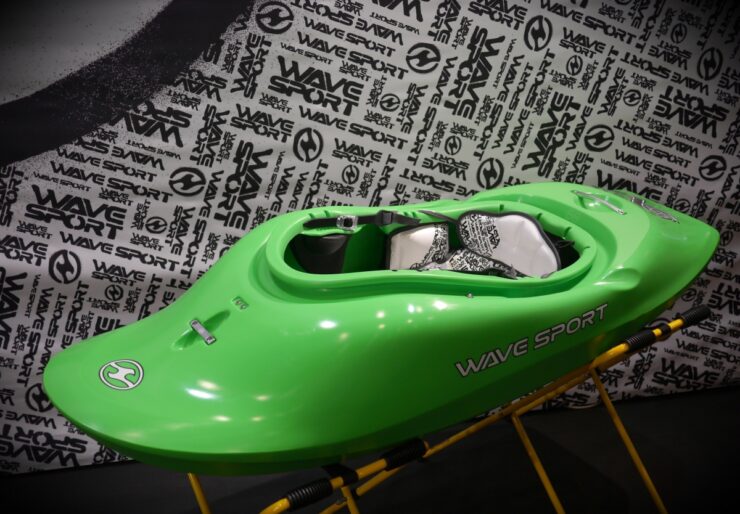
The Project X is engineered to provide a bridge between river running and pure freestyle performance. It is available in three distinct sizes to accommodate a wide range of paddlers: 48 (Small), 56 (Medium), and 64 (Large).
For the purposes of this review, we look closely at the medium-sized iteration, which has become the industry standard for versatility. Measuring 5’11” in length and weighing a manageable 32 lbs, the boat features a volume of 56 gallons. It is designed to support a weight range of 100 to 260 lbs, making it accessible to a broad spectrum of body types.
The core philosophy behind the Project X is "connection." Through its sophisticated, highly adjustable outfitting, the kayak acts less like a vessel and more like a physical extension of the paddler. This tight, customizable fit allows for immediate energy transfer, ensuring that every subtle shift in the water is translated into a responsive movement of the boat.
A Chronology of Development and Usage
The journey of the Project X begins at the intersection of competitive freestyle and recreational river running. When it was first introduced, WaveSport aimed to solve a common dilemma: how to create a boat that could perform tricks on a stationary wave without sacrificing the ability to track straight in moving water.
Early Days: The Learning Curve
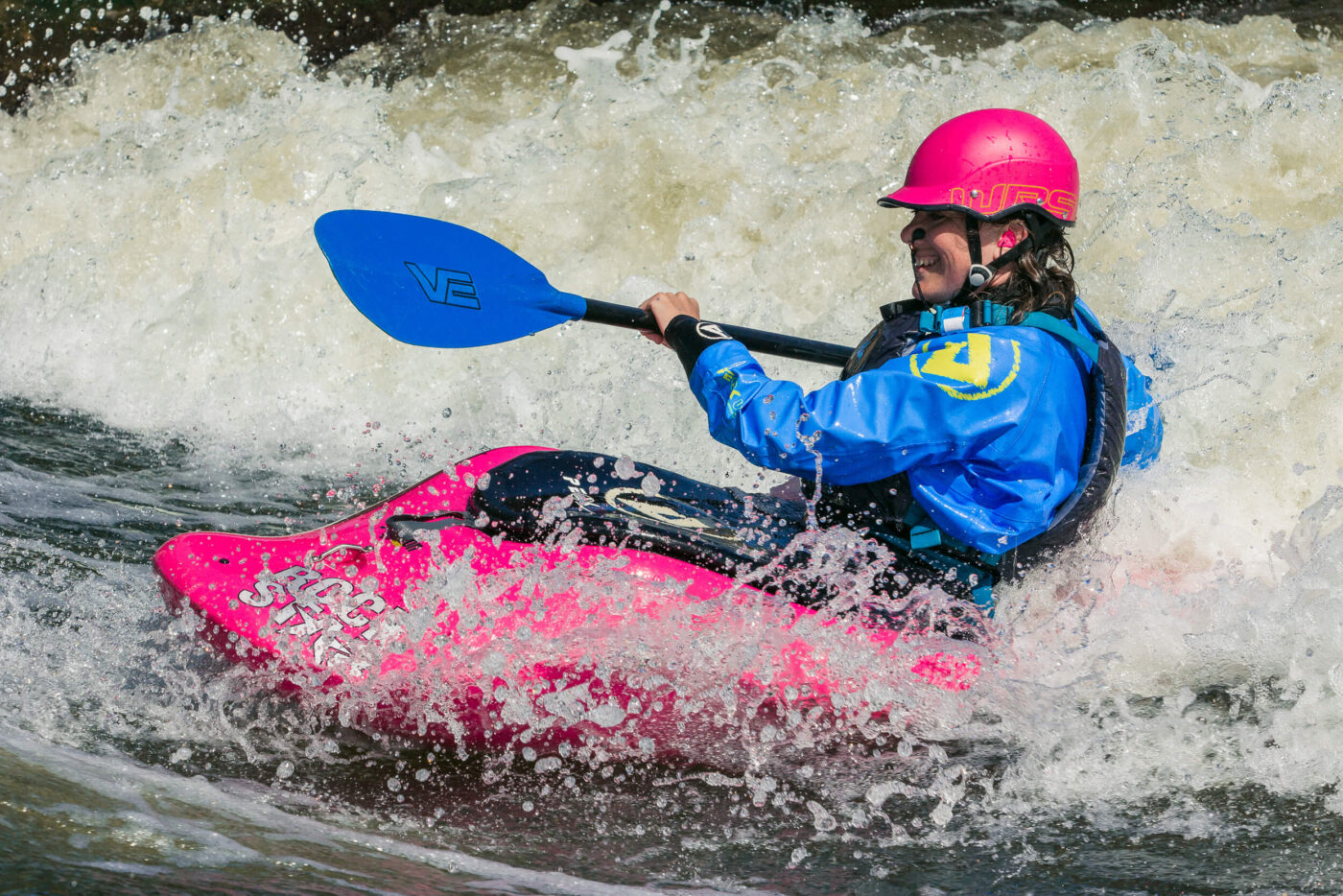
For many, the Project X was an introduction to the sport. Unlike entry-level kayaks that provide a false sense of stability through sheer bulk, the Project X demands engagement. Early adopters found that while the boat might feel "shakey" to a beginner during the first hour on the water, that initial instability was actually a pedagogical advantage. It forces the paddler to develop core strength, proper edge control, and an active, rather than passive, relationship with the river.
The Peak Years: Big Water Performance
As paddlers progressed, the Project X proved its worth on massive, high-volume systems like the Ottawa River. Unlike many playboats that become unruly in "pushy" whitewater, the Project X demonstrated a unique ability to hold its line. Even during spring runoff, when river levels surge and waves become massive, the boat maintained its composure, allowing users to surf large features while remaining in complete control of their trajectory.
The Modern Era: A Resilient Classic
Today, the Project X is frequently found in the used gear market, yet it remains a powerhouse. Its construction is famously durable. Even after years of navigating class II–IV creeks and aggressive freestyle features, the hull remains remarkably resilient. It is not uncommon to see a well-loved Project X performing just as well as it did the day it left the factory, a testament to the high-quality rotomolded plastics utilized by WaveSport.
Supporting Data: Performance Metrics
When comparing the Project X to its contemporaries, the primary differentiator is the "Balance-to-Fun" ratio.
- Responsiveness: Because the outfitting is snug, the boat reacts to the lightest touch. This makes it an ideal training vessel for those looking to advance their technical skills.
- Tracking: While a playboat by design, its tracking is surprisingly reminiscent of a river runner. It does not "hunt" or wander, allowing the paddler to point and shoot through technical sections of the river.
- Volume Distribution: The 56-gallon capacity in the medium size is perfectly distributed to provide pop for tricks while ensuring the boat doesn’t "pearl" (submerge the bow) unnecessarily in heavy current.
- Durability: The hull material is designed to withstand impacts with rocks and river debris, ensuring a long lifespan even under rigorous use.
Implications for the Modern Paddler
The decision to purchase a Project X, whether new or used, carries significant implications for a paddler’s development.
Building Confidence
The most immediate effect of using this boat is the rapid development of self-confidence. By providing a platform that rewards correct technique and punishes sloppy form, the Project X acts as a stern but effective mentor. A paddler who learns to control a Project X will find almost any other boat easier to manage by comparison.
Versatility in the Wild
The boat’s capability extends far beyond the local playspot. Because of its reliable tracking, it is fully capable of tackling diverse river environments. From the small, technical creeks of Ontario to the wide-open, high-volume surges of larger river systems, the Project X offers a "one-boat" solution for those who prioritize play but don’t want to be limited to a single environment.
The "Hydration Gap" and Ergonomic Minorities
Despite its performance, the boat is not without its minor flaws. Some users have noted that the surface layer of the outfitting material tends to peel over extended periods of heavy use. While this is largely cosmetic and does not impact the structural integrity or the comfort of the seat, it is a point of wear for long-term owners. Furthermore, the lack of an integrated water bottle holder is a noted oversight. In long sessions on the river, where hydration is critical, the tendency for a water bottle to bounce around the stern is a minor but persistent annoyance for many users.
Expert Perspective: Why It Remains Relevant
Adelaide Gentry, an expert with over a decade of experience in the industry, notes that the Project X succeeds because it refuses to "pamper" the paddler. "Most modern boats are designed to be forgiving," says Gentry. "The Project X, however, is designed to be communicative. It tells you exactly what the water is doing. If you are leaning the wrong way, you know it instantly. If you are catching an eddy with the wrong edge, the boat lets you know. That immediate feedback loop is exactly what a developing paddler needs to reach the next level of expertise."

Official Response and Market Longevity
WaveSport’s design philosophy for the Project X centered on the "extension of the body" concept. By prioritizing a high-tension outfitting system, the manufacturer ensured that the paddler was not sitting in the boat, but rather part of the boat. This focus on ergonomics allowed the Project X to age gracefully. While other boats from the same era have been rendered obsolete by shifting design trends, the Project X remains a relevant, competitive, and highly sought-after model.
For the budget-conscious paddler, the Project X represents one of the best "bang-for-your-buck" investments in the sport. Because the shells are so durable, buying a used model is often a safe bet. When properly maintained, the material withstands the physical abuse of the river for years, making it a sustainable choice in an era of disposable gear.
Final Verdict
The Project X by WaveSport is more than just a piece of equipment; it is a catalyst for progression. It is a boat that encourages the user to challenge themselves, to surf harder, and to explore the limits of their technical ability.
While it lacks some of the modern luxuries—such as dedicated hydration storage—and requires a bit of maintenance on the outfitting surface, these are trivial concerns compared to the sheer joy and performance it provides. For the paddler who wants to grow, to learn, and to truly understand the language of the river, the Project X remains an unparalleled choice. It is a machine designed for the love of the sport, and it continues to earn its place on the water every single day.