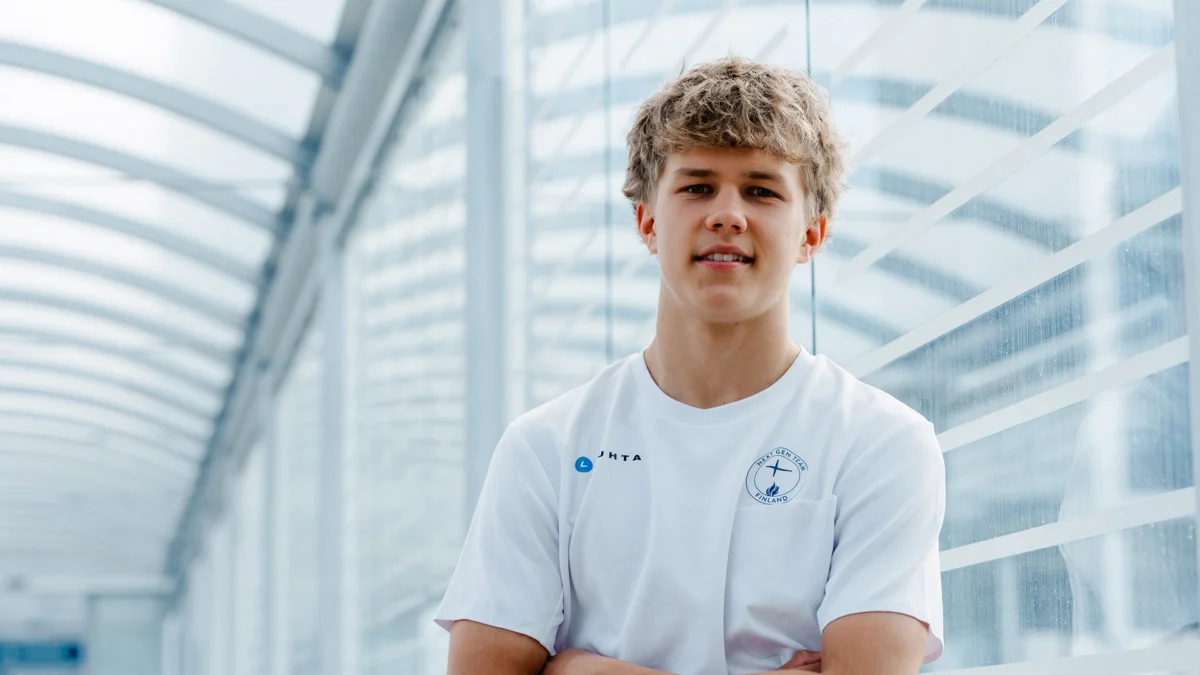
In a world where elite sports and rigorous academic pursuits are often viewed as mutually exclusive, Finnish orienteering sensation Akseli Ruohola has redefined the boundaries of what is possible. The University of Turku medical student has been officially named the Student-Athlete of the Year for the 2025–26 academic cycle, a prestigious honor recognizing his exceptional ability to harmonize high-stakes international competition with the demanding curriculum of medical school.
The award, which includes a €1,500 scholarship, is bestowed annually by a committee representing the Finnish Olympic Committee, the Paralympic Committee, and the Athletes’ Career Foundation. It serves as a benchmark for excellence, identifying individuals who do not merely participate in two worlds but excel in both.
A Historic Season: The Path to Recognition
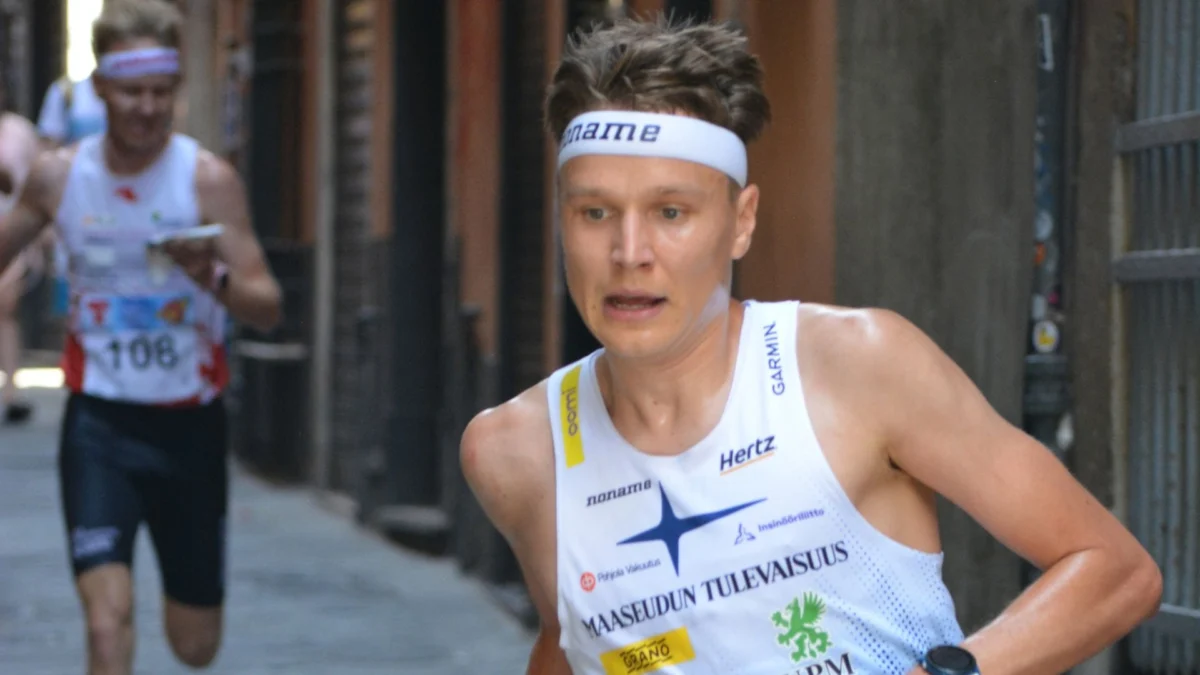
Ruohola’s selection was far from coincidental; it was the culmination of a year defined by historic sporting milestones. In July 2025, Ruohola captured a silver medal at the World Orienteering Championships, a feat that resonated throughout the Nordic sporting community.
His performance, alongside Tuomas Heikkilä’s bronze medal in the same competition, marked a watershed moment for Finnish orienteering. These were the first individual medals for Finnish athletes in the sprint orienteering world championships in 13 years—a drought that had persisted since 2012. Ruohola’s momentum did not wane as the summer progressed; he followed up his world-stage success with a bronze medal at the European Championships in August 2025.
Chronology of a Remarkable Year
- July 2025: Ruohola secures silver at the World Orienteering Championships, breaking a 13-year medal drought for Finland in the sprint discipline.
- August 2025: He maintains his elite form by claiming bronze at the European Orienteering Championships.
- Academic Year 2025–26: Throughout this period, Ruohola manages the intense workload of medical school at the University of Turku, utilizing a strategic "gap year" in his studies to prioritize his athletic training cycles without compromising his long-term professional aspirations.
- October 2026: The official recognition ceremony coincides with the European Athlete as Student (EAS) conference in Oulu, cementing his status as the premier student-athlete in the country.
The Philosophy of the Dual Career
The selection committee highlighted that Ruohola’s success is rooted in his strategic approach to life. Rather than viewing his studies as a distraction from his sport, or his sport as a hobby, Ruohola treats them as complementary pillars of his identity.
The committee was particularly impressed by his ability to rhythm his academic progression to suit his athletic peak. By opting for a strategic pause in his studies, Ruohola ensured that he could pursue his Olympic-level goals with full focus, while maintaining a clear trajectory toward his medical degree. This methodology—treating the "dual career" as a deliberate, planned lifestyle rather than an accidental byproduct of exhaustion—is exactly what the committee hopes to promote as a gold standard for young Finnish athletes.
"Ruohola has successfully integrated the rigor of medical training with the physical and mental demands of elite orienteering," the committee stated in their deliberation report. "His ability to maintain high academic standards while performing at the world-class level proves that professional sport and professional studies can strengthen, rather than weaken, one another."
Official Response: Perspectives from the Winner
Accepting the award, Ruohola emphasized that the synergy between his two lives has been a key driver of his success. Speaking at the ceremony in Oulu, he credited the infrastructure surrounding him for his ability to sustain this high-wire act.
"It is a great honor to receive the Student-Athlete of the Year award," Ruohola remarked. "Throughout my studies, I have realized that the discipline, analytical thinking, and stress management I learn in the forest are directly applicable to my medical studies. Conversely, the intellectual challenge of medical school keeps me grounded as an athlete."
He was quick to share the credit, acknowledging the support systems that made his journey viable. "I want to thank the University of Turku and the Turku Region Sports Academy for their flexibility and guidance. Without this institutional support, this kind of ‘dual career’ would simply not have been possible at this level of performance. My hope is that my journey serves as a blueprint for younger athletes, showing them that they do not have to choose between their education and their dreams."
Honoring the Architect: Risto Keskitalo’s Lifetime Contribution
While the spotlight shone on Ruohola, the committee also took a moment to honor the man who helped build the very infrastructure that makes such success possible. Risto Keskitalo, a lecturer at the Kastelli Sports High School, was presented with a special commendation for his lifelong dedication to the "dual career" model.
Keskitalo is widely regarded as a founding father of the modern Finnish sports academy system. He established the Ouluseutu Sports Academy—the first of its kind in Finland—and has spent decades refining the system that allows student-athletes to transition from secondary school to elite competition.
His influence, however, extends far beyond Finland’s borders. Keskitalo was a primary architect of the European Athlete as Student (EAS) network, an international forum dedicated to helping athletes across the continent balance professional development with academic progress. In 2008, he was named an honorary member of the organization, a testament to his influence on European sports policy.
Implications for the Future of Finnish Sports
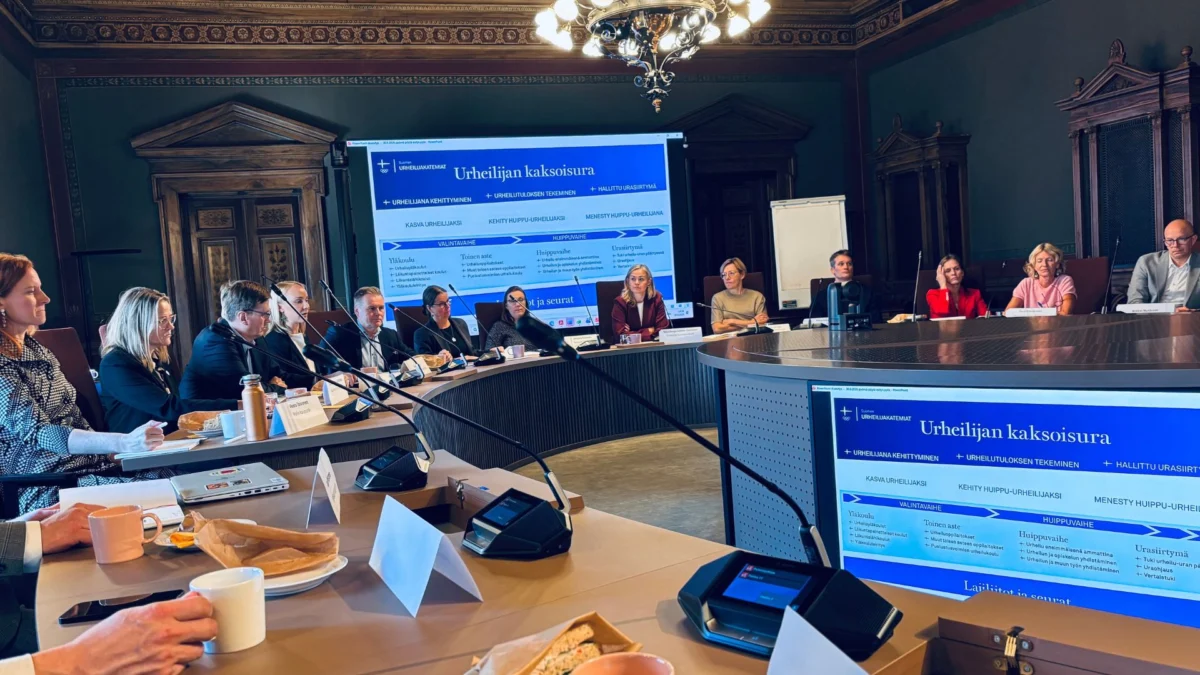
The recognition of Ruohola and the honoring of Keskitalo come at a pivotal time for Finnish sports. With over 200 experts from 17 countries, as well as delegates from Brazil and South Africa, gathering in Oulu for the EAS conference this October, the conversation has shifted from "how to survive as an athlete" to "how to thrive as a professional in all fields."
The "Dual Career" Paradigm
The implications of this movement are significant:
- Retention: By providing robust support for academic progress, national sports federations are finding it easier to retain talent. Athletes who feel they have a secure professional future outside of sports are often more relaxed and perform better during their competition years.
- Cognitive Performance: Emerging research presented at the Oulu conference suggests that athletes who engage in complex cognitive tasks—like medical or engineering studies—show higher levels of tactical awareness and resilience under pressure.
- National Branding: Finland’s ability to produce world-class athletes who are also doctors, engineers, and scientists serves as a powerful soft-power tool, highlighting the strength and flexibility of the national education and sports systems.
Conclusion: A New Standard for Success
As the 2025–26 season progresses, Akseli Ruohola stands as more than just a medalist; he is an ambassador for a new generation of athletes. By proving that one can pursue the scalpel and the map with equal fervor, he has shattered the outdated stereotype of the "one-dimensional athlete."
Supported by the tireless work of visionaries like Risto Keskitalo and the institutional backing of the Finnish sports academy system, athletes like Ruohola are setting a new standard. For the next generation, the question is no longer whether they can manage both school and sport—it is how they will use their academic foundation to elevate their athletic performance, and vice versa.
In the quiet focus of the orienteering sprint and the high-pressure environment of the medical lecture hall, Ruohola has found a perfect, winning balance. As he continues his studies and prepares for the next round of global competitions, he remains a symbol of what dedication, structural support, and an unwavering belief in one’s own potential can achieve.