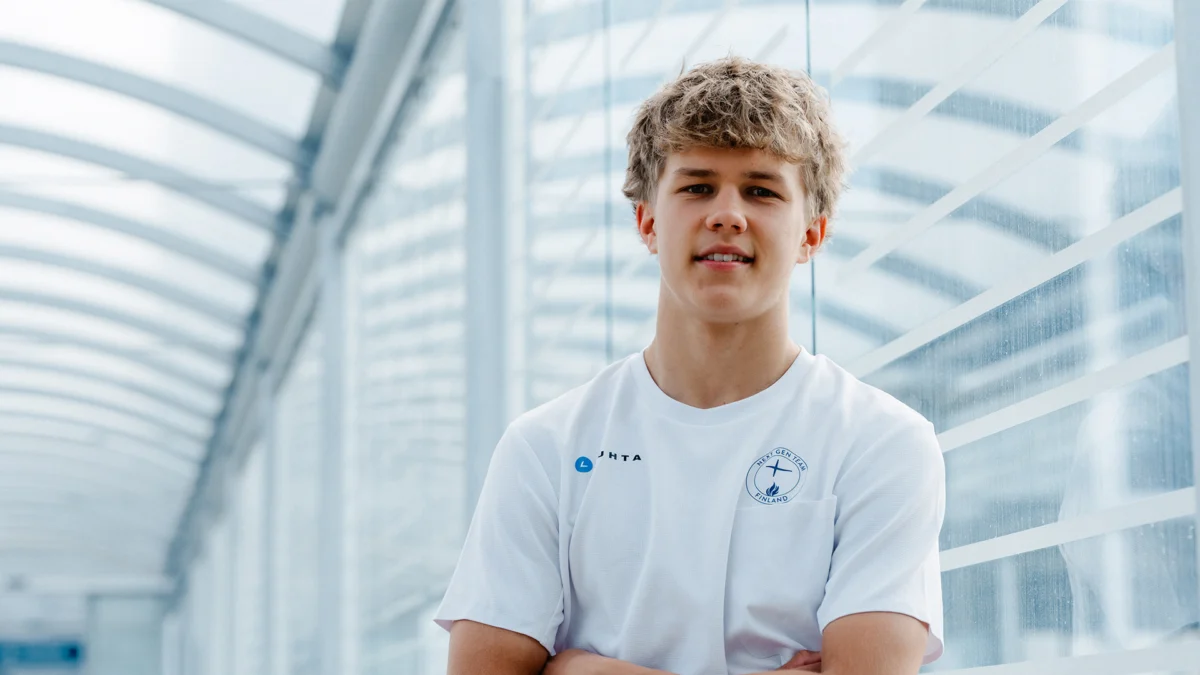
The air is thick with the scent of high-octane fuel and scorched rubber. At 250 kilometers per hour, the world compresses into a singular, blurred tunnel of vision. For 18-year-old Rico Salmela, the Moto3 track is not just a place of competition; it is a sanctuary of absolute silence amidst the deafening howl of 250cc engines. Within the tightly packed swarm of machines, where riders lean into corners under nearly two Gs of force, Salmela operates with a surgical, almost ethereal, stillness.
Salmela is a rare commodity in contemporary Finnish sports—the first national rider to make a significant mark in the Moto3 World Championship in years. As he navigates the same legendary lines once carved by icons like Jarno Saarinen, Teuvo Länsivuori, and Mika Kallio, the young Nokian native finds himself at the intersection of extreme professional pressure and the realization of a lifelong dream.
The Genesis of a Speed Demon: From Toddler to Professional
Rico Salmela’s relationship with speed began long before he could read. Born into a family where the smell of gasoline was a permanent fixture, his father’s passion for motocross and supermoto provided the backdrop for his formative years.
"I don’t remember the exact moment, but there is video footage of me on a cross bike before I was three years old, balancing it without any trouble," Salmela recalls.
While he briefly explored Brazilian Jiu-Jitsu, the trajectory of his life was set at age five, when he first sat on a minimoto bike. The combination of fear, adrenaline, and the intoxicating sensation of speed hooked him instantly. By age six, he was competing in national junior series with a special permit due to his age, often outperforming competitors on larger machines. By seven, he was already cutting his teeth on the European circuit, racing in Italy and the Netherlands.
This early immersion in the European racing culture was, according to Salmela, a necessity. "In Finland, people may not realize how massive and culturally significant motorcycle racing is in countries like Italy and Spain. The competition at the junior level is cutthroat. If you want to make it to the top, you cannot stay in Finland waiting for opportunities to come to you."
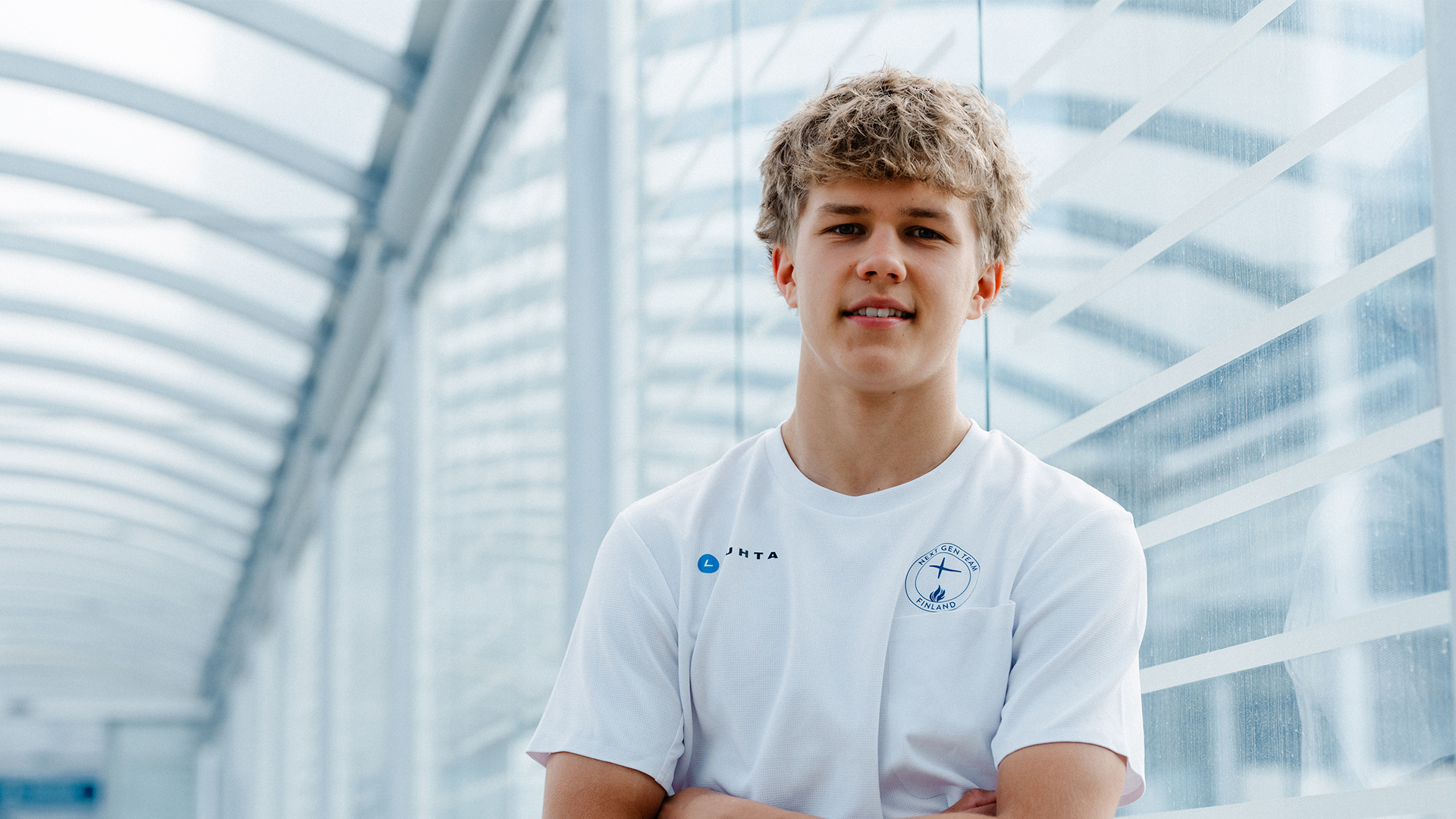
A Nomadic Education: The Reality of the Circuit
The life of a young, aspiring professional athlete is far from the glamorous lifestyle often portrayed in media. For Salmela, his teenage years were spent in a motorhome, traversing Europe from one circuit to another.
"It was an amazing experience to see the world and meet like-minded people at the paddocks," he reflects. "But the flip side was the struggle to balance school with the demands of the sport. As I reached the later years of comprehensive school, the trips became months long, and I was spending the majority of my year abroad."
This sacrifice, however, was part of a meticulously planned "family project." With the guidance of legendary manager Aki Ajo and the unwavering support of his parents, Salmela secured the funding and the mentorship necessary to transition from a promising prospect to a factory-level rider.
The Professional Leap: Joining the World Championship Ranks
The 2025 season served as the definitive turning point for Salmela. After finishing fifth in the Junior World Championship and battling for podium spots until the final race, he earned his ticket to the adult Moto3 World Championship.
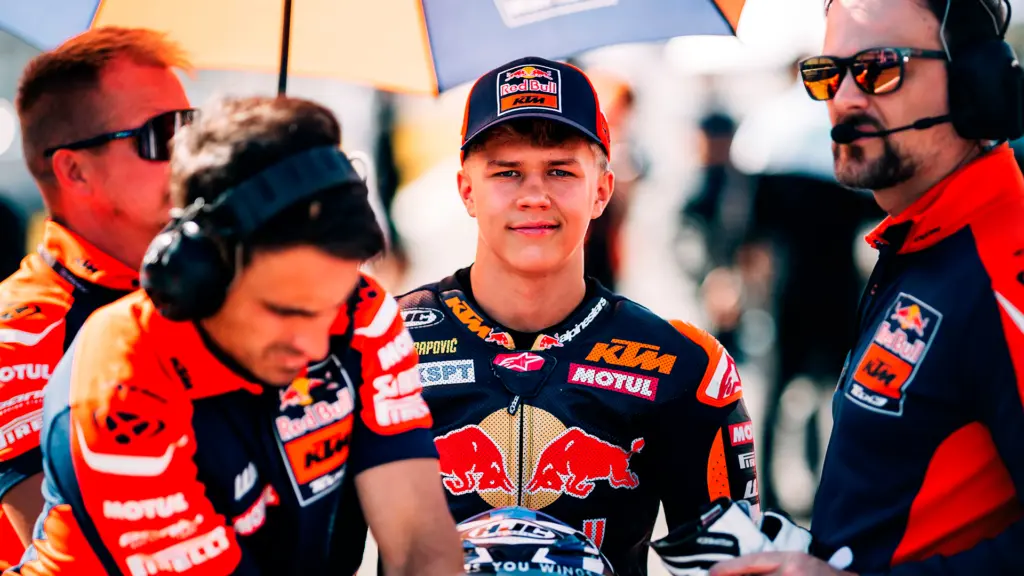
"Manager Aki Ajo spent nearly a year in discussions with my current team, KTM Red Bull Tech3, before the contract was finalized," Salmela says. "When I finally signed, it felt like a culmination of all those years of work. I tried to stay professional and keep my feet on the ground, but there was definitely a sense of victory."
The jump to the senior ranks has been a masterclass in adaptation. "The skill gap between the Junior World Championship and the senior series isn’t necessarily about top speed—it’s about consistency. In the senior series, you are racing against veterans who simply do not make mistakes. There is no grace period for learning a track; the standard is absolute perfection."
Supporting the Next Generation
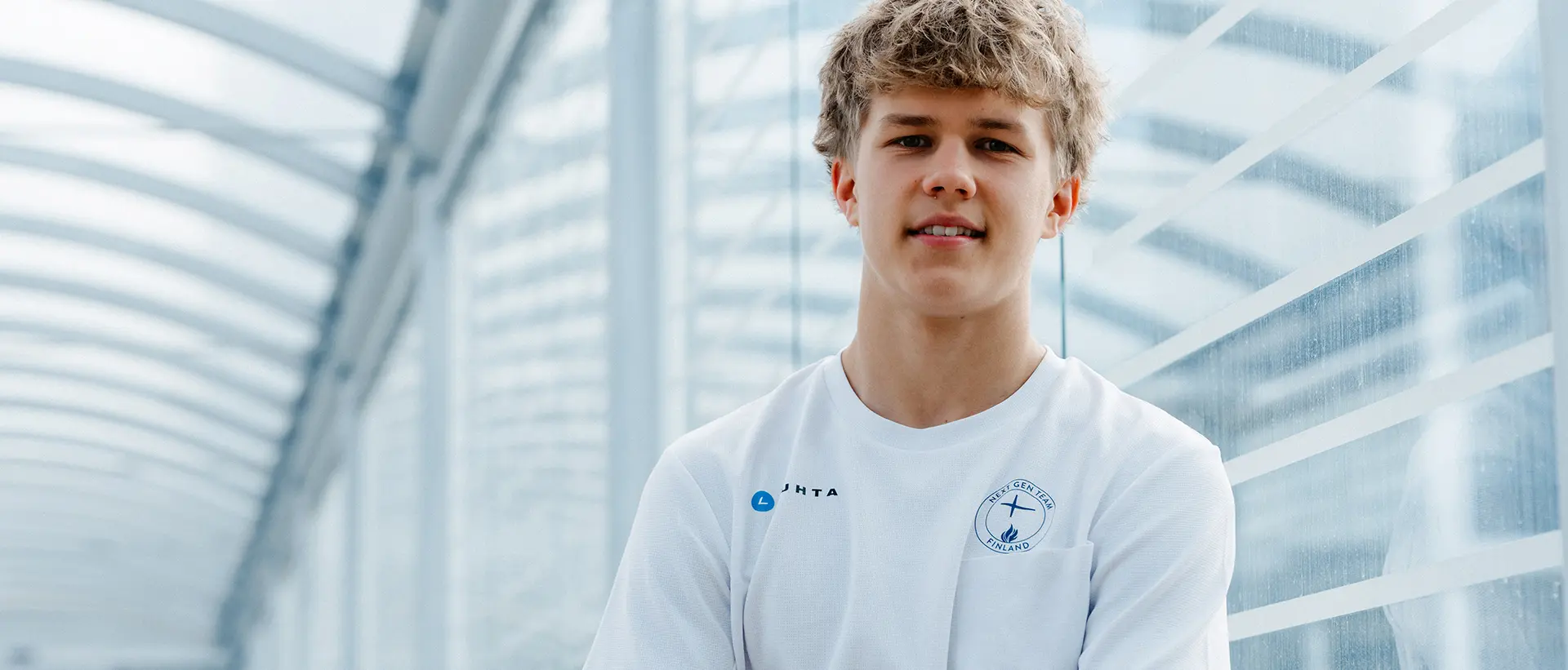
Salmela is quick to credit the Finnish Olympic Committee’s Next Generation (NG) program for his success. The program, designed for high-potential athletes aged 15–22, provides more than just financial assistance; it offers a comprehensive support system that includes expert coaching, specialized training facilities, and logistics management.
"The NG program has fundamentally changed the quality of my training," Salmela notes. "Maintaining a base in Spain and managing two high-performance bikes is an expensive endeavor. The support from the Olympic Committee, in collaboration with the Varala Sports Institute, has allowed me to bring in the necessary expert help here in Finland, which has been crucial to my development."
What is the Next Generation Team Finland?
The program’s primary goal is to identify athletes with world-class potential and provide them with the resources to bridge the gap between national success and international dominance. Each athlete receives a tailored support package valued at over 10,000 euros, covering everything from professional psychological coaching to nutritional and physical guidance.
The Technicality of Speed: Data, Lines, and Logic
To the casual observer, motorcycle racing is a blur of motion. To the professional, it is a high-speed game of chess. Salmela spends hours analyzing onboard footage, studying gear ratios, and memorizing every inch of the tarmac.
"I love tracks with a high density of left-hand turns," he explains. "They offer more overtaking opportunities. You have to understand how to use the slipstream effectively and, more importantly, when to pull out of it to execute a pass. It’s a skill that requires thousands of hours of practice."
A typical race week follows a rigid, exhausting schedule:
- Tuesday/Wednesday: Arrival at the circuit and track walk. Every turn is mapped mentally.
- Thursday: Setup and bike fine-tuning with engineers.
- Friday: Practice sessions, gathering data for the team.
- Saturday: Qualifying—the most critical moment for grid positioning.
- Sunday: Race day.
"I can immediately feel if I am 10 centimeters off my line compared to a previous lap," Salmela says. "That level of precision is what separates the winners from the rest of the pack."
Addressing the Critics: Sustainability and Ethics
In an era of heightened environmental awareness, the motorsport industry faces constant scrutiny. Salmela is pragmatic about his role in this conversation.
"I understand the environmental concerns, and they shouldn’t be downplayed," he admits. "But every field—be it art, science, politics, or business—has its critics. My perspective is that we must focus on improving the sustainability of the sport as a whole. For me, this is a matter of pure passion. I love the speed, but I also respect the responsibility that comes with being a professional athlete."
Looking Ahead: The Goal is the Anthem
As Salmela prepares for the remainder of the season, his goals are clear. While he has grown into a "cosmopolitan of the racing circuit," he remains deeply rooted in his identity as a Finn.
"Every race winner gets to hear their national anthem on the podium," he says with a grin. "I’ve heard the Spanish anthem so many times I could sing it in my sleep. My primary goal for the near future is to make sure the Maamme-laulu (the Finnish National Anthem) is played in my honor."
Rico Salmela’s story is a testament to the fact that while speed is measured in kilometers per hour, greatness is measured in years of discipline, a global perspective, and the quiet, unwavering resolve to reach the finish line first. As he continues to climb the ranks, Finland finally has a new name to watch on the world stage—a young man who has traded a normal teenage life for the ultimate, high-speed pursuit of perfection.