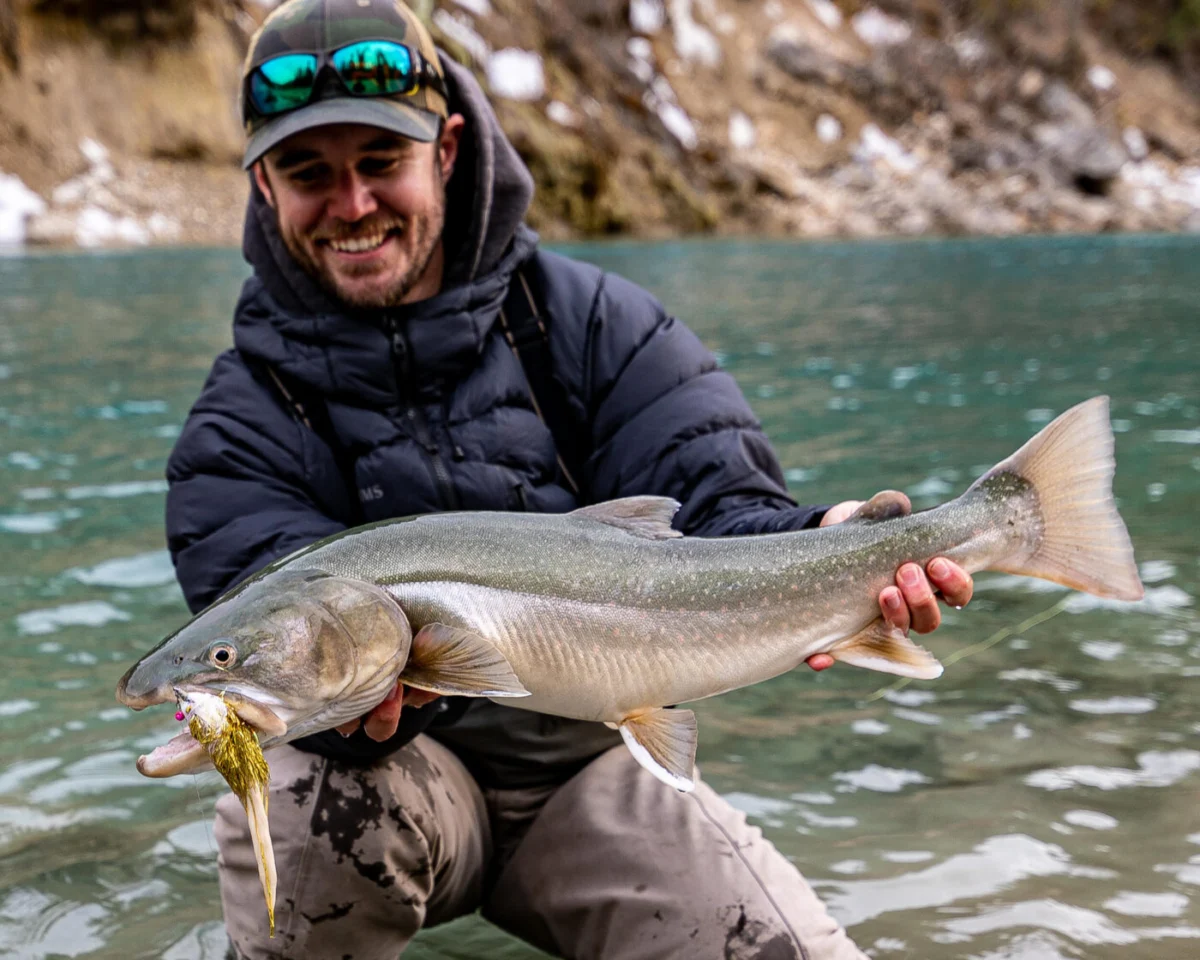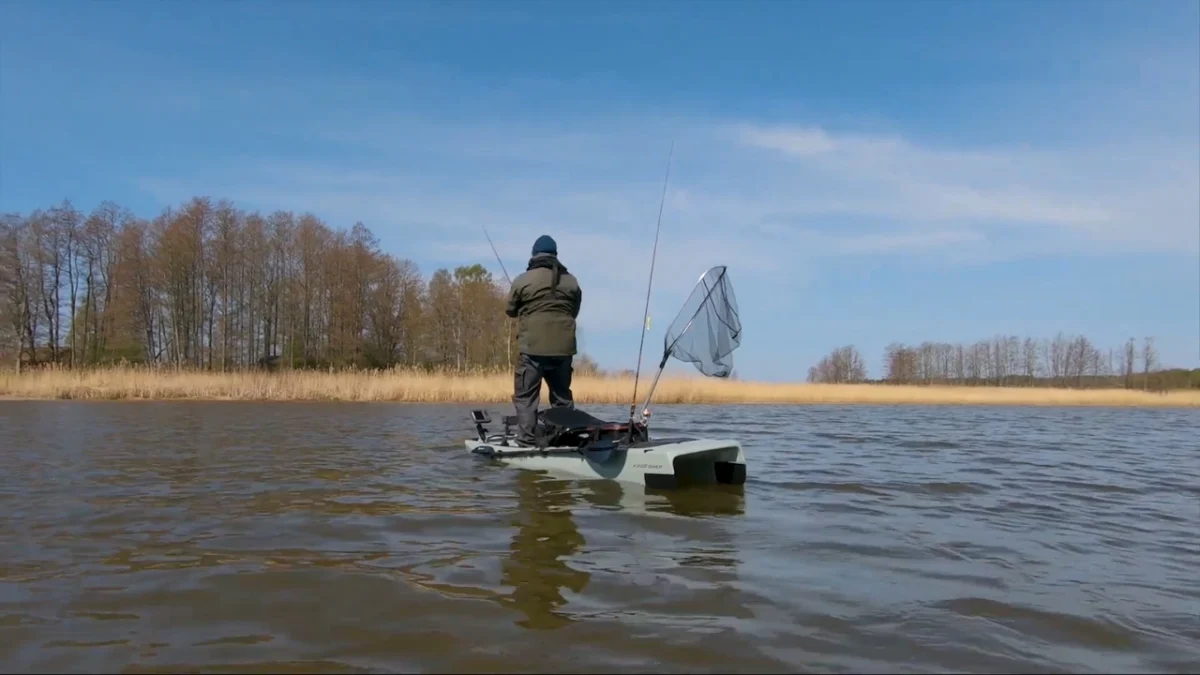
Pulling a heavy, fighting fish from the depths while balanced on a kayak is one of the most exhilarating experiences an angler can have. However, seasoned veterans know that the struggle does not end once the fish is in the net. The journey from the water to the dinner plate is fraught with variables, and for the kayak angler, the stakes are uniquely high. Between the limited storage space, the lack of immediate refrigeration, and the specific biology of different species, some fish are simply better left in the water.
Whether it’s a species known for a muddy flavor profile, a high risk of parasite contamination, or the severe health hazards posed by bioaccumulated toxins, knowing which fish to keep and which to release is a cornerstone of responsible angling. This guide breaks down the science of why certain species are often avoided, the health risks involved, and how to manage your catch with the respect the resource deserves.
The Science of the "Off" Taste: Why Some Fish Miss the Mark
To understand why some fish are labeled as "trash fish" or "poor eating," one must look at both biology and environmental factors. When a fish tastes "off," it is rarely a coincidence.
Geosmin and the "Muddy" Flavor
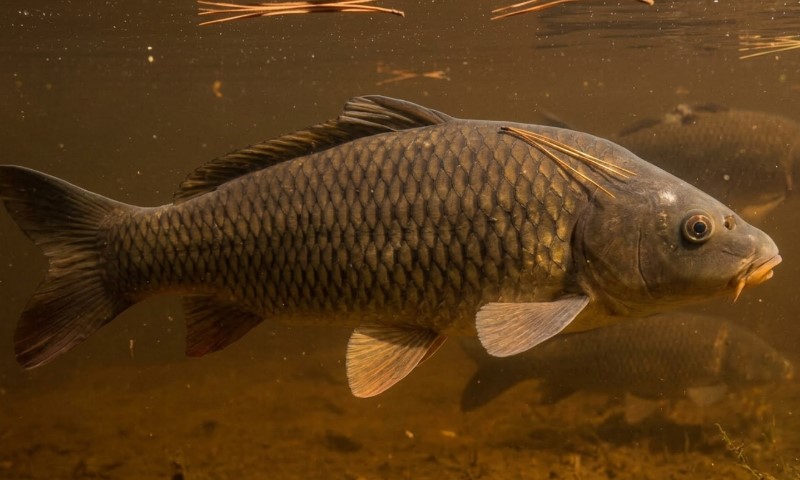
The most common complaint regarding freshwater species like the common carp or the bigmouth buffalo is a distinct, earthy, or "muddy" taste. This is not necessarily a sign of a sick fish; it is the result of geosmin. Geosmin is a natural organic compound produced by certain species of blue-green algae and bacteria in the water. As bottom-feeders, carp and buffalo ingest these compounds, which are then absorbed into the fatty tissues of the fish. According to research from DTU Food, while geosmin is harmless to human health, it is highly sensitive to the human palate, often rendering a fillet unpalatable.
Diet and Environmental Bioaccumulation
In saltwater environments, the issue is often tied to the fish’s position in the food chain. Large predatory fish—such as king mackerel, shark, and barracuda—are apex predators. Through a process known as biomagnification, these fish accumulate higher concentrations of heavy metals like mercury and industrial pollutants like PCBs throughout their long lifespans. As the EPA and FDA consistently warn, these species are often on the "do not consume" lists for vulnerable populations, and they should be approached with extreme caution by all anglers.
Quick Reference: Species and Handling Considerations
For the kayak angler, the decision to harvest must be made in seconds. Below is a summary of commonly debated species and the primary factors influencing their reputation.
| Rank | Fish | Primary Taste/Texture Issue | Key Safety/Handling Concern |
|---|---|---|---|
| 1 | Common Carp | Muddy, complex Y-bones | Local water contaminants |
| 2 | Bowfin | Rapidly softening flesh | Requires immediate icing |
| 3 | Gizzard Shad | Highly oily, bony | Difficult to process |
| 4 | Large Bluefish | Strong, oily fishiness | High mercury/PCBs |
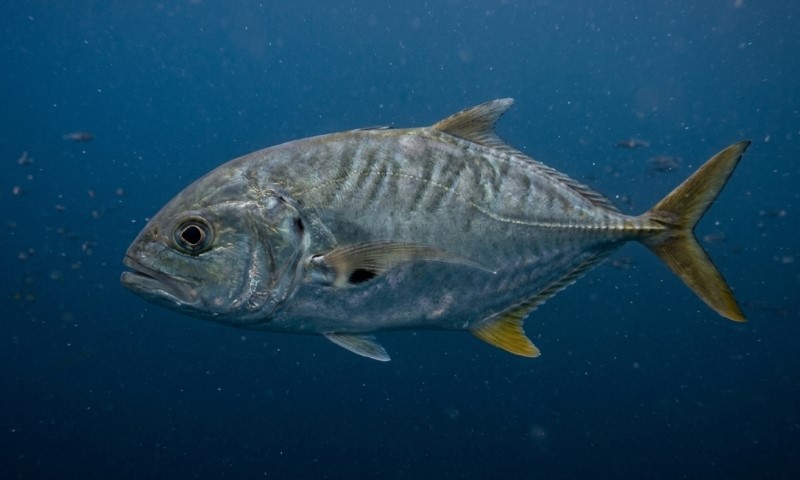
| 5 | Jack Crevalle | Metallic, bloody taste | Poor texture if large |
| 6 | Bigmouth Buffalo | Coarse texture | Often misidentified/misused |
| 7 | Freshwater Drum | Rubbery/divisive | Potential parasite host |
| 8 | Large Black Drum | Parasitic "spaghetti worms" | Tough, aged meat |
| 9 | Gar | Toxic roe | Highly armored, dangerous |
| 10 | Barracuda | Ciguatera Toxin | Heat-stable marine toxins |
| 11 | Shark | High urea content (ammonia) | Mercury bioaccumulation |
| 12 | Large Pelagics | Scombroid (histamine) risk | Requires massive ice supply |
The Chronology of a Catch: From Strike to Sustainability
When you are in a kayak, you lack the sprawling deck space of a center-console fishing boat. This means your "processing window" is much smaller.
- The Capture: The fight itself can stress the fish, leading to the release of lactic acid into the muscle tissue, which negatively affects flavor.
- The Immediate Handling: For species like Bluefish or Bowfin, immediate bleeding is non-negotiable. If you fail to bleed the fish, the blood settles in the dark meat, creating a metallic, rancid taste.
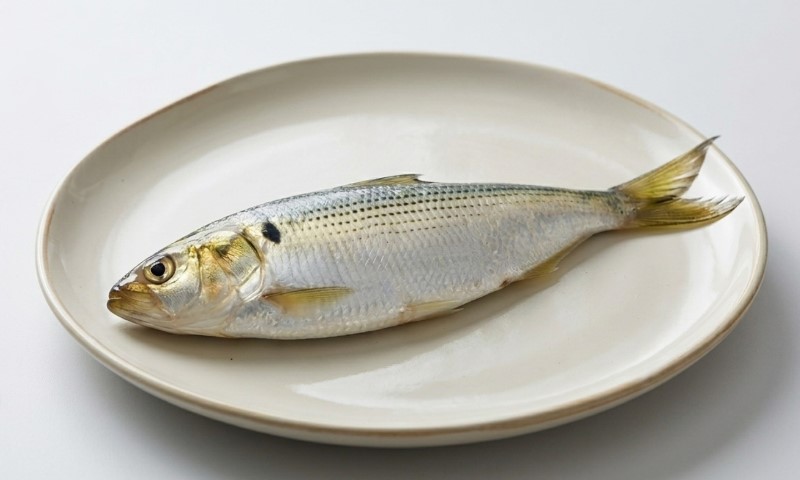
- The Cold Chain: In a kayak, your fish bag is your lifeline. Without sufficient ice, bacterial growth—especially in oily fish like mackerel or shad—happens rapidly. This leads to histamine buildup, which can cause scombroid poisoning even in fish that are technically "edible."
- The Evaluation: If you cannot properly store or clean the fish within an hour or two of harvest, the most ethical choice is always catch-and-release.
Official Guidelines and Health Implications
Federal agencies such as the FDA and the EPA provide essential resources for anglers concerned about their health. Their primary guidance centers on the "Choice to Avoid" list. This includes species that sit at the top of the trophic pyramid.
Mercury and Toxin Monitoring
Mercury is a potent neurotoxin. Because it does not break down easily, it concentrates in the muscle tissue of long-lived, predatory fish. The FDA explicitly recommends that pregnant women, nursing mothers, and young children avoid fish like king mackerel, marlin, shark, and swordfish. For the average adult, these fish should be treated as an occasional treat rather than a staple of the diet.
Parasites and Pathogens
The issue with species like the Black Drum is not just the taste; it is the presence of "spaghetti worms" (Philometra fasciati). While these parasites are harmless to humans when cooked, they are aesthetically unappealing and can deter even the most experienced angler. Furthermore, the CDC notes that marine toxins like Ciguatera (found in barracuda) cannot be cooked out. If a fish has consumed the toxins, no amount of seasoning or heat will make it safe.
Detailed Breakdown of Common "Problem" Species
The Common Carp: The Environmental Filter
The carp is perhaps the most misunderstood fish in North American waters. It is a hardy, resilient survivor. However, because it feeds by filtering the substrate of murky ponds, it is essentially a reflection of its environment. If the lake is polluted, the carp will be, too. Furthermore, its complex bone structure makes it a "utility" fish—best suited for smoking or grinding into fish cakes rather than a standard filet.
The Bowfin: A Prehistoric Challenge
The Bowfin is a relic of the Jurassic era. Its meat is notorious for turning "mushy" within minutes of death due to unique enzymes in its muscle structure. To consume this fish, one must be prepared to dispatch and ice it instantly. In a kayak, this is often impractical, leading many anglers to view it as a catch-and-release-only species.
Barracuda: The "Gamble" Fish
Barracuda are popular for their speed and ferocity. However, the risk of Ciguatera poisoning is a significant deterrent. Because the toxin is concentrated in the reef-dwelling food sources the barracuda eats, there is no way to tell if a specific fish is toxic just by looking at it. For the kayak angler, the risk is not worth the culinary reward.
Large Pelagics: The Logistical Nightmare
Species such as Swordfish, Bigeye Tuna, and large King Mackerel are beautiful, but they present a massive logistical challenge for a small boat. The requirement for excessive ice to prevent scombroid poisoning often exceeds the capacity of a standard kayak cooler. Furthermore, the mercury levels in large specimens are consistently high, making them a poor choice for frequent consumption.
The Bottom Line: Stewardship in a Kayak
Being an ethical angler is not merely about following state regulations; it is about respecting the ecosystem you are part of. When we choose to harvest a fish, we are taking a life. If we then waste that life because we were unprepared to handle it, we have failed in our duty as stewards of the water.
Why Catch-and-Release Matters
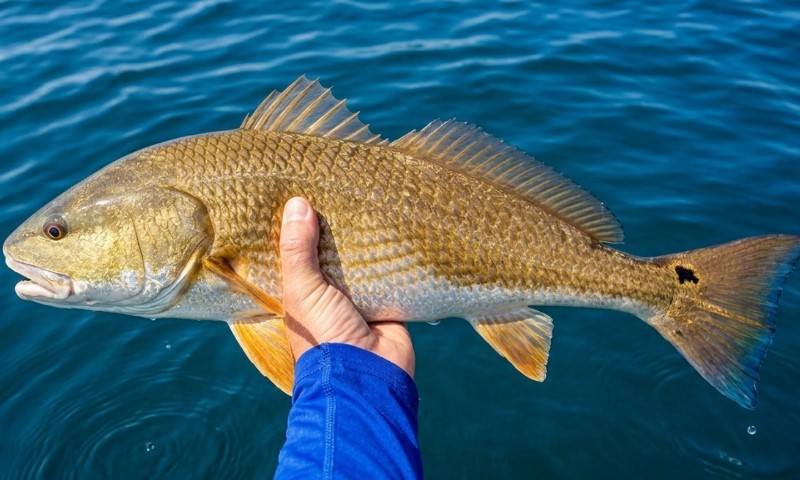
Catch-and-release ensures that the sport remains sustainable for the next generation. It allows older, larger fish—which are often the most vital for breeding—to continue their role in the population. Moreover, it prevents the unnecessary waste of resources. If you are not 100% sure you can store, clean, and cook a fish safely, let it go. There is no shame in a day of fishing that ends with zero fish in the cooler; the thrill of the fight is a prize in itself.
Final Advice for the Modern Angler
Before you head out, check your local Department of Natural Resources (DNR) website for current consumption advisories in your specific waterway. Water quality can change from one county to the next. Invest in a high-quality, insulated fish bag, carry a sharp, dedicated fillet knife, and learn the anatomy of your catch.
Ultimately, the best anglers are those who treat every trip as a learning experience. Whether you are targeting high-quality table fare or testing your mettle against a "trash fish," always prioritize your safety and the health of the local fishery. Happy paddling, and may your lines stay tight and your catch remain worth the effort.
About the Author: Adelaide Gentry is a seasoned kayaking enthusiast and expert, serving as the lead contributor for KayakPaddling.net. With over a decade of experience navigating diverse waterways, Adelaide combines her passion for adventure with a commitment to sustainable, ethical angling practices.