For decades, the piranha has been the undisputed villain of Hollywood cinema. Portrayed as ravenous, school-hunting monsters capable of stripping a human skeleton clean in seconds, these South American freshwater fish occupy a terrifying space in the global imagination. However, reality tells a far more mundane—and culinary—story. In the Amazon basin and across various South American river systems, the piranha is not a horror-movie antagonist; it is a staple protein, a reliable food source, and, for many, a delicious addition to the dinner table.
The Main Facts: Is Piranha Truly Edible?
The short answer is an emphatic yes. Piranha is safe, edible, and widely consumed by millions of people. It is a freshwater fish characterized by firm, white, lean meat. Because it is a predatory species that navigates turbulent, oxygen-rich river waters, its muscle structure is dense and high in protein.
While the "man-eater" reputation precedes them, the reality is that piranhas are diverse. Some species are primarily scavengers, while others subsist on a diet consisting partly of aquatic vegetation and seeds. When properly sourced, handled, and prepared, piranha offers a clean, mild flavor profile that rivals many common panfish found in North American or European waters.
Chronology: From River Predator to Culinary Staple
The consumption of piranha is not a recent trend born of social media "dare" culture; it is an ancient practice rooted in the indigenous traditions of the Amazon.
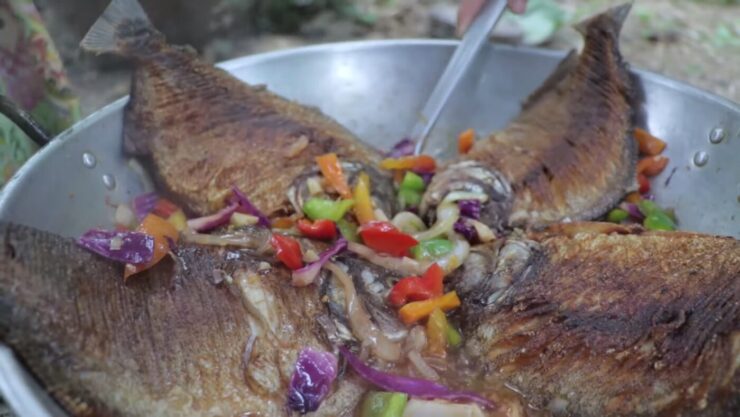
- Pre-Colonial Era: Indigenous tribes throughout the Amazon basin have harvested piranha for centuries using traditional nets, bows, and rudimentary traps. For these communities, the fish represented an accessible and reliable protein source.
- The 20th Century Rise of Global Awareness: As exploration of the Amazon increased, explorers and anthropologists brought back accounts of local diets. The contrast between the fish’s aggressive, toothy appearance and its status as a common meal created a fascination among Western travelers.
- Modern Tourism: Over the last three decades, eco-tourism in regions like Brazil, Peru, and Guyana has turned "piranha fishing" into a popular activity. Lodges now frequently feature the catch-and-cook experience as a marquee attraction for adventure-seeking travelers.
Supporting Data: Understanding the Nutritional and Structural Profile
When analyzing piranha as a food source, it is essential to look at the physical composition of the fish. Unlike salmon or trout, which are prized for their ease of filleting, the piranha presents a mechanical challenge for the chef.
The Texture and Bone Factor
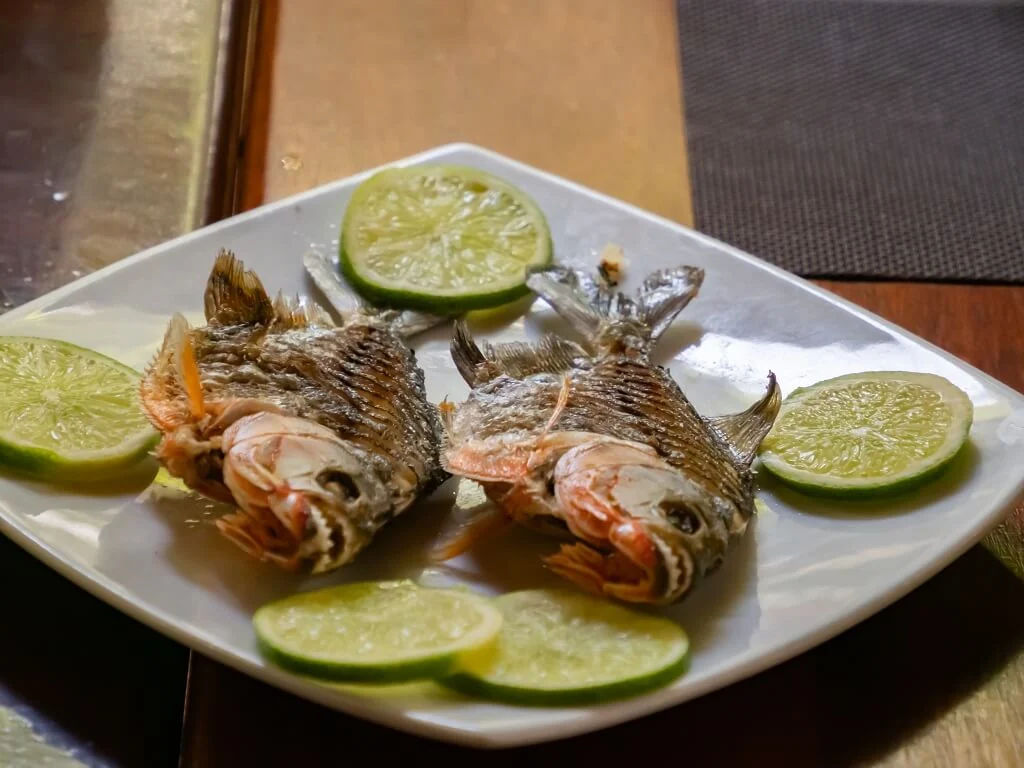
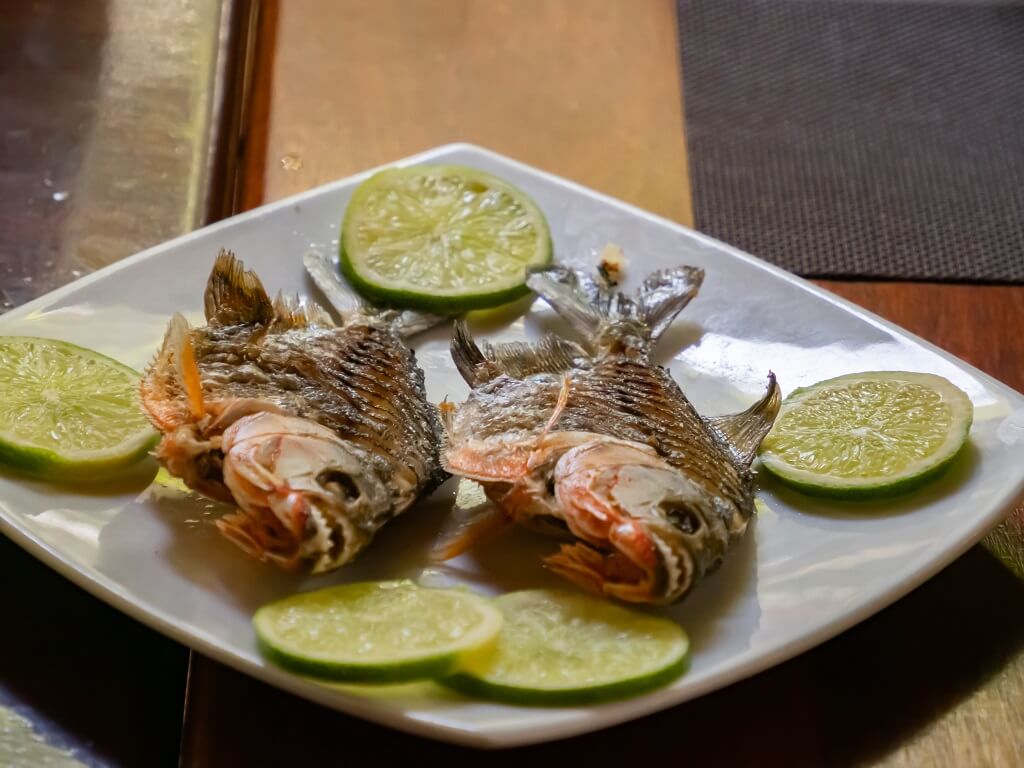
Piranha possesses a high bone count compared to many commercial fish. The skeletal structure is complex, which often makes traditional filleting a tedious task. Because of this, local culinary traditions almost exclusively favor cooking the fish whole. By frying or stewing the fish intact, the flesh can be pulled away from the bones more effectively, or the bones themselves can be rendered manageable by the cooking process.
Nutritional Composition (Typical Estimates)
- Protein: High, as is typical with active freshwater predatory fish.
- Fat Content: Low to moderate, depending on the season and the specific river conditions.
- Flavor Profile: Mild to moderately "fishy." The "muddy" taste often associated with some freshwater species is minimized when the fish is caught in moving, clean water rather than stagnant pools.
Cooking Methods and Their Benefits
| Method | Result | Best For |
|---|---|---|
| Frying | Crisp skin, delicate interior | Those new to the fish; masks bone annoyance. |
| Grilling | Smoky, charred exterior | Whole fish preparation with local herbs. |
| Soup | Deep, savory extraction | Utilizing the entire fish, including the head/bones. |
| Stewing | Tender, flavorful meat | Blending with acidic ingredients (lime/tomato). |
Official Responses and Food Safety Guidelines
While piranha is safe to eat, it is not immune to the standard risks associated with any wild-caught freshwater fish. Organizations such as the FDA and the EPA have established clear guidelines that apply to piranha consumption, even if the fish is not a native species in the United States.
Handling and Pathogen Control
The primary risk with piranha is not the fish’s teeth, but rather the potential for improper handling after the catch. FoodSafety.gov emphasizes that all fish should be cooked to an internal temperature of 145°F (63°C). At this temperature, the flesh becomes opaque and flakes easily with a fork, ensuring that any parasites or bacteria native to the river environment are neutralized.
Mercury and Environmental Advisories
Wild-caught fish from river systems can sometimes accumulate heavy metals. The EPA maintains strict advisories for local waterways. When traveling, it is imperative to ask local guides or health officials if there are active advisories for the river in question. Mercury bioaccumulation is a reality in many industrializing regions of South America, and moderation is key, especially for pregnant women and children.
The Myth of the Man-Eater: Debunking the Reputation
The reputation of the piranha is largely a construct of 20th-century media, perpetuated by films and sensationalized accounts from early explorers. Scientific sources, including Britannica, note that while piranhas possess sharp, triangular teeth designed for shearing, they are not the mindless, blood-crazed machines seen on screen.
Most "attacks" on humans are defensive. When a human wades into a river, they are, to the piranha, a giant, looming threat. Bites usually occur when a person attempts to unhook a caught fish with their bare hands, or when swimmers enter the water during the dry season, when food scarcity makes the fish more territorial and aggressive.
Handling Procedures for the Angler
For those who wish to catch and eat piranha, safety must begin the moment the fish is pulled from the water. The jaw pressure of even a small piranha is immense, and their teeth can cause deep lacerations.
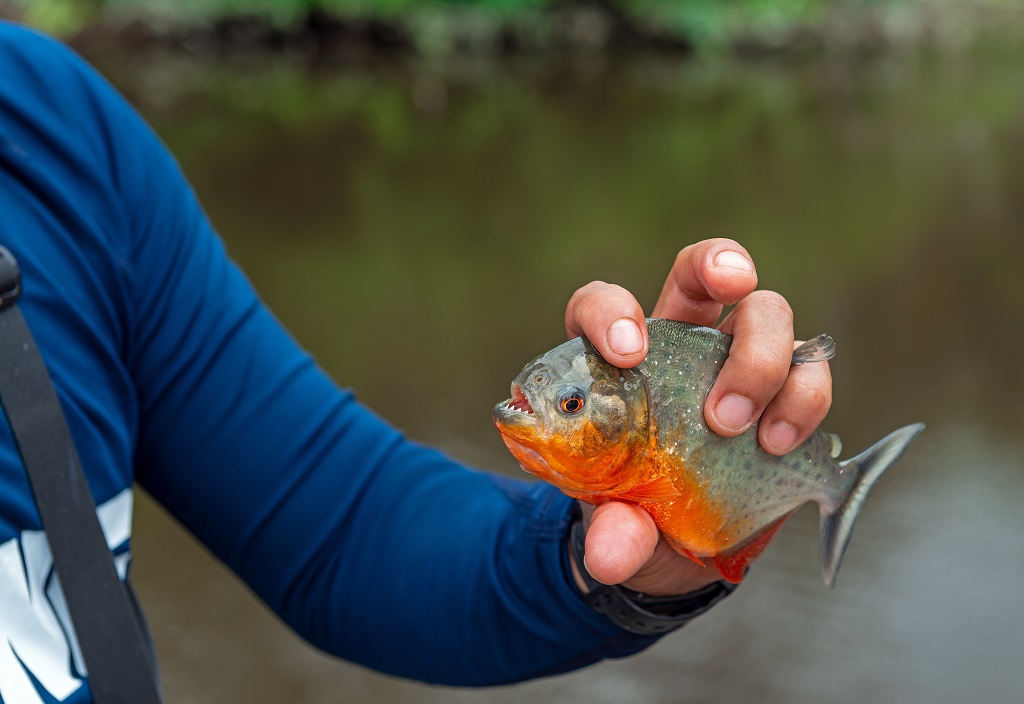
- Use Specialized Tools: Never use your fingers to remove a hook from a piranha’s mouth. Use long-nosed pliers or a dedicated hook remover.
- Controlled Landing: If fishing from a kayak or small boat, keep the fish contained in a net or a secure cooler immediately. A flopping, live piranha in the confined space of a kayak is a recipe for a trip to the local clinic.
- Kill and Clean Promptly: To ensure the highest quality of meat, the fish should be bled and cleaned immediately after being caught. This prevents the "muddy" or "off" flavors that can develop if the fish is left to sit.
Implications: The Ethics of Sourcing
The growing popularity of piranha as a "novelty" food has environmental implications. It is vital to distinguish between sustainable, local consumption and the potentially harmful exportation of exotic species.
In many parts of the world, it is illegal to import or possess live piranhas due to the risk of them becoming an invasive species. If a piranha were released into a non-native waterway, it could wreak havoc on local ecosystems. Therefore, the "ethical" way to eat piranha is to enjoy it only where it is native and where the local population consumes it as a part of their cultural diet. Supporting local, small-scale fishing operations in South America provides economic benefits to those communities and ensures the harvest is done within traditional, sustainable limits.
The Bottom Line: Culinary Adventure or Just Fish?
Piranha is a testament to how human perception can be divorced from reality. While the world sees a monster, the local chef sees a fresh, firm-fleshed, and flavorful ingredient perfect for a hearty soup or a crispy, fried lunch.
For the adventurous traveler, eating piranha is a rite of passage. It is a reminder that the natural world is often far less terrifying than our stories suggest. If you find yourself on the banks of an Amazonian tributary, leave your fear of the "monster" on the shore, grab a rod, and experience a fish that is as legitimate and tasty as any bass or snapper you might find at home. Just keep your fingers away from the teeth, respect the local river, and enjoy the meal as it was meant to be eaten: fresh, local, and without the Hollywood drama.