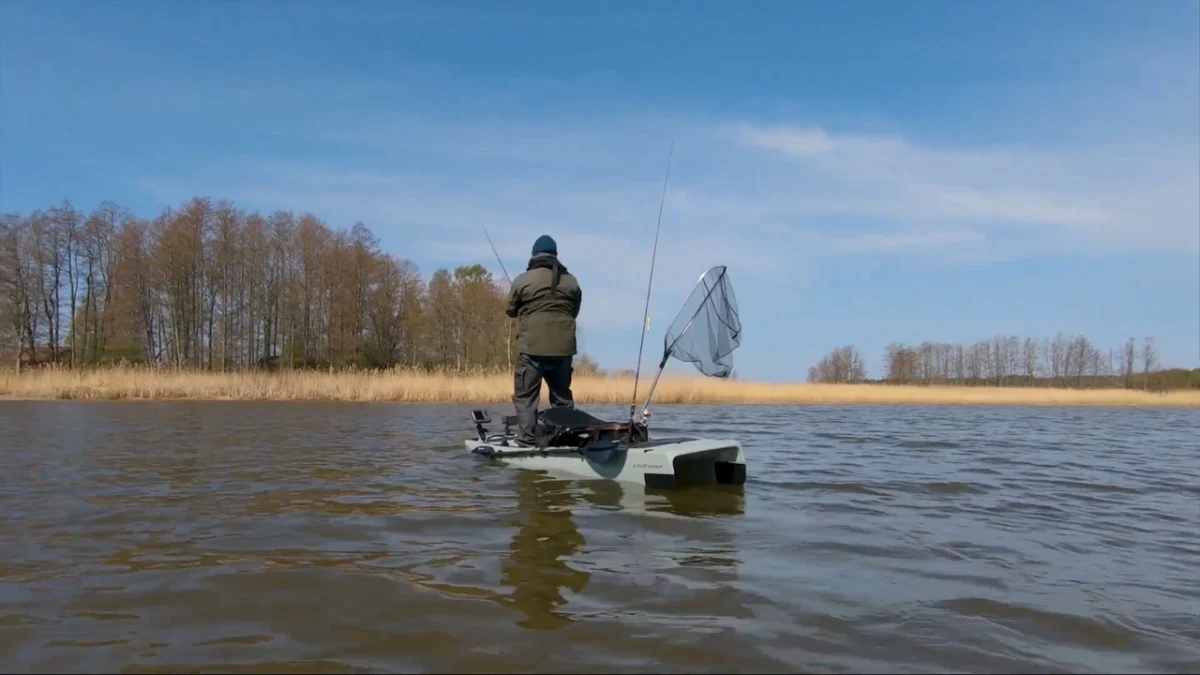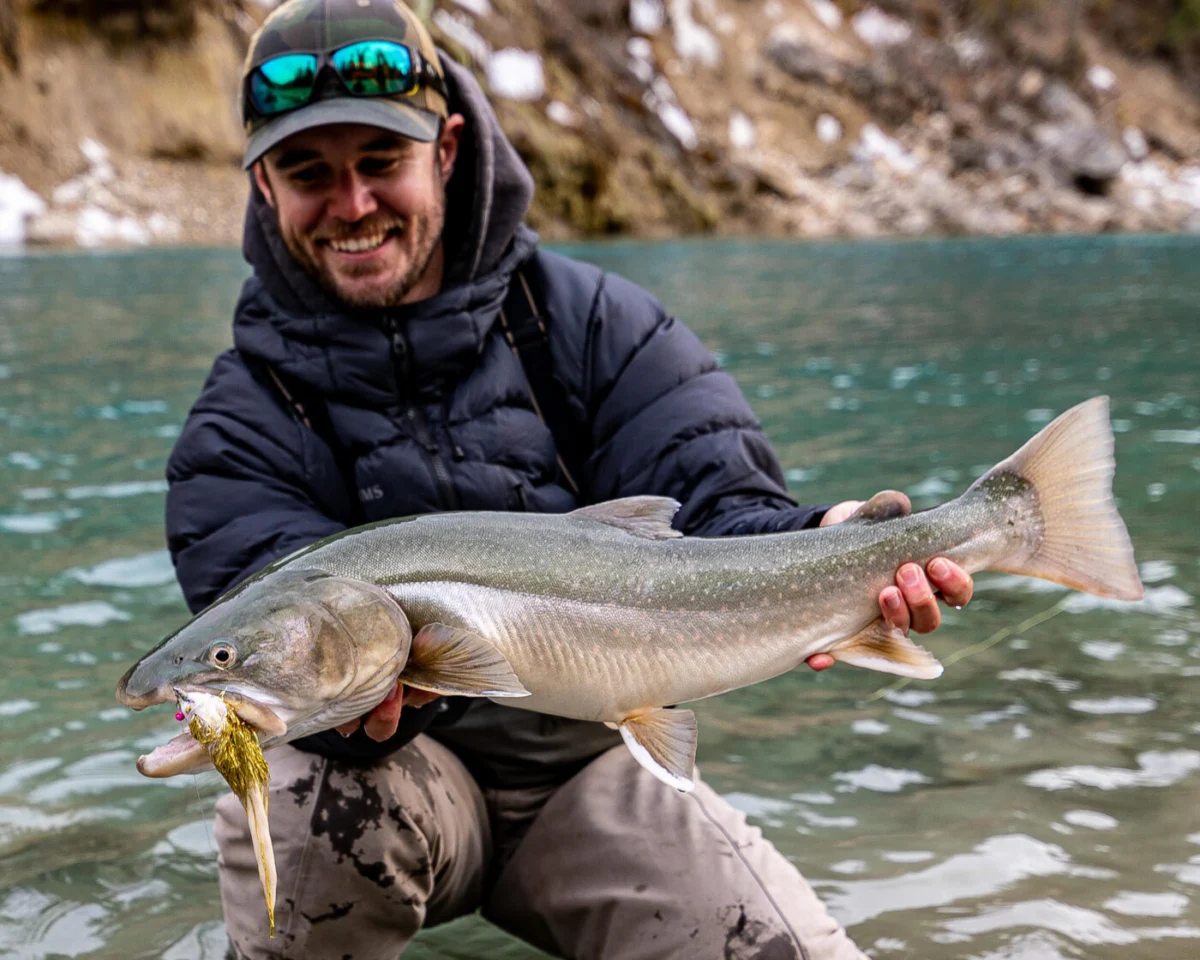
Pulling a trophy fish from the depths while balanced on a kayak is one of the most exhilarating experiences an angler can have. However, seasoned veterans know that the struggle—and the subsequent victory—is only half the battle. Not every fight ends in a feast, and for those who fish from a kayak, the decision to keep or release a catch involves a complex matrix of flavor profiles, environmental safety, and the logistical constraints of a small vessel.
While the "catch-and-eat" philosophy is a cornerstone of the angling lifestyle, experience often teaches the hard way that some fish are better off left in the drink. Whether it is due to a muddy, unpalatable flavor, an abundance of difficult-to-manage bones, or significant health risks associated with heavy metals and toxins, distinguishing between a gourmet prize and a "trash fish" is essential for both your dinner and your stomach.
The Three Camps of Unpopular Catches
Generally, the species that land on the "avoid" list for most anglers fall into three distinct categories. First, there are the "mudsuckers," primarily freshwater bottom-dwellers that absorb the characteristics of their murky environments. Second, there are the oily saltwater predators, which can develop a metallic, pungent flavor profile if not bled and iced immediately. Finally, there is the category of "trash fish"—species that, while edible, are so labor-intensive to clean or so prone to parasite infestation that they are rarely worth the effort for the average hobbyist.
Understanding the "why" behind these reputations is the first step toward becoming a more responsible and efficient angler. Today’s kayak anglers have access to better tools, portable cooling solutions, and handling techniques than ever before, yet safety must remain the primary guiding principle.
A Quick Ranking: The Most Frequently Criticized Species
Flavor is inherently subjective, but safety is an empirical reality. While anglers often judge a catch by the smell and texture of its meat, federal agencies like the FDA and EPA track the invisible dangers that lurk within these species.
| Rank | Fish Species | Main Taste Issue | Safety/Handling Worry |
|---|---|---|---|
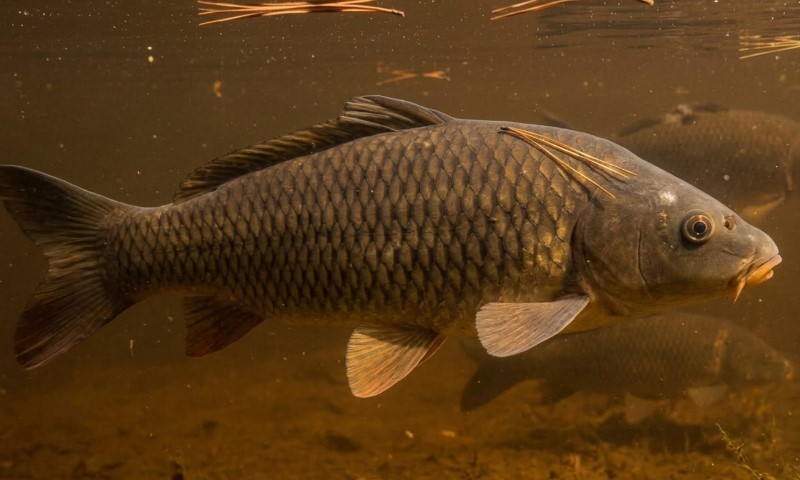
| 1 | Common Carp | Muddy, bony | Local contaminants |
| 2 | Bowfin | Mushy texture | Sharp teeth/handling |
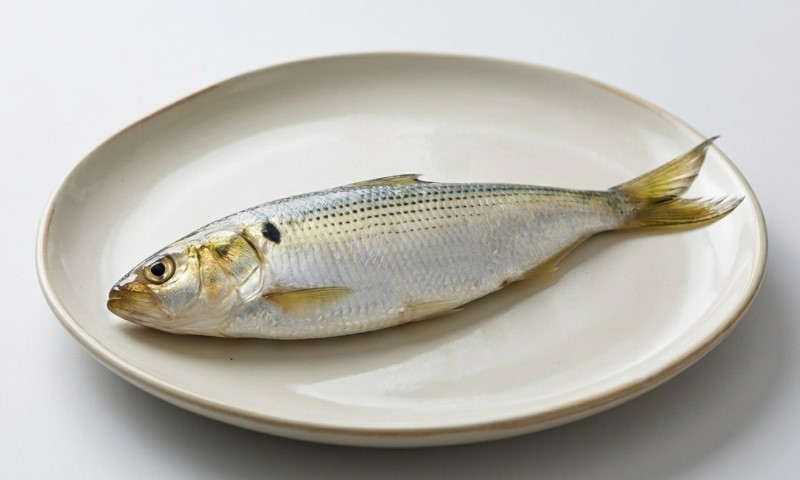
| 3 | Gizzard Shad | Oily, bony | Mostly for bait |
| 4 | Large Bluefish | Strong/fishy | Mercury/PCBs |
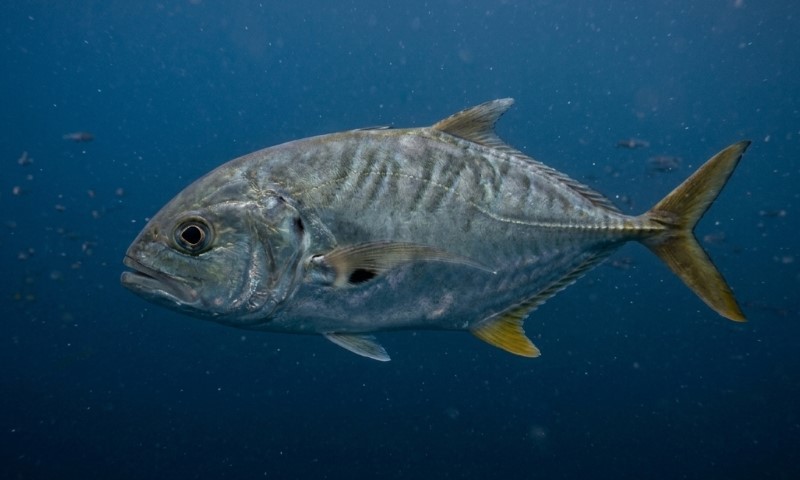
| 5 | Jack Crevalle | Metallic/bloody | High physical effort |
| 6 | Bigmouth Buffalo | Coarse/muddy | Advisory waters |
| 7 | Freshwater Drum | Divisive, rubbery | Mercury advisories |
| 8 | Large Black Drum | Wormy, coarse | Parasites |
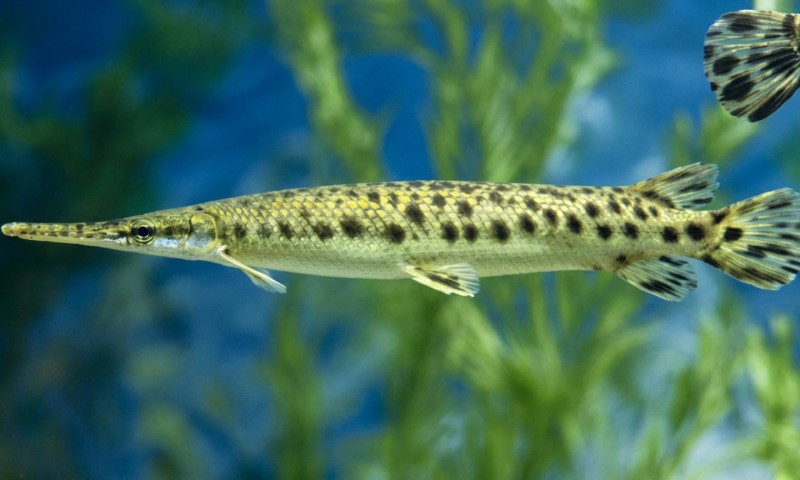
| 9 | Gar | Difficult to clean | Toxic roe |
| 10 | Barracuda | Variable flavor | Ciguatera toxin |
| 11 | Shark | Ammonia-like | Mercury/spoilage |
| 12 | King Mackerel | Strong, gamey | High mercury levels |
Official Responses and Regulatory Guidance
It is a critical rule of thumb for every angler to cross-reference their personal "taste list" with official health advisories. The FDA and EPA maintain a "Choice to Avoid" group, which specifically targets large, apex predators. These include species such as king mackerel, marlin, shark, and swordfish. Because these fish sit at the very top of the food chain, they accumulate higher concentrations of mercury through a process known as biomagnification.
Furthermore, the EPA emphasizes that water quality is localized. A fish species that is perfectly safe to consume in a pristine mountain lake may be subject to strict consumption advisories in a nearby industrial river due to chemical runoff. Always consult your local department of natural resources before planning a fish fry.
The Science of "Off" Flavors
When a fish tastes "off," it is rarely a mystery of nature. It usually boils down to diet, environment, or poor handling. The classic "muddy" flavor frequently reported in freshwater species is caused by a compound called geosmin. Research from the Technical University of Denmark (DTU Food) confirms that while geosmin is not harmful to human health, it is a potent organic compound produced by cyanobacteria and algae that can ruin a perfectly good fillet.
Detailed Analysis of Species and Challenges
1. The Common Carp: The Environmental Filter
Carp are the ultimate environmental reflectors. As bottom feeders, they soak up the chemical signatures of their surroundings. In stagnant, warm ponds, the meat can taste like the mud they sift through. Beyond the flavor, they present a complex "Y-bone" structure that makes them a nightmare for beginners to fillet. For the kayak angler, the "slime factor" is an added deterrent; they coat seats, pedals, and electronics in thick mucus that is notoriously difficult to clean.
2. Bowfin: The Prehistoric Mush
Bowfin possess unique enzymes in their flesh that begin to break down muscle fibers almost immediately upon death. Unless they are iced down instantly, the meat transforms into a soft, cotton-like texture. Furthermore, handling a thrashing bowfin in a confined cockpit is dangerous; their teeth can easily puncture dry bags or cause significant lacerations to the angler’s hands.
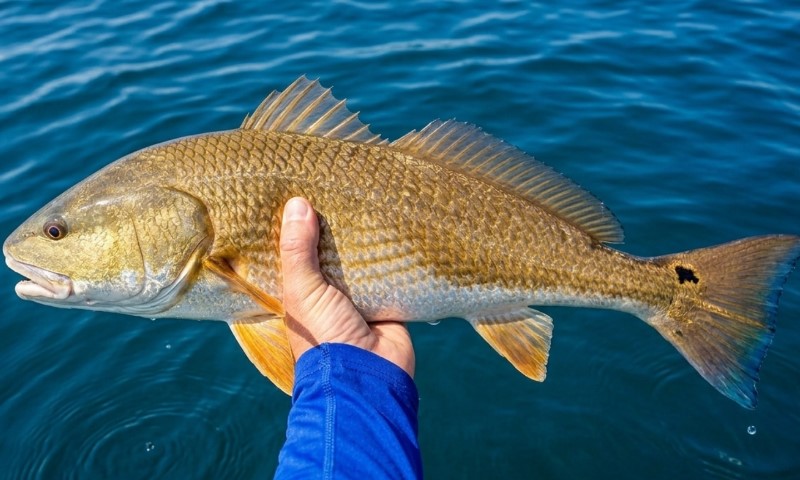
3. Large Bluefish: The Oily Fighter
Bluefish are aggressive predators with a rich, oily flavor profile. According to NOAA’s species profile, this high oil content requires specific processing: the fish must be bled immediately upon landing and the dark, lateral "blood line" must be trimmed during filleting. For a kayak angler, bleeding a large, thrashing fish creates a "crime scene" on the deck that attracts flies and odors, making it a logistical headache.
4. Barracuda: The Ciguatera Gamble
While barracuda can produce white, firm, and tasty fillets, they are the primary carriers of Ciguatera, a toxin produced by algae on coral reefs. As the CDC warns, this toxin is heat-stable, meaning no amount of cooking can neutralize it. Because it is a "gamble fish," many veteran anglers refuse to keep them, preferring to simply photograph the catch and release it safely.
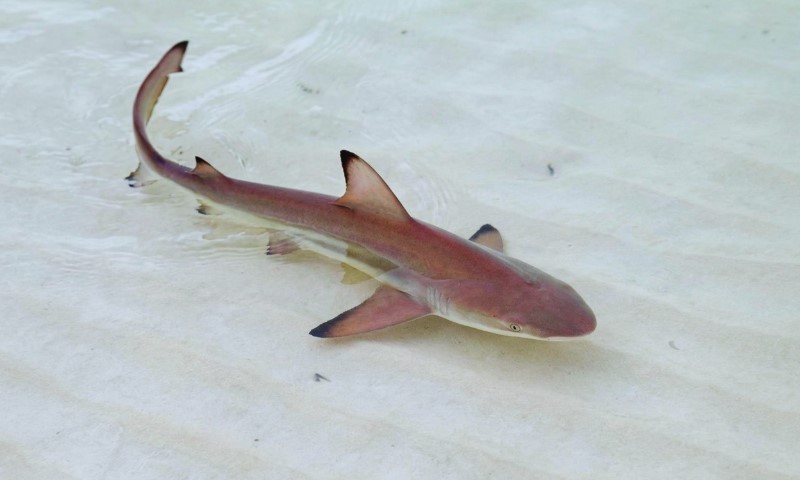
5. Shark: The Ammonia Problem
Sharks possess a unique physiological trait: they excrete urea through their skin to maintain osmotic balance. If not bled and processed immediately, the meat will take on a distinct, pungent ammonia smell. While a milk or lemon juice soak can sometimes mitigate this, their slow growth rates and high mercury levels make them a poor candidate for harvest compared to more sustainable, better-tasting options.
Implications for Kayak Stewardship
The bottom line for the modern kayak angler is one of respect for the resource. Ethical angling extends far beyond simply following state regulations; it involves understanding the long-term impact of our choices on the local ecosystem. When an angler chooses to keep a fish they are not prepared to handle—or one that is not suitable for the table—it represents a wasted life and a failure of stewardship.
Kayaks offer a level of intimacy with the water that larger powerboats cannot replicate. This connection should foster a sense of responsibility. If you are not equipped with a proper cooler, ice, and the skills to process a "difficult" fish, the most ethical choice is always catch-and-release. There is no shame in returning a fish to the water to ensure the population remains healthy for future generations of paddlers.
Conclusion: Knowing Your Limits
Being a successful angler is about more than just the size of the catch; it is about the quality of the experience and the sustainability of the hobby. As we continue to push the boundaries of where our kayaks can take us, we must also push ourselves to be more informed consumers of the aquatic environment.
Whether you are targeting elusive trophy species or simply looking for a reliable dinner, take the time to learn the specific nuances of your local fish. If you find yourself landing one of the "oddballs" mentioned in this guide, consider the time, effort, and safety risks involved before deciding to harvest. When in doubt, release it, record the moment, and enjoy the peace of mind that comes with knowing you have acted as a true steward of the water. Happy paddling, and may your next line be tight and your catch be worthy of the table.