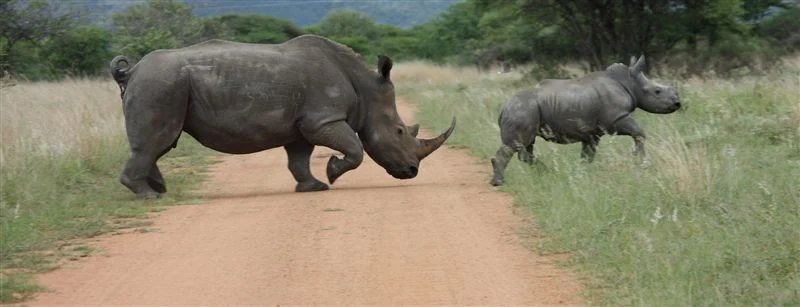
For decades, the Northern Circuit of Tanzania—home to the Serengeti’s Great Migration and the iconic Ngorongoro Crater—has dominated the global safari narrative. Yet, a shift is occurring in the world of high-end, responsible travel. Discerning adventurers, conservationists, and wildlife photographers are increasingly turning their gaze toward Tanzania’s "Southern Circuit," a rugged, less-trafficked, and profoundly authentic wilderness that represents the pinnacle of modern ecotourism.
As global tourism seeks to move away from over-crowded hotspots, the Southern Circuit offers a sanctuary of raw, untouched beauty. From the expansive plains of Nyerere National Park (formerly Selous) to the dramatic biodiversity of the Udzungwa Mountains, this region provides an intimate encounter with nature that is increasingly rare in the 21st century.
The Southern Circuit: A Sanctuary for the Ecotourist
The Southern Circuit is defined by its scale and its spirit. Unlike the more commercialized northern regions, the south is vast, wild, and quiet.
Key Destinations Shaping the Circuit:
- Nyerere National Park (Selous): Spanning a massive area, this is one of Africa’s largest protected areas. It is a haven for elephant populations and the elusive African wild dog, offering a pristine ecosystem that remains largely unchanged by human interference.
- Ruaha National Park: Known for its dramatic river landscapes and high density of lions, Ruaha is the ultimate "big game" destination for those who prefer their safaris without the presence of dozens of other vehicles.
- Mikumi National Park: Often described as a "mini-Serengeti," Mikumi is highly accessible and provides a stunning introduction to the diversity of the southern ecosystem.
- Udzungwa Mountains: A biodiversity hotspot, this is the premier destination for hikers and trekkers. Its lush rainforests are home to endemic primate species and offer some of the most rewarding ecotourism hikes in East Africa.
- The TAZARA Railway Route: Beyond the parks, the journey itself—often via the iconic TAZARA railway—provides a scenic and low-carbon footprint method of traversing the country, grounding the safari experience in the local geography and culture.
Chronology of a Sustainable Journey: The 10-Day Safari Model
To maximize the impact of a visit, industry experts recommend a minimum of 10 days. This duration allows travelers to move at a "slow travel" pace, which is the cornerstone of responsible tourism.
- Days 1–3: The Arrival and Immersion. Starting in Dar es Salaam, travelers transition into the rhythms of the Tanzanian wilderness, heading toward Mikumi for an initial safari experience that acclimates the visitor to the landscape.
- Days 4–7: Deep Wilderness Exploration. These days are spent in the heart of Nyerere or Ruaha. By staying in eco-lodges that utilize solar energy and support local anti-poaching initiatives, visitors directly contribute to the preservation of the land.
- Days 8–10: The Highland Finale. The trip concludes with a trek in the Udzungwa Mountains or a cultural immersion in the surrounding communities, ensuring that the economic benefits of the safari are distributed among local stakeholders.
Supporting Data: Why "Southern" Means "Smart"
The economic argument for the Southern Circuit is as compelling as the environmental one. Because the region is less frequented, the cost of luxury eco-lodges is often significantly lower than the premium prices found in the Serengeti or Ngorongoro.
According to data from destination management companies like Kilimanjaro Tanzanite Safaris, a 10-day itinerary in the south can offer a superior "per-dollar" experience. Travelers get longer game drives, more personalized attention from guides, and a deeper sense of exclusivity. Furthermore, the "combo-package" trend—which pairs the Southern Circuit’s serenity with the Northern Circuit’s world-famous wildlife spectacles—is seeing a 15% year-on-year growth, indicating that travelers are looking for a comprehensive Tanzanian experience that balances the "must-see" sites with the "off-the-beaten-path" treasures.
Official Perspectives: The Role of the Tour Operator
In the modern landscape, a tour operator is no longer just a transport provider; they are a guardian of the ecosystem. Kilimanjaro Tanzanite Safaris, a leader in the region, emphasizes the necessity of "genuine responsible travel."
"A safari is not just a holiday; it is an interaction with a living, breathing system," says a representative from the firm. "We prioritize the use of modern, low-emission 4×4 Toyota Landcruisers. Whether it is a pop-up roof or an open-roof configuration, the vehicle is the primary interface between the guest and the wild. By keeping our fleet updated and ensuring our guides are trained in conservation ethics, we ensure that the impact of a 10-day trip is net-positive for the environment."
For photographers and filmmakers, the requirements are even more rigorous. Professionals require specialized vehicles that provide stability and visibility. The shift toward custom-built, high-clearance, and high-visibility vehicles has allowed for a new generation of wildlife documentaries to emerge from the Southern Circuit, further putting these lesser-known parks on the global map.
Beyond the Safari: The Kilimanjaro Connection
While the Southern Circuit defines the safari experience, no discussion of Tanzanian ecotourism is complete without addressing the crown jewel: Mount Kilimanjaro.
The integration of Kilimanjaro trekking into an ecotourism itinerary requires careful planning. Unlike a standard safari, a climb is a test of physical and mental endurance. Industry standards now dictate that bookings must be arranged with a focus on:
- Acclimatization Protocols: Prioritizing safety over speed.
- Trail Selection: Choosing routes like Lemosho or Shira, which offer less foot traffic and higher ecological integrity compared to the more crowded Marangu or Machame routes.
- Local Support: Ensuring fair wages and ethical treatment for the porters and guides who make the trek possible.
Implications: The Shift Toward Regenerative Travel
What does this mean for the future of travel? The rise of the Southern Circuit is a microcosm of a larger global movement: Regenerative Travel.
Travelers are no longer satisfied with being "neutral." They want their presence to improve the destination. By choosing the Southern Circuit, visitors:
- Reduce Pressure on Over-Visited Sites: Spreading tourism revenue across a wider geographical area prevents the degradation of the Northern Circuit’s most fragile environments.
- Empower Local Economies: Tourism dollars in the south often go toward smaller, community-led projects that rely on direct visitor engagement.
- Encourage Biodiversity Conservation: When wilderness areas like Ruaha prove to be economically viable through tourism, the incentive for local governments to protect those lands from mining or industrial development increases.
A Call to Action for the Conscious Traveler
For those planning their next African adventure, the message is clear: The Southern Circuit offers a depth of experience that is becoming impossible to find elsewhere. It requires more preparation, perhaps a bit more patience, and a willingness to step away from the beaten track. However, the reward is an untainted glimpse of the natural world, preserved through the very act of visiting it responsibly.
Whether you are a photographer looking for the perfect shot of a wild dog pack, a hiker seeking the misty heights of the Udzungwa mountains, or a family looking to experience the raw magic of an African sunset, the Southern Circuit of Tanzania is your gateway to a more meaningful journey.
As you plan your trip, consider the duration, the ethical standards of your chosen tour operator, and the environmental impact of your travel. Tanzania is waiting—not just to be seen, but to be understood.
For more information on planning your Tanzanian safari, including packing lists, route comparisons for Kilimanjaro, and booking tips for your photographic adventure, consult with accredited destination management companies that specialize in sustainable and responsible tourism.