Introduction: A New Paradigm for Sustainable Development
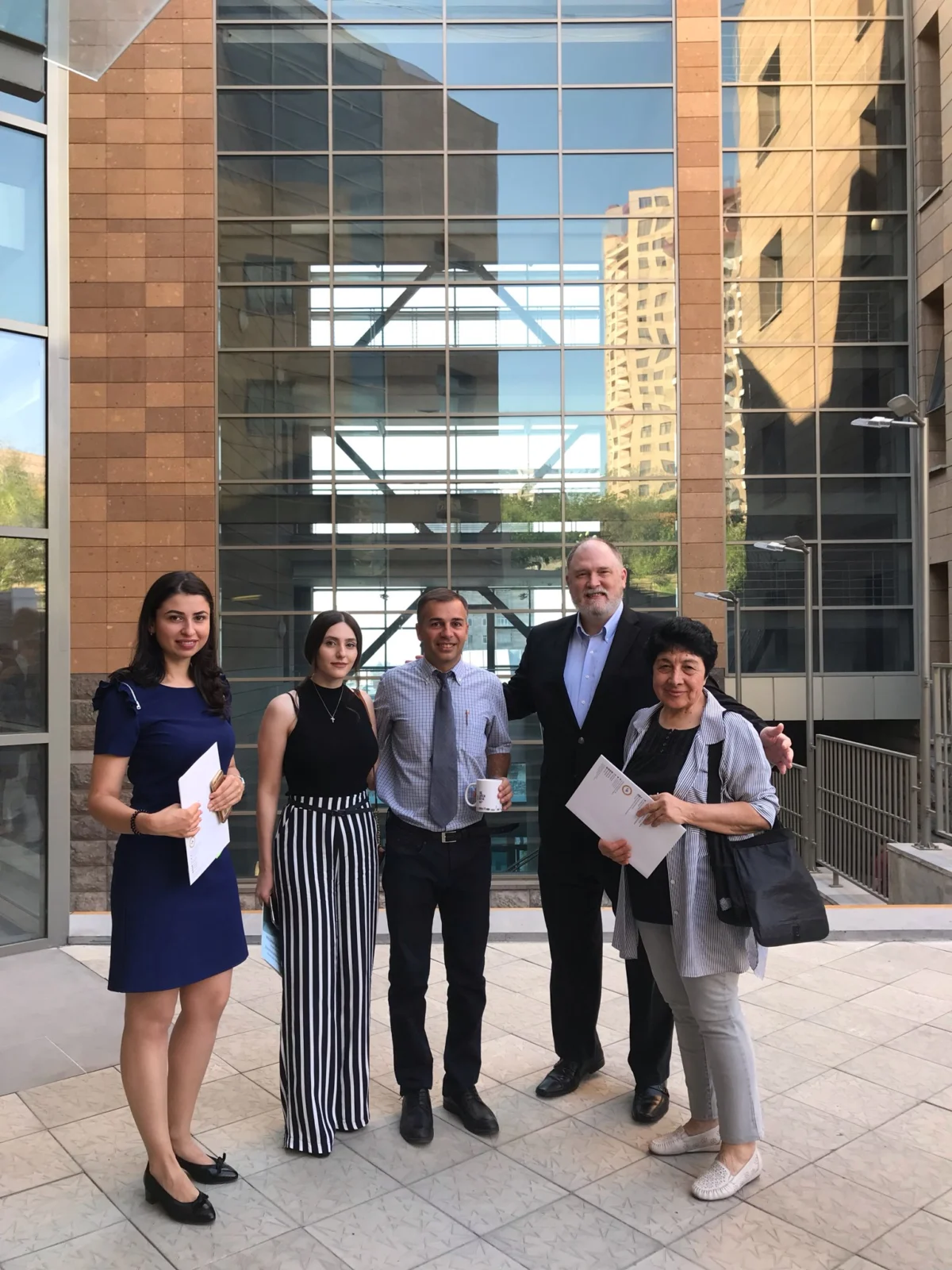
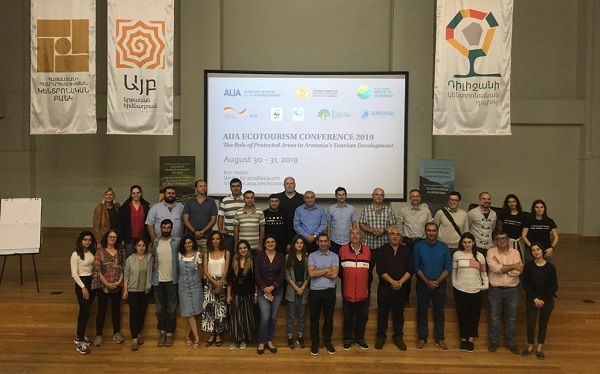
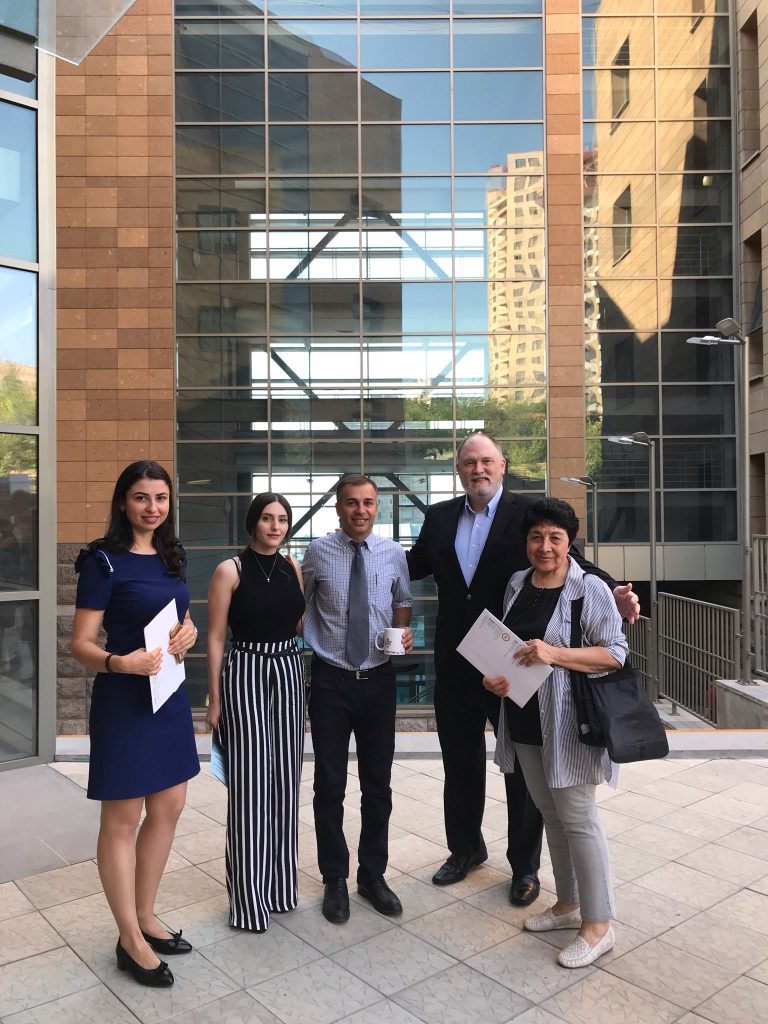
On August 30–31, the academic and environmental heart of Armenia beat in sync with the global movement for sustainable travel. The fourth annual AUA Ecotourism Conference, organized by the American University of Armenia (AUA) Acopian Center for the Environment, brought together a diverse cohort of policymakers, international experts, tour operators, and conservationists.
In partnership with the Ministry of Economy’s Tourism Committee, the Ministry of Environment, WWF Armenia, and the Transboundary Joint Secretariat—funded by the German KfW development bank—the event served as a critical platform to redefine the relationship between protected areas and the national economy. As global travel trends shift toward deeper, more conscious engagement with nature, the conference underscored a fundamental truth: protected areas are not just biodiversity havens; they are engines of regional economic growth.
The Strategic Importance of Protected Areas
For decades, the discourse surrounding protected areas (PAs) was confined to conservation biology. However, as Dr. Thiago Souza of the IUCN Commission on Protected Areas’ Tourism Specialists Group articulated, the narrative is shifting toward a robust economic model.
Challenging the “Entrance Fee” Fallacy
One of the most persistent hurdles in state funding for conservation is a limited understanding of fiscal returns. Dr. Souza noted that many government officials view protected areas through a narrow lens: they compare the annual operating budget against the revenue generated by entrance fees. In many nations, this calculation creates a perception of "loss," as maintenance costs often dwarf gate receipts.
"In Brazil, for instance, budgets can be nine times greater than the fees collected," Dr. Souza explained. However, when an economic lens is applied—accounting for visitor spending on lodging, food, local transport, and the resulting tax multiplier effects—the fiscal reality changes dramatically.
The Economic Multiplier Effect
Data presented at the conference highlighted that for every dollar invested in protected area infrastructure, the return to the national economy is substantial. In Brazil, that ratio is 1:15, while European models consistently show that every euro invested in protected area infrastructure generates between seven and ten euros in GDP activity.
Global data reinforces this: a seminal 2015 study by Balmford et al. estimated that there are 8 billion visits to protected areas worldwide annually, fueling roughly US $600 billion in direct in-country expenditures. For a nation like Armenia, which possesses unique landscapes and cultural heritage, these figures represent a clear roadmap for diversifying the national economy.
Global Trends: Why Ecotourism is the Future
Jon Bruno, Executive Director of The International Ecotourism Society (TIES), provided a sweeping overview of the industry’s trajectory. Over the past 30 years, ecotourism has transitioned from a niche hobby to a fundamental pillar of the global economy.
The Shift in Consumer Behavior
"Over 90 nations now have an ecotourism or sustainable tourism initiative at a national or regional level," Mr. Bruno noted. This rapid institutionalization is driven by a fundamental shift in traveler psychology. Modern tourists, particularly the younger demographic, are prioritizing sustainability. Statistics shared at the conference indicate that 70% of travelers under the age of 30 identify sustainable travel as a top priority.
This is not merely a preference; it is a willingness to pay. As tourists become more aware of the environmental impact of their travel, they are increasingly seeking out destinations that demonstrate a commitment to conservation. For Armenia, this presents an urgent opportunity to align its tourism offerings with these global expectations, ensuring that local communities are the primary beneficiaries of this influx.
Strengthening the Framework: The EUROPARC Connection
A major highlight of the conference was the engagement with the EUROPARC Federation, a network representing Europe’s natural and cultural heritage. With over 380 members across 37 countries, EUROPARC provides the governance structures necessary to prevent the pitfalls of "over-tourism."
The European Charter for Sustainable Tourism
Carol Richie, Executive Director of the EUROPARC Federation, warned against the dangers of unregulated growth. "Poorly managed tourism allows societal tensions to persist, weakens local communities’ connection to their heritage, and can cause irreparable damage to nature," she cautioned.
To mitigate these risks, the Federation promotes the European Charter for Sustainable Tourism in Protected Areas. This certification is not a passive award but a rigorous commitment to a multi-stakeholder process. Paulo Castro, a council member of the Federation, emphasized the complexity of the chartering process: "It’s not a fast process. You have to be patient and committed to a long-term, multi-stakeholder strategy."
Applicants must establish permanent forums for participation, ensuring that protected area management, government agencies, and local tourism businesses are in constant, transparent dialogue. This structure ensures that tourism products are authentically rooted in local resources, preventing the "cookie-cutter" tourism that often strips a region of its character.
Chronology and Key Discussions
The two-day event was structured to facilitate both high-level policy debate and practical field observation:
- Day 1: Policy and Economic Foundations: The morning sessions focused on the economic analysis of protected areas, featuring keynote addresses from the IUCN and TIES. The afternoon was dedicated to panel discussions on the gaps in Armenia’s current sustainable tourism strategy.
- Day 2: Field Experience and Implementation: The second day transitioned from theory to practice. Participants visited the Dilijan Tourism Information Center, the Dilijan National Park Tourism Visitor Center, and the Caucasian Red Deer Reintroduction Center. These site visits provided a tangible look at Armenia’s current infrastructure, allowing experts to offer on-the-ground feedback regarding signage, visitor experience, and habitat protection.
The six panel discussions held throughout the conference served as a "diagnostic" of the Armenian landscape. By bringing together government officials, researchers, and NGOs, the conference successfully mapped the current advantages—such as the nation’s rich biodiversity—against the systemic gaps in infrastructure and policy coordination.
Implications for Armenia
The success of the fourth annual AUA Ecotourism Conference signals a turning point for the Republic of Armenia. The Ministry of Environment has already signaled its intent to utilize the conference findings to develop a comprehensive growth strategy for ecotourism.
Policy Recommendations
The implications of the conference for Armenia are three-fold:
- Data-Driven Investment: Armenia must transition from viewing protected areas as budget drains to viewing them as economic catalysts. Future budget allocations should be evaluated based on the broader regional economic impacts.
- Institutional Membership: By pursuing membership in organizations like the EUROPARC Federation, Armenia can plug into a vast network of expertise, ensuring that its protected areas meet international standards of management.
- Community Empowerment: The conference emphasized that sustainable tourism is only sustainable if it lifts local communities. Ecotourism offers the highest return on investment for rural areas, providing a viable alternative to extractive industries.
Conclusion: A Sustainable Horizon
The 4th AUA Ecotourism Conference was more than a series of presentations; it was a call to action. As the world recovers from a period of global travel volatility, the demand for nature-based, ethical tourism is higher than ever. Armenia stands at a precipice: by investing in its natural heritage with the scientific and economic rigor discussed at this conference, the nation can secure a prosperous, sustainable future that protects its landscapes while enriching its citizens.
The AUA Acopian Center for the Environment, through this event, has provided the intellectual scaffolding for this transformation. As initiatives move from the conference room to the field, the success of these programs will depend on the continued partnership between the state, the private sector, and the global community of sustainable tourism advocates.
For those interested in collaborating with The International Ecotourism Society on future seminars or events, please contact them at [email protected].