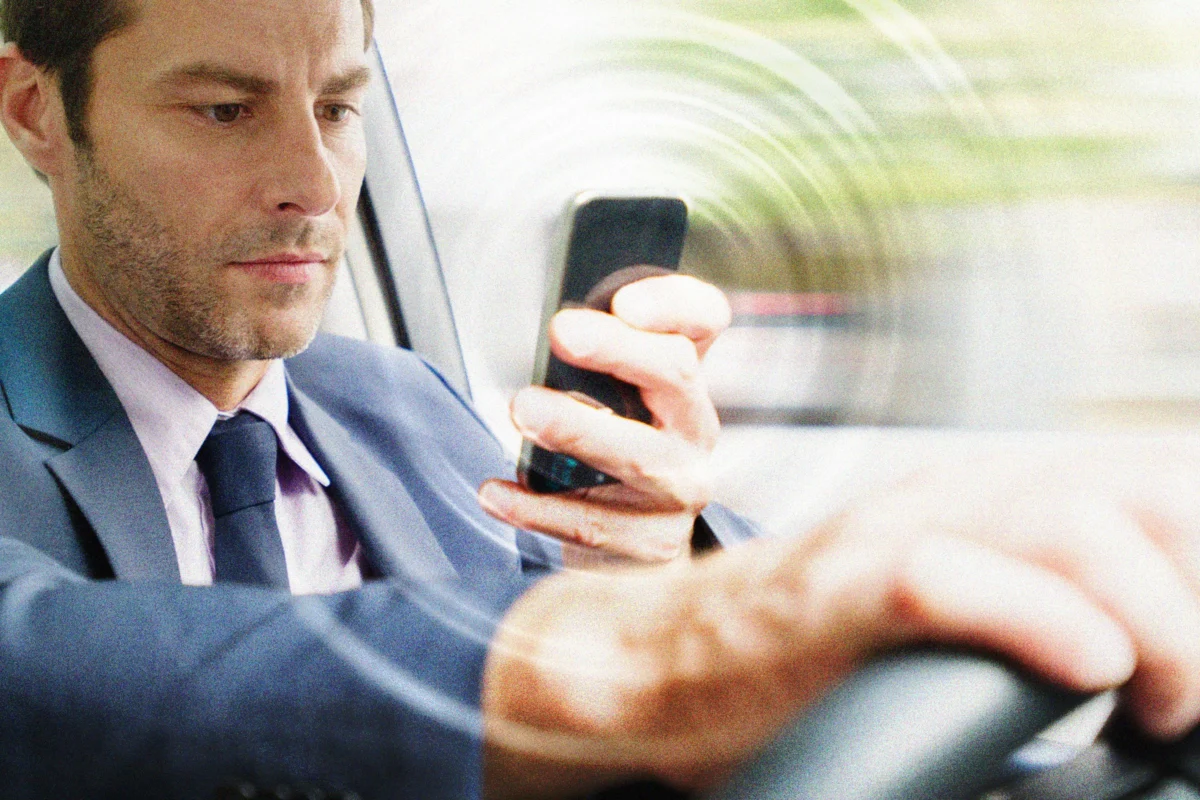
In an era defined by the "attention economy," the device in your pocket has become a sophisticated instrument of distraction. From the infinite scroll of Instagram to the dopamine-fueled rabbit holes of Reddit, our smartphones are engineered to keep us engaged, often at the expense of our productivity, sleep, and mental well-being.
For many, the solution has been sought in hardware. Products like "Brick"—a $59 physical device that forces users to tap their phone against a physical object to unlock specific apps—have gained traction by promising a tangible barrier between the user and their digital vices. However, as the market for "digital minimalism" grows, tech-savvy users are discovering that the secret to focus isn’t a premium-priced piece of plastic; it is a simple, readily available technology called Near Field Communication (NFC).
The Mechanics of Distraction: Why Physical Barriers Work
The human brain is susceptible to the path of least resistance. When a distracting app is only a thumb-swipe away, the cognitive effort required to resist opening it is significant. This is the premise behind the "friction" philosophy: by increasing the effort required to engage in a bad habit, you decrease the likelihood of performing that habit impulsively.
A physical barrier, such as a dedicated NFC tag placed in a different room, forces a "circuit break." To access the forbidden app, the user must physically get up, locate the tag, and tap their phone. This 30-second window is often enough to disrupt the subconscious urge to "doomscroll," providing the user with a moment of conscious reflection. While proprietary devices offer a "plug-and-play" experience, the underlying technology is essentially a universal standard found in credit cards, transit passes, and modern smartphones.
Chronology: From Specialized Hardware to Open-Source Liberation
The rise of the distraction-blocking movement can be traced back to the growing collective awareness of smartphone addiction.
- Early 2020s: As screen time statistics surged globally, wellness advocates began proposing "digital detox" strategies.
- 2023: The market saw the emergence of dedicated hardware solutions like Brick, which successfully gamified the act of locking one’s own phone.
- Late 2024: Open-source developers, recognizing the high barrier to entry for $60 hardware, began releasing applications that leveraged native NFC and QR code functionality.
- Present Day: Users are now shifting away from proprietary ecosystems, favoring free, privacy-focused apps like Foqos and Switchly that offer greater customization without the recurring costs or reliance on third-party hardware.
Supporting Data: The Efficiency of Friction
Research in behavioral economics suggests that "choice architecture" is the most effective way to modify behavior. A study on digital habits indicates that users who implement a "physical hurdle" to access social media are 40% less likely to engage in "mindless checking" within the first hour of their day.

Furthermore, the hardware-free approach is significantly more cost-effective. A blank NFC chip can be purchased for less than $1.00. When combined with free software, the total cost of a professional-grade distraction-blocking system is roughly 98% lower than commercial alternatives. This democratization of tools ensures that users of all socioeconomic backgrounds can regain control over their digital environments.
Official Perspectives: The Philosophy of the Developers
The rise of apps like Foqos and Switchly represents a shift in how developers view their role in user well-being. Unlike social media giants, whose business models rely on increasing time-on-app, these developers are building tools that explicitly discourage their own usage.
Foqos: The iOS Gold Standard
Ali Waseem, the Canadian developer behind Foqos, designed the app with a philosophy of radical transparency. By making the app open-source, Waseem ensures that the user is never locked into a subscription model or a proprietary ecosystem.
"The goal," Waseem notes, "is to remove the temptation, not just monitor it." Foqos succeeds because it prevents users from deleting the app to bypass a block—a common flaw in less sophisticated screen-time tools. By integrating with system-level restrictions, it ensures that once a block is initiated, it stays initiated until the physical trigger (the NFC tag or QR code) is scanned again.
Switchly: The Android Powerhouse
Saltyy, the Vienna-based developer of Switchly, emphasizes the flexibility required for the diverse Android ecosystem. Because Android allows for deeper system-level integrations, Switchly offers granular controls that go beyond simple app blocking. From blocking specific URLs to triggering locks based on Bluetooth proximity or Wi-Fi networks, the app caters to users who need a more complex, automated approach to their digital hygiene.
Implications: The Future of Digital Autonomy
The transition from purchasing "distraction-blocking hardware" to using open-source software and universal NFC tags has profound implications for the future of the tech industry.

1. The Decline of "Solutionism"
There is a growing skepticism toward "tech solutionism"—the idea that every problem can be solved by buying a new, specialized product. The success of free apps proves that consumers are becoming more tech-literate. They are realizing that they do not need to buy a specific "Brick" to achieve a result that their own phone is already capable of executing with the right software.
2. Privacy as a Primary Feature
Commercial hardware often requires users to connect to a cloud service, raising concerns about data harvesting. In contrast, tools like Foqos operate locally. By keeping the app’s blocking logs and settings entirely on the device, developers are setting a new standard for privacy in the productivity space.
3. Empowerment Over Restriction
The ultimate goal of these tools is not to make the phone unusable, but to make the user intentional. Whether you are using a $1 NFC tag taped to a kitchen cabinet or a printed QR code hidden in a desk drawer, the implication is clear: the user is the master of the machine, not the other way around.
How to Implement Your Own System
If you are ready to reclaim your time, the process is straightforward:
- Identify the Trigger: Determine which apps are your biggest time-sinks.
- Choose Your Tool:
- For iPhone users: Download Foqos. Purchase a pack of NTAG215 chips (widely available on sites like Amazon for a few dollars) or simply print a QR code from a free generator.
- For Android users: Download Switchly. Configure your profiles through the setup wizard.
- Place the Trigger Strategically: Place your NFC tag or QR code in a location that requires effort to reach. If you are struggling with bedtime scrolling, keep the trigger in the kitchen or a home office—anywhere other than your nightstand.
- Set the Boundaries: Use the app to lock specific apps during work hours or personal time.
Conclusion
The "distraction epidemic" is not a failure of character, but a triumph of modern engineering. By acknowledging that we are fighting against some of the most sophisticated algorithms in history, we can stop blaming ourselves and start using the tools at our disposal to create meaningful barriers.
You do not need a $59 gadget to regain your focus. You need a bit of intention, a cheap NFC tag, and the realization that your phone is a tool that should serve you—not one that should own your attention. As the digital landscape continues to evolve, the most successful users will be those who learn to build their own fences, keeping the noise out and the focus in.