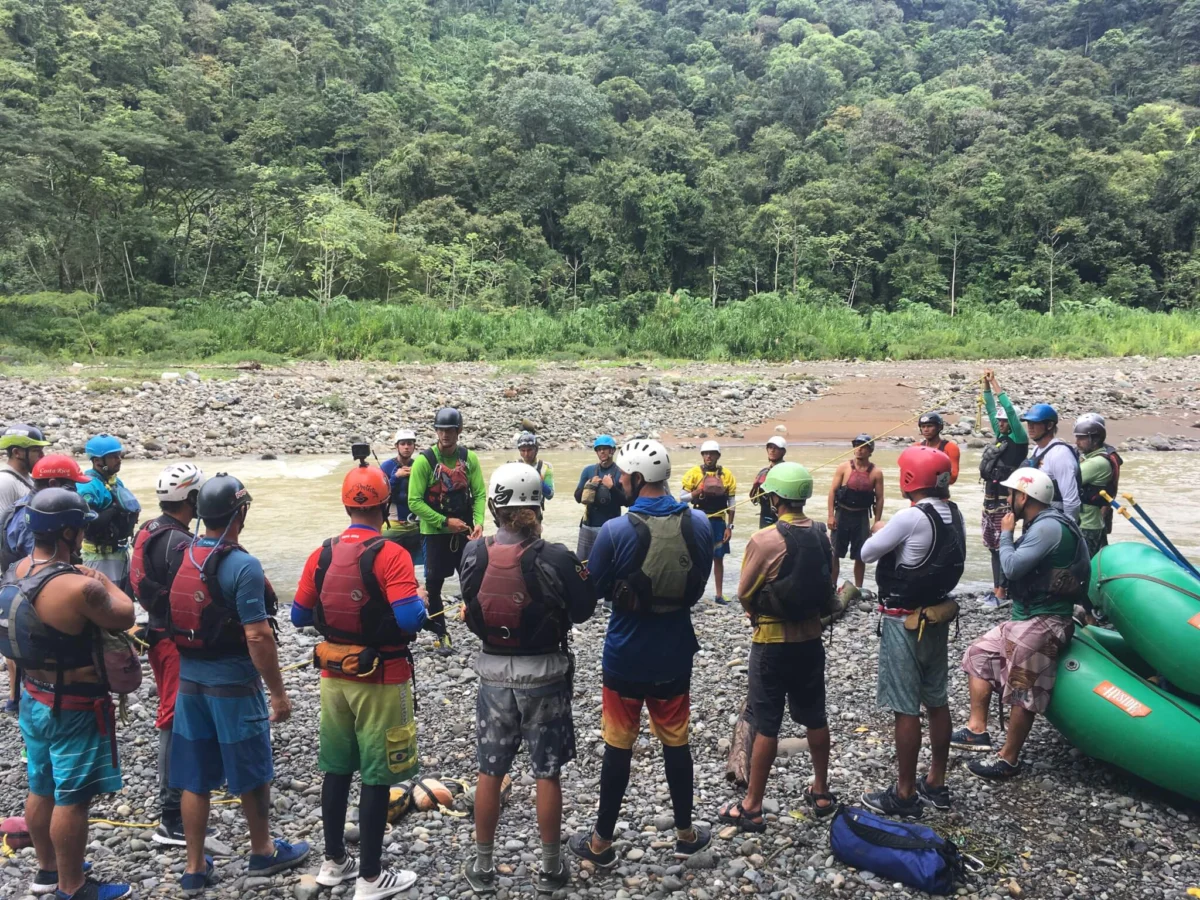
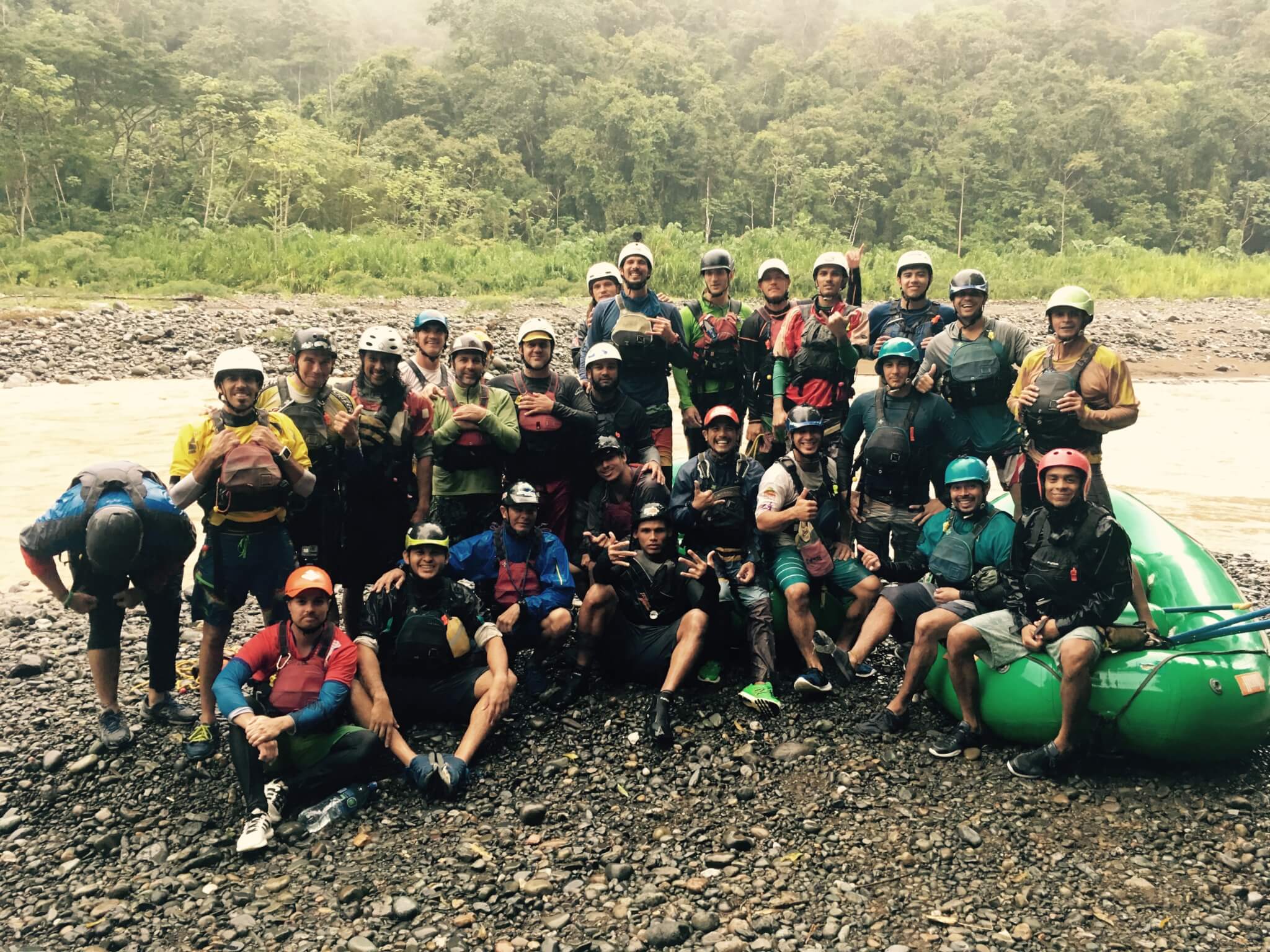
In the world of whitewater rafting, the line between a thrill-filled excursion and a life-threatening emergency can be as thin as a river current. Recently, instructors from the Whitewater Rescue Institute, including Paul Heffernan, traveled to the lush landscapes of Costa Rica to conduct an intensive five-day swiftwater rescue training program. The initiative brought together 50 professional rafting guides to sharpen their emergency response capabilities, bridge communication gaps, and reinforce the safety culture that defines the river guiding profession.
Main Facts: The Mission and the Participants
The training program was designed to address the unique challenges faced by guides operating in remote tropical environments. Costa Rican rivers, while beautiful, present significant logistical hurdles regarding emergency communication and the availability of advanced medical resources.
The curriculum focused on the "LAST" phases of rescue: Locate, Access, Stabilize, and Transport. Over the course of five days, participants engaged in a comprehensive review of river hydrology, risk management, specialized equipment, and the critical importance of team organization. By fostering a collaborative environment, the instructors and guides aimed to standardize safety protocols across several major rafting companies, including Amigos del Rio, Pro Rafting, Unique Tours, and H2O Adventures.
Chronology of the Five-Day Intensive
Phase 1: Foundations in Quepos
The training began in Quepos, where the focus was primarily theoretical. Instructors led seminars on the fundamental principles of river rescue. This phase was crucial for establishing a common language among the 50 guides. Discussions centered on the inherent risks of whitewater navigation and the "progression of risk" model: hello, reach, throw, row, tow, and go.
Phase 2: Technical Skill Acquisition on the Rio Sevegre
Moving from the classroom to the water, the team relocated to the Rio Sevegre. The river’s crystal-clear, warm waters provided an ideal training ground for practicing defensive and aggressive swimming techniques, throw-bag accuracy, and shallow-water crossings.
Phase 3: The Scenario-Based Crucible
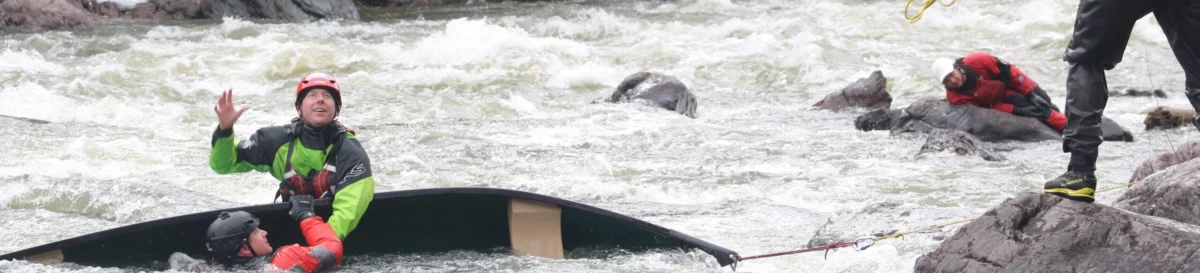
The final three days were dedicated to high-pressure scenarios. Instructors introduced simulated emergencies, ranging from boat pins to medical crises involving unconscious victims. These exercises were designed to test not only physical rescue skills but also the mental fortitude required to lead a team, size up a scene, and maintain communication in an environment where cell service is non-existent.

Supporting Data: The Logistics of Remote Rescue
One of the most compelling aspects of the training was the deep dive into the logistical realities of remote-area rescue. In many of the canyons where these guides operate, the "Golden Hour"—the critical time frame for effective medical intervention—is often extended by the sheer geography of the terrain.
The instructors emphasized the Incident Command System (ICS), even for small-scale river incidents. By designating a team leader early in an emergency, teams can prevent the chaos that often leads to secondary accidents. The training also highlighted:
- Mechanical Advantage: Using Z-drags and complex anchor systems for pinned rafts.
- Medical Integration: Given that both instructors are EMTs and many guides hold WFR (Wilderness First Responder) or EMT certifications, the discussions regarding patient care were exceptionally high-level.
- Pre-Trip Briefings: A major takeaway was that the best rescue is the one that never has to happen. The training emphasized the necessity of rigorous pre-trip briefings that cover flow conditions, guest demographics, and clear evacuation plans.
Official Perspectives and Professional Insights
Reflecting on the experience, the instructors noted that the caliber of the Costa Rican guides was world-class. "Costa Rican guides work almost year-round on their rivers," noted the lead instructor. "As a result, they possess an innate understanding of hydrology that is rare to find in such concentrations."

The synergy between the visiting instructors and the local professionals created a unique feedback loop. The guides shared their local knowledge of specific river features, while the instructors introduced global best practices for rope systems and rescue organization. The consensus among the group was that this training was not merely a "refresher," but a necessary evolution of their safety systems.
The Role of Local Coordination
The success of the program was significantly bolstered by the support of Rafiki Safari Lodge. Logistics coordinators—Loki, Randall, Kenneth, and Allan—were instrumental in ensuring the equipment and the participants reached the Rio Sevegre efficiently. Their contribution highlights a growing trend in the adventure travel industry: the move toward localized, expert-led safety infrastructure.
Implications: Building a Culture of Safety
The broader implication of this training is the shift toward a more proactive, rather than reactive, approach to river safety. By preparing for "worst-case scenarios," these guides have fundamentally altered their situational awareness.

Risk Mitigation as a Competitive Advantage
In the competitive landscape of international tourism, safety is the ultimate product. A company that demonstrates a high level of proficiency in swiftwater rescue is inherently more attractive to international travelers and insurance providers alike. The investment in this training signifies that these Costa Rican operators are prioritizing long-term sustainability over short-term expediency.
The Human Element
Beyond the ropes and pulleys, the training fostered a sense of camaraderie. The debriefs conducted after each scenario were often the most intense parts of the day. They allowed for a "no-blame" environment where mistakes were treated as learning opportunities. This openness is critical for building the psychological safety required for a team to function effectively under the stress of an actual rescue.
Conclusion: Pura Vida and Professionalism
As the training concluded, the takeaway was clear: excellence in the whitewater industry is a moving target. It requires constant study, frequent practice, and the humility to learn from one’s peers.

The partnership between the Whitewater Rescue Institute and the Costa Rican rafting community serves as a blueprint for how international knowledge transfer can bolster local industry standards. By empowering these 50 guides with advanced technical skills and a standardized approach to incident command, the rivers of Costa Rica have become, in a very real sense, safer for every paddler who chooses to test their mettle against the current.
As the guides returned to their respective companies, they took with them not just new technical tricks, but a refined philosophy of risk management. In the spirit of the local mantra, "Pura Vida," they are now better equipped to ensure that the pure life of the river remains a source of joy, rather than a place of tragedy.
Key Takeaways for Future Training Programs:
- Standardization: Use of universal hand and whistle signals is vital when local communication infrastructure fails.
- Leadership: Every team must identify a lead coordinator within seconds of an incident.
- Scenario-Based Learning: Technical skills (like knots) are useless without the decision-making framework to apply them in a high-stress, real-time environment.
- Community: Building a network of trained professionals across different companies creates a "safety net" for the entire region, as guides from different outfits are often the first on the scene of an accident.