As the snowpack in the high country continues its seasonal retreat, the Clark Fork River has transformed into the beating heart of outdoor recreation in Western Montana. For the team at Montana River Guides, the transition from the technical, rigorous training of the spring to the sun-drenched, high-energy pace of the summer season is now complete. With the conclusion of their spring swiftwater rescue certification courses, the outfit has shifted its focus toward the Alberton Gorge, inviting both seasoned paddlers and families to experience some of the finest whitewater in the Pacific Northwest.
Main Facts: The State of the River
The Alberton Gorge, situated just a short drive from Missoula, is currently operating at optimal summer conditions. As of the most recent hydrological reports, the river is flowing at approximately 4,000 cubic feet per second (CFS). This flow rate is widely considered the "goldilocks zone" for commercial rafting and recreational kayaking—providing enough volume to keep the rapids lively and engaging, while maintaining a safety profile suitable for family-oriented excursions.
The Gorge is renowned for its geological diversity and the technical variety of its rapids. Currently, iconic features like Tumbleweed and Fang are providing the quintessential "Gorge experience." While these rapids remain friendly enough for guided groups, they possess sufficient hydraulic power to challenge those navigating them. Furthermore, as summer progresses and water levels shift, the upper reaches of the Gorge are beginning to reveal rock formations that require more precise maneuvering, adding a layer of technical excitement to the descent.
Chronology: A Transition of Seasons
The operational calendar for Montana River Guides is a carefully orchestrated sequence of education and recreation.
Phase I: The Spring Training Cycle
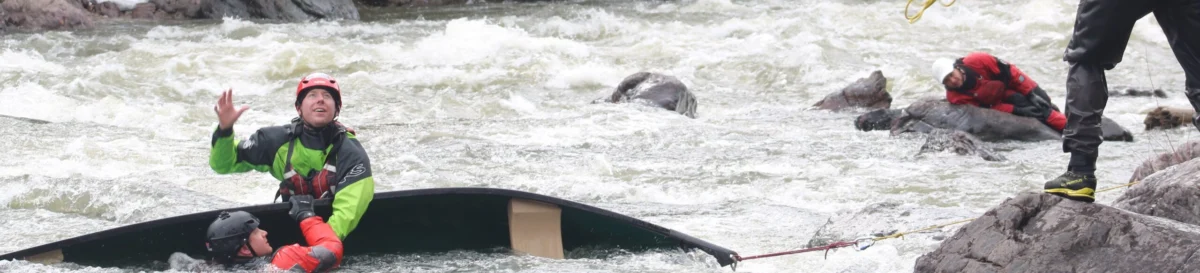
The early months of the year were dedicated exclusively to the preservation of safety and the dissemination of technical expertise. During this period, Montana River Guides functioned as a hub for professional development, hosting a series of Swiftwater Rescue classes. These courses are not merely recreational; they are rigorous training modules designed for river professionals, emergency responders, and dedicated hobbyists. Participants spent their days in the cold, high-water conditions of early spring, mastering rope systems, mechanical advantage, boat-based rescues, and the complex psychology of river incidents.
Phase II: The Summer Transition
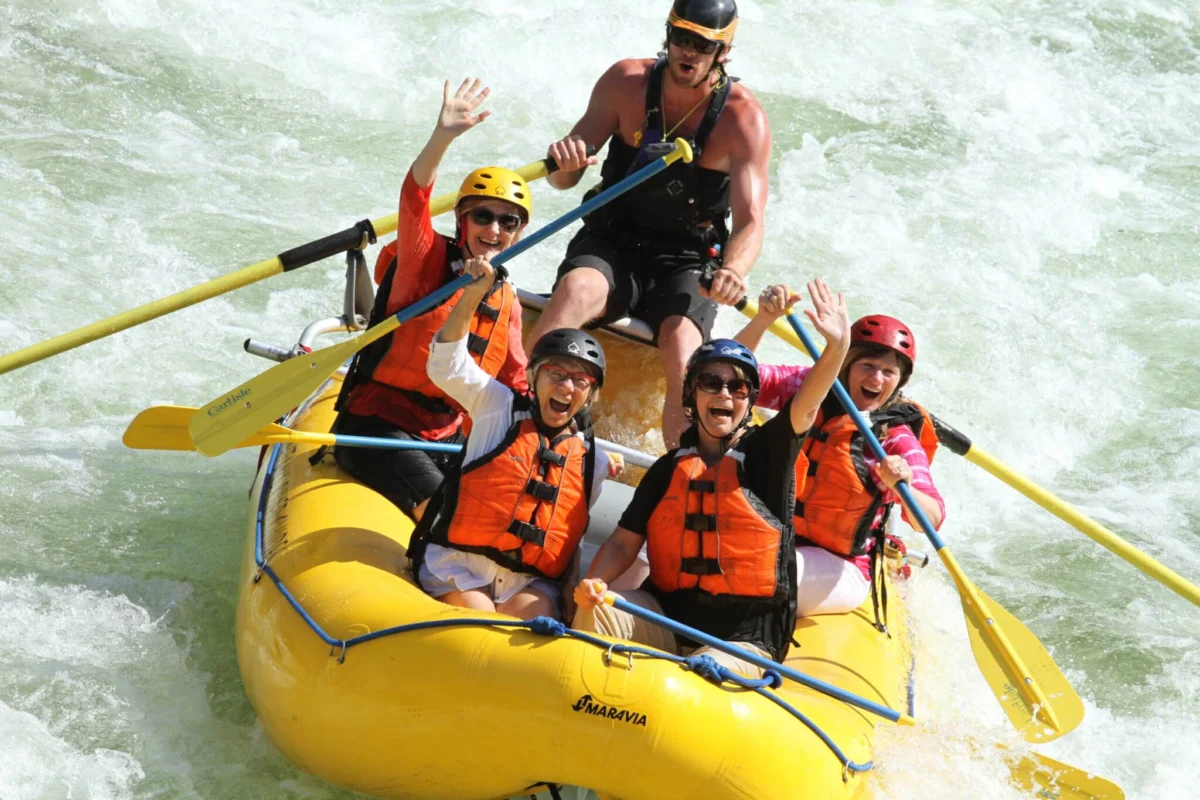
With the certification season concluded, the transition to commercial operations took place in late spring. This shift marks a change in the river’s character. The "high water" of the runoff period gives way to the "clear water" of summer. By early July, the river begins to stabilize, the water temperature rises to more comfortable levels, and the focus shifts from technical training to the hospitality-driven experience of guided whitewater rafting and scenic kayaking.
Phase III: The Upcoming Industrial Integration
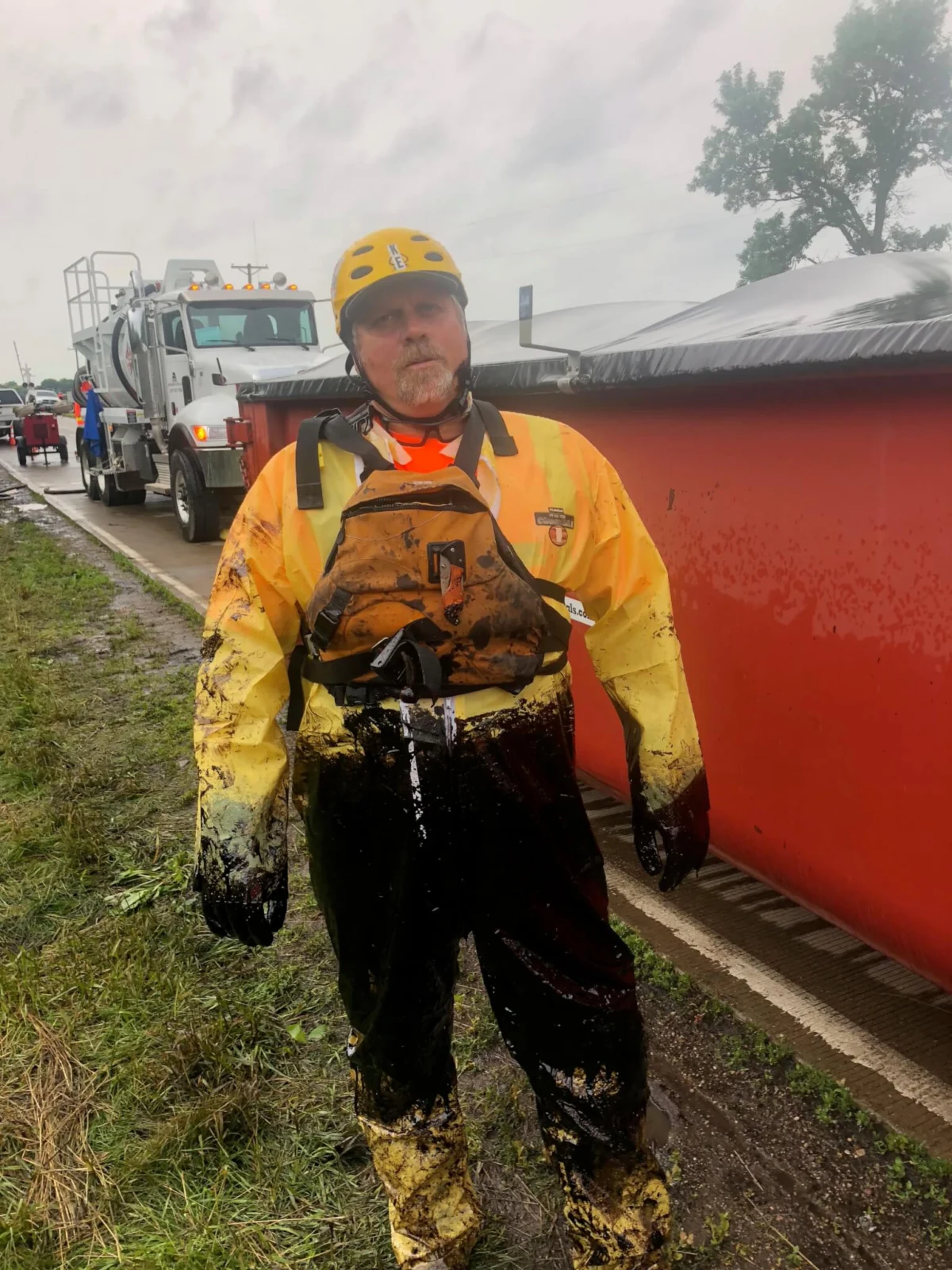
Looking ahead, the calendar is slated for a return to specialized instruction. Later this summer, Montana River Guides will pivot back to the academic side of river safety, introducing specialized "Swiftwater Spill Response" curricula. This unique offering bridges the gap between traditional river rescue and environmental protection, teaching participants how to deploy containment booms and recovery equipment in the specific, high-stakes environment of moving water.
Supporting Data: Understanding the Alberton Gorge
The appeal of the Alberton Gorge lies in its consistency and its accessibility. Unlike many river systems that become unnavigable during drought or dangerously volatile during peak runoff, the Clark Fork provides a reliable recreational corridor.
- Flow Dynamics: At 4,000 CFS, the river provides a consistent, predictable wave train. This flow level is high enough to cover most "boat-eater" rocks that might pose a risk at lower levels, but low enough that the eddies remain accessible for group stops and safety briefings.
- Safety Metrics: The current trend toward "warm and friendly" class II and III rapids is ideal for tourism. The Gorge is characterized by its "pool-drop" nature—sections of fast-moving water punctuated by calm pools, which allows guides to manage groups efficiently and provide moments of respite between the technical sections of the river.
- Educational Impact: The spill response training scheduled for later this summer serves a critical function in the region. By training responders on how to manage industrial spills in moving water, Montana River Guides is contributing to the overall ecological health of the Clark Fork River watershed, ensuring that professionals are prepared to handle potential environmental hazards in a rapid-response setting.
Official Perspectives: The Philosophy of Montana River Guides
For the leadership at Montana River Guides, the goal has always been to foster a culture of stewardship alongside recreation. Their approach to guiding is rooted in a philosophy that emphasizes "wearing the right gear" and maintaining a constant state of situational awareness.
"We believe that the river is a teacher," says a representative from the guide service. "Our mission is to help people understand the river’s language. Whether you are on a family raft trip or taking a technical spill-response course, the fundamentals remain the same: respect the water, know your equipment, and keep an eye on your teammates. The Clark Fork is a world-class resource, and we are committed to ensuring that every person who steps onto our boats leaves with a greater appreciation for its power and its fragility."
The guide service maintains a strict policy regarding safety protocols. Every guided trip begins with a comprehensive safety briefing, covering everything from the proper fit of a Personal Flotation Device (PFD) to the precise commands for paddling as a team. By integrating these practices into the commercial experience, the guides ensure that the adventure remains thrilling but inherently controlled.
Implications: The Broader Impact on Missoula
The impact of a healthy, active river season extends far beyond the bank of the Clark Fork. For Missoula, the Alberton Gorge is an economic engine and a social anchor.
Economic and Tourism Impact
As a destination, Missoula relies heavily on its proximity to wild places. The influx of tourists seeking whitewater experiences supports local hospitality, dining, and retail sectors. By providing daily, professional-grade guided trips, Montana River Guides acts as a gateway for visitors to interact with the natural landscape in a sustainable way.
Environmental Stewardship
The upcoming Swiftwater Spill Response classes highlight a significant implication for regional infrastructure. As Western Montana grows, the intersection of industrial transport and sensitive waterways becomes a matter of public concern. By training a specialized workforce capable of responding to spills in moving water, Montana River Guides is helping to build a safety net that protects the river’s ecosystem for future generations. This is not just a recreational service; it is a community-serving initiative.
The Evolution of the Paddling Community
Finally, the longevity of these programs ensures that the local paddling community remains highly skilled. When the instructors who lead recreational families through the Gorge are the same individuals who teach advanced swiftwater rescue, the standard of safety across the entire river increases. This "trickle-down" expertise means that even independent boaters on the river are surrounded by a culture that prioritizes safety, communication, and environmental care.
Conclusion: Planning Your Adventure
As the summer sun hits its peak and the Alberton Gorge remains at its most inviting, the invitation remains open. Whether you are looking for the adrenaline rush of a guided whitewater trip or the quiet, meditative beauty of a scenic kayak tour, the Clark Fork River offers an experience that is uniquely Montanan.
For those interested in joining a trip or enrolling in the upcoming specialized rescue courses, the Montana River Guides website serves as the primary resource for scheduling and preparation. In a world that is increasingly digitized, the opportunity to disconnect and navigate the living, breathing currents of the Clark Fork is a rare and necessary reprieve. The water is waiting—but as the professionals at Montana River Guides would remind you: make sure you’re prepared, keep your gear in check, and always, always look out for one another.