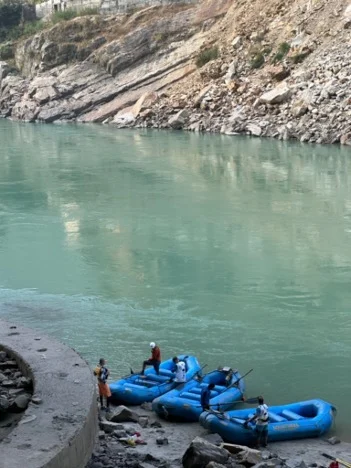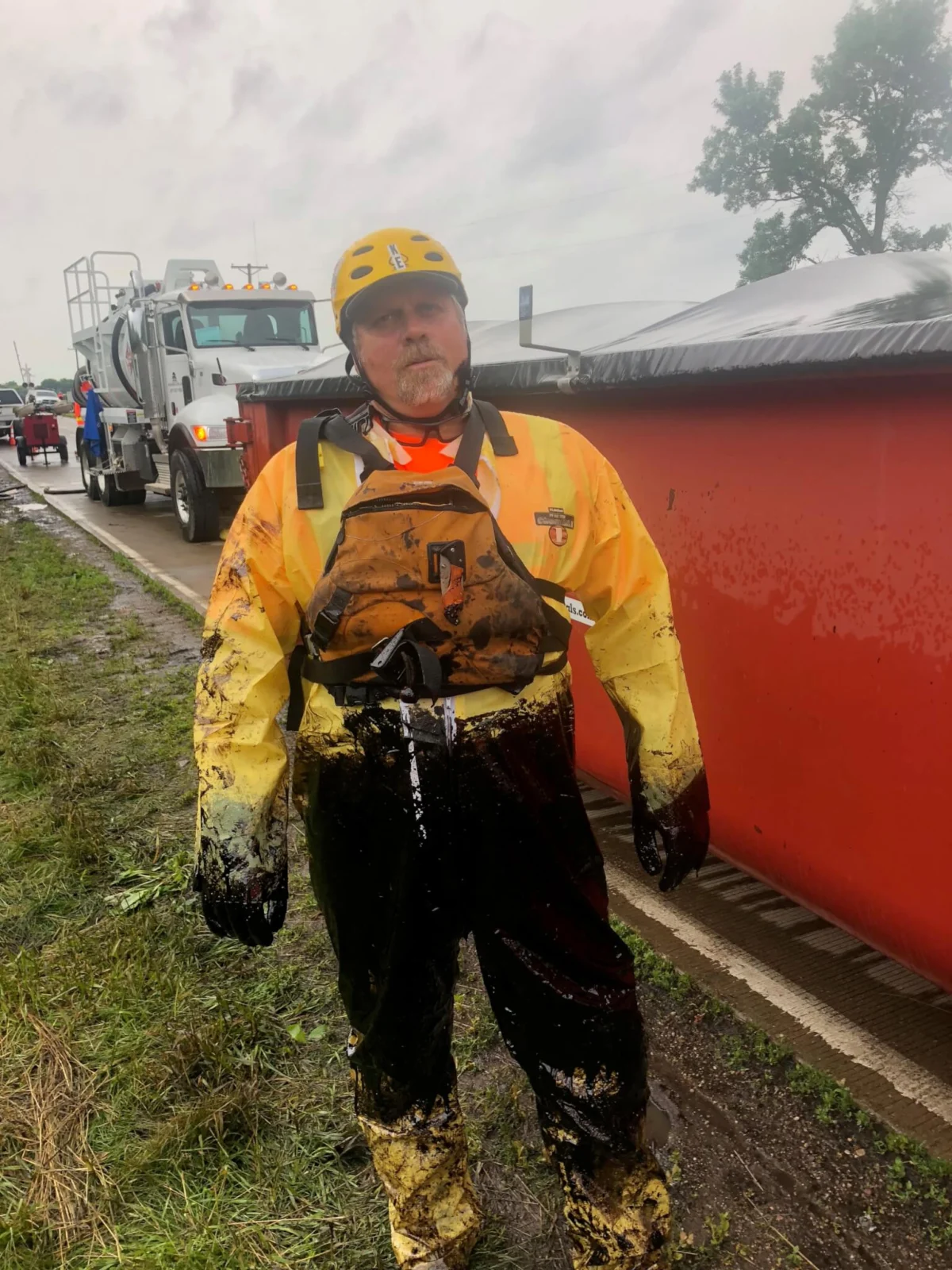
In the high-stakes environment of inland oil spill response, where currents are swift and containment is challenging, the focus often shifts immediately to the physical collection of pollutants. However, industry veterans and safety experts increasingly emphasize that the most critical, yet frequently neglected, aspect of these operations is the rigorous implementation of personnel and equipment decontamination. As organizations like Inland Oil Spill Response (IOSR) continue to refine their protocols, the industry is moving toward a more proactive, assertive culture regarding the "Hot, Warm, and Cold" zone management systems.
Main Facts: The Criticality of Zone Management
The fundamental architecture of any spill site is built upon the division of labor and safety zones. Without a strictly enforced site map, the risk of cross-contamination—where oil, chemicals, or toxic residues move from the center of a spill into the clean support areas—increases exponentially.
Work zones are universally categorized into three tiers:
- The Exclusion Zone (Hot Zone): The area where the actual spill is located and where the highest concentration of contaminants exists.
- The Contamination Reduction Zone (CRZ/Warm Zone): The buffer area where decontamination takes place.
- The Support Zone (Cold Zone): The clean area where logistics, command centers, and medical support are stationed.
The primary failure point in many historical spills has been the "early phase" of the response. When urgency overrides procedure, responders often bypass established decontamination lines, tracking hazardous materials into the Support Zone. To mitigate this, IOSR emphasizes that every site must have a detailed, site-specific map that clearly defines the boundaries of these zones in relation to topography, water flow, and egress routes.
Chronology: Establishing the Decontamination Sequence
Decontamination is not a singular event; it is a phased process that must occur every time a responder crosses from a contaminated area into a cleaner one. The protocol is dictated by the level of Personal Protective Equipment (PPE) required. Whether utilizing Modified Level D (standard work gear with chemical resistance) or Level C (including respiratory protection), the exit sequence is non-negotiable.
The Three-Station Decontamination Protocol
For any personnel exiting the Exclusion Zone, the following sequence represents the minimum acceptable safety standard:
- Station 1 (Gross Decontamination): This is the initial "scrub." Responders must remove the bulk of visible oil and sludge from their outer garments and boots. Failure to do this effectively compromises the subsequent stations.
- Station 2 (Outer Layer Removal): Responders remove their outer protective suits and gloves, disposing of them immediately in clearly labeled, hazardous waste containers. Following the removal of the outer layer, hard hats and boots must be cleaned with an aqueous detergent solution. These items are then carried, not worn, to the final station.
- Station 3 (Final CRZ Wash): This station focuses on the individual. Responders thoroughly wash their hands and face before transitioning into the Support Zone. If respiratory protection was used, the mask must be sanitized and sealed in a clean, airtight plastic bag for transport.
Supporting Data: The Logistics of Safety
While the process is clear, the logistics of decontamination are complex. For instance, in fast-moving water scenarios, the placement of the decontamination pad must account for the spill’s trajectory. If the pad is placed too close to the water’s edge without adequate runoff management, the cleaning process itself could inadvertently contribute to secondary pollution.
PPE and Equipment Management
A cornerstone of modern response is the "disposable-first" philosophy. Whenever possible, external protective clothing should be single-use. The cost of proper hazardous waste disposal is significantly lower than the cost of long-term decontamination of reusable gear. However, when reusable equipment is necessary, the cleaning process must include:
- Rinsate Collection: All wash water used at the site must be collected. Allowing detergent-laced, oil-contaminated water to flow back into the environment is a violation of environmental standards and a failure of the response mandate.
- Vehicle Protocol: Any vehicle entering the Exclusion Zone is considered contaminated. A decontamination pad must be established at the exit point. For light contamination, a thorough rinse of tires and wheel wells is sufficient. However, if the vehicle has been submerged or heavily coated in viscous crude, steam cleaning or high-pressure washing is mandatory before that vehicle is cleared to travel on public roads.
Official Responses and Industry Best Practices
Leading organizations in the field, such as Whitewater Rescue (WRI), have integrated these technical notes into their training curriculum to bridge the gap between swift-water rescue expertise and environmental cleanup requirements. The consensus among safety officers is that decontamination is not merely a "cleanup" task; it is an active protective measure.

An "assertive" response, as described in current field notes, means that the Decontamination Officer has the authority to halt operations if the decon line is not functional. This authority is essential for maintaining the integrity of the Support Zone. Official industry guidelines suggest that the Decontamination Officer must be a dedicated role, distinct from the Operations Chief, to ensure that safety protocols are not compromised by the pressure to complete containment tasks.
Implications: The Long-Term Impact of Decontamination Failure
The failure to properly decontaminate personnel and equipment has profound legal, health, and operational implications.
1. Responder Health
Exposure to raw petroleum products, particularly those containing benzene or other volatile organic compounds, can cause immediate and long-term health issues. When decontamination is incomplete, oil residues remain on clothing or skin, leading to prolonged absorption. This creates a liability nightmare for the employing agency and a life-altering health crisis for the responder.
2. Environmental Integrity
The goal of an inland spill response is to minimize the "footprint" of the accident. If a response team tracks oil from a riverbank into a forest or onto a public roadway, they have effectively expanded the spill area. This secondary contamination often requires an entirely new cleanup effort, doubling the operational cost and increasing public scrutiny.
3. Operational Efficiency
While decontamination stations take time to set up and manage, they actually save time in the long run. An outbreak of health-related absences among the crew, or a site-wide shutdown ordered by regulatory bodies due to cross-contamination, is far more disruptive than the 15 to 20 minutes required for a proper decontamination cycle at the end of a shift.
4. Regulatory Compliance
Environmental protection agencies (such as the EPA in the United States or regional equivalents abroad) hold the primary response agency accountable for the entire site. If a site audit reveals that decontamination logs are incomplete or that the CRZ has been breached, the agency risks heavy fines, permit revocations, and the loss of future contracts.
Conclusion: A Culture of Safety
The evolution of fastwater spill response is moving toward a standard where "decontamination is the job." By treating the cleaning of boots, the sanitizing of respirators, and the pressure washing of vehicles with the same level of importance as boom deployment and skimmer operation, response teams ensure their own safety and the safety of the surrounding ecosystem.
The technical requirements outlined by groups like IOSR provide the roadmap, but the ultimate success of these operations relies on the human element: the willingness of individual responders to be proactive, the discipline to follow the three-station sequence, and the integrity to never cut corners, no matter how the current is pulling or how fast the oil is spreading. In the realm of inland spill response, the cleanest site is the safest site, and the safest site is one where the decontamination line is never considered an option—it is the law of the land.