Main Facts: An Immersion in the Indian Whitewater Frontier
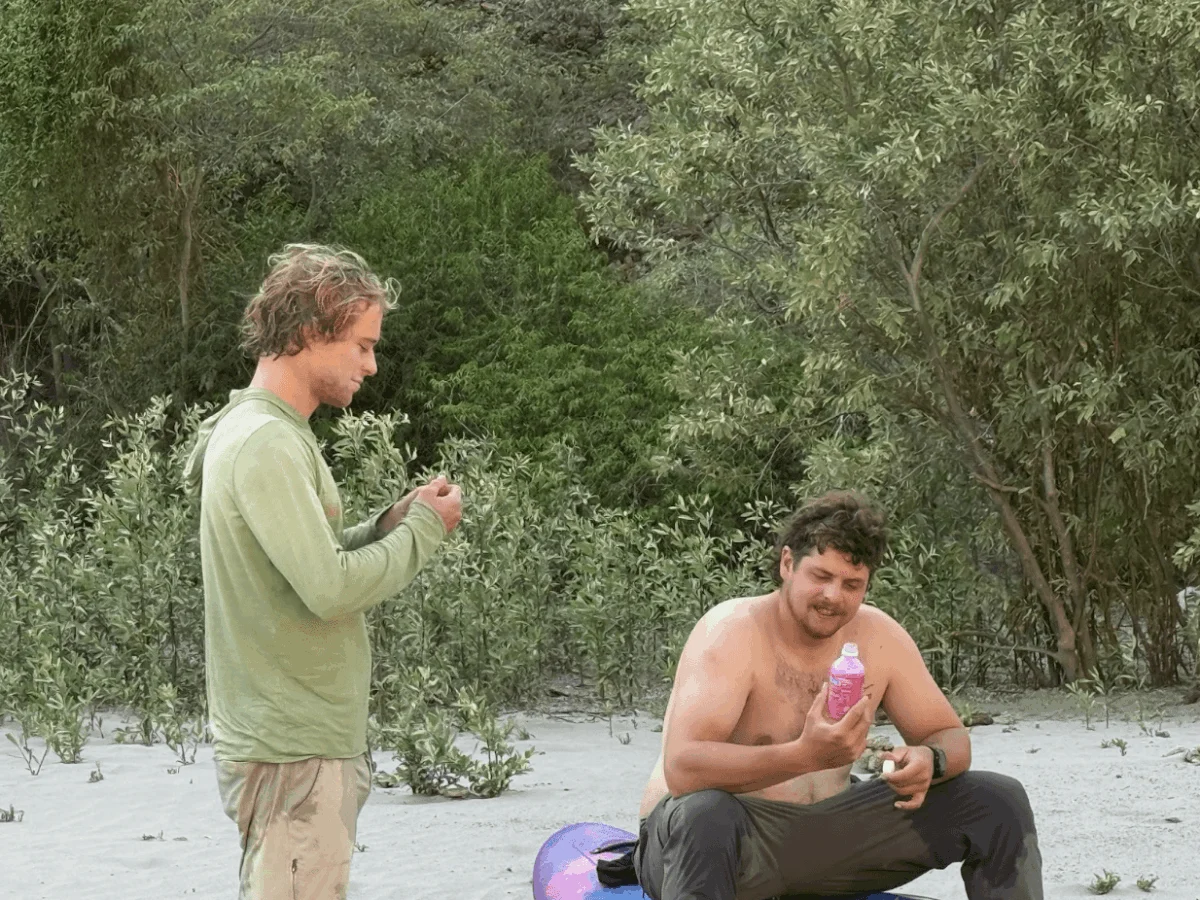
For Mike and Cody, two seasoned river guides, the decision to travel to Northern India was not merely a vacation, but a professional pilgrimage. Their recent expedition involved an intensive training exchange with instructors from the Hannibal Outdoor Center, culminating in a high-stakes descent of the Ganges River. The objective was two-fold: to master the technical nuances of international rafting standards and to gain a deeper understanding of the cultural and environmental landscape that defines India’s most iconic waterway.
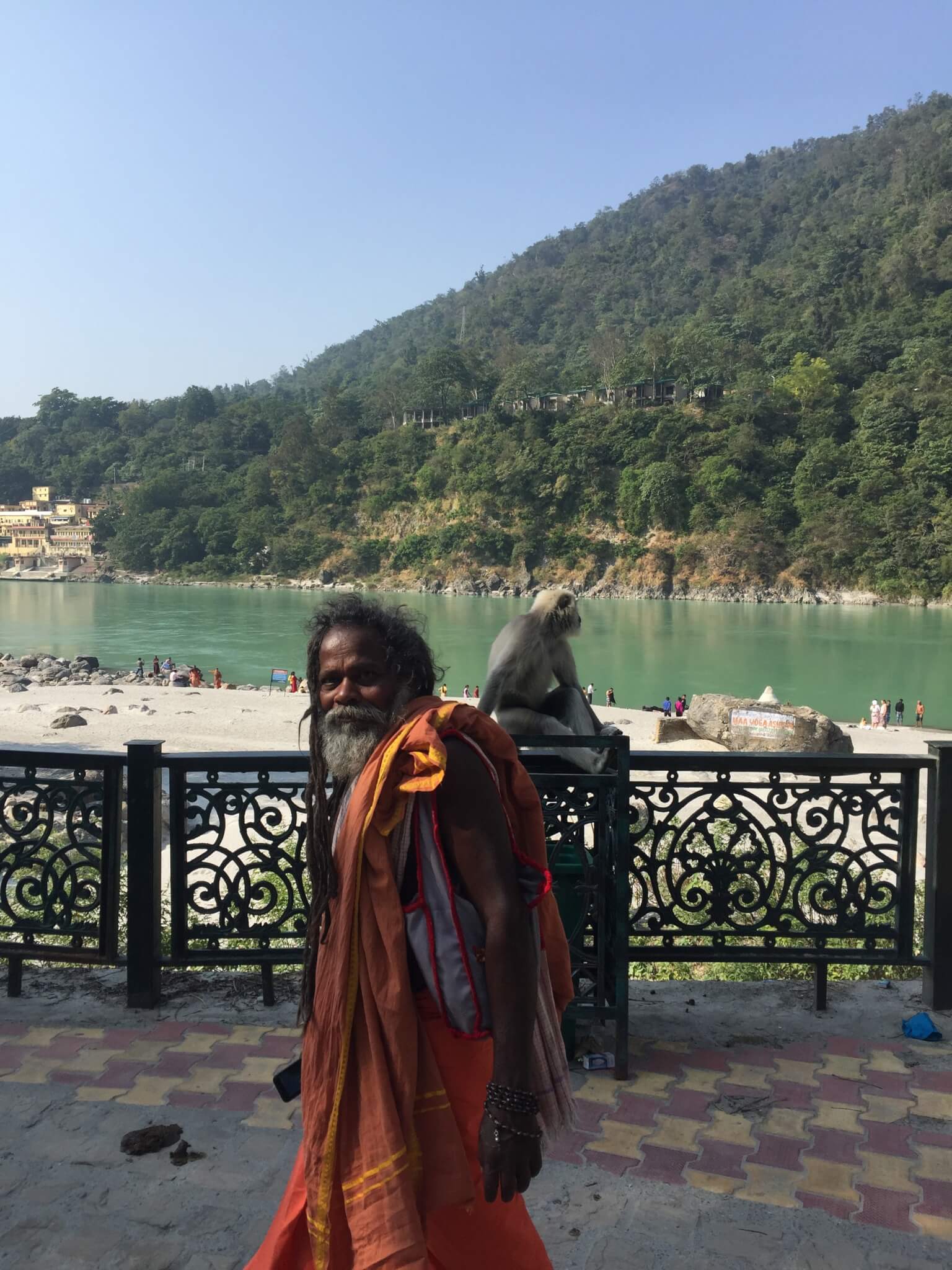
The Ganges, or Ganga as it is known locally, is not simply a river; it is the spiritual lifeline of India. For the duo, the experience was a study in contrasts—navigating massive, powerful flows of water while witnessing the profound religious devotion of millions who treat the river as a divine entity. Operating in a region where the foothills alone sit at elevations between 8,000 and 12,000 feet, the pair faced environmental challenges that far exceeded the scope of domestic North American river systems. With estimated flows reaching 40,000 cubic feet per second (cfs), the Ganges provided a formidable testing ground for their technical skills and professional adaptability.
Chronology of the Expedition
The expedition began in the foothills of the Himalayas, where the scale of the landscape immediately challenged the duo’s perception of "mountainous terrain."
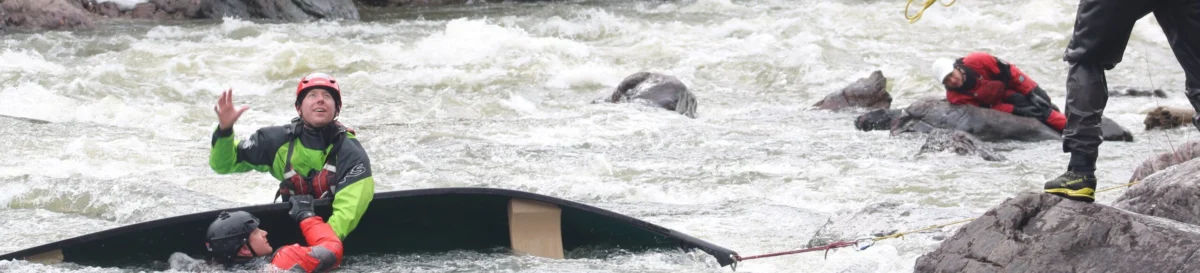
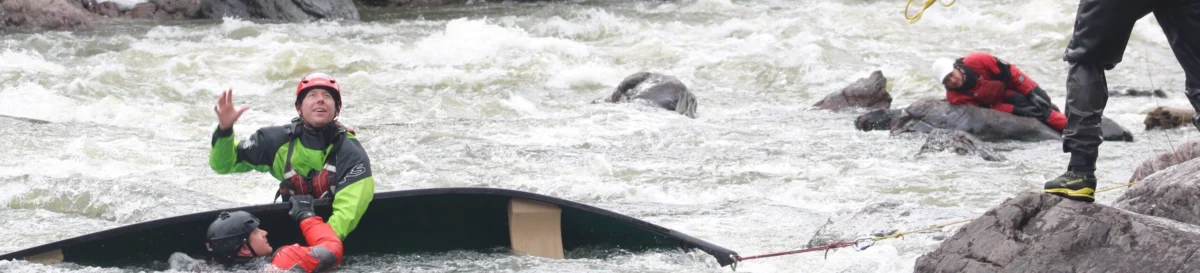
- Phase One: Technical Integration: The first week was dedicated to collaboration with the Hannibal Outdoor Center. This phase involved rigorous training sessions focused on rescue protocols, river reading, and the specific logistics of navigating large-volume Himalayan rivers.
- Phase Two: The Ganges Descent: Upon entering the main channel, the team transitioned into a multi-day river descent. The sheer volume of the Ganges—roughly 40,000 cfs—required constant vigilance. Unlike the regulated, engineered rivers of the West, the Ganges is a wild, untamed force of nature that shifts with the monsoonal patterns and snowmelt of the high Himalayas.
- Phase Three: Cultural Immersion: Following the descent, the team transitioned to land-based travel. Utilizing India’s legendary train system and local rickshaws, Mike and Cody moved through the heart of the region, observing the juxtaposition of spiritual ceremony and the harsh realities of daily life in one of the world’s most densely populated nations.
- Phase Four: Reflection and Synthesis: The final days of the trip were spent in Haridwar, a city famous for its Ganga Aarti ceremonies, where the duo documented the intersection of human faith and the river’s physical environment before returning home to analyze the long-term professional implications of their training.
Supporting Data: The Magnitude of the Ganges
To understand the environment in which Mike and Cody operated, one must look at the staggering statistics associated with the Ganges basin.
The Physical Scale
The Himalayan range, which feeds the Ganges, presents a topographical challenge that is difficult for Western explorers to visualize. Even at 12,000 feet, one remains in the "foothills," dwarfed by the higher peaks of the range. The water volume, estimated at 40,000 cfs, is a testament to the immense snowmelt and drainage of the world’s tallest mountain range.
The Demographic and Cultural Context
India is a land of staggering diversity. With a population that represents approximately one-fifth of the entire human race, the country functions as a microcosm of global complexity.
- Linguistic Diversity: While Hindi serves as a major national language, there are over 3,000 distinct languages and dialects spoken across the subcontinent, creating a cultural mosaic that changes every few hundred miles.
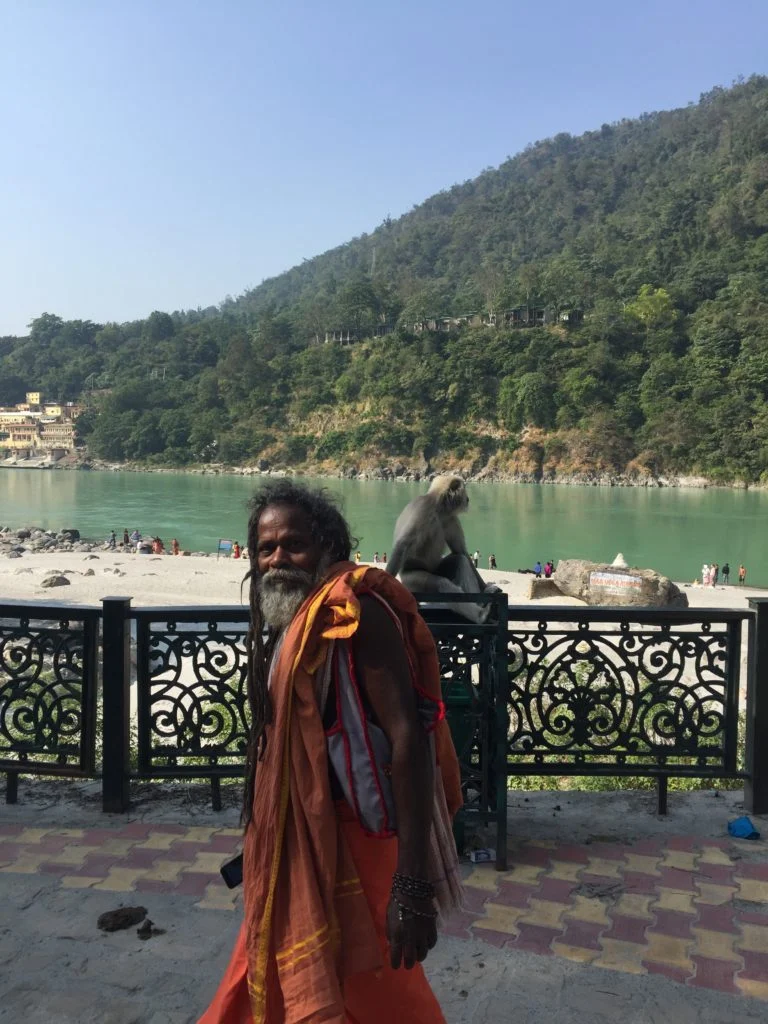
- The Spiritual Nexus: The Ganges is the site of constant, daily religious pilgrimage. In cities like Haridwar, the riverbank is a theater of human life, where individuals gather to perform cleansing rituals, prayers, and traditional ceremonies. This devotion is constant, indifferent to the hour of the day or the environmental condition of the water.
Environmental Implications: A River Under Duress
One of the most sobering realizations for Mike and Cody was the environmental status of the Ganges. Despite its status as the most sacred river on the planet, it is simultaneously classified as one of the most polluted.
The Pollution Crisis
The juxtaposition is startling: the same water that is considered holy and used for spiritual purification is also the primary receptacle for untreated human waste and industrial runoff. The sheer scale of India’s population density, combined with rapid industrialization and limited infrastructure, has resulted in a critical ecological crisis. The "cleanse" performed by pilgrims is, for many, an act of faith that ignores or transcends the presence of pathogens and chemical contaminants.

The Paradox of Growth
The duo observed a constant cycle of beauty and decay. Alongside the "heroic" efforts of subsistence agriculture—where families labor in small, ancestral plots—one finds sprawling landfills and urban centers struggling to manage waste. This is the "overwhelming" nature of modern India: the immense potential of a burgeoning global power struggling against the limitations of its own rapid growth.
Official Perspectives and Professional Lessons
Refining their approach to river guiding, Mike and Cody noted that the trip fundamentally changed their philosophy on travel. They have long prioritized experiencing a landscape from the water or a hiking trail; however, the Indian experience forced them to add the train and the rickshaw to their methodology of "true immersion."
The Train as a Lens
The Indian rail system acts as a grand viewing gallery. By opting to spend time between the cars, the guides gained an unfiltered view of the countryside. They witnessed landscapes that were simultaneously breathtaking and tragic—where mountain vistas were framed by roadside dumps, and where the vibrancy of a billion people played out in a complex, high-energy environment.
Professional Respect
The training with the Hannibal Outdoor Center underscored the importance of cultural competence in the rafting industry. When operating in foreign waters, a guide’s responsibility extends beyond safety protocols. It includes an obligation to respect the local customs, understand the significance of the river to the local population, and acknowledge the environmental realities of the host country.

Future Outlook: A Return to the Source
Mike and Cody’s trip was characterized by a profound sense of humility. They noted that the diversity, beauty, and systemic problems of India are not things that can be "solved" or fully understood in a single trip. Instead, they represent a complex, evolving reality that demands repeated engagement.
The duo left India with a newfound admiration for the resilience of its people. The ability of the local population to maintain deep spiritual roots while navigating the pressures of poverty, pollution, and the weight of a massive population is, in itself, a feat of human endurance. As they plan their next expedition, the lessons learned on the banks of the Ganges—about the power of water, the strength of tradition, and the necessity of witnessing both the beauty and the brokenness of a region—will continue to inform their approach to the river.
In the final analysis, their expedition was more than a professional training session; it was a lesson in global perspective. It served as a reminder that the world’s most sacred places are often the most fragile, and that those who seek to explore them must do so with a balance of technical expertise and deep, abiding respect for the people and the environments they inhabit. They look forward to returning to the Himalayas, not just to navigate the rapids, but to continue learning from a culture that manages to thrive in the face of truly overwhelming odds.