In the high-stakes world of river running, the phrase "it won’t happen to me" is the most dangerous sentiment a boater can carry. Whether you are navigating the technical boulder gardens of the Southeast or the massive, high-volume flows of the American West, the risk of a pinned raft is an ever-present reality. When a vessel becomes pinned, the difference between a successful recovery and a catastrophic equipment loss—or worse, a tragedy—often boils down to one thing: the contents of your pin kit.
For years, the industry standard has been the commercially available, pre-packaged pin kit. While these kits provide a baseline of equipment, experts warn that they are often insufficient for the realities of modern river rescue. Relying on a "one-size-fits-all" solution in a dynamic, unpredictable environment is a gamble that professional river guides and rescue instructors are urging boaters to stop taking.
The Anatomy of a Failure: A Real-World Scenario
To understand the limitations of standard gear, consider a common, yet harrowing, scenario on a multi-day expedition, such as a trip down the Middle Fork of the Salmon River.
You are navigating a technical rapid when a crew member snaps an oar. The boat, suddenly unmaneuverable, misses the intended line and strikes a mid-river rock, pinning instantly. The raft is loaded with the expedition’s kitchen, supplies, and fuel. Crucially, the river at this location is over 250 feet wide, and the pinned raft is stranded 100 feet from the nearest solid shoreline.
Your group is prepared; you have a standard, commercially purchased pin kit stored on the sweep boat. You manage to ferry the gear to the scene, deploy a rope, and secure it to the pinned raft. You then hike to a solid anchor point on the bank to set up a mechanical advantage (Z-drag) system. As you finalize the rig, you realize with sinking dread that you have run out of rope.
How does a 150-foot rope—the standard length in most commercial kits—fall short? The math is unforgiving. First, the "Z" configuration of a Z-drag system inherently consumes line length, reducing your effective working distance by up to one-third. Second, tying a Figure-8 on a bight—the industry standard for a secure loop—consumes roughly four feet of rope immediately. When you account for the distance to the anchor, the path back to the boat, and the necessary slack for the mechanical advantage, 150 feet is rarely enough. By the time you are ready to pull, you are effectively tethered to nothing.
Chronology of an Effective Rescue
When a pin occurs, the clock starts ticking immediately. The sequence of a successful rescue is not merely about brute force; it is about systematic preparation.
- Assessment and Safety: Before any gear is deployed, the scene must be stabilized. Is the pinned boat stable? Is there a risk of it flipping or the current trapping a swimmer?
- Anchor Establishment: The success of any extraction depends on a bombproof anchor. If your webbing is too short or your slings are inadequate, you will be forced to compromise on your anchor point, leading to inefficient pull angles.
- Mechanical Advantage Setup: Using pulleys and prusiks, the team creates a system to multiply their force. If the pulleys are low-quality or the prusiks are not properly sized, the system will suffer from high friction and drag, wasting human energy.
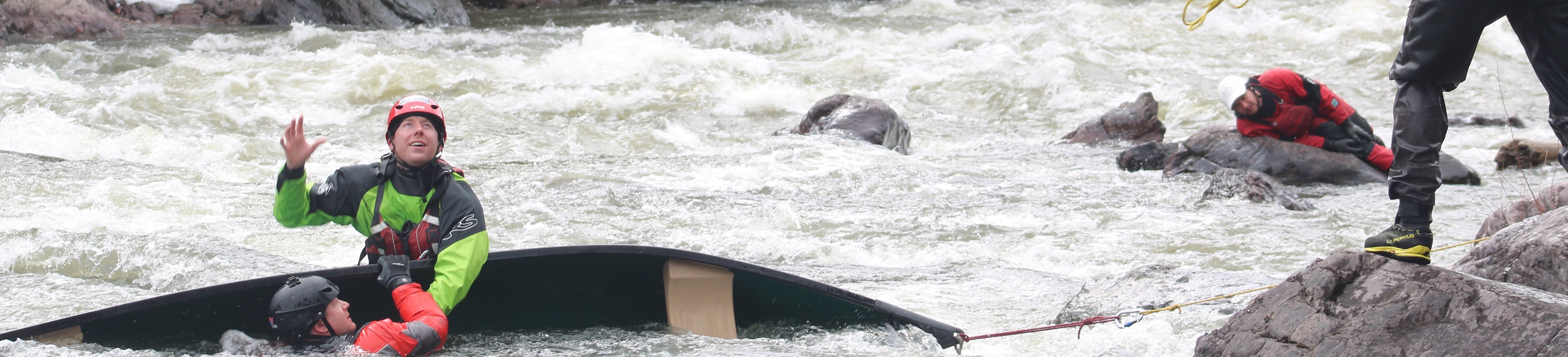
- The Pull: With a secure system, the team attempts to "un-pin" the vessel. If the rope is insufficient or the mechanical advantage is poorly engineered, the boat will remain stationary, forcing the crew to abandon the vessel or escalate the risk to rescuers.
Supporting Data: Why "Standard" Isn’t Enough
The "standard" half-inch static rope included in many kits is an artifact of older rescue philosophies. While a half-inch rope offers a high breaking strength—often exceeding 10,000 lbs (40 kN)—it is bulky and heavy. This weight often discourages boaters from carrying the lengths actually required for wide river environments.
Industry experts are shifting toward a more nuanced approach. By opting for a 9mm static rope with a 5,000 lb (22 kN) rating, a boater can carry significantly more length—up to 330 feet—in the same space and weight footprint as 150 feet of half-inch rope. This allows for complex, multi-anchor setups that are impossible with shorter lines.
Furthermore, mechanical advantage is only as effective as the pulleys used to facilitate it. Many pre-packaged kits include "economy" pulleys that lack the efficiency of Prusik Minding Pulleys (PMPs). In a high-stress environment, a PMP is not a luxury; it is a critical safety component that prevents the rope from jamming and allows for smoother system resets.
Official Perspectives: The Professional View
Professional rescue instructors emphasize that a pin kit is a collection of tools, not a singular product. "The most important part of your pin kit is the brain of the person using it," notes one veteran instructor. "If you don’t understand the physics of mechanical advantage, the most expensive gear in the world won’t save your boat."
Professional recommendations for a robust kit include:
- Versatile Webbing and Slings: Move beyond simple tubular webbing. Incorporate manufactured slings like Dynex Rabbit Runners or long loops that are lighter, stronger, and faster to rig around irregular rock features or trees.
- Dedicated Carabiners: Never mix your rescue gear with your everyday clips. Use locking, rated carabiners specifically for your pin kit to avoid the risks of cross-loading or fatigue associated with multi-purpose gear.
- The Dry Bag Advantage: Many boaters overlook storage. A high-quality, waterproof dry bag—such as a dedicated Watershed bag—ensures that ropes remain dry and free of abrasive sand. Grit and moisture accelerate the degradation of synthetic fibers and can seize up pulley bearings, rendering them useless when you need them most.
Implications for the Recreational Boater
The implications for the average river runner are clear: you must audit your safety equipment with the same rigor you apply to your boat’s maintenance. A kit that has been sitting in the bottom of a boat for three seasons, wet and full of river silt, is a liability.
Boaters are encouraged to perform a "dry run" of their pin kit at home. Set up an anchor in your yard, rig your pulleys, and test your mechanical advantage. If you find that your rope is too short, your webbing is too brittle, or your carabiners are difficult to operate with wet, cold hands, then your "standard" kit has already failed you.
Investing in high-quality, modular components allows you to build a kit tailored to the specific rivers you frequent. If you primarily run narrow, steep creeks, your needs may differ from someone running high-volume desert rivers. The "best" kit is the one that is accessible, well-maintained, and specifically designed for the worst-case scenario.
Ultimately, river safety is a professional responsibility, even for the hobbyist. By transitioning from a passive reliance on pre-made kits to an active, informed approach to gear selection, you ensure that if the unthinkable happens, you have the tools—and the training—to tell a story of success rather than one of loss. For those seeking guidance on upgrading their systems, reaching out to specialized whitewater rescue organizations or reputable gear outfitters is the first step toward true preparedness.