In an era defined by climate consciousness and the urgent need for sustainable travel practices, the global tourism landscape is undergoing a profound transformation. To better understand the current sentiment, challenges, and future trajectory of this shift, The International Ecotourism Society (TIES) recently conducted an expansive global survey. The resulting data, synthesized from 971 industry professionals across 91 countries, offers a compelling snapshot of an industry that is not merely growing, but fundamentally redefining how the world explores its natural and cultural heritage.
The Global Scope: A Snapshot of the Survey
The reach of the TIES survey serves as a testament to the universal relevance of ecotourism. While the United States provided the largest volume of feedback, the geographical diversity of the respondents highlights the borderless nature of this movement. From the rugged landscapes of Nepal and Bhutan to the vibrant cultural corridors of Cote d’Ivoire, Sudan, and the Palestinian territories, the feedback loop spanned every continent.
This breadth of participation ensures that the insights gathered are not merely reflective of Western perspectives, but are instead representative of a truly global discourse. Whether in the Balkans—with contributions from Montenegro and Bosnia and Herzegovina—or the Middle East, including Iran and Israel, the shared enthusiasm for sustainable development points to a unified vision for the future of travel.
Industry Composition and the Call for Nuance
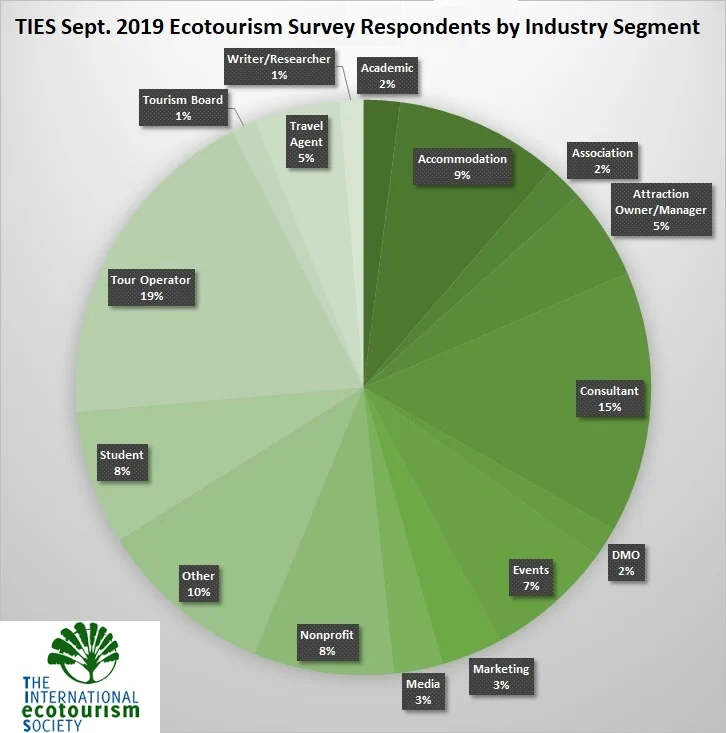
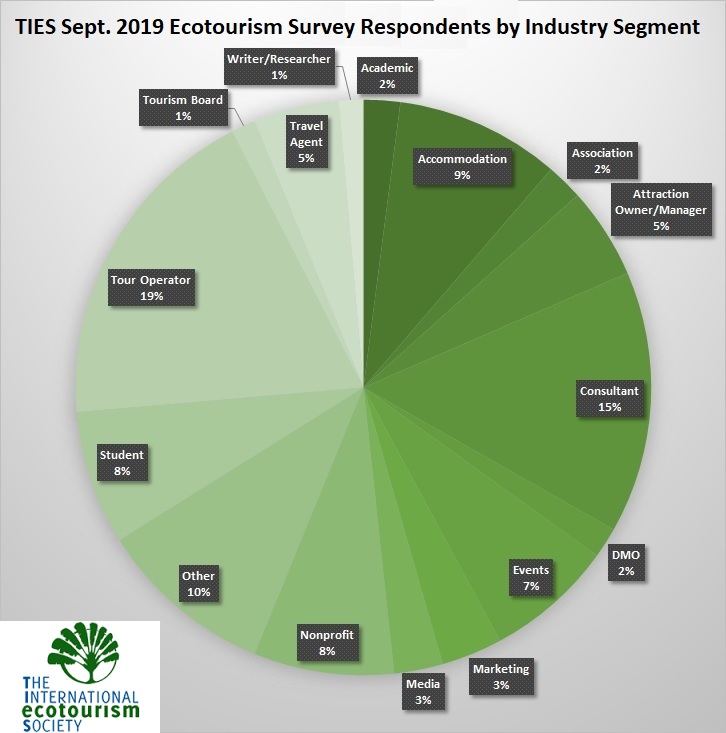
The survey successfully captured a wide cross-section of the tourism sector. Approximately 90% of respondents were able to categorize themselves within the predefined industry segments, which included tour operators, consultants, conservationists, and hospitality managers.
However, the feedback also revealed a critical insight regarding the industry’s complexity: many professionals operate across multiple domains. A recurring suggestion was the need for future surveys to allow for multi-segment classification, reflecting the "jack-of-all-trades" nature of many modern ecotourism entrepreneurs. While the response from the academic community was slightly lower than anticipated—particularly given their significant presence within TIES’s own membership rolls—the quality of the data remains high, providing a robust foundation for organizational strategy moving forward.
Chronology: Gauging the Growth of Sustainable Travel
The survey results offer a clear, chronological narrative of industry optimism. When asked about the pace of ecotourism development, the response was near-unanimous: the sector is in a state of rapid expansion.
- The Consensus: Out of 971 respondents, a mere four individuals—representing less than 0.5% of the total cohort—suggested that ecotourism was slowing down.
- The Trend: The overwhelming majority identified a "rapid growth" trajectory, a sentiment that aligns with broader market research from global entities like Booking.com. This suggests that the surge in sustainable travel is not a temporary trend, but a permanent structural shift in consumer behavior.
- The Implications: This growth is forcing a recalibration of tourism infrastructure. As demand rises, the industry is transitioning from a niche market to a primary pillar of global economic development, placing increased pressure on stakeholders to ensure that this growth remains authentic and environmentally sound.
Addressing the Language Gap: The Case for Inclusivity
A significant finding from the survey was the urgent call for linguistic diversity. Respondents identified a clear need for TIES to expand its resources beyond English. Spanish emerged as the top priority, with a strong mandate that ecotourism development in Spanish-speaking regions is currently a key driver of the industry’s vitality.
Furthermore, the data highlighted the importance of French and Mandarin. The latter is particularly noteworthy; despite the survey receiving only four responses from China, the demand for Mandarin content suggests a recognition of China’s burgeoning role as both a provider and a consumer of ecotourism. TIES has acknowledged this as a primary strategic goal, with plans to roll out Spanish-language support across its platforms as a pilot project for a more multilingual future. This shift is essential to ensuring that the tools of sustainable development are accessible to those on the front lines of conservation, regardless of their native language.
The Challenges: Confronting the "Dark Side" of Growth
Despite the prevailing optimism, the survey did not shy away from the existential threats facing the sector. Respondents provided a candid list of obstacles, painting a complex picture of an industry grappling with the consequences of its own success.
Key Industry Challenges Identified:
- Greed and Overdevelopment: The commodification of natural sites remains a primary concern. Respondents expressed fear that profit-driven expansion often comes at the expense of local ecosystems.
- Overtourism: As ecotourism becomes more popular, the risk of "loving a place to death" is becoming a tangible reality for many destinations.
- Regulatory and Financial Barriers: Many entrepreneurs cited a lack of institutional support, noting that the hurdles for permits and specialized financing are often prohibitively high.
- The "Booking Barrier": Perhaps most importantly, there is a distinct lack of user-friendly platforms that allow travelers to book ecotourism experiences with transparency and fairness. This "consumer friction" remains a major bottleneck in moving sustainable travel from a niche choice to a mass-market reality.
Official Responses and Strategic Pivot
The survey results have served as a catalyst for TIES’s internal review of its strategic priorities. When asked which initiatives the organization should champion, the response was definitive:
- Education (41%): The clear frontrunner, emphasizing a need for better training, certification, and public awareness.
- Conservation and Climate Partnerships (18%): A recognition that ecotourism must be tethered to measurable environmental outcomes.
- Ecodestinations (14%): A desire for curated, country-by-country data to help professionals and travelers identify reputable offerings.
- Publications and Social Media (20%): A continued emphasis on knowledge dissemination and digital presence.
Notably, traditional industry focuses—such as increasing membership or engaging in high-level UN policy—ranked low on the list of priorities for the respondents. This indicates a shift in the membership’s mindset: they are looking for practical, on-the-ground support rather than bureaucratic or institutional representation.
Implications: A Roadmap for the Future
The implications of this survey are far-reaching. The industry is signaling that it no longer requires a top-down approach; it is demanding an educational and collaborative ecosystem.
For TIES, this means an immediate pivot toward partnerships in the education sector. By focusing on training and the creation of standardized, high-quality information, the organization intends to address the "lack of knowledge" barrier identified by respondents. Furthermore, the commitment to language inclusivity suggests that the next phase of ecotourism growth will be driven by localized knowledge sharing.
The optimism displayed by the 971 participants is perhaps the most significant takeaway. Despite the daunting challenges of climate change and overtourism, the industry professionals surveyed remain confident that ecotourism provides a superior, more ethical way to experience the world. As we look toward the next decade, the focus must shift from merely promoting "green" travel to ensuring that the industry is equipped with the tools, language, and educational infrastructure necessary to protect the very destinations it seeks to promote.
In conclusion, the 2019 TIES survey has provided more than just data; it has provided a mandate. By aligning its resources with the expressed needs of its global community—prioritizing education, linguistic accessibility, and tangible conservation partnerships—the industry is positioning itself to lead the global transition toward a more sustainable and equitable tourism model. As the world continues to navigate the complexities of global travel, the voice of the ecotourism professional remains the most critical guide for the journey ahead.