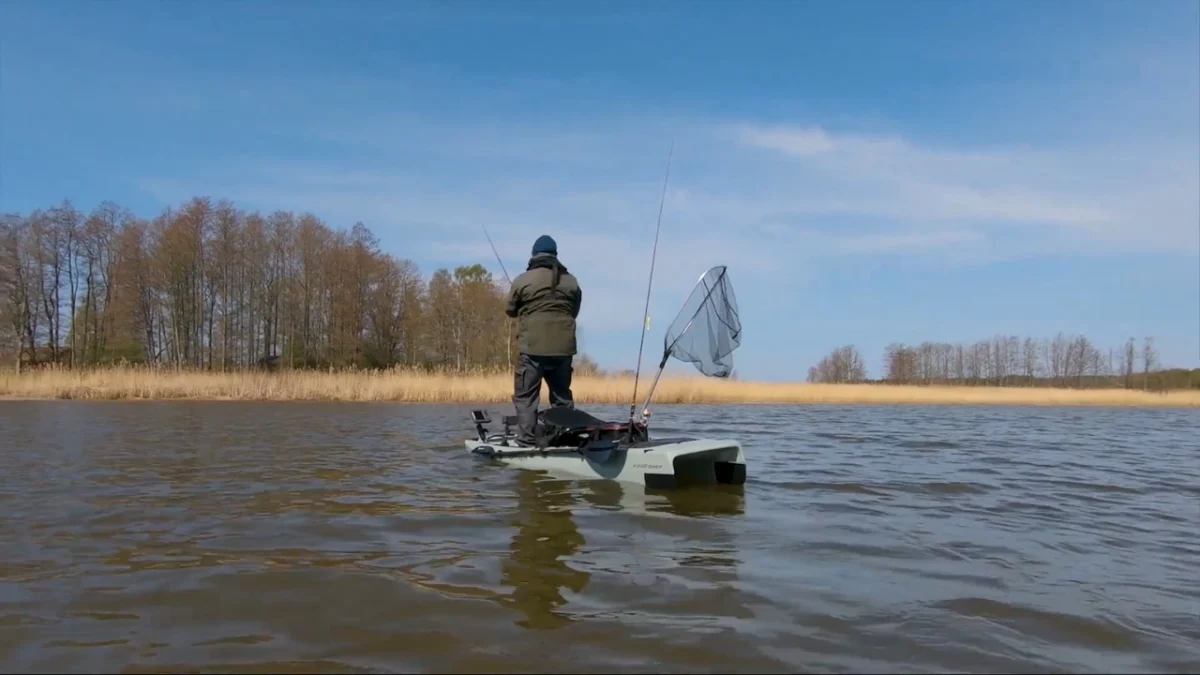
There is a specific, adrenaline-fueled euphoria that defines the kayak fishing experience. You are low to the water, tethered to the pulse of the ecosystem, and when a heavy hitter finally strikes your line, the ensuing tug-of-war is deeply personal. However, as any seasoned angler will eventually learn, not every fight concludes with a celebratory dinner.
In the world of sport fishing, there is a recurring debate surrounding the so-called "trash fish"—species that are either difficult to process, unpalatable to the average palate, or potentially hazardous to human health. While the thrill of the catch is universal, the transition from the water to the dinner plate is a complex process governed by culinary science, environmental biology, and federal health guidelines. For the kayak angler, whose workspace is limited and whose resources for handling are often constrained by the size of the vessel, knowing which fish to keep and which to release is a vital skill.
The Triad of Avoidance: Why Some Fish Miss the Cut
When we categorize fish that are commonly skipped by the culinary-minded angler, they generally fall into three distinct camps. First, there are the "mudsuckers"—freshwater species that forage in stagnant, sediment-heavy environments. Second, we have the oily, aggressive saltwater predators that, if not handled with surgical precision, can taste remarkably like a battery or harbor toxic heavy metals. Finally, there are the "labor-intensive" species, which are so heavily armored or laden with complex bone structures that the time investment required to harvest the meat far outweighs the nutritional or gastronomic return.
From the ubiquitous common carp to the high-mercury king mackerel, the "bad reputation" of these twelve species is rarely arbitrary. It is usually a confluence of biological reality and poor handling techniques.
A Chronology of the Catch: From Hook to Harvest
The path to a bad meal usually begins the moment the fish is pulled from the water. For the kayak angler, the timeline is accelerated by the environment. Unlike a larger boat with an onboard freezer and a dedicated cleaning station, a kayak provides limited space and exposure to direct sunlight.
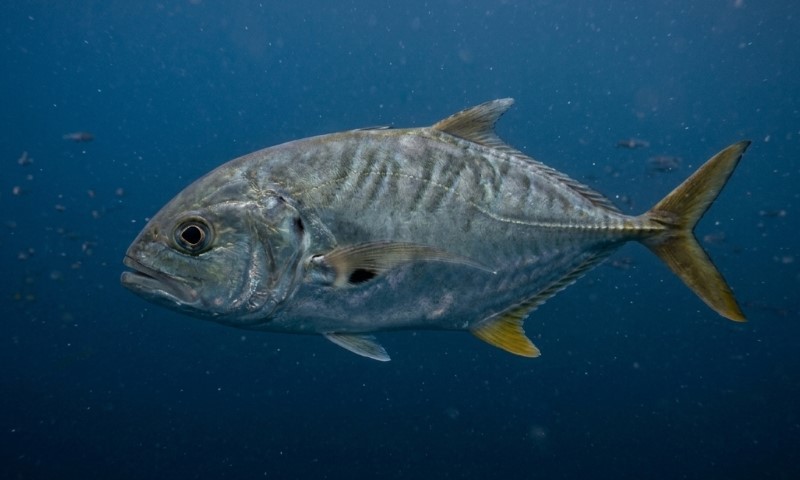
- The Struggle: The process begins with the fight. High-stress, high-exertion fights—such as those with a large Jack Crevalle—cause the fish to release lactic acid and adrenaline into its muscle tissue, which can drastically degrade meat quality.
- The Handling: If the species is prone to "mushy" flesh (like the Bowfin), the clock starts the second the fish is landed. Without immediate, aggressive icing, the enzymes begin to liquefy the muscle fibers.
- The Processing: Many "trash fish" require specific, often messy, bleeding or skinning techniques. Performing a "crime scene" level of cleaning in a small, unstable cockpit is not only a logistical nightmare but can attract unwanted pests or leave the vessel smelling like rancid fish for weeks.
- The Consumption: The final step involves the preparation. Whether it is neutralizing the ammonia in a shark or smoking a bony carp, the preparation method must match the fish’s unique biological challenges.
Official Data and Regulatory Perspectives
Flavor, while subjective, is often secondary to the objective realities of chemical accumulation. Federal agencies, including the Food and Drug Administration (FDA) and the Environmental Protection Agency (EPA), provide a critical framework for safety that every angler should consult.
The EPA’s "Choice to Avoid" group is not merely a suggestion; it is a vital safety guide based on long-term data regarding mercury and PCB bioaccumulation. Predators at the top of the food chain—such as King Mackerel, Swordfish, and certain large sharks—operate as biological sponges. Because they live long lives and eat other fish, they concentrate toxins in their fat and muscle tissue.
Research from DTU Food highlights that the "off" flavors we associate with poor water quality, specifically the muddy, earthy taste known as geosmin, are caused by natural compounds produced by cyanobacteria and actinobacteria. While geosmin is technically harmless, it is a marker of an environment that may also contain industrial pollutants. Therefore, the "taste" of a fish often acts as a warning system for the health of the local water column.
Quick Ranking: Worst Tasting Fish According to Angler Feedback
| Rank | Species | Primary Issue | Safety Concern | Recommended Action |
|---|---|---|---|---|
| 1 | Common Carp | Muddy, Y-bones | Contaminants | Keep only from clean water |
| 2 | Bowfin | Mushy texture | Handling difficulty | Eat fresh or release |
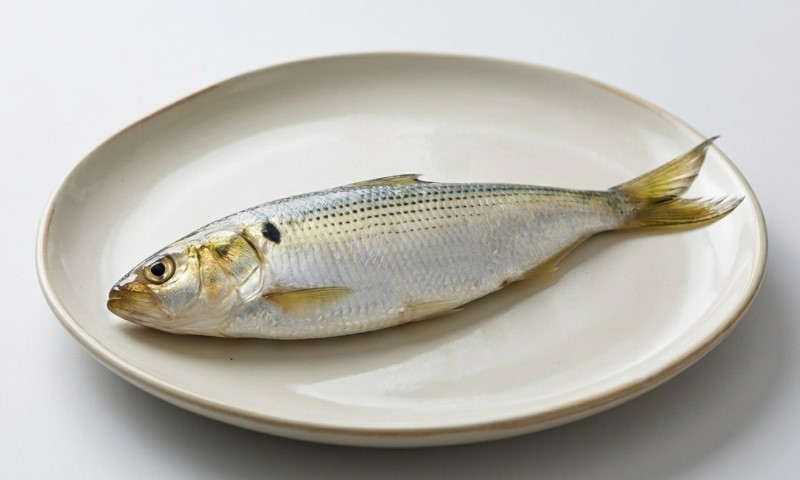
| 3 | Gizzard Shad | Oily, bony | Generally unpalatable | Use as bait |
| 4 | Large Bluefish | Strong/fishy | Mercury/PCBs | Bleed, ice, trim dark meat |
| 5 | Jack Crevalle | Metallic/bloody | High stress/handling | Keep small ones only |
| 6 | Bigmouth Buffalo | Coarse/muddy | Advisory waters | Smoke or grind |
| 7 | Freshwater Drum | Rubbery texture | Mercury advisories | Check local guidelines |
| 8 | Large Black Drum | Wormy, coarse | Parasites | Keep "puppy drum" only |
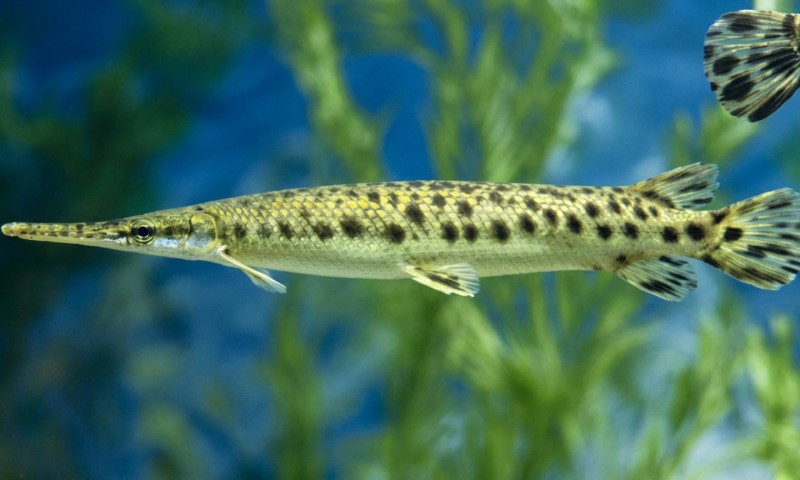
| 9 | Gar | Difficult to clean | Roe toxicity | Never eat the eggs |
| 10 | Barracuda | Variable flavor | Ciguatera | Avoid in reef zones |
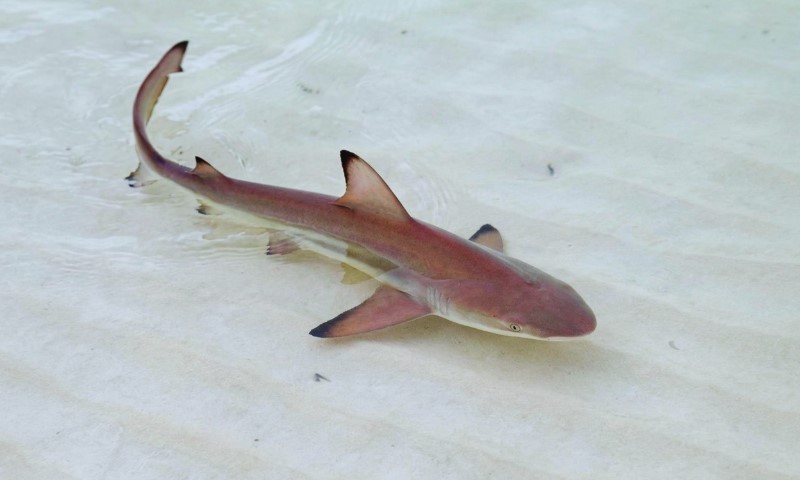
| 11 | Shark | Ammonia-like | Mercury/spoilage | Generally avoid |
| 12 | King Mackerel | Strong flavor | High mercury | Avoid large specimens |
Deep Dive: Case Studies in Challenging Species
The Common Carp (The Environmental Reflector)
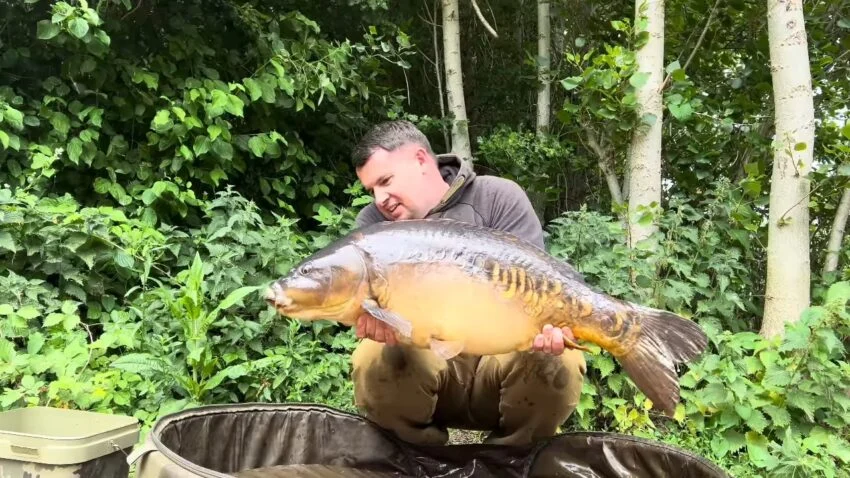
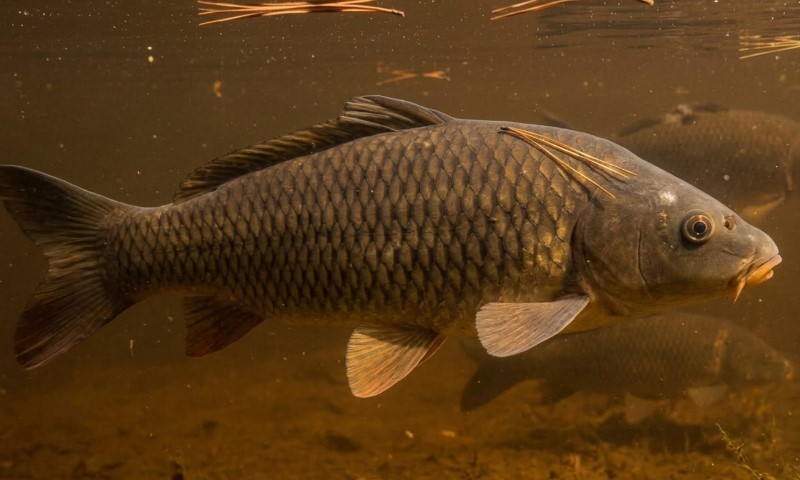
Carp are the ultimate litmus test for water quality. Because they are bottom feeders, they absorb the characteristics of their environment. In a murky, stagnant pond, that translates to a distinct "muddy" taste. Furthermore, their complex "Y-bone" structure is a challenge for even the most proficient fillet knife. However, when harvested from clean, flowing water and prepared via smoking, the meat can be surprisingly palatable.
The Bowfin (The Prehistoric Challenge)
The Bowfin is a living fossil. Their flesh contains specific enzymes that break down muscle structure rapidly. If you are fishing from a kayak and lack a high-capacity cooler with ample ice, a Bowfin will turn into an inedible mush before you reach the boat ramp. They are also notoriously difficult to handle, possessing teeth that can shred a dry bag or a finger in seconds.
The Barracuda (The Ciguatera Gamble)
Barracuda are often considered a "gamble fish." While they are fierce predators, they are primary carriers of Ciguatera, a toxin produced by dinoflagellates on coral reefs. Because this toxin is heat-stable, no amount of cooking will render the fish safe. For most kayak anglers, the risk of poisoning is not worth the culinary payoff, and they remain firmly in the "photo and release" category.
The Large Black Drum (The Parasite Factor)
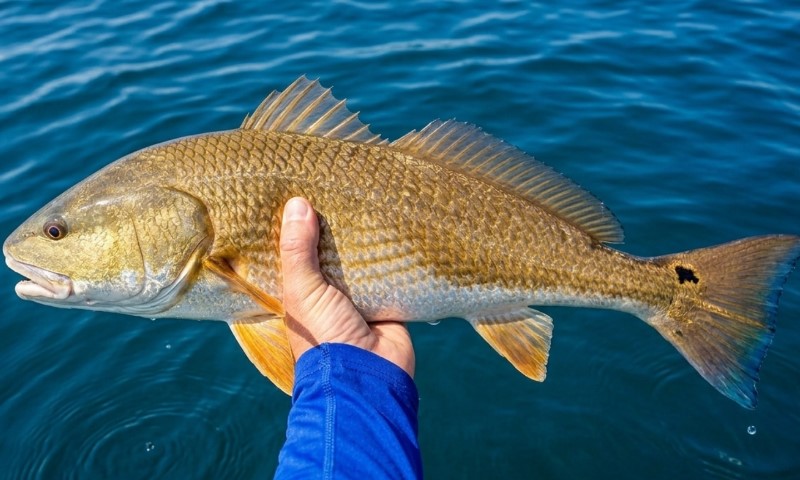
While smaller, younger Black Drum (often called "puppy drum") are considered a delicacy, the large, mature bulls are a different story. They are frequently infested with "spaghetti worms"—parasites that, while harmless if cooked, are visually distressing enough to ruin a meal. Additionally, these older fish are tough and coarse, making them better suited for the ecosystem than the frying pan.
Implications for Modern Conservation
The transition toward a "catch and release" mindset, particularly regarding larger or older specimens, is a fundamental shift in the sport of angling. Ethical fishing is not just about adhering to state-mandated size and bag limits; it is about stewardship.
When an angler realizes they are not equipped to handle a fish—whether that means they lack the proper ice to prevent spoilage or the knowledge to safely clean a species like Gar—the most responsible action is to release the fish. Every fish released properly is an investment in the future of the fishery.
Furthermore, we must acknowledge the limitations of our platform. Kayak fishing is an intimate way to interact with the water, but it is also a small-scale, primitive method compared to the industrial capacity of large vessels. By choosing to target only the species we can handle efficiently and responsibly, we minimize waste and maximize our connection to the environment.
Final Thoughts: The Responsible Angler’s Path
Flavor is inherently subjective, but safety is an absolute. When you are out on the water, you are responsible for the entire life cycle of your catch—from the moment you set the hook to the final bite on your plate. If a fish doesn’t make the grade, or if the risk of toxicity or spoilage is too high, there is no shame in letting it go.
The "trash fish" revolution, which encourages anglers to find ways to prepare these overlooked species, is a positive development for food security and waste reduction. However, it requires a higher standard of care and preparation. Before you paddle out, take the time to cross-reference your catch list with local EPA advisories, and always prioritize the health of the local population over the desire to bring home a heavy stringer.
The water will always be there, and the next cast is always waiting. Whether you are chasing a trophy catch or a fresh dinner, remember that your impact on the water is the most important part of your gear. Respect the fish, respect the limits, and keep your paddles moving. Tight lines.