When one thinks of “ghosts” in literature and folklore, the mind often wanders to ethereal apparitions or the friendly, translucent characters of childhood animation. However, in the vast, submerged realms of our freshwater ecosystems, there exists a ghost of a different variety: the enigmatic and captivating Ghost Carp. Gliding silently through murky depths with an iridescent shimmer, these fish have stirred awe, curiosity, and a fair amount of debate among both professional anglers and aquatic biologists. Far from being a paranormal curiosity, the Ghost Carp is a sophisticated biological achievement—a testament to human ingenuity and the enduring, resilient nature of the Cyprinus carpio family.
Main Facts: Defining the Ghost Carp
The Ghost Carp is not a distinct species in the biological sense, but rather a specialized, ornamental hybrid. Genetically, they are indistinguishable from the traditional Cyprinus carpio (common carp) and are closely related to the famed Japanese Nishikigoi (Koi).
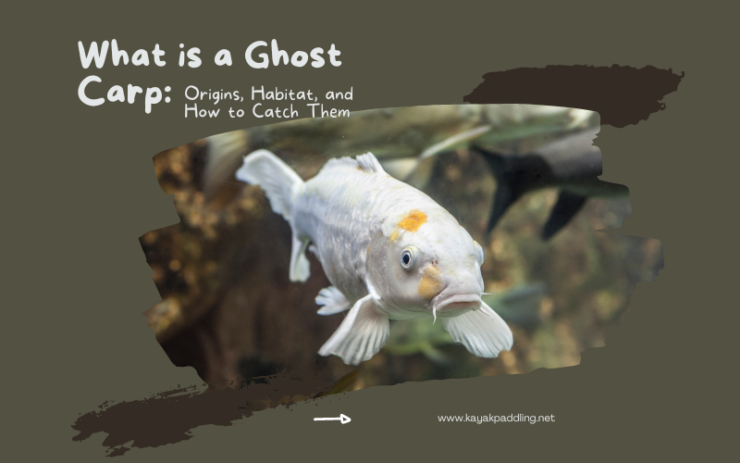
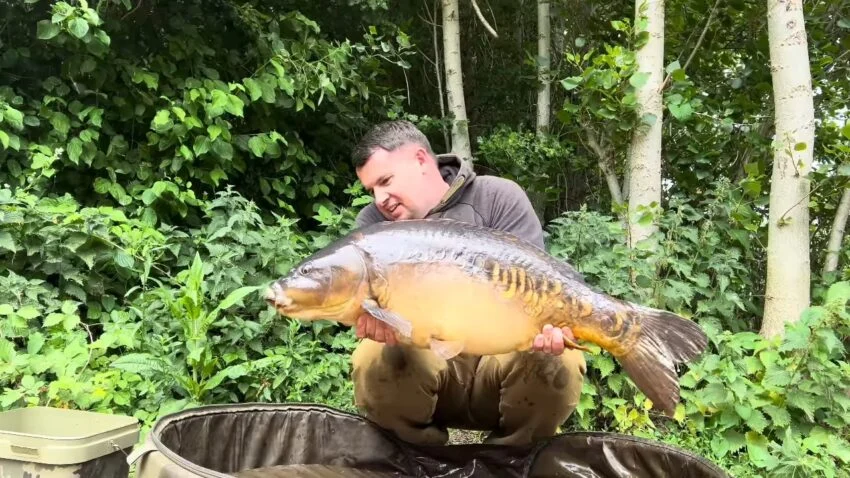
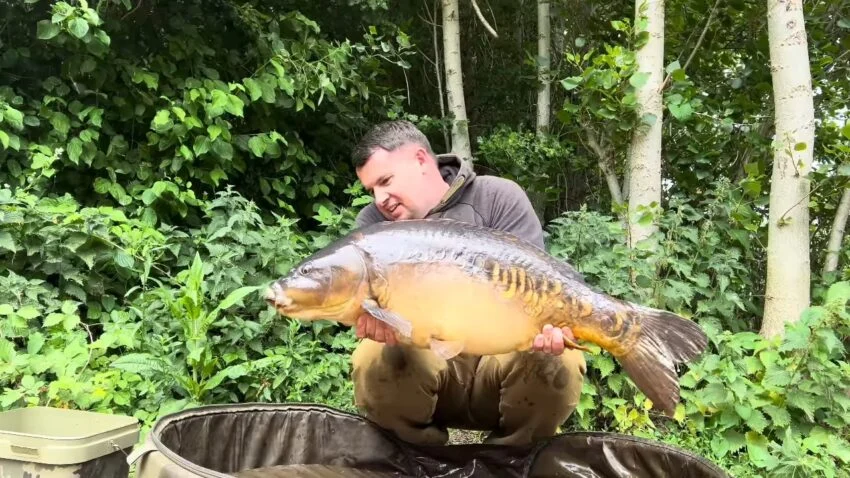
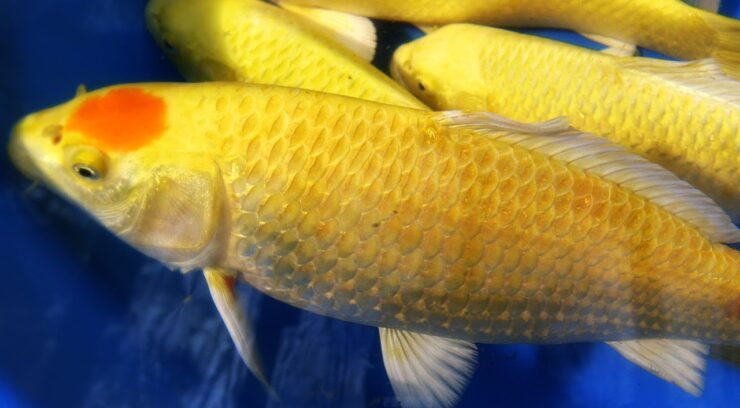
Their defining characteristic is their "ghostly" appearance, a result of selective breeding that emphasizes metallic, reflective scales and skin. They possess a robust, torpedo-shaped anatomy, designed for power and endurance. While they may appear delicate due to their shimmering highlights, they are, in fact, one of the most hardy freshwater inhabitants on the planet.
Biological Profile
- Scientific Name: Cyprinus carpio
- Average Weight: 6–15 lbs (2.7–6.8 kg)
- Maximum Recorded Weight: Up to 94 lbs (42 kg)
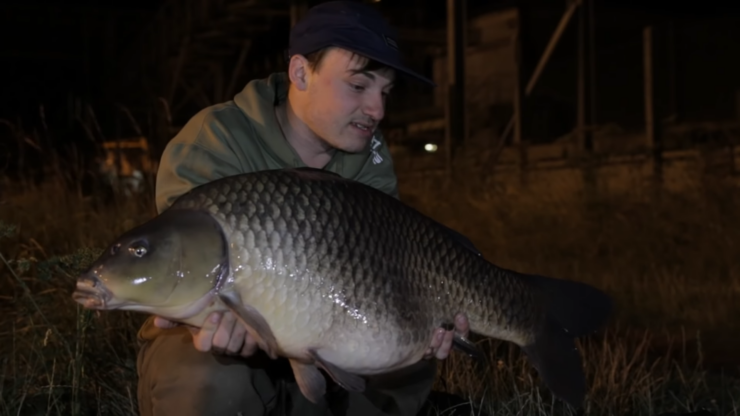
- Average Length: 18–26 inches (45–65 cm)
- Maximum Length: Up to 48 inches (120 cm)
- Lifespan: 9–45 years, depending on environmental conditions and habitat management.
A Chronology of Creation: From Pond to Pedigree
The history of the Ghost Carp is a relatively modern tale of selective breeding. While carp have been cultivated for food in Asia and Central Europe for centuries, the specific "Ghost" variety emerged in the 1980s.
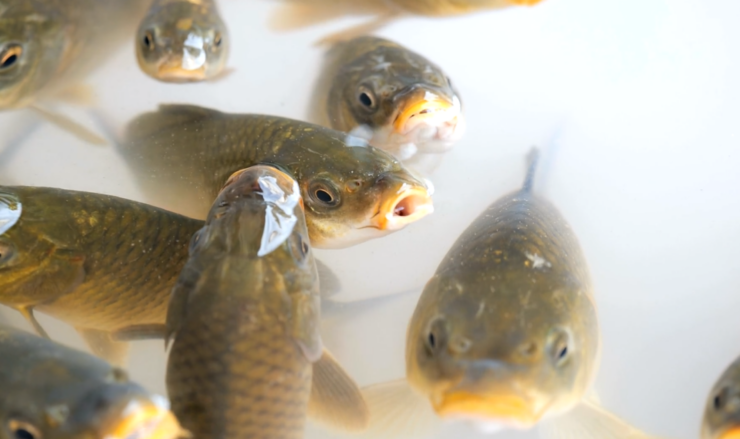
An ingenious fish breeder sought to create a fish that possessed the hardiness of the common carp but with the aesthetic brilliance of ornamental Koi. By crossbreeding a Mirror or Common Carp with the metallic, yellow-hued Yamabuki Ogon Koi, the first generation of Ghost Carp was born.
Initially, these hybrids were dark and unremarkable, but through successive generations of selective pairing, breeders refined the expression of their crystalline purine cells. These cells act as biological mirrors, reflecting light and creating that signature "metallic" shimmer that makes the fish seem to vanish and reappear in the water—hence the moniker "Ghost."
Supporting Data: Understanding the "Ghostly" Physiology
The mystique of the Ghost Carp is rooted in science, specifically in how they interact with light. The bright metallic markings on their heads and flanks are not light-producing organs; rather, they are dense concentrations of crystalline cells beneath the skin. In the murky, eutrophic waters where these fish thrive, these cells catch stray shafts of sunlight, allowing the fish to flash into view for a split second before blending back into the dark sediment.
Growth and Nutrient Dynamics
The growth rate of a Ghost Carp is directly proportional to the nutrient density of its environment.
- Nutrient-Rich Waters: In waters with high agricultural runoff or significant organic matter, carp experience accelerated growth.
- Temperature Tolerance: They are highly resilient, capable of surviving in temperatures ranging from as low as 3°C to over 30°C.
- Oxygen Efficiency: They possess the ability to "gulp" air at the surface, allowing them to thrive in oxygen-depleted waters that would prove fatal to more sensitive native species.
Official Responses and Ecological Implications
The rise of the Ghost Carp has been met with mixed reactions from the environmental community. While they are a prized commodity in the commercial sport-fishing industry of the United Kingdom and parts of Europe, their status in North America and other regions is significantly more contentious.
The Invasive Debate
In the United States, Canada, and parts of Australia, the common carp—and by extension, its ornamental cousins—are often classified as invasive or nuisance species. When these fish escape or are introduced into public waterways, they can cause significant ecological disruption.
- Habitat Destruction: As bottom-feeders, Ghost Carp stir up sediment, which increases water turbidity. This prevents sunlight from reaching aquatic plants, effectively killing off the vegetation that native fish rely on for spawning and cover.
- Resource Competition: Their gregarious nature and voracious appetite mean they often outcompete native species for invertebrates and mollusks.
- Disease Vectors: There is ongoing concern regarding the spread of diseases such as Koi Herpesvirus (KHV). Because Ghost Carp are biologically identical to Koi, they can carry and transmit pathogens that are devastating to both wild fish populations and high-value ornamental collections.
Management Strategies
Governments and environmental agencies have implemented several "official" responses to manage the spread of carp populations:
- Structural Barriers: Using electric or physical barriers to prevent carp from migrating into sensitive, protected wetlands.
- Commercial Harvesting: In areas like the Great Lakes, organized programs incentivize the removal of carp for use in fertilizers or animal feed.
- Biological Controls: Ongoing research into species-specific viruses or pheromone traps to curb reproductive rates without harming native biodiversity.
The Angler’s Challenge: The Psychology of the Hunt
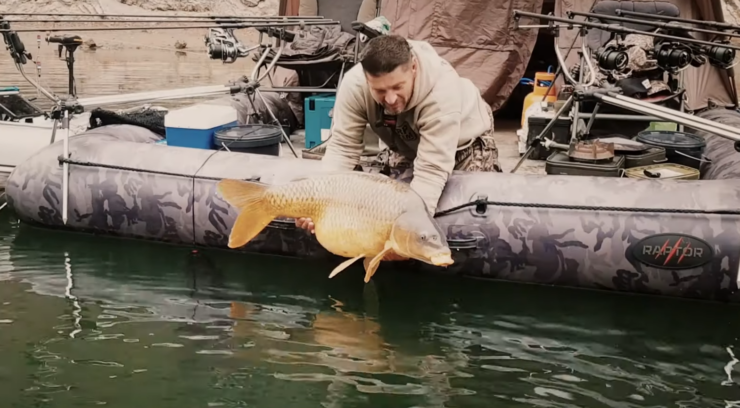
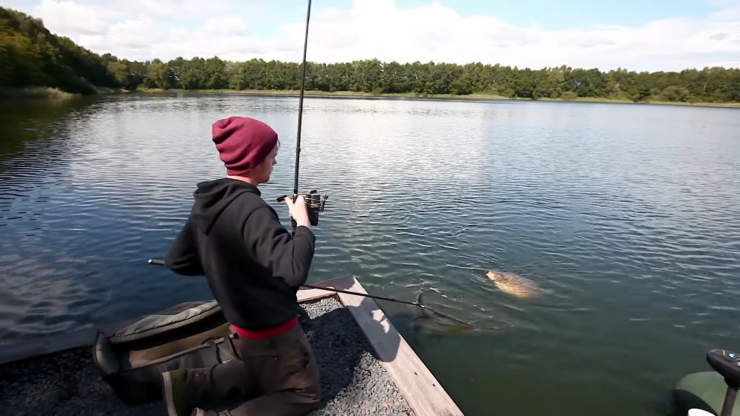
For the recreational angler, the Ghost Carp represents the "holy grail" of freshwater fishing. Unlike other species that might strike at anything, the Ghost Carp is famously cautious. Their intelligence, combined with their tendency to frequent "snaggy" areas like lily pads and submerged timber, makes them a formidable opponent.
Tactical Advice for the Modern Angler
Success with Ghost Carp requires a blend of patience and preparation.
- Bait Selection: While they are omnivorous "freshwater pigs," they show a distinct preference for high-protein pellets, sweetcorn, and luncheon meat. Flavored baits often prove more effective in high-pressure fisheries.
- Stealth: Because they are cautious, it is vital to keep noise to a minimum. Fishing during low-light hours, when the fish are more active, often yields better results.
- Mobility: Do not stay in one spot. If a particular swim isn’t yielding results, move. Ghost Carp are mobile and will congregate where the food is most abundant.
Conclusion: Fact vs. Folklore
It is essential to separate the legend from the reality. The Ghost Carp is not a magical entity with paranormal abilities; it is a fascinating, engineered masterpiece of 20th-century fish husbandry. They require careful management, both in the home aquarium—where they need at least 25 liters of water per fish to prevent stunted growth—and in the wild, where their population must be monitored to protect fragile ecosystems.
Whether you are an angler seeking the thrill of a fight against a 30-pound phantom or an enthusiast admiring their metallic grace, the Ghost Carp remains a vital part of the global angling narrative. They remind us that nature, even when guided by human hands, retains a wild, mysterious, and enduring quality that continues to captivate us all. By approaching these fish with respect for their biology and an understanding of their environmental impact, we can ensure that the "Ghost of the Deep" remains a source of wonder rather than a cause for ecological concern.