The midsummer season is a celebration of botanical abundance, but perhaps no plant family offers as much utility, nutritional density, and ecological grace as the Fabaceae—the legumes. From the hardy field bean (Vicia faba) to the delicate sugar snap pea (Pisum sativum), these plants are the unsung heroes of the garden and the kitchen alike. As gardeners across the northern hemisphere reach the peak of their growing season, the focus shifts to the harvest of these protein-rich treasures.
Main Facts: The Nutritional and Ecological Powerhouse
Legumes occupy a unique position in the plant kingdom. Nutritionally, they are a cornerstone of a sustainable diet, offering high-quality plant-based protein that serves as a vital alternative to animal products. However, their value extends far beyond the dinner plate.
Ecologically, legumes are essential partners in soil health. Through a remarkable symbiotic relationship with nitrogen-fixing bacteria (specifically Rhizobium), these plants possess the ability to draw nitrogen directly from the atmosphere and convert it into a form that plants can utilize. This process naturally enriches the soil, making legumes an ideal companion for heavy-feeding vegetables that require nutrient-dense earth to thrive. By integrating legumes into a garden rotation, cultivators can reduce their reliance on synthetic fertilizers, fostering a regenerative ecosystem.
Chronology of the Harvest: A Seasonal Progression
The rhythm of the legume season is a well-choreographed dance, beginning long before the first pods ripen.
Spring: The Prelude
The season begins in early spring, often while the soil is still cool. As seedlings are started indoors or moved to the garden, the first true harvest arrives: pea shoots. These tender, flavorful greens are a welcome addition to the table at a time when fresh produce is otherwise scarce. They provide a vital nutritional bridge between the last of the root cellar stores and the first true summer harvest.
Early Summer: The Sugar Snap Era
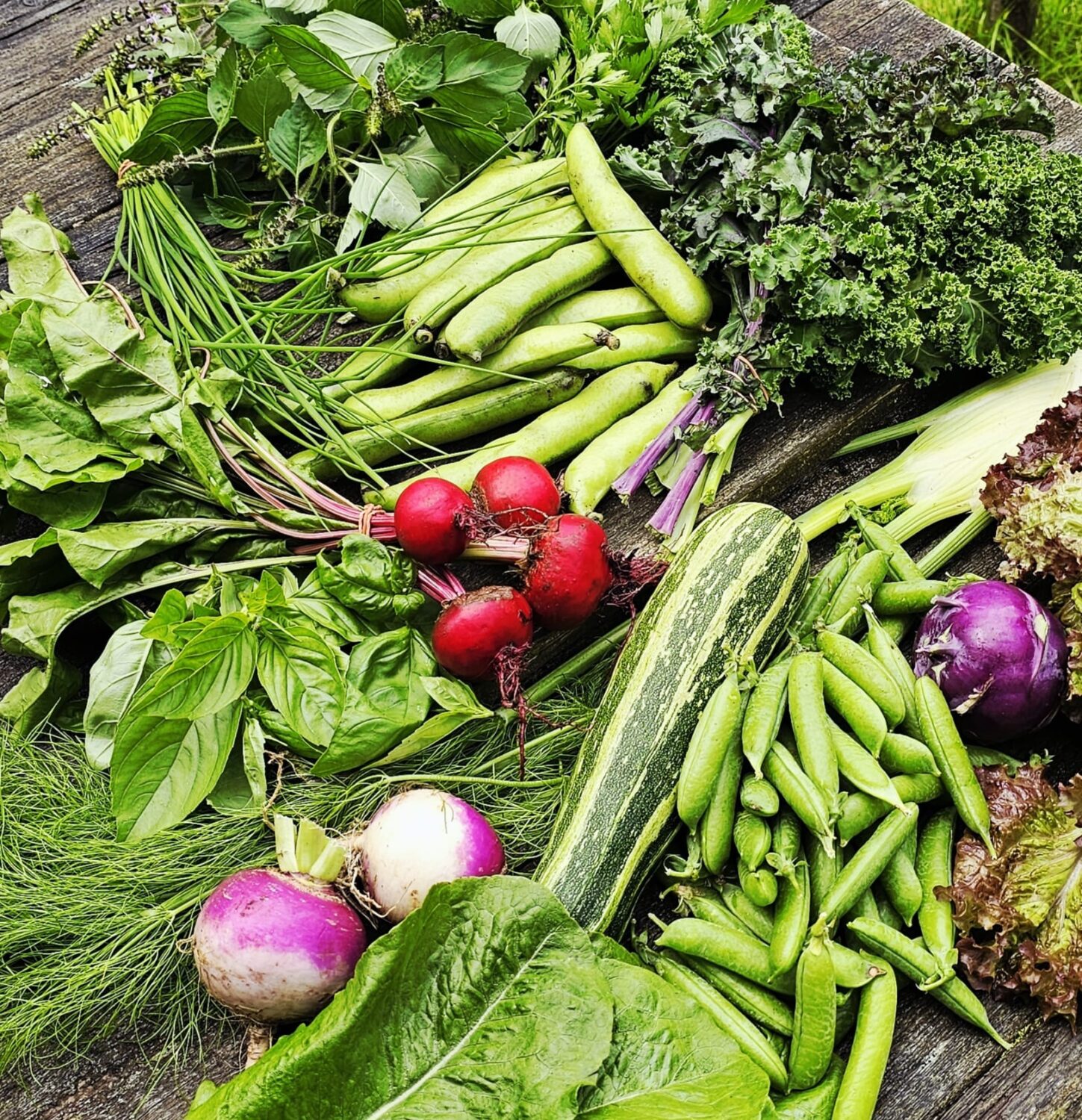
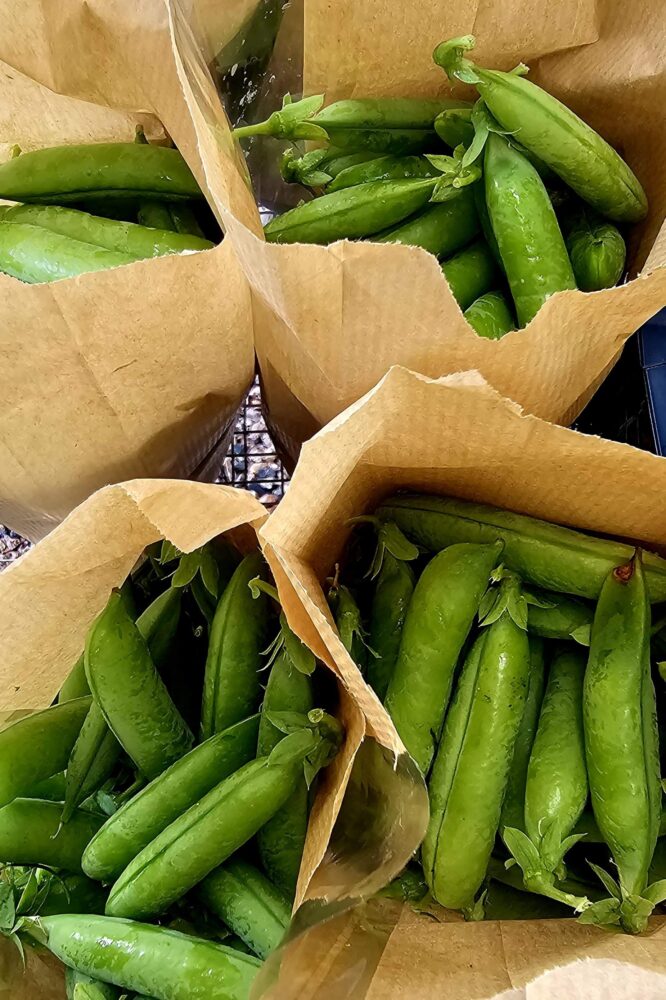
By late spring and early summer, the garden yields its first heavy crops. The sugar snap pea (Pisum sativum) is a standout performer. Unlike traditional shelling peas, these can be consumed whole, pod and all. They provide a satisfying crunch that makes them perfect for salads or quick stir-fries. Varieties such as ‘Norli’ have proven to be exceptionally reliable, often providing a bountiful harvest well before the Midsummer festivities.
Mid-to-Late Summer: The Shelling and Bean Phase
Following the sugar snaps, the focus shifts to the more labor-intensive but deeply rewarding shelling peas. Varieties like ‘Ambassador’ have become a staple for many, ripening in the heat of mid-July. While many gardeners dream of creating complex dishes like fresh pea soup, the reality is often that these pods are consumed straight from the vine, their flavor being too pristine to warrant significant culinary modification.
As the pea harvest wanes, the field bean (Vicia faba) and the common bean (Phaseolus vulgaris) take center stage. These crops thrive in the warming soil and provide a reliable harvest that extends into the autumn months.
Supporting Data: Cultivation and Culinary Techniques
The success of a legume harvest relies on both traditional wisdom and modern horticultural practices.
Supporting the Growth
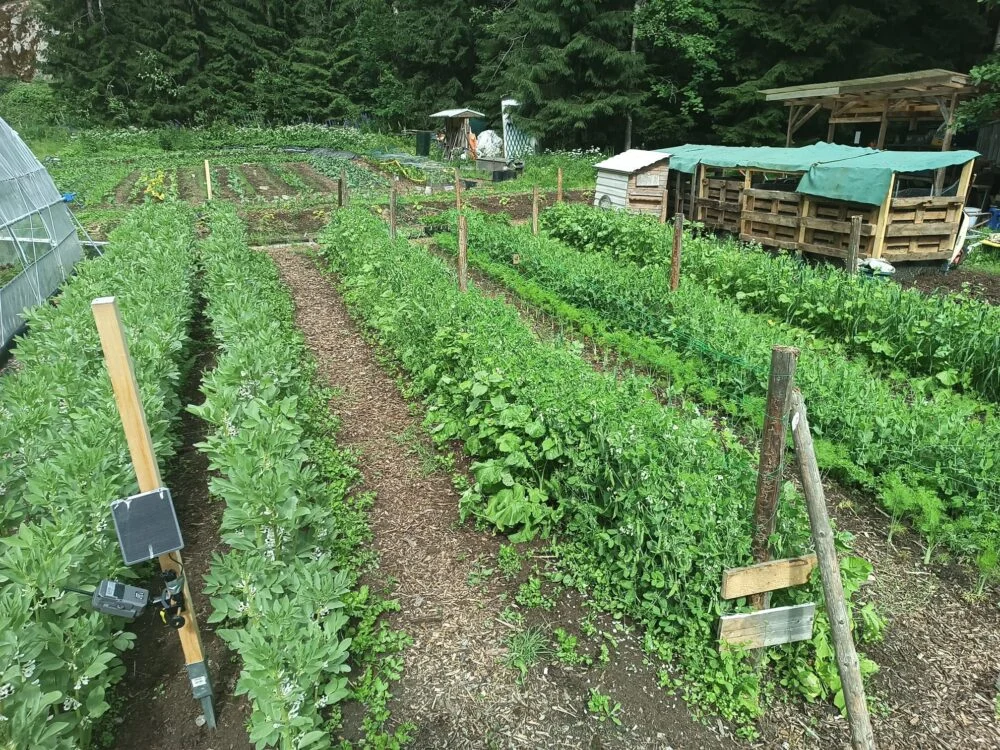
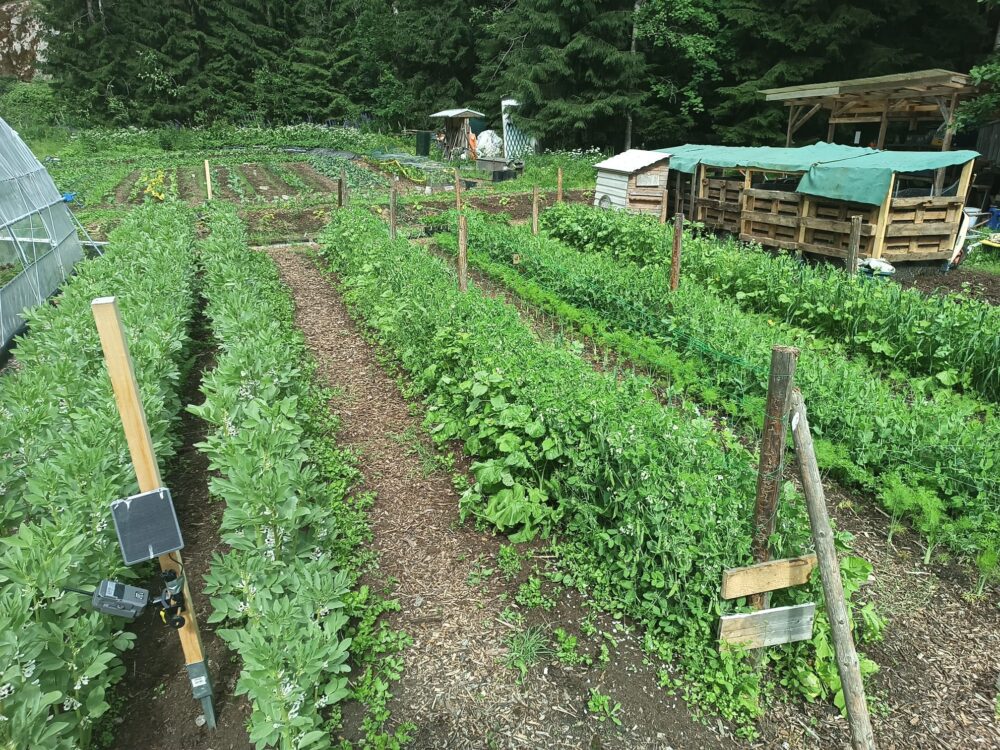
It is a common mistake to leave tall-growing varieties unsupported. Field beans, for instance, grow to significant heights and produce heavy pods; providing them with structural support is essential to prevent lodging and ensure the pods remain clean and free from soil-borne pathogens.
The Art of Preservation
To extend the harvest throughout the winter, proper preservation is key. Blanching—a process of quickly submerging the legumes in boiling water before cooling them—is critical. This technique preserves the vibrant color and firm texture of the vegetables, ensuring they remain appealing even after months in the freezer.
Fermentation: The Secret to Digestibility
One of the most significant challenges with legumes is their complex carbohydrate structure, which can cause digestive discomfort for some individuals. Fermentation, or "pickling" in a three-percent salt brine, is an underutilized method for addressing this. By fermenting beans and peas, the complex sugars are partially broken down, making them significantly easier to digest. This process also enhances the natural aromatics of the legumes, allowing the gardener to season the finished dish according to their specific culinary preferences.
Global Perspectives and Historical Context
The reliance on legumes is not a modern trend but a return to ancient agricultural roots. In regions such as the Middle East, North Africa, and Mexico, legumes have served as a nutritional backbone for millennia.
In Ethiopia, for example, the dish ful medames—a slow-cooked fava bean stew—is a standard breakfast item, often served with onions and tomatoes. This dish highlights the versatility of the fava bean, a crop that has a long history of cultivation in the Nordic countries as well.
In Finland, fava beans and peas were a staple of the diet long before the introduction of the potato. While the 20th century saw a shift toward using these crops primarily for animal feed, there is currently a major resurgence in human consumption. Recognizing the nutrient density and environmental efficiency of the fava bean, modern consumers are increasingly bringing this "green gold" back to the dinner table.
Implications for Modern Gastronomy and Home Gardening
The versatility of the Fabaceae family offers endless opportunities for the adventurous gardener.
The Beauty of Diversity
Beyond the standard green bean, gardeners are finding joy in heirloom varieties. The ‘Sanguigno’ borlotti bean, with its stunning pink marble patterning, serves as both a beautiful aesthetic addition to the garden and a culinary delight. Similarly, the ongoing interest in rare perennial legumes, such as the tuberous pea (Lathyrus tuberosus), shows the depth of this botanical category. These plants produce dark, tuberous roots often described as having a chestnut-like flavor when roasted, providing a fascinating, if elusive, addition to the autumn harvest.
A Social Culinary Experience
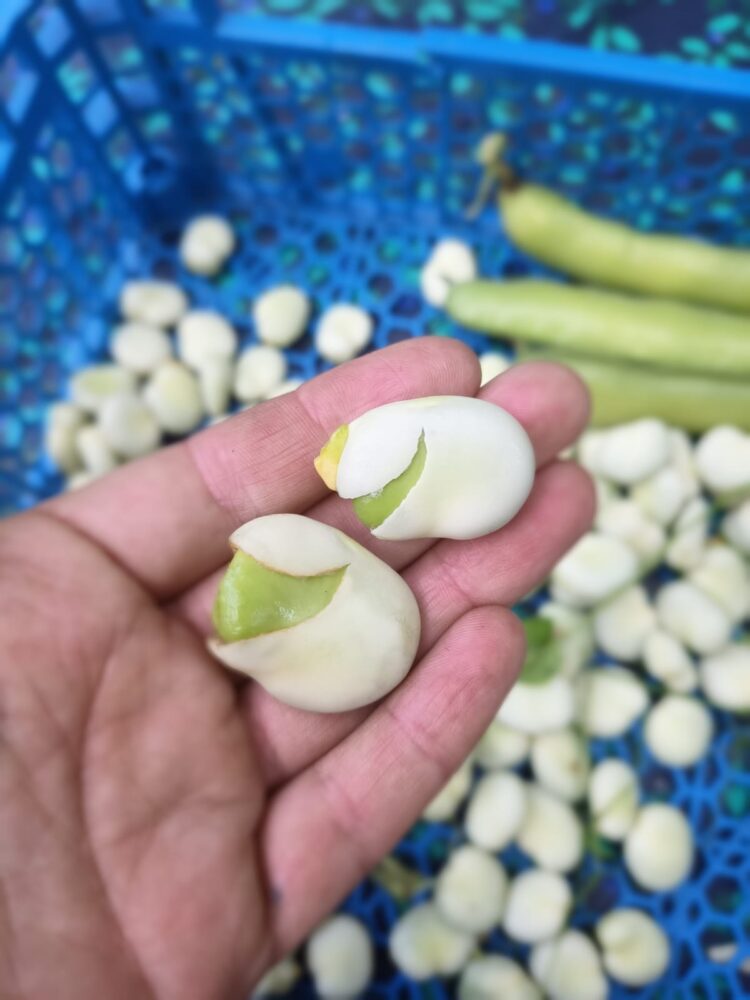
The preparation of fresh fava beans is, in many ways, an act of community. Much like the process of peeling shellfish, the manual labor of removing the outer pod and the subsequent inner skin of the fava bean is a slow, meditative process. When served as an appetizer—perhaps lightly mashed on sourdough toast with fresh dill—they become an elegant, interactive element of a social gathering. This ritualistic approach to food preparation reconnects the eater to the source of their sustenance.
Conclusion: A Call to Cultivate
The legume family represents a perfect synthesis of environmental stewardship and nutritional necessity. Whether you are a small-scale gardener looking to improve your soil health or a culinary enthusiast seeking the freshest, most flavorful ingredients, the Fabaceae family offers a path toward a more sustainable and fulfilling lifestyle.
As the summer sun wanes and the final pods are harvested, the lessons remain clear: by respecting the natural cycles of growth and employing traditional techniques like fermentation and careful preservation, we can secure a harvest that sustains us throughout the year. The return of these ancient, protein-packed plants to our gardens and plates is not merely a trend—it is a necessary step toward a more resilient food future.
May your harvest be bountiful, your soil be rich, and your kitchen be filled with the quiet, green gold of the summer season.