Introduction: A Discovery in the Depths
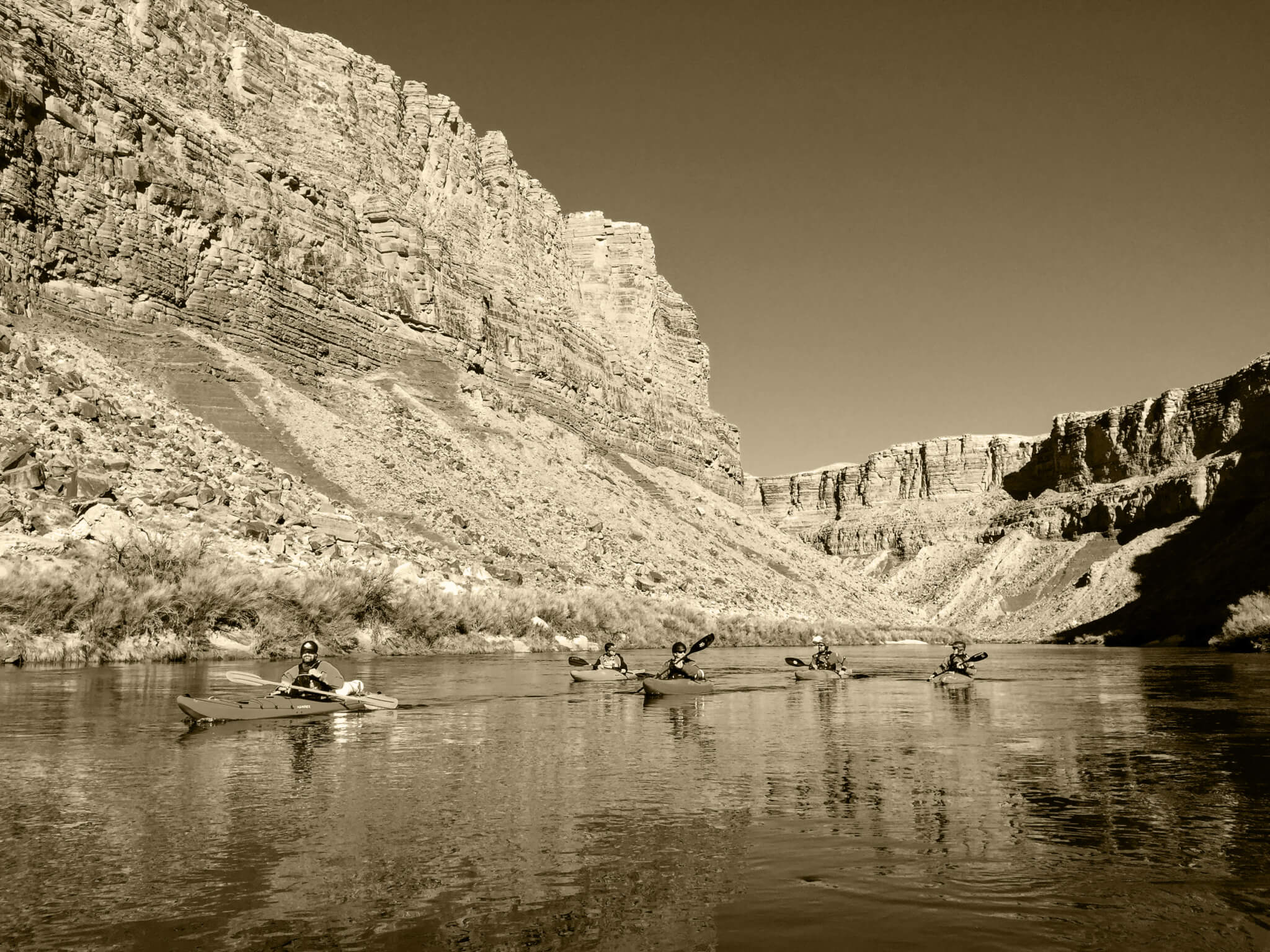
On January 26, a team of four seasoned instructors from Whitewater Rescue Institute (WRI)—Paul Heffernan, Matt O’Reilly, Frank Preston, and Cody Harris—embarked on an ambitious, self-supported kayak expedition down the Colorado River. Spanning 280 miles from Lees Ferry, Arizona, through the heart of the Grand Canyon to Pearce Ferry, the ten-day odyssey was not merely a feat of physical endurance, but a masterclass in logistically complex wilderness travel.
Following the expedition, a series of handwritten letters and candid photographs were recovered from the bottom of a water-logged drybag. Authored by an anonymous crew member—who adopted the moniker "Little Spoon"—these dispatches offer a rare, intimate look at the realities of self-supported paddling: the grueling labor of packing, the tactical challenges of food management, and the profound psychological toll of the canyon’s immense scale.
What follows is an enriched chronicle of their journey, serving as both a travelogue and a vital resource for any paddler considering the challenge of the Grand.
Chronology of the Descent
Days 1–3: The Heavy Lift and the "Roaring 20s"
The expedition began under clear, 70-degree "bluebird" skies at Lees Ferry. The initial hurdle was not the river, but the logistics. With 10 paddlers in the group, the challenge was ensuring every participant was entirely self-contained. Each paddler was responsible for their own kitchen, camp kit, and food supply.

The weight of the boats was the first reality check. As the group launched at 1 p.m., each craft weighed between 175 and 200 pounds, forcing the paddlers to quickly adjust their strokes. By the end of Day 1, the team had covered 21 miles, navigating the infamous House Rock Rapid—a run that resulted in one swimmer and the loss of a GoPro camera.
By Day 2, the team found their rhythm. They navigated the "Roaring 20s," a section of the river defined by consistent, spirited whitewater. The day offered cultural and geological highlights, including a hike up Shinumo Wash (Silver Grotto) and lunch at the iconic Red Wall Cavern. By Day 3, the walls of the canyon rose to dizzying heights. The team camped at Cardenas, just upstream of Unkar Rapid, where they began to experience the first equipment failures of the trip—specifically, inflatable sleeping pads that refused to hold air.

Days 4–6: Entering the Inner Gorge
As the river turned east on Day 4, the geology shifted from limestone to the dark, ominous schist and granite of the Inner Gorge. This transition signaled a change in the river’s temperament. The team tackled legendary rapids, including Hance, Sockdolager, Horn Creek, Granite, Hermit, and Crystal.
The anonymous diarist noted the contrast between their own cautious navigation—often skirting the "meat" of the rapids—and the fearless, direct lines chosen by their lead instructor. By Day 5, the halfway point in time was reached. The team paused for cultural exploration, including a hike to Elves Chasm and a lunch break at Blacktail Canyon, which the author described as the most magnificent section of the trip. By Day 6, the mundane challenges of wilderness living, such as the management of "groovers" (portable waste systems), became a primary focus of the daily routine.

Days 7–10: The Long Reach and the Lesson of History
The final push saw the group covering massive distances. Day 7 marked a personal best for the team, with 34 miles paddled. The itinerary included hikes through Matkatamiba and Havasu, followed by the high-stakes run of Lava Falls.
Day 8 brought the first taste of inclement weather. Rain and wind forced the team to huddle in tents for card games, a stark reminder of the volatile nature of the high desert. By Day 9, the team arrived at Separation Canyon—the site where three members of the historic 1869 John Wesley Powell expedition famously chose to hike out rather than face the unknown rapids ahead. The reflection on this history provided a sobering psychological anchor for the modern team, as the river began to flatten out toward the backwaters of Lake Mead.

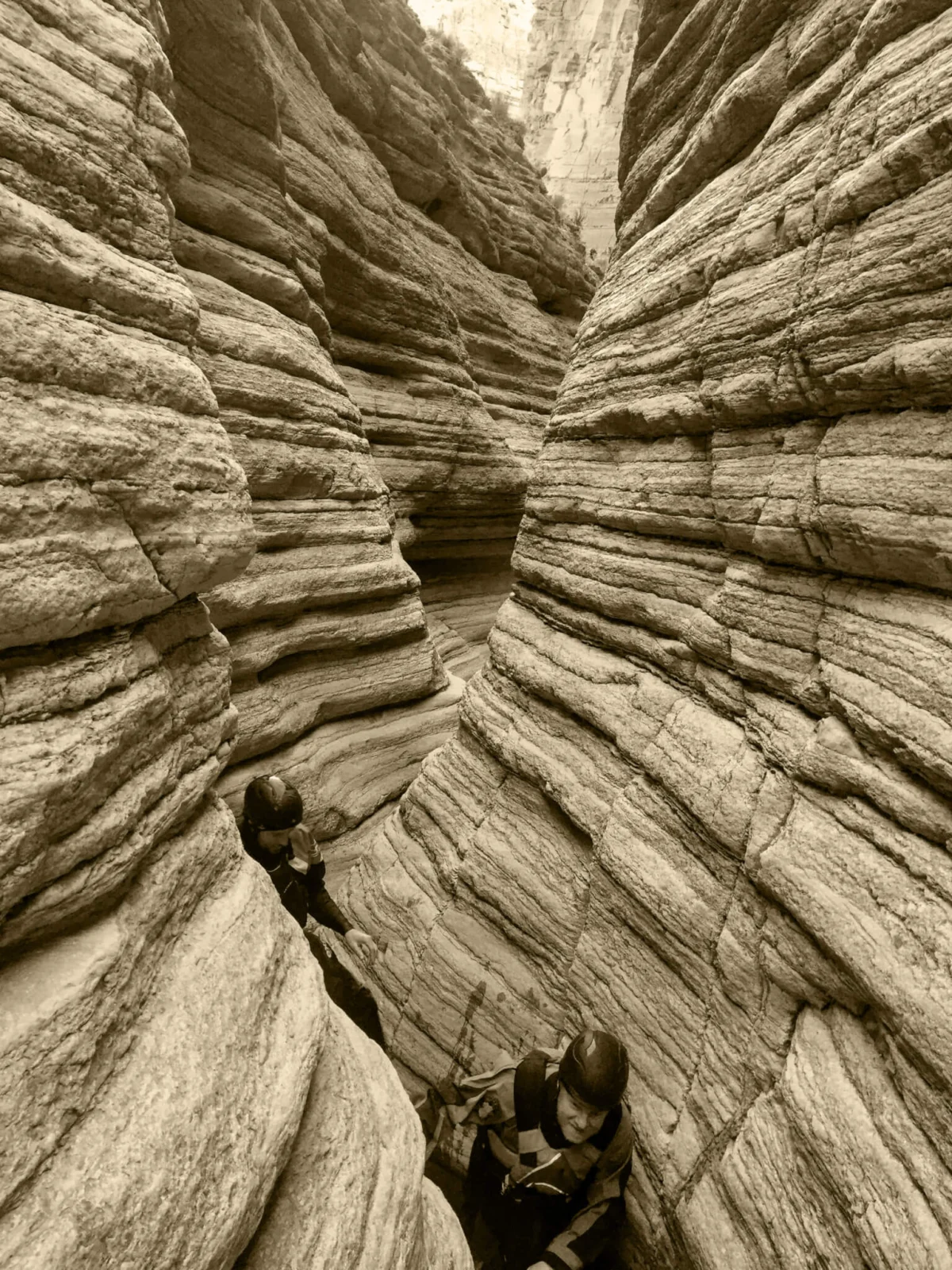
The journey concluded on Day 10 at Pearce Ferry. The transition from the narrow, vertical walls of the canyon to the wide-open plains of the desert provided a jarring, yet rewarding, final perspective on the sheer scale of the Colorado River system.
Supporting Data: The Logistics of Self-Support
The WRI expedition provides a masterclass in the trade-offs required for long-distance, self-supported kayaking:

- Food Strategy: The group employed a diverse approach to nutrition. Some opted for ultra-light freeze-dried meals, which reduced the weight and waste burden. Others utilized vacuum-sealed, pre-made meals, which required more time for preparation but arguably provided higher morale.
- Water Management: Because the river remained relatively clear for the majority of the trip, the need for extensive silt-settling was minimized. Participants carried approximately 4 liters of water, replenishing from clean springs and side-tributaries.
- Weight Management: With boats loaded to 175–200 pounds, the hydrodynamics of the kayaks were drastically altered. The "burro-like" handling of the boats required high-level technical skill to maneuver through class IV and V rapids.
Implications: The River as a Living Entity
Perhaps the most significant takeaway from the "Little Spoon" letters is the changing relationship between humanity and the Colorado River. The author reflects on the "domestication" of the river by the Hoover Dam and the subsequent impact of drought on Lake Mead.
As the lake levels have receded, the river has begun to reclaim its natural path through the silt deposits of the reservoir. This "rebirth" of the river serves as a powerful metaphor: despite human infrastructure and attempts to control the flow, the river continues to carve its own way. The author posits that the canyon—and the river that created it—remains an immutable force, and that human presence is merely a "temporary distraction."

Conclusion
The WRI trip was more than a descent of the Grand Canyon; it was a comprehensive examination of the paddler’s place in the wilderness. By prioritizing self-containment, the team achieved a level of immersion that modern, commercially-supported trips rarely provide. The insights left behind in a discarded drybag serve as a reminder that while the Grand Canyon is a place of immense power, it is also a place that rewards those who approach it with humility, preparation, and a willingness to embrace the discomfort of the journey.
For the modern paddler, the lesson is clear: the river demands your best, but in return, it offers a perspective on time, nature, and the human spirit that can be found nowhere else on earth.