In a decisive move that signals a broader re-evaluation of the renewable energy sector’s near-term commercial viability, Norwegian state-owned energy giant Statkraft has officially finalized the divestment of its UK green hydrogen development assets. This transition, which concludes a process initiated in May 2025, marks the end of the company’s ambitious foray into hydrogen production and underscores a strategic refocusing on core renewable technologies.
As the global energy transition matures, the case of Statkraft serves as a bellwether for the challenges facing green hydrogen—a fuel once touted as the "silver bullet" for industrial decarbonization, now grappling with high capital costs, infrastructure bottlenecks, and uncertain regulatory support.
Main Facts: The Transfer of Assets
The divestment sees Statkraft’s UK-based hydrogen portfolio transferred to Kentron Green Nordic, an entity with significant Norwegian roots and established operations within the UK. This transaction is the final piece of a wider corporate mandate to halt all new green hydrogen project development globally.
Beyond the portfolio sale, Statkraft has also offloaded its stake in Grenian Hydrogen—a key joint venture—to its existing partners, Progressive Energy and Foresight. These moves effectively scrub the hydrogen segment from Statkraft’s development roadmap.
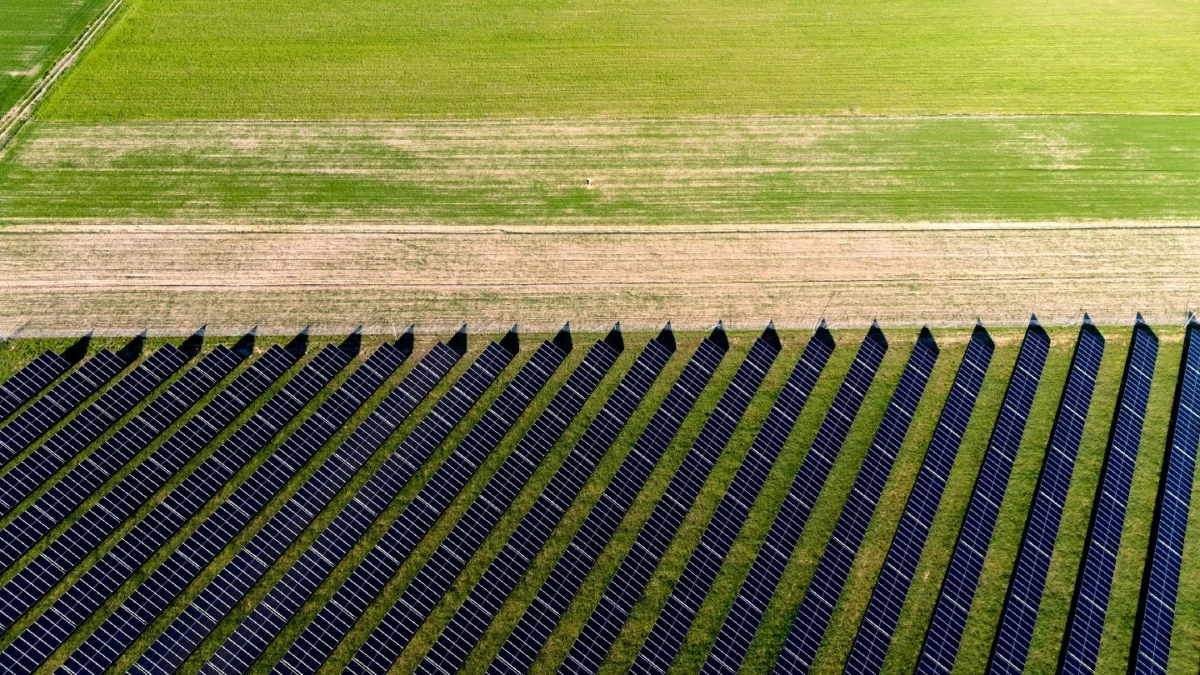
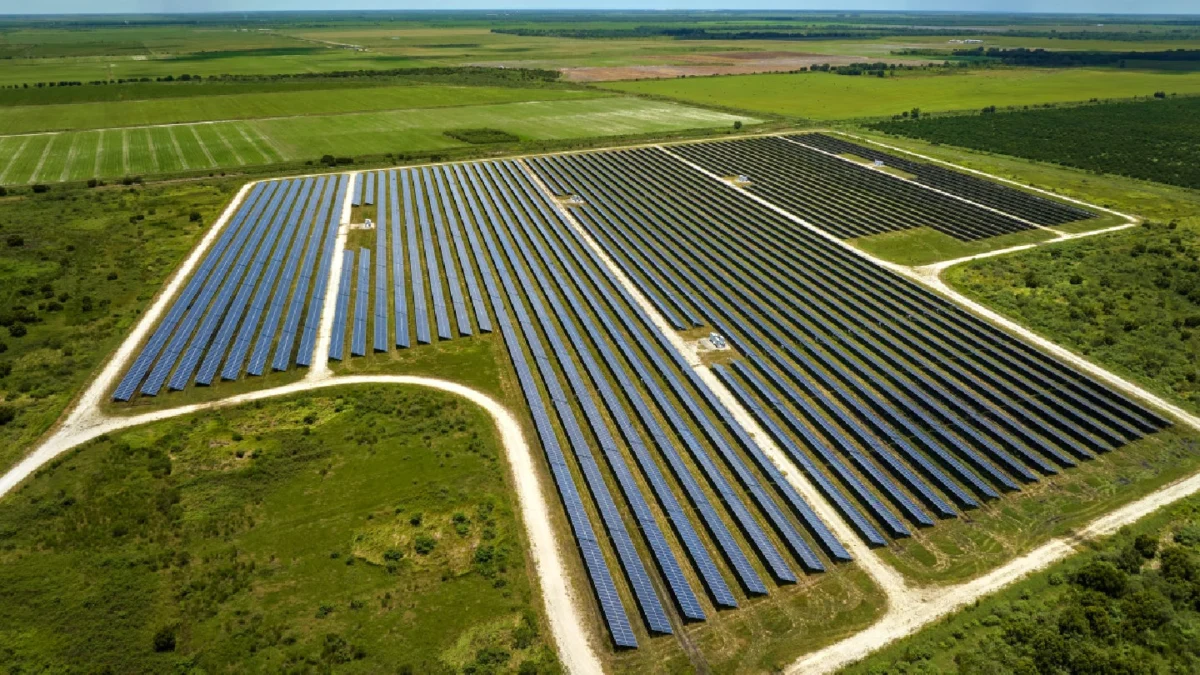
While the hydrogen chapter closes, Statkraft’s commitment to the UK remains robust. The company has confirmed that its UK operations will continue to prioritize investment in core assets: solar power, onshore wind, hydropower, and critical grid stability services. This pivot is already yielding tangible results, exemplified by the recent planning approval for the 32MW Trerice Solar Farm in Cornwall, a project capable of powering 10,000 homes annually.
Chronology: From Ambition to Divestment
The trajectory of Statkraft’s hydrogen venture reflects the volatile nature of the emerging hydrogen economy:
- 2020–2023 (The Expansion Phase): Statkraft, leveraging its position as Europe’s largest generator of renewable energy, identifies green hydrogen as a cornerstone of its growth strategy. The company launches development initiatives across Norway, Germany, Sweden, the Netherlands, Italy, and the UK.
- May 2025 (The Strategic Pivot): Facing mounting macroeconomic headwinds and project development delays, Statkraft announces a formal decision to halt all new green hydrogen development globally. The company clarifies that it will seek to divest its existing pipeline while attempting to carry "mature" projects toward construction.
- Late 2025 (The Exit Process): The search for partners begins in earnest. Recognizing that some projects, particularly those in Scotland, have secured external funding and government shortlisting, Statkraft engages in negotiations to ensure these assets reach a viable home.
- Q3/Q4 2025 (The Finalization): Statkraft completes the transfer of its UK hydrogen portfolio to Kentron Green Nordic. Simultaneously, the Grenian Hydrogen stake is divested, marking a clean break from the hydrogen sector.
Supporting Data: Why Hydrogen Is Struggling
Statkraft’s exit is not an isolated incident but part of a cooling trend in the green hydrogen investment landscape. Several factors explain why even major utilities are finding the hydrogen transition difficult:
1. The Cost of Capital
Green hydrogen requires massive electrolyzer capacity, which is currently expensive due to raw material costs and high energy inputs. With interest rates remaining relatively elevated compared to the zero-rate era, the internal rate of return (IRR) for hydrogen projects has struggled to compete with more established technologies like onshore wind or solar PV.
2. Infrastructure Gaps
The "chicken and egg" problem continues to plague the industry: hydrogen production is often located far from industrial demand centers. Without a mature pipeline network or cost-effective transport mechanisms, the economic viability of green hydrogen projects remains tethered to high-cost, localized solutions.
3. Policy Uncertainty
While governments in the UK and Europe have provided subsidies and shortlists for hydrogen projects, the long-term price floor for green hydrogen remains volatile. Developers, including Statkraft, have noted that without consistent, long-term government guarantees or robust carbon pricing mechanisms, the risk-reward profile of hydrogen development is significantly higher than that of traditional renewable generation.
Official Responses and Strategic Rationale
Statkraft has been transparent about the "why" behind this move. In official statements, the company has emphasized that its primary duty is to ensure the most efficient allocation of capital.
"Our decision to exit the green hydrogen development space allows us to concentrate our resources on the technologies where we have an undisputed competitive advantage," a spokesperson noted. "By focusing on solar, wind, and grid stability, we can deliver more immediate and measurable contributions to the energy transition while maintaining the fiscal discipline required by our owners."
Industry analysts observe that Statkraft is not necessarily turning its back on the energy transition, but rather "pruning its garden." By divesting to firms like Kentron Green Nordic—which possesses a specialized portfolio including wind and green ammonia—Statkraft is essentially handing the baton to players who are more vertically integrated or focused on niche, long-term hydrogen applications.
Implications: What This Means for the UK Energy Market
The exit of a giant like Statkraft carries significant implications for the UK’s net-zero targets:
The Shift to Grid Stability
With the departure of hydrogen, Statkraft is doubling down on "grid stability services." As the UK increases its reliance on intermittent wind and solar, the ability to store energy and manage grid frequency becomes paramount. By focusing on battery energy storage systems (BESS) and grid infrastructure, Statkraft is positioning itself to be the "enabler" of the renewable grid rather than a pioneer in alternative fuel production.
Consolidation of the Green Hydrogen Market
The acquisition by Kentron Green Nordic signals a period of consolidation. For smaller developers, the exit of major utilities might create opportunities to acquire de-risked or "mature" project pipelines. Kentron’s existing interests, such as the Neptun Tromsø and Neptun Glomfjord green ammonia projects, suggest that the future of hydrogen lies in specialized, large-scale industrial applications rather than general-purpose energy generation.
Regulatory Pressure
The UK government, which had shortlisted several Statkraft-linked projects for support, now faces a reality check. If major players are finding it difficult to execute these projects, policy frameworks—such as the Hydrogen Production Business Model (HPBM)—may need to be revised to become more attractive to private investment. The transition of these projects to new ownership will be closely watched by the Department for Energy Security and Net Zero (DESNZ).
Conclusion: A Prudent Re-calibration
Statkraft’s divestment from the UK hydrogen market is a pragmatic adjustment to a complex global energy reality. While green hydrogen remains an essential component of the long-term global decarbonization puzzle, its near-term role is proving to be narrower and more challenging than initially anticipated.
For Statkraft, the move is a homecoming of sorts—a return to the foundational pillars of the energy transition: efficient renewable generation and the infrastructure needed to support it. As the company moves forward with its 32MW Trerice Solar Farm and other similar initiatives, it continues to play a vital role in the UK’s energy security. The lesson for the broader industry is clear: in the race to net zero, focus and scalability are just as critical as technological innovation. The green hydrogen sector will continue to evolve, but it will do so with a new set of specialized stakeholders, while utility giants pivot toward the reliable, high-yield infrastructure that will sustain the grid of tomorrow.