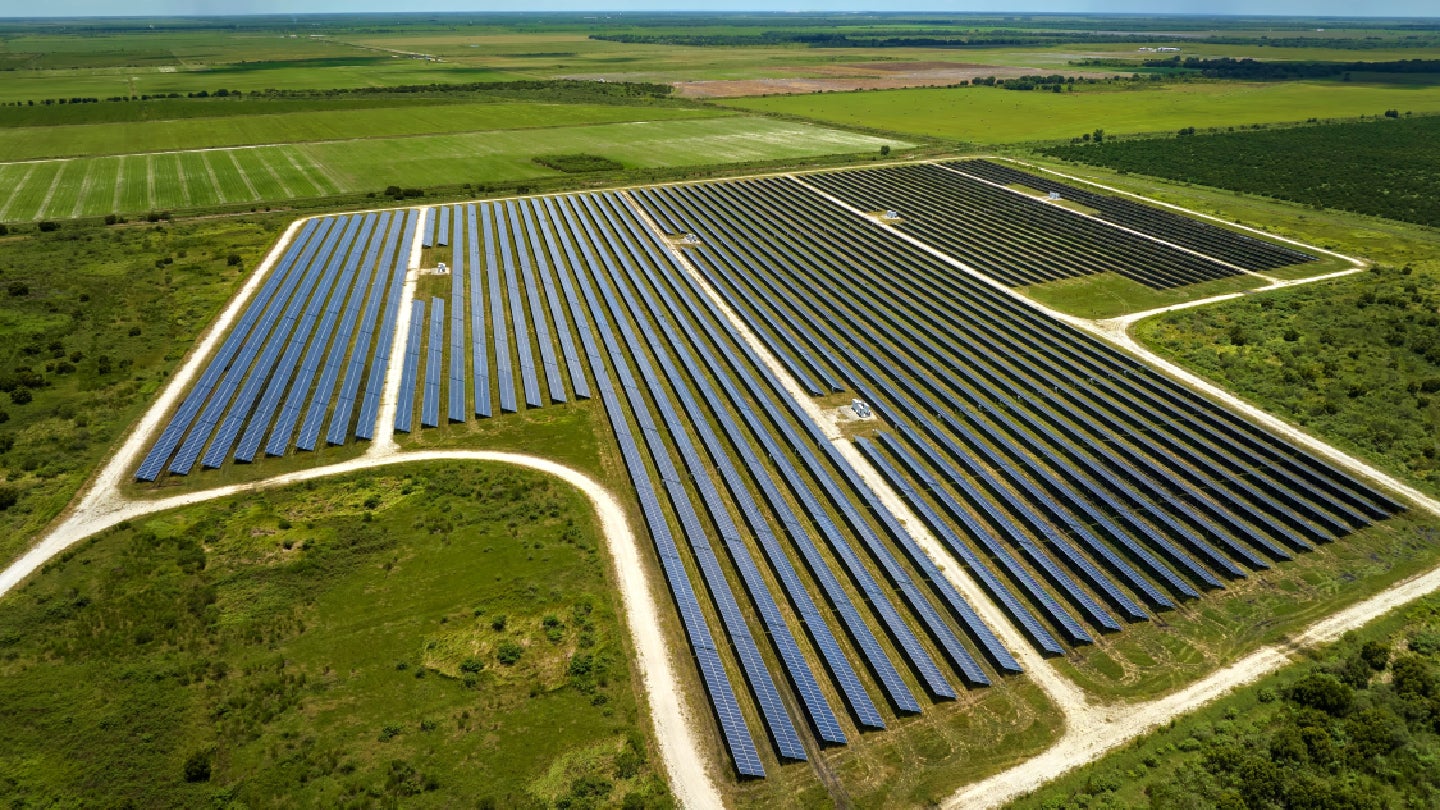
In a landmark move that symbolizes the shifting tides of the American energy landscape, US-based investment firm Panamint Capital has officially broken ground on the "Big Rooter Power" project—a massive 1.2GW solar photovoltaic (PV) facility located in Robertson County, Texas.
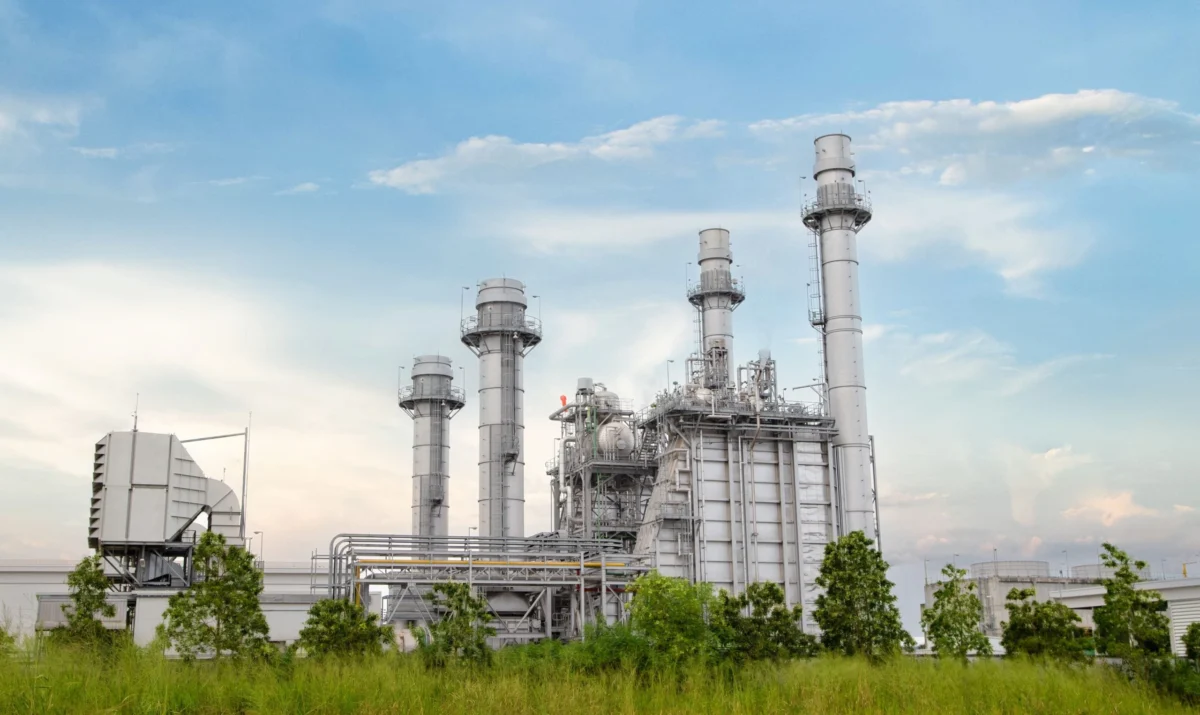
The project, valued at $1.7 billion, is being constructed on the grounds of the existing Twin Oaks power station. By repurposing a site historically defined by coal mining, Panamint Capital is executing a high-stakes strategy to transition legacy industrial land into a cutting-edge hub for renewable energy and digital infrastructure. This project serves as a blueprint for how American energy firms can revitalize underutilized assets while meeting the soaring electricity demands of the modern grid.
The Scope of the Big Rooter Initiative
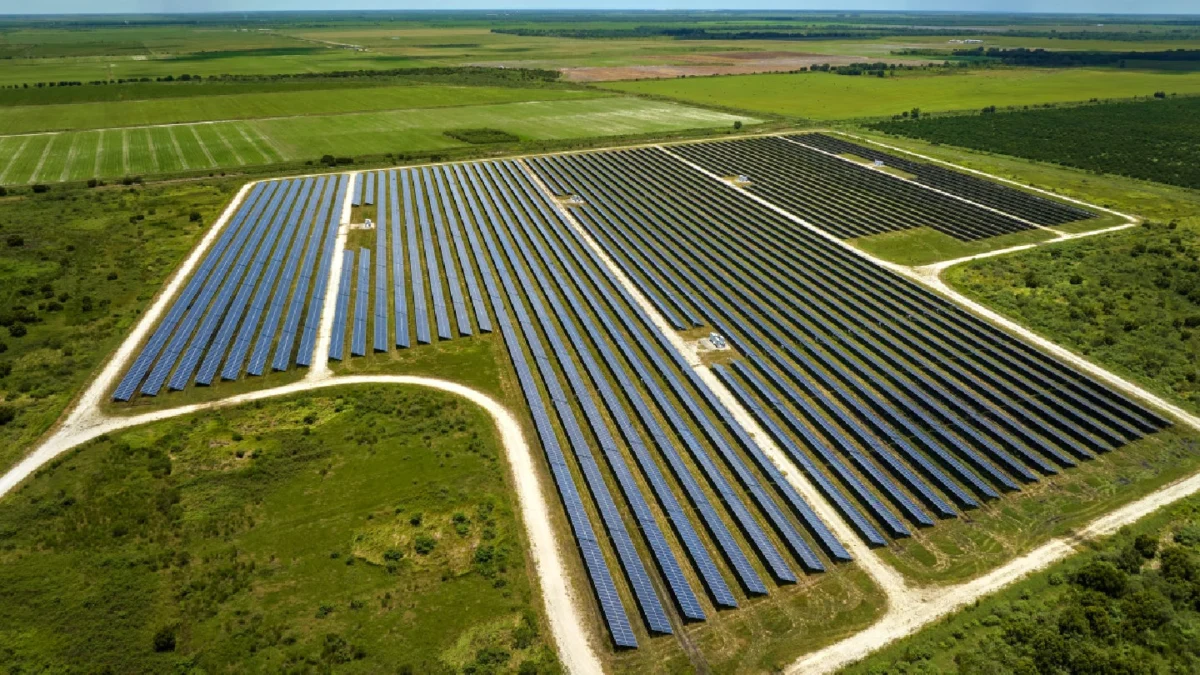
The Big Rooter Power project is a sprawling undertaking designed to scale in tandem with the region’s growing energy needs. With a planned capacity of 1.2GW-direct current (MWdc), the facility represents one of the most significant solar investments in the state of Texas.
The project is strategically divided into two primary phases, designed to manage construction logistics and integrate seamlessly with the regional transmission grid:
- Big Rooter West: This initial phase boasts a capacity of 491MWdc. Construction is currently underway, with commercial operations slated to commence in August 2028.
- Big Rooter East: Scheduled to begin construction in December 2026, this second phase will add a robust 658MWdc to the site. The targeted date for full commercial operation is August 2029.
When fully operational, these phases will stand as a testament to the viability of large-scale solar deployment on former extraction sites, proving that the economic lifecycle of industrial land can be extended through creative infrastructure redevelopment.
Chronology of Development
The timeline for Big Rooter reflects the complexity of utility-scale energy projects in the current regulatory and supply-chain environment:
- Project Inception and Planning: Panamint Capital identified the 10,000-acre Twin Oaks site as an ideal location, leveraging its pre-existing connectivity and industrial history.
- Groundbreaking (Mid-2026): Construction begins on the infrastructure required to support the massive solar array, including the installation of transmission lines.
- Phase I Construction (2026–2028): Focus shifts to the 491MWdc West facility, involving the procurement of American-made steel and specialized solar technology.
- Phase II Initiation (December 2026): Simultaneous construction efforts begin for the 658MWdc East facility to ensure a staggered rollout.
- Phase I Commissioning (August 2028): Big Rooter West comes online, contributing immediate power to the Texas grid.
- Full Project Completion (August 2029): The total 1.2GW capacity becomes fully operational, finalizing the transformation of the Twin Oaks complex.
Technical Infrastructure and Strategic Partnerships
Panamint Capital has consciously curated a "Made in the USA" supply chain, prioritizing domestic manufacturing and engineering expertise. The project’s technical backbone is supported by industry leaders:
- Engineering, Procurement, and Construction (EPC): SOLV Energy has been tapped to oversee the complex EPC process. Their scope includes the installation of solar modules, transmission networks, and the vital substation infrastructure required to feed power into the regional grid.
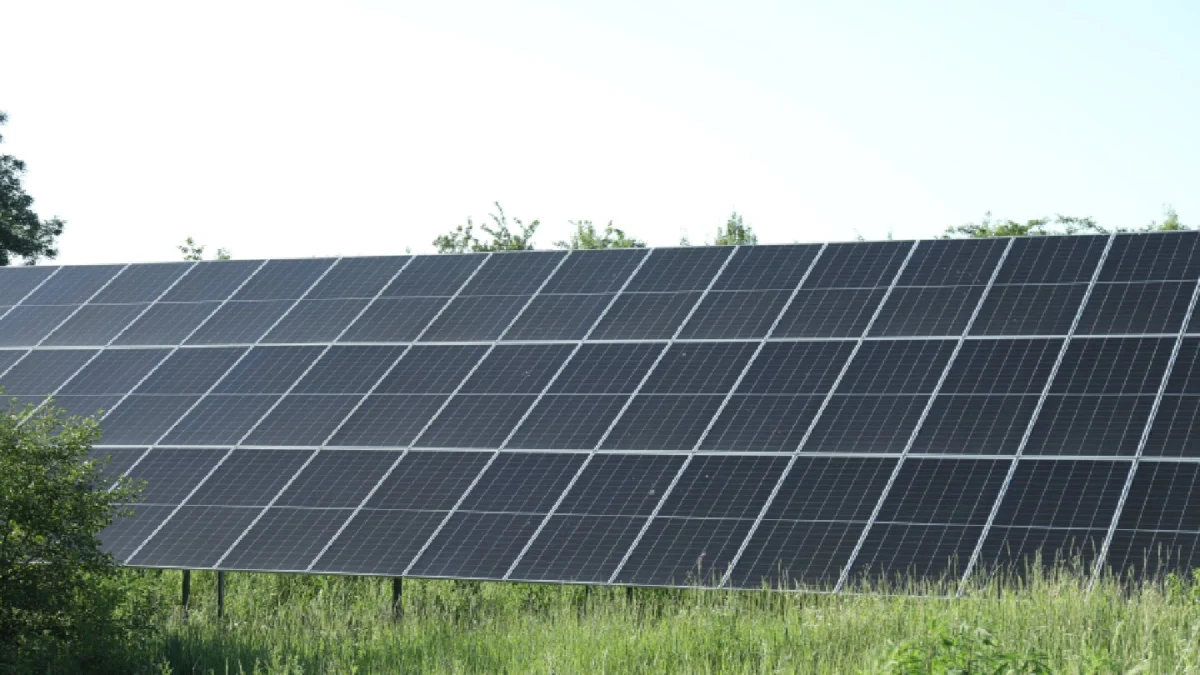
- Solar Technology: First Solar has secured the contract to manufacture approximately two million solar panels. These modules will be produced at First Solar’s domestic facilities located in Ohio, Louisiana, and Alabama, ensuring that the project adheres to stringent quality standards and contributes to local job creation.
- Tracking Systems: Nextpower will provide its industry-standard NX Horizon tracker systems. To optimize efficiency and protect the investment, the project will utilize NX Navigator and the "Hail Pro-75" software, a critical inclusion given the frequent severe weather patterns in the Texas region.
- Structural Integrity: The construction will utilize over 34,000 tons of US-produced steel, underscoring a commitment to domestic industrial support.
The Twin Oaks Vision: An Energy Ecosystem
According to Panamint Capital CEO Apolka Totth, Big Rooter Power is not merely a standalone solar farm; it is a component of a much larger, integrated energy complex.
"Big Rooter Power represents our vision for getting more out of America’s energy infrastructure and ensuring America’s energy dominance," Totth stated.
The scope of the 10,000-acre Twin Oaks site is vast. Once fully realized, the complex will boast:
- 1.5GW of combined thermal and renewable power capacity.
- 20 miles of new 345kV transmission infrastructure.
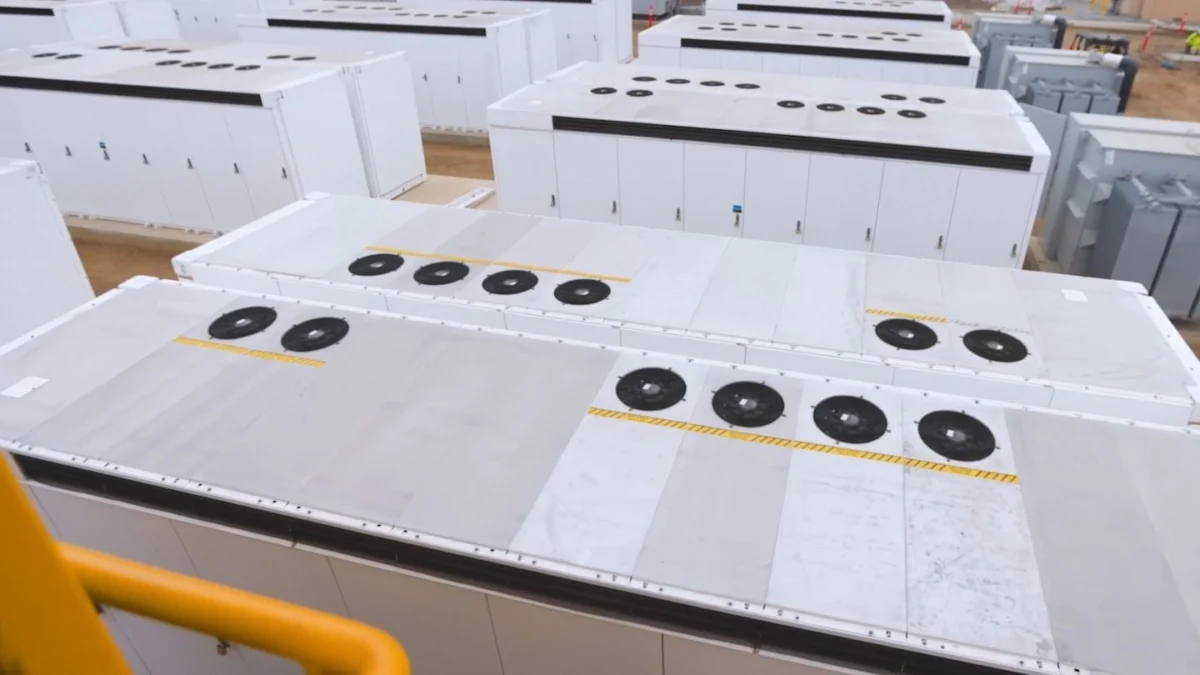
- 1.6GWh of battery energy storage, providing the stability and frequency regulation necessary for a modern, weather-dependent grid.
- 790MW of "Batch Zero" data centre capacity, positioning the site as a cornerstone for both energy production and digital processing.
By creating a co-located ecosystem of power generation, storage, and data processing, Panamint Capital is minimizing transmission losses and maximizing the utility of the land.
Economic and Socio-Economic Implications
The economic impact of the Big Rooter project extends far beyond the production of electricity.
Job Creation
The project is projected to create more than 800 high-skilled jobs throughout the construction phases. By focusing on local hiring practices and partnering with regional contractors and suppliers, Panamint Capital is ensuring that the investment circulates back into the Texas economy.
Local Economic Contribution
The Big Rooter West phase alone is expected to contribute upwards of $66 million to the local economy over its operational lifetime. This influx of capital—via tax revenues, local wages, and vendor payments—provides a critical boost to Robertson County, helping to replace the economic void left by the decline of traditional coal-based operations.
Extending the Economic Life of Industrial Sites
The most significant implication of the Big Rooter project is the concept of "brownfield" redevelopment. By building on land previously used for coal mining, the project avoids the ecological controversies often associated with clearing virgin land for solar farms. It turns an environmental liability into a long-term asset, demonstrating that the transition to green energy does not require the abandonment of existing industrial infrastructure.
Official Perspective and Future Outlook
The transition from a coal-centric past to a solar-powered future at Twin Oaks is emblematic of a broader national trend. As the US moves toward a more diversified energy portfolio, projects like Big Rooter Power provide a roadmap for navigating the complexities of energy transition.
By combining solar generation with large-scale battery storage and data centre capacity, Panamint Capital is addressing the two most pressing challenges in the energy sector: intermittency and the rising electricity demand driven by digital infrastructure.
As the industry looks toward the 2028 and 2029 operational milestones, the Big Rooter project will be closely watched by investors, policymakers, and environmental advocates alike. If successful, it will prove that the American energy transition can be a powerful engine for economic growth, utilizing domestic supply chains to secure a more resilient and sustainable power grid for the future.
In the words of the company’s leadership, the goal is "energy dominance"—a strategy that relies not just on the type of fuel used, but on the sophistication of the infrastructure that delivers it. With Big Rooter, Panamint Capital is betting that the future of Texas energy lies in the successful marriage of historical industrial sites and the latest advancements in photovoltaic and storage technology.