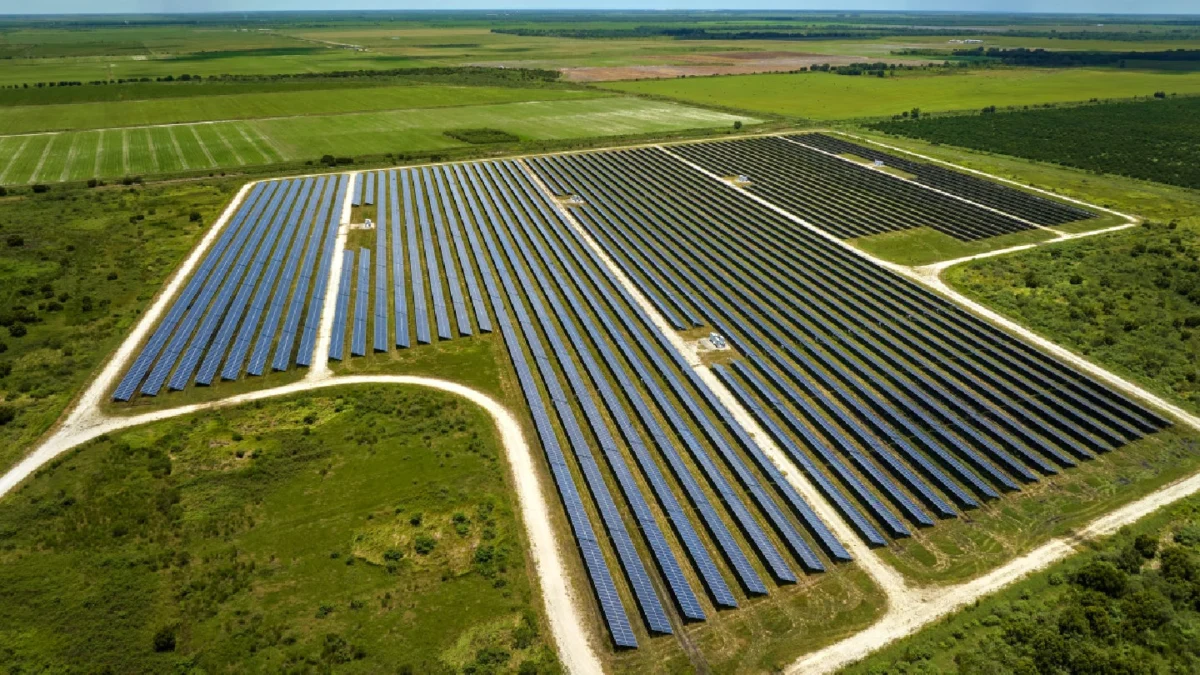
Executive Summary: A New Chapter for Ohio’s Grid
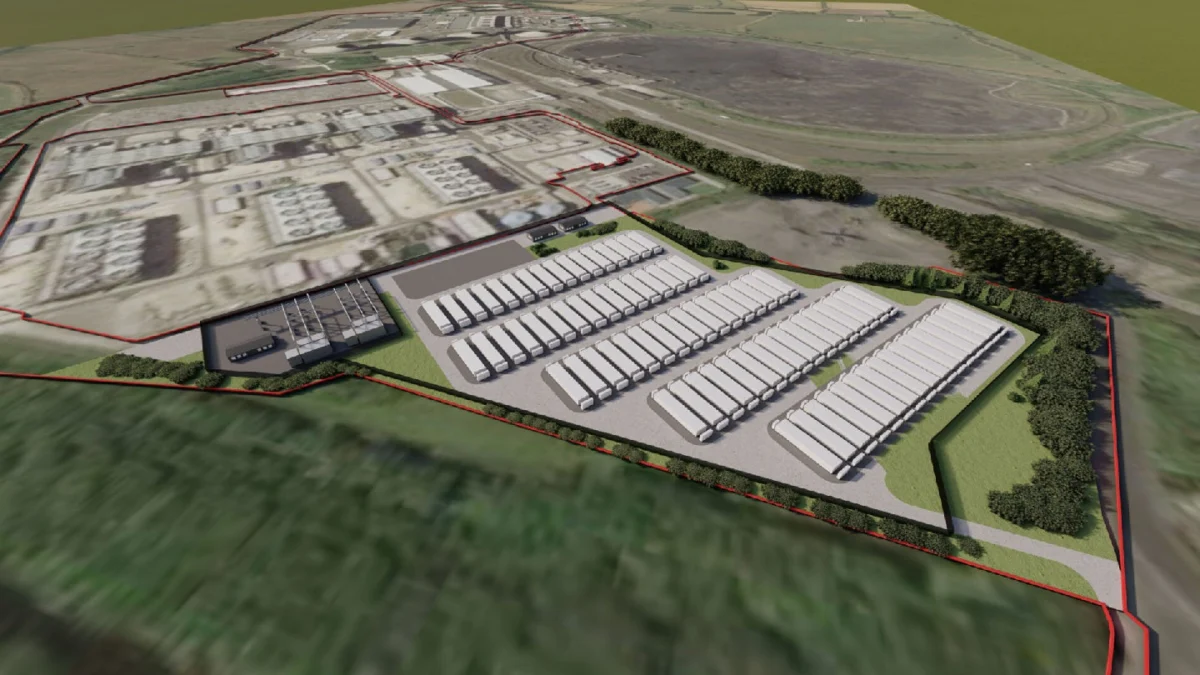
In a landmark development for the American energy landscape, Eolian Energy has officially commenced construction on the Flint Grid Project. Located in Jersey Township, Licking County, Ohio, this initiative represents a historic achievement as the first grid-scale Battery Energy Storage System (BESS) to receive approval from the Ohio Power Siting Board.
The project is a formidable technical achievement, boasting a capacity of 200MW and a 5.3-hour duration, totaling 1.06 gigawatt-hours (GWh) of energy storage. Situated strategically near the New Albany data center cluster and critical industrial loads, the project is designed to address the surging electricity demands of a region rapidly becoming a hub for high-tech manufacturing and digital infrastructure. By bridging the gap between intermittent renewable energy and the constant power requirements of industrial hubs, the Flint Grid Project is poised to become a cornerstone of Ohio’s energy reliability.
Chronology of Development: From Concept to Construction
The journey of the Flint Grid Project has been characterized by meticulous planning and proactive engagement with regulatory bodies.
Pre-Approval and Regulatory Navigation
Years before the current surge in AI-driven data center energy demand became a mainstream headline, Eolian Energy recognized the impending necessity for massive, long-duration energy storage. The development team spent significant time engaging with the Ohio Power Siting Board, ensuring that the facility met stringent safety, environmental, and operational standards. This dialogue was critical, as it established a regulatory precedent for future BESS projects in the state.
The PJM Capacity Auction Milestone
A pivotal moment in the project’s history occurred during the most recent PJM (Pennsylvania, Jersey, and Maryland Interconnection) capacity auctions. The Flint Grid Project not only qualified for the competitive PJM capacity market—the first of its kind to do so—but also emerged as the largest battery storage project to successfully clear the 2027/28 Residual Capacity Auction. This achievement signals a major shift in how grid operators view storage: moving from a secondary ancillary service to a primary, bankable capacity resource.
Groundbreaking and Future Milestones
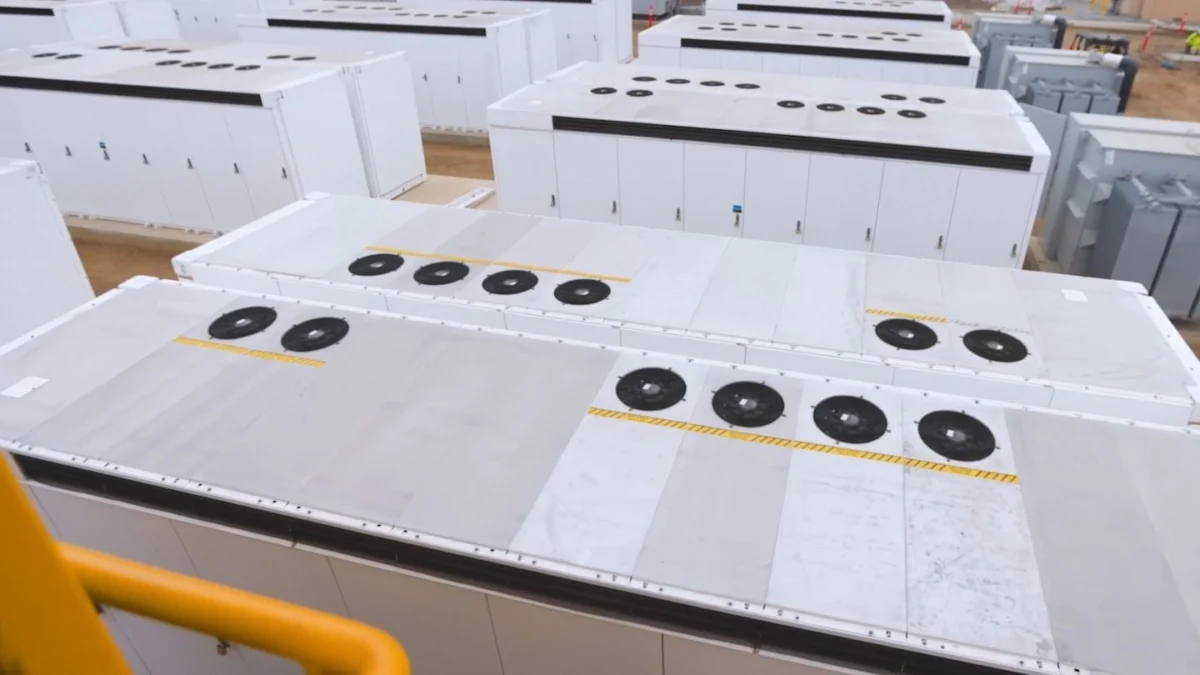
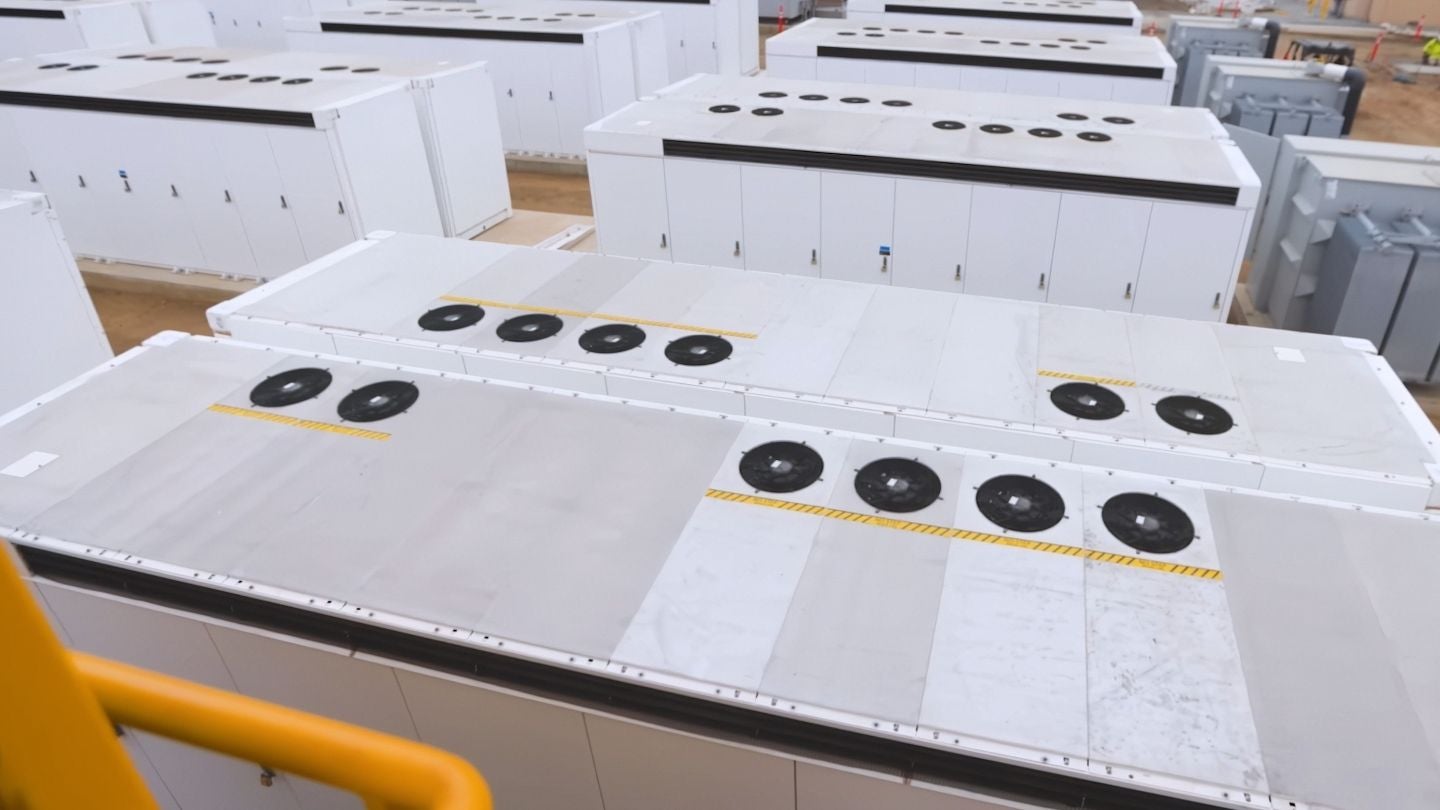
With construction now underway, the project is tracking toward a commercial operation date scheduled ahead of the 2027–28 PJM capacity year. The construction phase involves the installation of massive battery arrays, power conversion systems, and grid interconnection infrastructure, all while adhering to the highest safety standards required for such a large-scale deployment.
Supporting Data: Why Flint Grid Matters
The scale of the Flint Grid Project is not merely impressive in isolation; it is transformative for the PJM region.
Market Dominance and Capacity
The project accounts for more than 50% of all new battery storage capacity that cleared the 2027/28 PJM capacity auction. This statistic underscores the reliance that the regional grid will place on Flint Grid to maintain stability. By providing 1.06GWh of energy, the facility acts as a massive reservoir that can be tapped during peak load hours, effectively smoothing out the volatility inherent in modern grid management.
Technical Specifications
- Total Capacity: 200MW
- Energy Storage Capacity: 1.06GWh
- Discharge Duration: 5.3 hours
- Location: Jersey Township, Licking County, Ohio
- Primary Purpose: Balancing load for data centers and industrial sectors, providing capacity to the PJM market.
Strategic Location
The proximity to the New Albany data center corridor is intentional. Data centers are “baseload” users that require extreme reliability. As Ohio attracts more massive-scale computing investments, the ability to store power locally—minimizing transmission losses and mitigating congestion—provides a significant economic advantage for the region’s industrial growth.
Official Responses and Strategic Vision
Eolian Energy’s leadership has been vocal about the role of the Flint Grid Project as a template for the future of the U.S. power grid.
CEO Perspective: Unlocking Existing Capacity
Aaron Zubaty, founder and CEO of Eolian, has framed the project as a solution to the “wasted capacity” dilemma. “There is growing consternation about how the US can rapidly scale infrastructure to support America’s growing electricity demand, but not nearly enough conversation about how to use existing technology to unlock the wasted capacity that already exists on the grid,” Zubaty stated.
He emphasizes that the Flint Grid is a testament to long-term capital commitment. "This project requires hundreds of millions of dollars to construct, and we committed the necessary capital and resources years before today’s demand forecasts became headline news."
The Proactive Policy Approach
Beyond mere construction, Eolian is actively shaping the regulatory environment. The company is currently collaborating with grid operators, public utility commissions, and industry experts to draft technical guidelines for battery storage participation in wholesale markets. Their focus areas include:
- Market Products: Developing specific services that storage systems can provide, such as rapid frequency response and peak-shaving.
- Accreditation Methods: Working on “Effective Load Carrying Capability” (ELCC) frameworks to ensure that battery storage is accurately credited for its contribution to grid reliability.
- Revenue Models: Exploring diversified revenue streams that allow storage projects to remain financially viable while providing public grid benefits.
Implications: The Future of the American Power Grid
Setting a Precedent for Ohio
As the first grid-scale BESS permitted by the Ohio Power Siting Board, the Flint Grid serves as the "pathfinder" project. Future developers will look to the regulatory frameworks and safety protocols established by this project as the blueprint for their own applications. It effectively de-risks the investment climate for other energy storage companies looking to enter the Ohio market.
Strengthening PJM’s Resilience
The PJM Interconnection is the largest competitive wholesale electricity market in the United States. Integrating a project of this magnitude changes the fundamental math of the regional grid. By providing 200MW of dispatchable power, the Flint Grid helps alleviate the pressure on traditional fossil-fuel-based peaker plants, which are often expensive and environmentally intensive to operate.
Addressing the “Data Center Energy Crisis”
The surge in AI and cloud computing has created a paradox: while these industries drive economic growth, they also place unprecedented strain on regional grids. The Flint Grid Project acts as a shock absorber. By storing excess energy during off-peak hours and discharging it when the grid is most stressed—typically when demand from industrial clusters is at its highest—the project ensures that economic development does not come at the cost of grid reliability or consumer pricing stability.
The Broader Energy Transition
Ultimately, the Flint Grid Project represents the maturation of the energy storage industry. For years, the industry was dominated by pilot programs and small-scale deployments. With the Flint Grid, storage has graduated to "utility-grade" infrastructure. It proves that BESS can be a reliable, large-scale participant in the wholesale electricity market, moving the industry closer to a future where renewable energy can be consumed at any hour of the day, regardless of current weather conditions.
As Eolian Energy continues to explore new avenues for boosting transmission capacity through storage, the Flint Grid stands as the most significant milestone to date. It is a signal to the market, to regulators, and to consumers that the infrastructure required for the 21st-century economy is not just being planned—it is being built today.