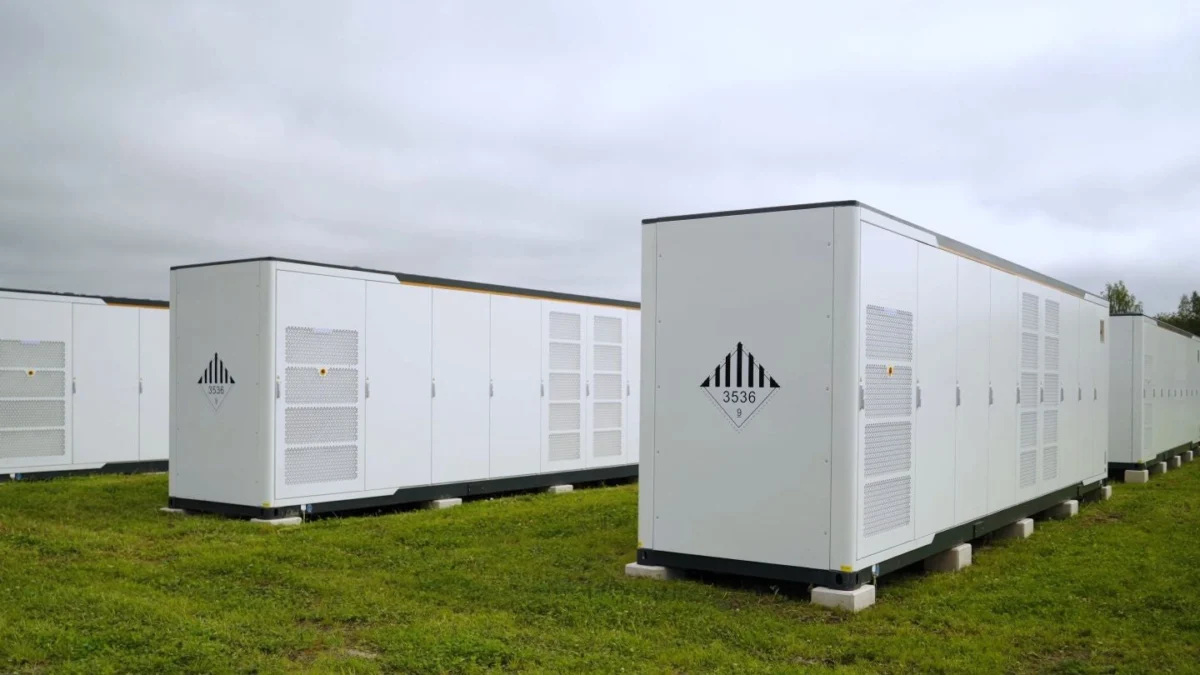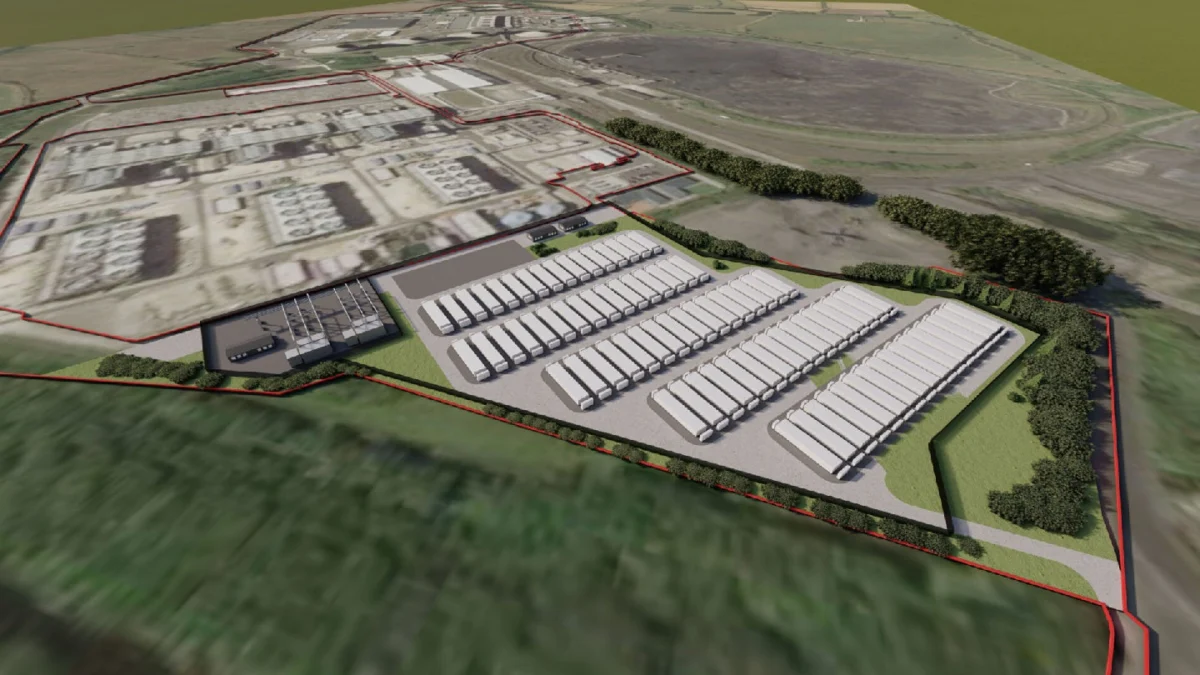
In a significant stride toward the United Kingdom’s ambitious goal of achieving a decarbonized power grid by 2030, Edinburgh-based developer Fidra Energy has officially reached financial close on its West Burton C battery energy storage system (BESS). Located in Nottinghamshire, this 500MW/1.1GWh facility represents one of the largest and most critical infrastructure investments in the UK’s energy transition.
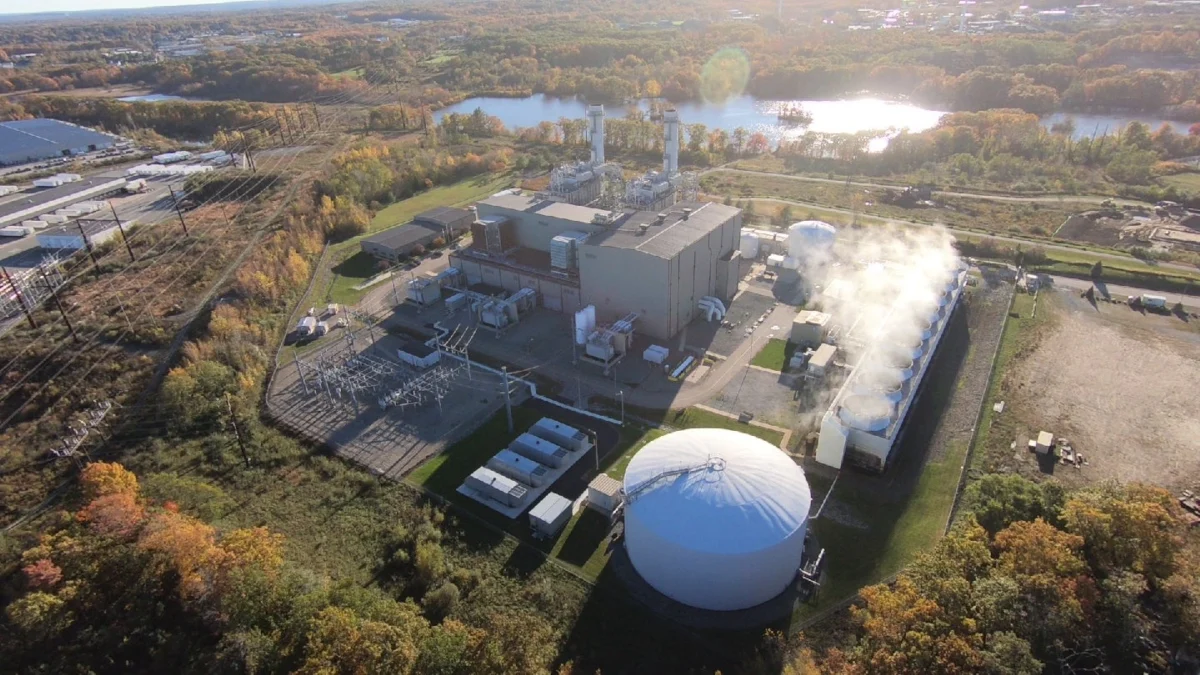
The project, which is set to occupy the site of a former coal-fired power station, symbolizes the shifting tides of British energy production—transforming a legacy site of fossil fuel combustion into a hub for cutting-edge, flexible green energy storage.
The Financial Framework and Strategic Backing
The West Burton C project has secured a total investment package estimated at approximately £250m. The primary funding vehicle for the construction phase consists of new loan facilities totaling £231m, provided by a robust consortium of international lenders. This debt financing complements substantial capital commitments previously secured from EIG, a leading institutional investor in the global energy sector, and the UK’s National Wealth Fund (NWF).
The success of the debt raise was supported by financial advisers Nomura Greentech and EIG, who navigated the complex requirements of large-scale infrastructure financing. This backing underscores the increasing confidence of international capital markets in the UK’s BESS sector as a stable and necessary asset class for the future of the energy transition.
Chronology of Development: From Coal to Capacity
The evolution of the West Burton site is emblematic of the UK’s broader energy strategy. The transition from coal power to high-capacity battery storage is not merely symbolic; it leverages existing grid connections and site infrastructure, significantly reducing the environmental and logistical hurdles typically associated with new-build utility projects.
- March 2025: The project reached a pivotal milestone by securing a 15-year capacity market award from the UK Government. This agreement provides the revenue certainty required to underpin the long-term investment, with the contract scheduled to commence in October 2028.
- Late 2026: Construction is slated to begin, marking the physical transformation of the former coal site.
- 2028: The facility is expected to reach full commercial operation, becoming a cornerstone of the regional power grid.
This development follows closely on the heels of Fidra Energy’s strategic expansion, including the acquisition of the Enderby BESS project in Leicestershire last month, which further bolsters the firm’s growing UK infrastructure pipeline now exceeding 4GW.
Technical Specifications and Operational Impact
The West Burton C BESS is designed for scale and efficiency. With a power capacity of 500MW and an energy capacity of 1.1GWh, the facility will play a vital role in balancing the intermittency of renewable energy sources such as wind and solar.
During periods of peak demand, the facility is projected to provide electricity to approximately 300,000 homes. By discharging stored energy when the sun is not shining or the wind is not blowing, the BESS acts as a critical buffer, preventing grid congestion and reducing the necessity for carbon-intensive "peaker" plants that traditionally burn natural gas to meet demand spikes.
Key Technical Partners
- Battery Technology: The system will utilize advanced battery technology supplied by Sungrow, a global leader in the renewable energy sector.
- Engineering and Grid Connection: H&MV Engineering has been appointed as the principal designer and contractor. The firm is tasked with the complex engineering required for the 400kV grid connection, ensuring that the facility can interface seamlessly with the National Grid’s transmission network.
Official Perspectives: Aligning with the Clean Power 2030 Action Plan
The project’s progress aligns perfectly with the UK Government’s "Clean Power 2030" Action Plan, which prioritizes the rapid deployment of energy storage to maintain grid stability. The government has set a target of 22–27GW of operational battery storage capacity by 2030, a goal that makes projects like West Burton C indispensable.
Chris Elder, CEO of Fidra Energy, expressed pride in the milestone, noting the strategic importance of the site’s history. "Today’s milestone marks another major achievement for Fidra Energy," Elder stated. "This project is expected to deliver flexible and affordable electricity storage utilizing existing infrastructure at a site with a long history of power generation. We are delighted to have secured the support of existing and new lenders to fund the construction of this project, one of the largest battery energy storage sites in the UK."
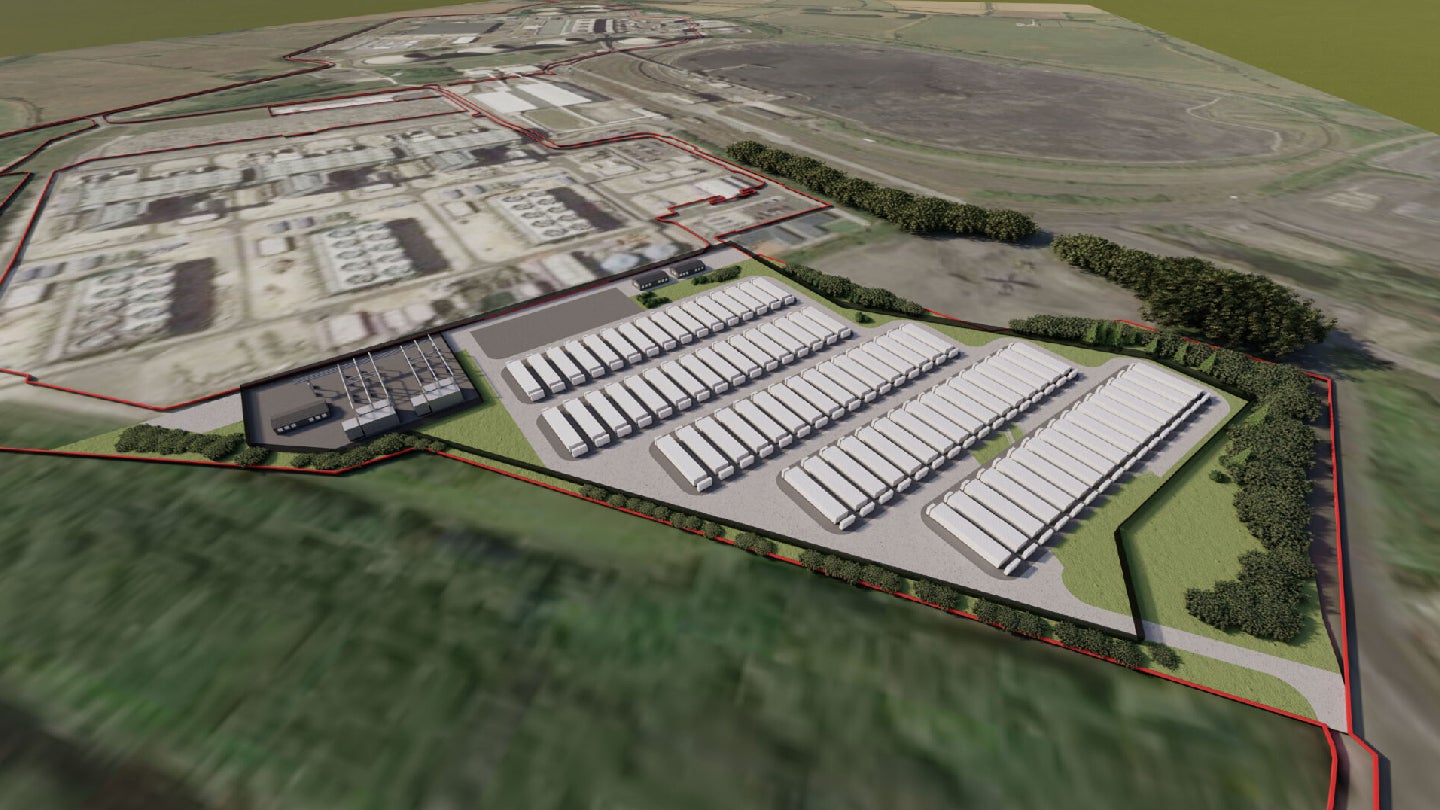
The project’s significance is further highlighted by its location. It sits adjacent to the UK’s planned prototype fusion energy facility, creating a unique "energy cluster" in Nottinghamshire that blends the future of baseload fusion power with the immediate necessity of grid-scale battery storage.
Market Implications and Offtake Strategy
A distinguishing feature of the West Burton C project is the long-term offtake agreement secured with Drax Group. Under the terms of this deal, Drax will off-take 50% of the project’s capacity. Such agreements are essential for de-risking large-scale BESS projects, providing the project owners with guaranteed revenue streams while ensuring that market participants like Drax can manage their own portfolios of renewable energy more effectively.
This partnership highlights a growing trend in the UK energy market: the integration of traditional utility giants with agile, specialized storage developers. By securing half of the capacity through a long-term contract, Fidra Energy has solidified the economic viability of the project, allowing them to remain competitive in the remaining capacity market auctions.
Broader Implications for the UK Energy Transition
The successful financing of West Burton C provides a roadmap for future infrastructure development. As the UK continues to decommission fossil-fuel-reliant plants, the ability to repurpose these brownfield sites for storage is a masterclass in spatial and economic efficiency.
1. Grid Resilience
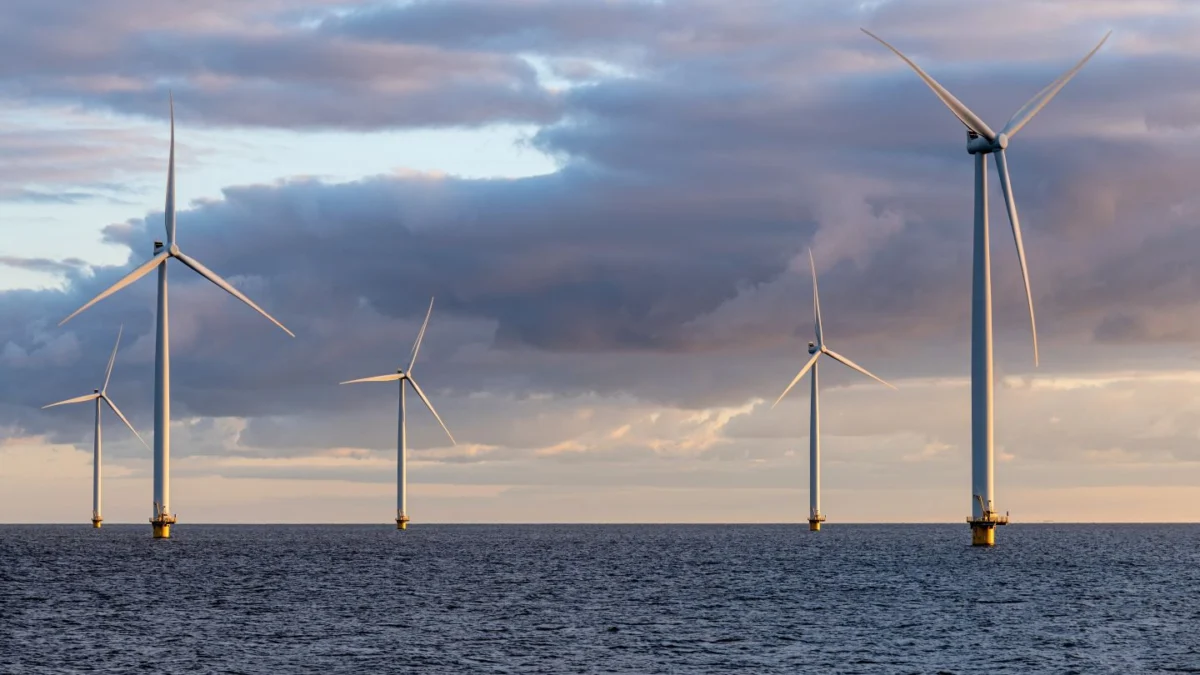
The addition of 500MW of storage capacity directly contributes to the stability of the National Grid. As the UK increases its reliance on offshore wind—particularly in the North Sea—the ability to store excess generation and release it during peak hours becomes the primary defense against energy price volatility and blackouts.
2. Economic Stimulation
Beyond the immediate jobs created during the construction and commissioning phases, the project helps lower wholesale electricity costs. By reducing the frequency with which the grid must call upon expensive, carbon-heavy gas generators, the BESS acts as a downward pressure on consumer energy bills.
3. Investor Confidence
The involvement of the National Wealth Fund (NWF) and EIG signals to the broader institutional investor community that the UK’s BESS sector has matured. With clear regulatory frameworks, such as the capacity market auctions, and proven technology partners, the barrier to entry for large-scale capital is lowering, promising a surge of similar projects in the coming decade.
Conclusion
The West Burton C project is more than just a battery installation; it is a catalyst for the next phase of the British energy revolution. By transforming a site once synonymous with 20th-century coal-fired power into a modern facility capable of powering 300,000 homes with stored, clean electricity, Fidra Energy has set a high bar for the industry.
As the UK marches toward its 2030 clean energy targets, the lessons learned from the construction, financing, and operation of West Burton C will likely inform the development of the next 20GW of storage required. With construction set to commence in 2026 and operation in 2028, the project stands as a testament to the fact that the transition to a net-zero future is not only possible but is already being built on the foundations of the past.