Introduction: The Ultralight Paradox
In the pursuit of the "base weight" holy grail, modern backpacking has seen an obsession with shedding ounces. Nowhere is this more apparent than in the selection of rainwear. For years, the prevailing wisdom dictated that the best jacket was the one that weighed the least, leading to a proliferation of ultra-thin, 7-denier smocks that fold into the palm of a hand.
However, as the community pushes deeper into the shoulder seasons—those temperamental periods of spring and autumn defined by sleet, sustained wind, and plummeting temperatures—the limitations of these featherweight garments have become impossible to ignore. This article challenges the status quo, arguing that for specific, high-stakes environments, trading a few extra ounces for increased durability and sophisticated ventilation is not just a luxury; it is a critical safety upgrade.
Main Facts: The Engineering Trade-off
The tension in gear selection exists between three competing variables: weight, durability, and thermoregulation.
Ultralight rainwear typically achieves its low weight by stripping away features that add mass: pit zips, adjustable cuffs, reinforced hoods, and robust face fabrics. While this makes for a lighter pack, it creates a "sweatbox effect." When a hiker is exerting themselves, the moisture produced by the body cannot escape the membrane fast enough. If the jacket lacks mechanical venting (like pit zips or hem adjustments), that moisture condenses on the interior of the jacket, soaking the mid-layers.
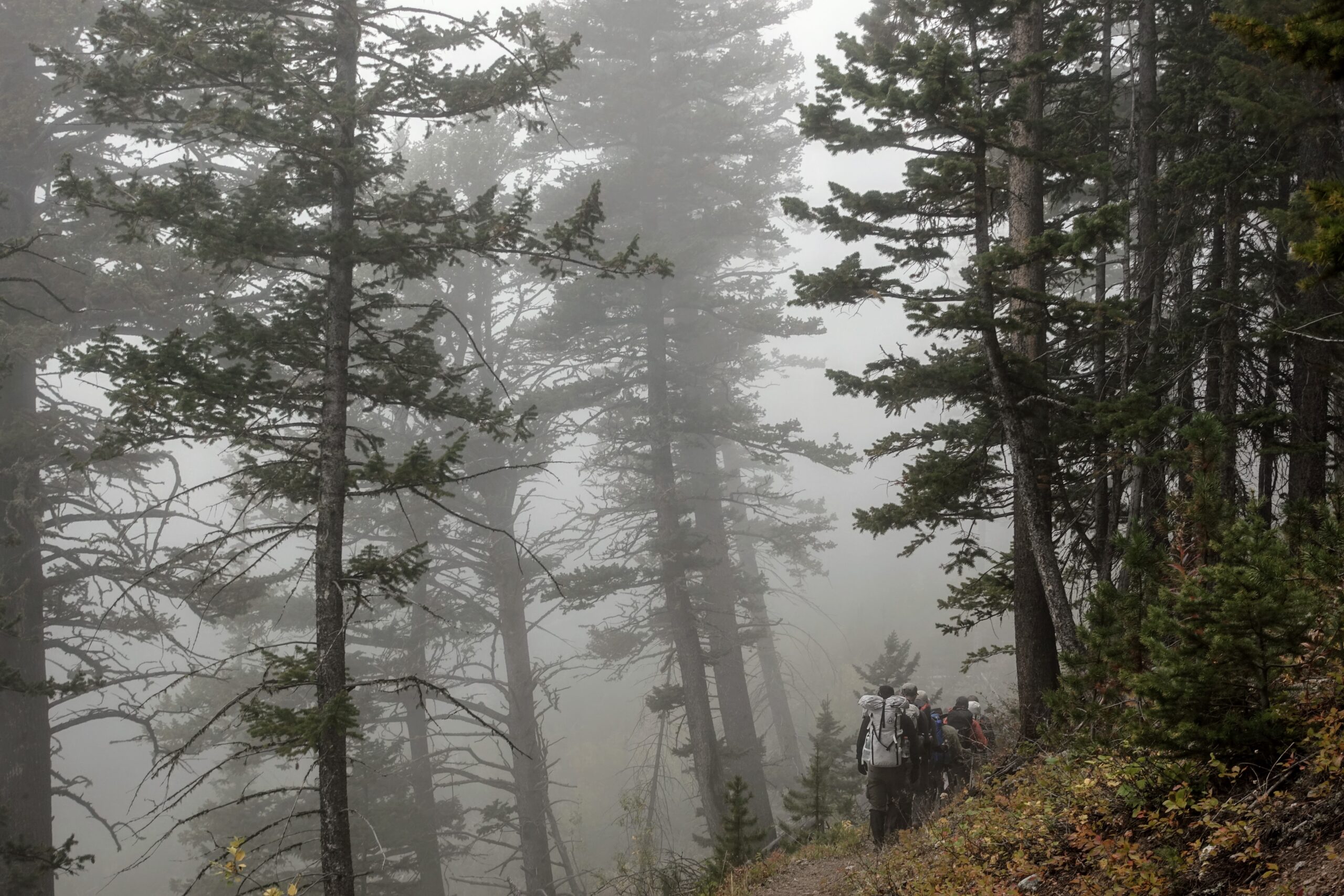
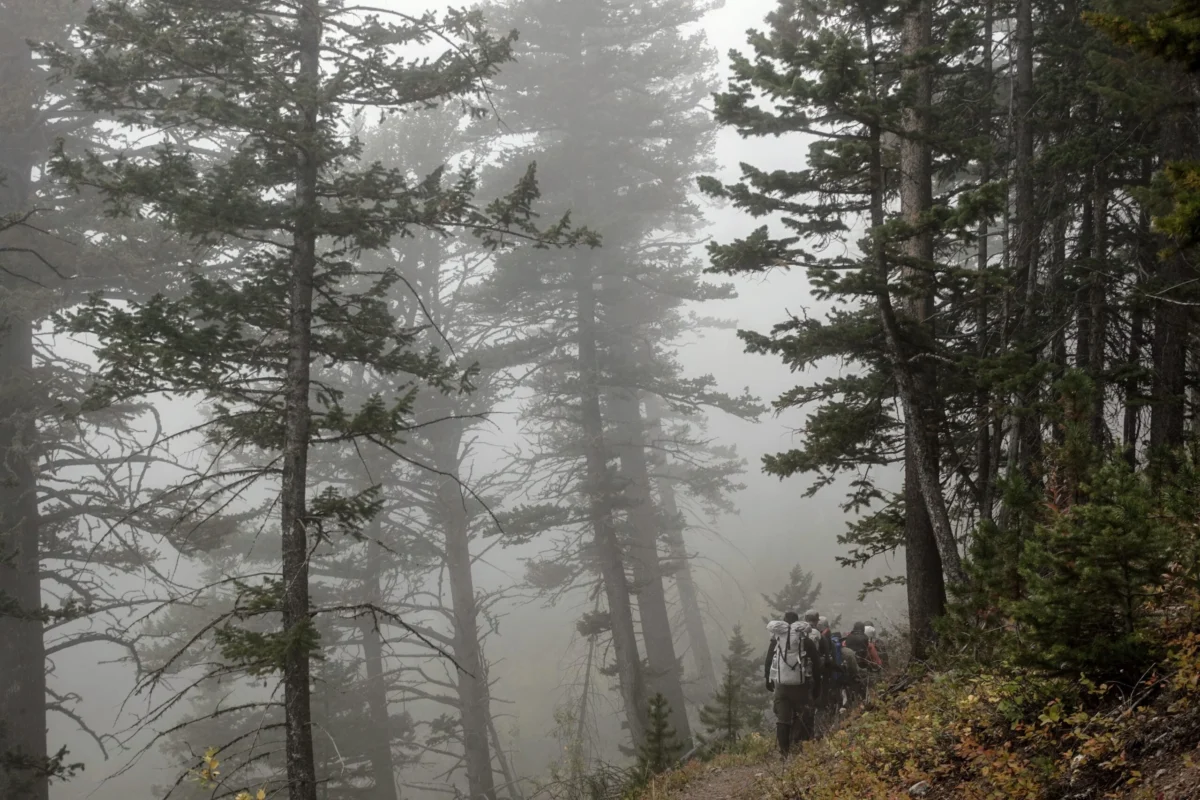
In cold, wet, and windy conditions—the "trifecta of discomfort"—a soaked mid-layer leads to rapid evaporative cooling. This is the primary driver of hypothermia in the backcountry, even in temperatures well above freezing. By opting for a slightly heavier, 40-denier fabric with a more robust membrane and proper ventilation, hikers can manage their internal microclimate far more effectively than they could with a minimalist shell.
Chronology of Gear Evolution
The evolution of outdoor apparel has been marked by three distinct eras:
- The Era of Heavy Duty (Pre-2000s): Mountaineering gear was built for war. Heavy, multi-layer Gore-Tex shells provided near-total protection but at the cost of extreme weight and limited breathability.
- The Ultralight Revolution (2000s–2020): The advent of "fast and light" philosophies pushed manufacturers to prioritize weight above all else. Membranes became thinner, and features were deleted to hit target weights under 10 ounces.
- The Performance Synthesis (2021–Present): As of May 2026, we are witnessing a pivot. Advances in DWR (Durable Water Repellent) technology and ePE (expanded Polyethylene) membranes have allowed for lighter fabrics that retain high durability. The market is currently seeing a return to "feature-rich" designs—jackets that weigh 12–14 ounces but offer the full suite of adjustability, finally acknowledging that a dry hiker is a safe hiker.
Supporting Data: Managing the Microclimate
To understand why "heavier is better" in the shoulder season, one must analyze the physics of moisture transfer.
The Hydrophobic Standard
Clothing layers must be hydrophobic—meaning they resist water absorption. If a mid-layer (like a fleece or synthetic insulation) absorbs water, its insulating value drops significantly. The less moisture absorbed, the less energy the body must expend to warm that moisture to body temperature.
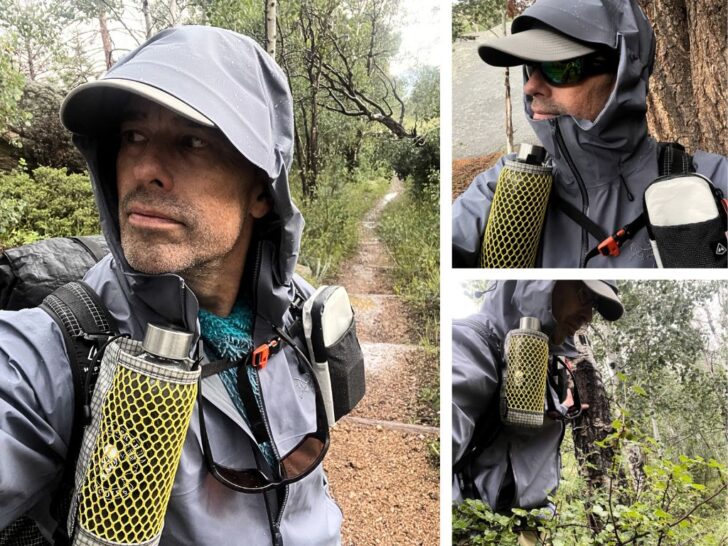
The Three-Layer System Analysis
A traditional system—consisting of a base layer, a fleece, and a shell—weighs roughly 31 ounces. While an ultralight hiker might scoff at this, the functionality of such a system in a 34°F (1°C) sleet storm is superior to a 10-ounce minimalist setup. The heavy-duty system allows for "mechanical venting," where the user can dump excess body heat through pit zips without exposing their core to the full force of the wind.
| Feature | Ultralight Shell (7D) | Alpine/Shoulder Season Shell (40D) |
|---|---|---|
| Weight | ~3.0 oz | ~12.0 oz |
| Pit Zips | None | Yes |
| Hood Adjustment | Minimal | Multi-point (Aperture/Volume) |
| Durability | Low (Tears easily) | High (Abrasion resistant) |
| Moisture Mgt. | Poor (Sweat accumulation) | Excellent (Active venting) |
Official Perspectives and Industry Shifts
Leading manufacturers, including Arc’teryx and various cottage industry innovators, have recently shifted their product roadmaps. The focus has moved away from "just get it light" to "get it functional."
Designers now emphasize the ePE membrane construction. Unlike traditional PU-based membranes that degrade over time, ePE offers a more consistent performance profile. By increasing the denier of the face fabric to 40D, these companies are acknowledging that hikers are not just standing still; they are bushwhacking through dense brush, navigating rocky passes, and subjecting gear to high-stress scenarios. The consensus among field instructors is clear: the risk of a gear failure in a remote alpine setting outweighs the benefit of saving 200 grams in the pack.
Implications: When to Spend the Ounces
The decision to carry heavier gear is a localized strategy. It is not a call to abandon ultralight principles entirely, but rather an invitation to "contextualize" them.

Use Case: The Appalachian Corridor & High Alpine
If you are hiking in the Northern Rockies, the Pacific Northwest, or the high alpine zones of the Cascades, the weather is inherently volatile. In these zones, the "trifecta" of cold, rain, and wind is not a rare occurrence—it is the baseline. Here, the weight penalty of a more durable, ventilated jacket is an insurance policy.
The Psychological Aspect
There is also a psychological component to gear selection. When a hiker knows their clothing system is robust, they are less likely to retreat from a trail during a shift in weather. This increased confidence often leads to better decision-making in the field. Conversely, the "ultralight anxiety" that comes from wearing fragile, non-ventilated gear can lead to unnecessary fatigue and poor pacing as the hiker struggles to keep their core temperature regulated.
Final Recommendations
Hikers should evaluate their specific trip itinerary against their gear capacity:
- Summer/Dry Climates: Continue with the ultralight, minimalist approach. It is the most efficient choice for 80% of trail conditions.
- Shoulder Season/Alpine: Upgrade to a jacket with mechanical ventilation and a minimum of 30D fabric.
- The "Hybrid" Approach: For those who cannot afford to buy two jackets, invest in a mid-weight shell (10–12 oz) that serves both as a high-end rain layer and a reliable wind shell.
Conclusion
The pursuit of ultralight backpacking is a noble endeavor, but it should never become a dogmatic exercise that compromises human safety. By understanding the physics of moisture, the reality of shoulder-season weather, and the value of mechanical ventilation, backpackers can make more informed choices. Sometimes, the heaviest item in your pack—if it keeps you dry, warm, and ventilated—is actually the lightest thing you can carry, because it allows you to keep moving when others are forced to stop.