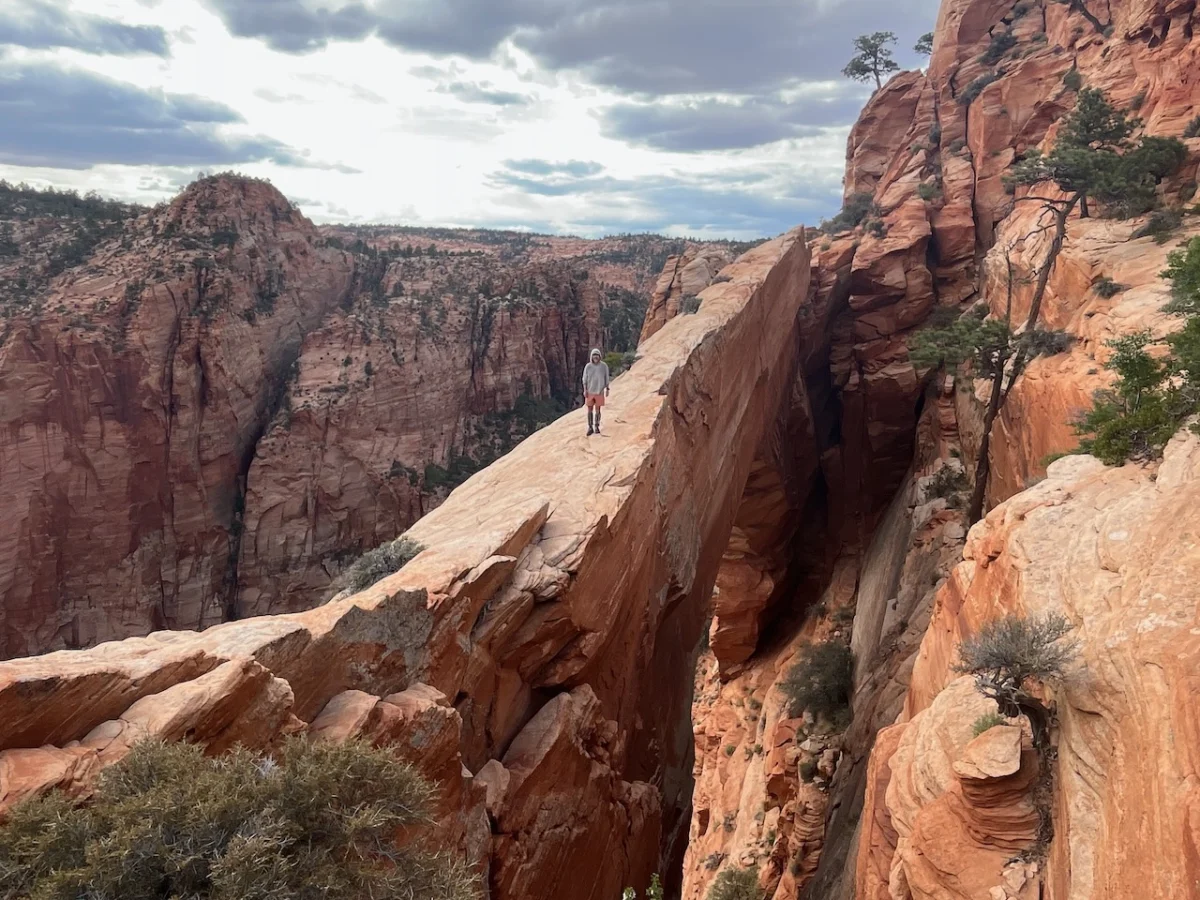
From late April to early June, two seasoned adventurers—the author and Kate "Swept Away" Pickett—embarked on a grueling, awe-inspiring 800-mile (1,287 km) traverse across the rugged expanse of southern Utah. This expedition was not merely a walk through the wilderness; it was a deep dive into the geological and archeological heart of the American Southwest. Over the course of seven weeks, the duo navigated a complex tapestry of canyons, plateaus, badlands, and mesas, linking together some of the most remote and culturally significant landscapes in the United States.
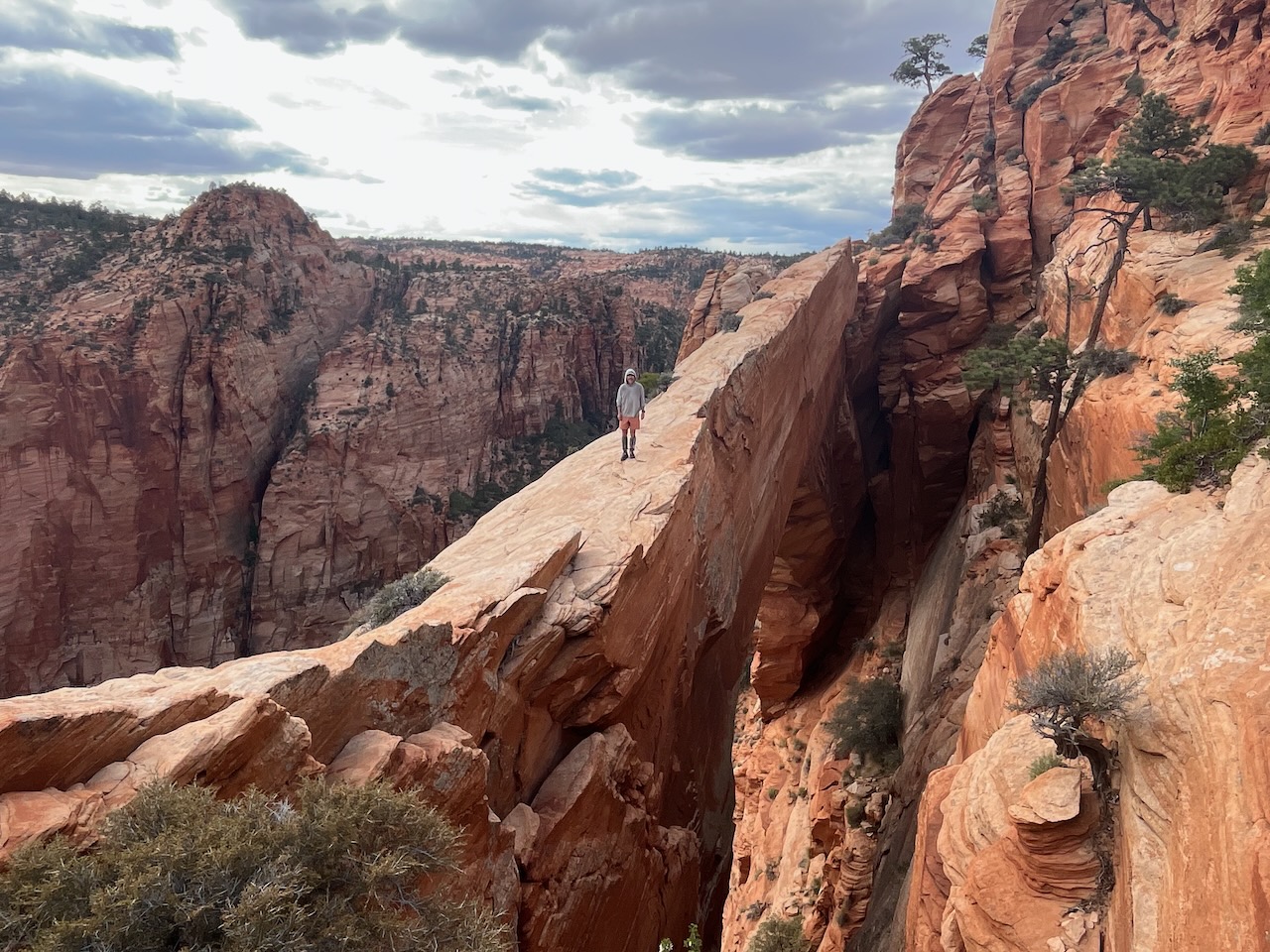
Main Facts: The Scope of the Traverse
The journey commenced on the Nevada border, situated southwest of Enterprise, and concluded at the Hovenweep National Monument on the Utah-Colorado border. This ambitious route was defined by a spirit of discovery, prioritizing unexplored terrain over efficiency. While both hikers had extensive experience in the region—having previously completed the renowned Hayduke Trail—the Southern Utah Traverse was specifically designed to bridge gaps in their personal exploration, targeting areas like the Canaan Mountain Wilderness that had remained elusive until now.

The traverse demanded high levels of self-sufficiency, requiring the duo to manage complex logistics involving water caches, mail drops, and stringent permit regulations across multiple federal jurisdictions.

Chronology: Seven Weeks of Endurance
The trek was meticulously structured into eight distinct stages. Each stage functioned as a logical segment, punctuated by necessary resupply points.

- The Early Stages: The start of the trip focused on the transition from the Nevada border through the unique geology of the Canaan Mountain Wilderness. The visual landscape here, defined by white domes and the wind-sculpted "Eye of Heaven" in Water Canyon, set the tone for the journey.
- The Mid-Section: As the expedition moved eastward, the terrain shifted from the heights of the Canaan Mountains into the intricate canyon systems of the Grand Staircase-Escalante National Monument. This segment included challenging river wades and the navigation of the famous "Barracks," providing a stark contrast to the arid stretches that followed.
- The Deep Desert: Crossing through Capitol Reef National Park and the remote regions of the Waterpocket Fold, the hikers faced the realities of desert travel. The route here was determined by geological curiosity, leading the party through hidden grottos and alcoves that rarely see human footprints.
- The Finale: The final stages focused on the archeological richness of the Bears Ears National Monument. Exploring the "Perfect Kiva" in Bullet Canyon and the towering petroglyph panels of Comb Ridge, the hikers concluded their journey at Holly Tower, a mere five-minute walk from the Colorado border.
Supporting Data: Managing the Desert Environment
The logistical framework of the expedition was centered on the primary challenge of the Southwest: water.

Hydrological Planning
Water management was the most critical factor in the planning phase. Utilizing USGS maps and local data from regional experts like Jamal Green, the hikers identified potential water sources, including tanks, springs, and windmills. In the absence of reliable information for certain stretches, the team maintained a maximum water-carrying capacity of 9 to 10 liters.

"The H2O situation was as good as we could have hoped for," the author noted. A series of timely spring storms proved instrumental, refilling potholes and intermittent streams that would have otherwise rendered certain desert stretches impassable.

Resupply and Logistics
To maintain momentum, the team employed a hybrid resupply strategy:

- Mail Drops: Essential for remote locations, handled by friends and family in St. George, Kanab, and Escalante.
- Strategic Caching: A dedicated cache was left at Burr Trail Road to mitigate the massive distance between the Escalante resupply point and the Bullfrog Marina.
- Local Procurement: Supplementing their supply by purchasing goods in town as they passed through.
Official Responses and Regulatory Compliance
Traversing such a diverse landscape requires navigation of complex federal land management policies. The team operated under the requirements of the "America the Beautiful" pass, supplemented by specific overnight camping permits for the following areas:

- Bryce Canyon National Park: Managed by staying just outside park boundaries and in Bryce City.
- Grand Staircase-Escalante National Monument: Permits were acquired through the Interagency Visitor Center in Escalante.
- Capitol Reef National Park: Handled through the established local interagency office.
- Bears Ears National Monument: Managed via the online Recreation.gov portal.
These interactions with federal agencies emphasize the necessity of planning when undertaking long-distance treks in protected areas, where human impact must be strictly minimized to preserve fragile biological soil crusts and ancient archeological sites.

Implications: The Evolution of Long-Distance Hiking
The success of the Southern Utah Traverse raises important questions about the future of wilderness travel. It represents a shift away from the "through-hiker" culture of established paths like the Pacific Crest or Appalachian Trails, moving toward a more bespoke, explorative model.

Geological and Archeological Appreciation
The trip was defined by a commitment to "geological and historical curiosity." By choosing paths based on the presence of ruins, unique rock formations, or alcoves, the hikers turned the expedition into an educational endeavor. This approach underscores the importance of public lands as living museums. The focus on sites like the Procession Panel on Comb Ridge highlights the ongoing need for the protection of cultural heritage, as these areas are increasingly subject to visitation pressure.

Physical and Mental Preparation
The sheer variety of terrain—ranging from 4WD tracks and dirt roads to technical rock scrambles and river wading—demanded a high level of versatility. The "Lizard Route" and the scramble through the Barracks are prime examples of the technical demands that can arise when one chooses to traverse, rather than follow, the landscape. The team’s emphasis on lightweight but durable gear (including specialized footwear for wet and dry conditions) reflects the modern evolution of long-distance backpacking technology.

The Human Element
Beyond the logistics and the geology, the article underscores the social fabric that supports such journeys. From the kindness of those holding mail drops to the community of local residents who provide essential services in town stops, the expedition was a collaborative effort. The "meal that never was" at Veyo Pies—where a missed opening time became a humorous, memorable anecdote—serves as a reminder that the unpredictability of human schedules is as much a part of the adventure as the unpredictability of the desert weather.

Conclusion: A Legacy of Exploration
The Southern Utah Traverse is a testament to the fact that there is still vast, untamed beauty to be discovered for those willing to do the research and endure the physical toll. By linking these disparate landscapes, the hikers provided a blueprint for how one might engage with the American West on a deeper level.

As the author prepares to publish detailed, stage-by-stage breakdowns, maps, and photographic journals, the broader community of hikers will gain a wealth of resources for their own explorations. This 800-mile journey serves not just as a personal milestone for the two hikers, but as a compelling narrative on the importance of land stewardship, the necessity of thorough planning in the face of environmental extremes, and the enduring allure of the red rock labyrinth.

For future adventurers, the primary takeaway is clear: the wilderness is not a static object to be crossed, but a complex, breathing entity that rewards those who take the time to listen, learn, and respect its boundaries. Whether it is the wind-blown arches of the Canaan Mountain Wilderness or the silent, ancient ruins of the Bears Ears, the Southern Utah landscape continues to offer a profound connection to the past and an exhilarating challenge for the future.