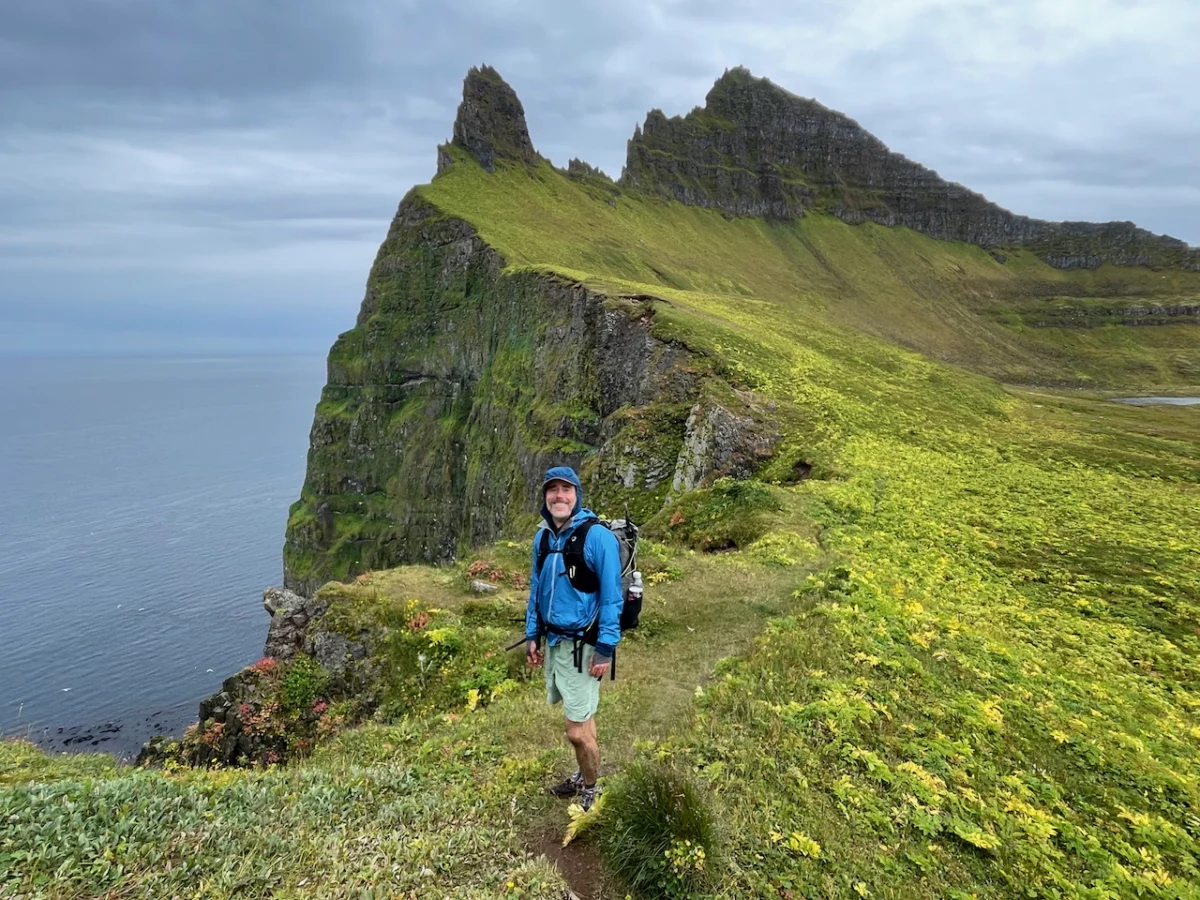
The Hornstrandir Peninsula is not merely a destination; it is a profound confrontation with the untamed. Located in the extreme northwestern corner of the Westfjords, this pristine nature reserve represents Iceland’s most isolated wilderness. With no roads, no permanent residents, and a landscape defined by jagged sea cliffs and primeval tundra, Hornstrandir offers a rare glimpse into a world governed entirely by the elements.
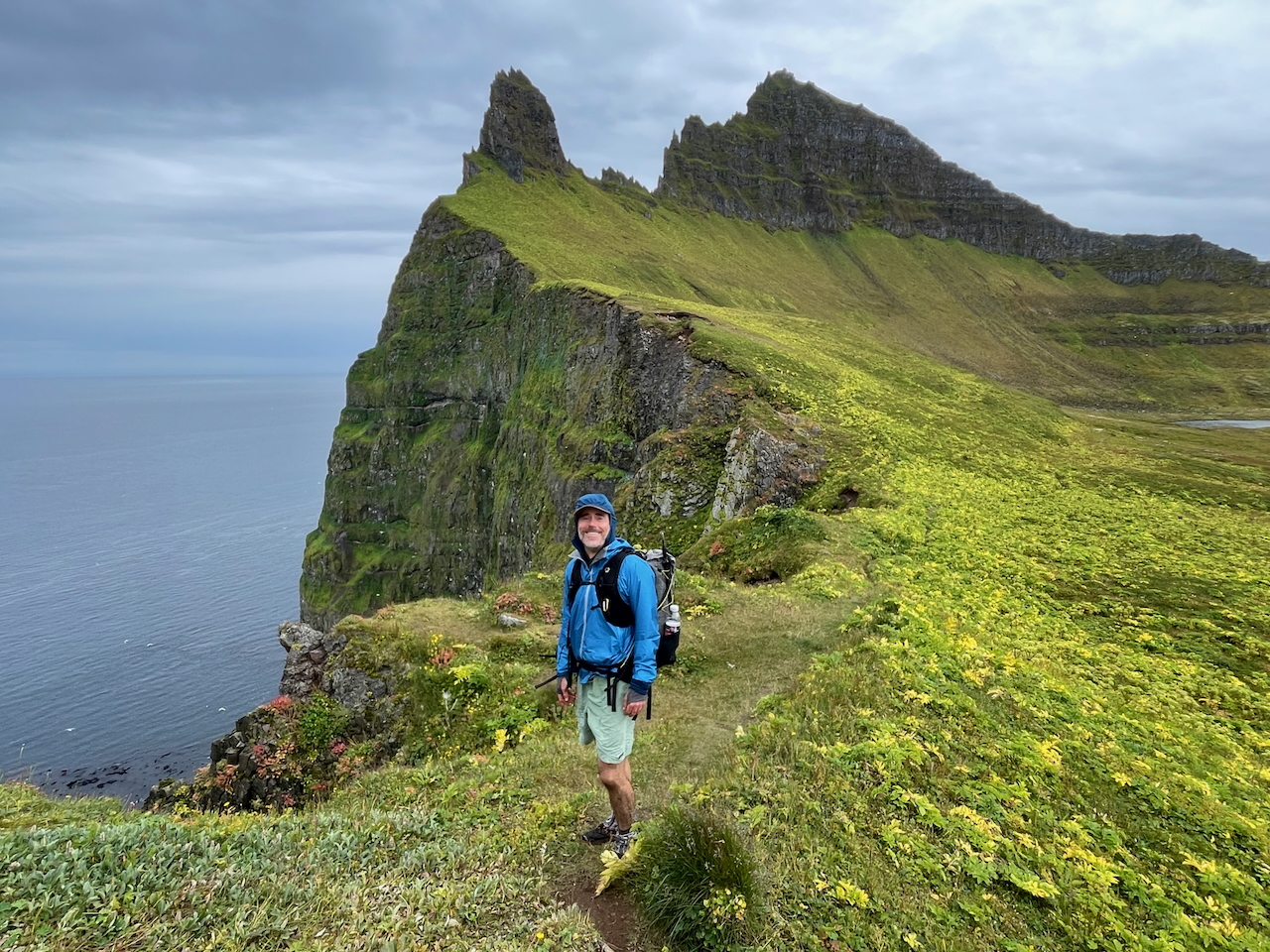
Accessible only by boat during the brief, fleeting window of the Icelandic summer, the peninsula has become a sanctuary for those seeking to disconnect from the modern grid. For the adventurous traveler, it offers a visceral experience of solitude and raw, unadulterated geography.
Main Facts: The Last Bastion of the North
Hornstrandir is a region defined by its absence. There are no services, no shops, and no infrastructure to speak of beyond a few emergency shelters and the remnants of historic dwellings.
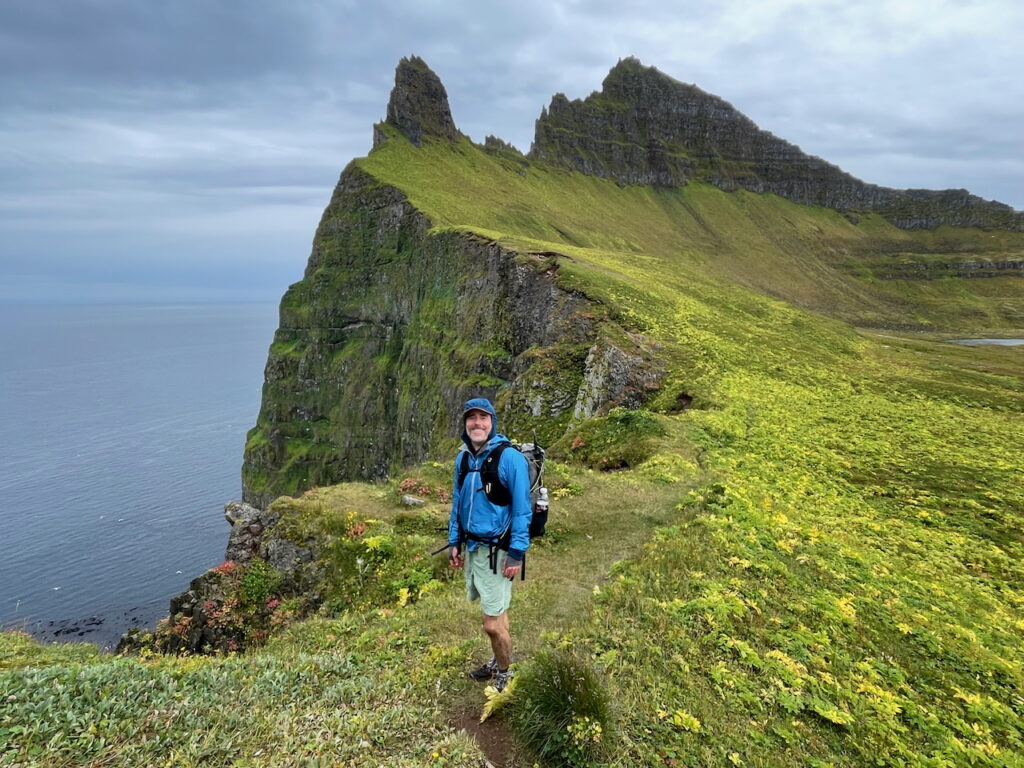
- Geographic Context: Situated in the Westfjords, the peninsula covers a significant portion of the northern coastline. Its topography is characterized by towering sea cliffs—some reaching heights of over 500 meters—and rolling, moss-covered tundra.
- The Human Absence: The region saw its last permanent inhabitants depart in the 1950s. The collapse of the local herring industry and the isolation of the farming communities made life here untenable. In 1975, the government declared the area a protected nature reserve, allowing the land to reclaim its wild status.
- Biodiversity: The reserve is a critical habitat for the Arctic fox, Iceland’s only native land mammal. Furthermore, its cliffs host one of the most vital seabird colonies in the North Atlantic, including puffins, guillemots, razorbills, and kittiwakes.
- Logistics: The area is strictly "hike-in, hike-out." Visitors must be self-sufficient, carrying all necessary food, fuel, and gear. The weather is notoriously fickle, capable of shifting from sun-drenched tundra to horizontal sleet within minutes.
Chronology: A Six-Day Traverse
The journey through Hornstrandir is a test of endurance and navigation. A typical traverse spans roughly 120 kilometers (75 miles) over six days, starting and finishing in the quiet coastal settlement of Hesteyri.
The Departure (Day 1)
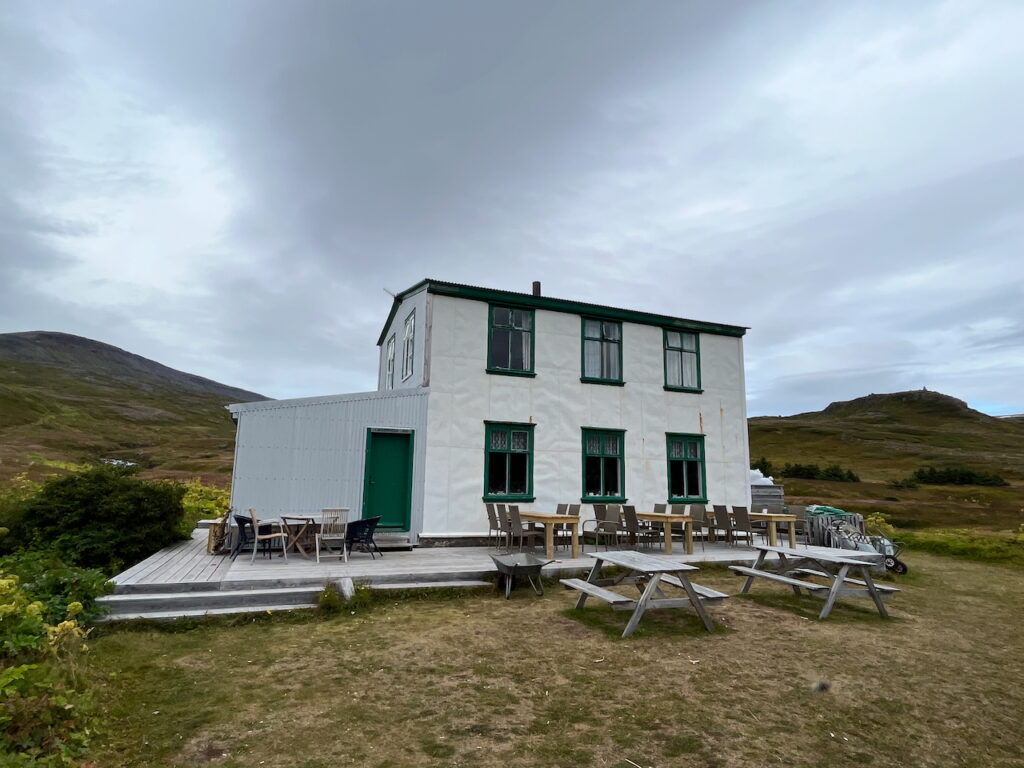
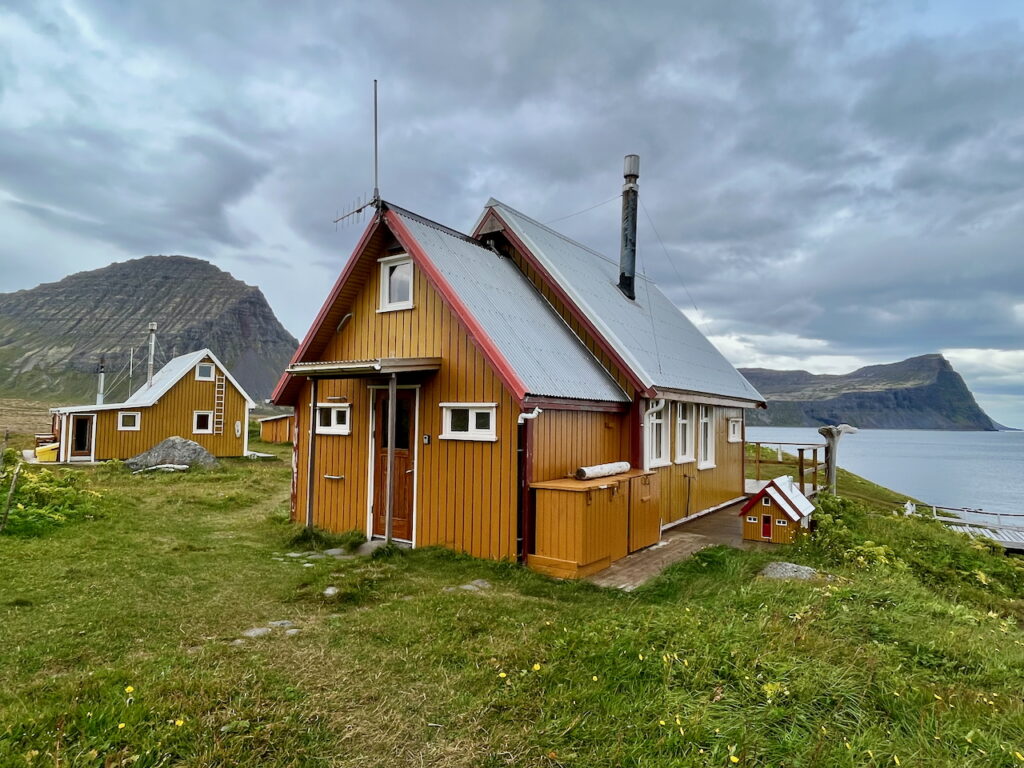
Leaving the historic, century-old "Old Doctor’s House" in Hesteyri—a welcome refuge for hikers—the trail winds toward the coast. The initial leg involves navigating past abandoned, red-roofed cottages and relics of a bygone era, descending toward the stillness of Staðarvatn Lake.
Into the Heart of the Reserve (Days 2 & 3)
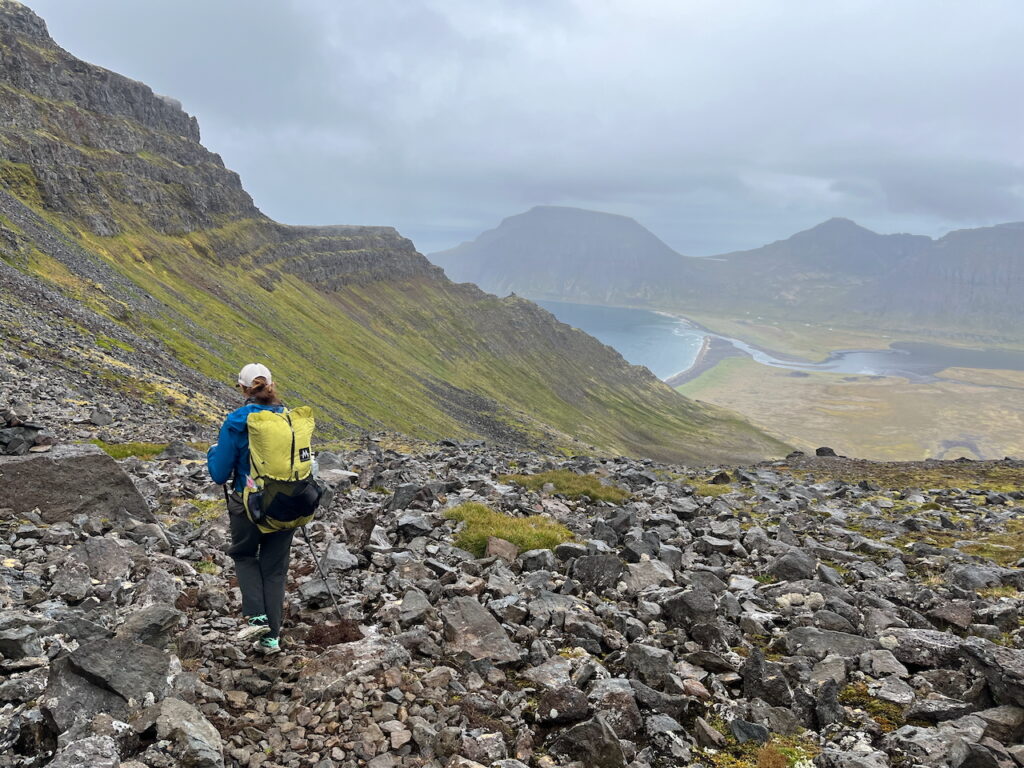
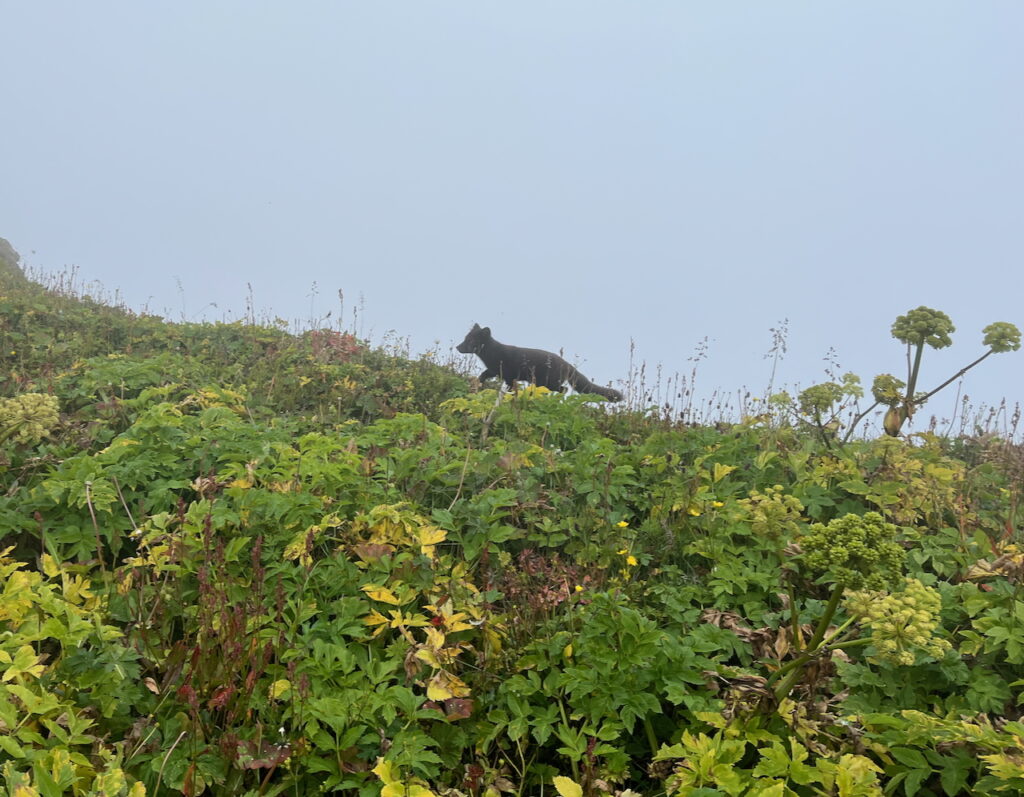
The trek continues across rocky plateaus, where the terrain is carpeted in Arctic flora, including the vibrant Arctic root (Rhodiola rosea) and sea thrift. By Day 3, the path reaches the black sands of Hornvík, a place of immense beauty. Here, travelers often report their first encounters with the peninsula’s most curious residents: the Arctic foxes, which have grown accustomed to the infrequent presence of humans.
The Edge of the World (Day 4)
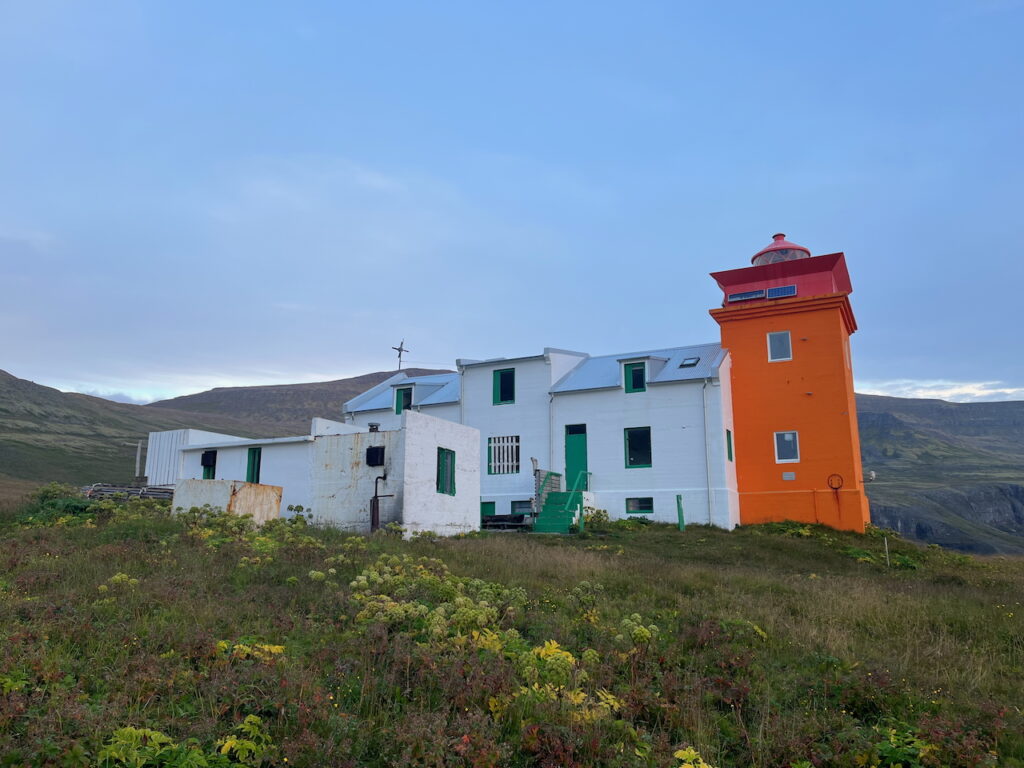
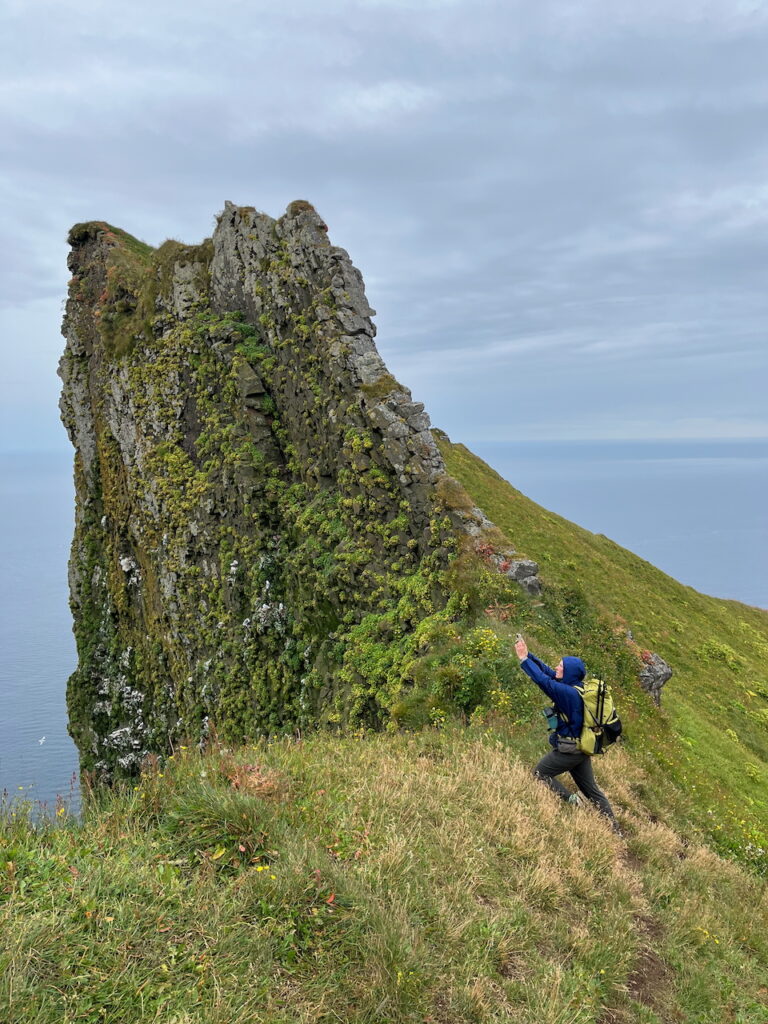
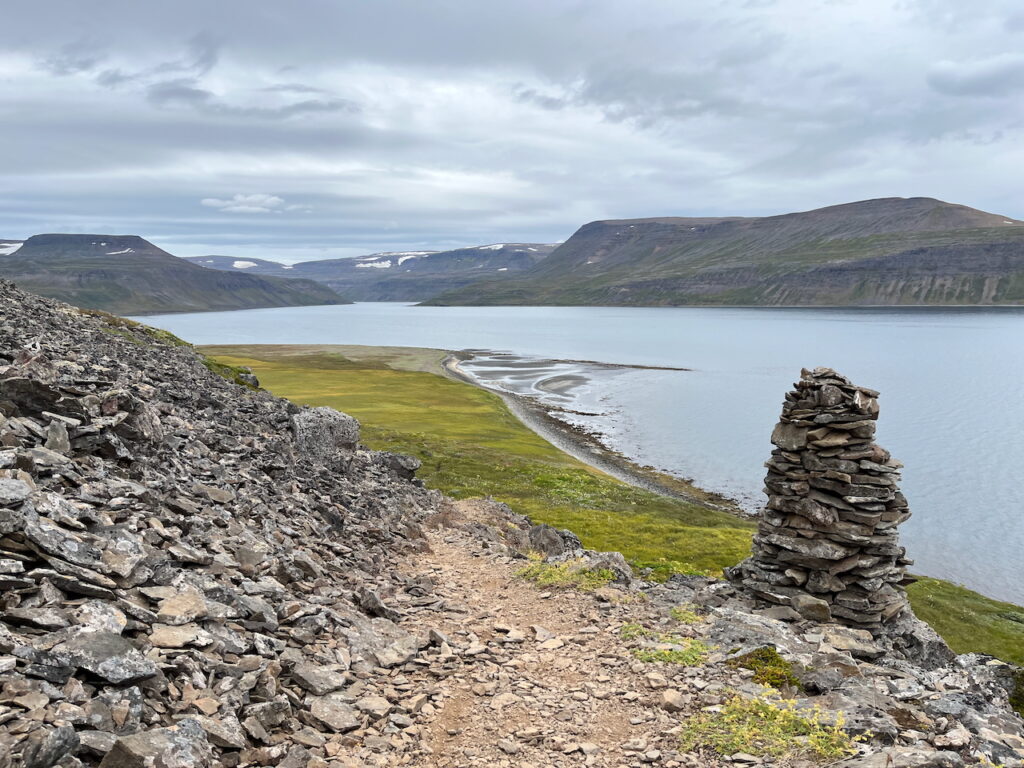
The highlight of any Hornstrandir trek is the ascent to the Hornbjarg cliffs. Standing at the edge, peering down 500 meters into the churning North Atlantic, one understands the scale of this wilderness. The soundscape is dominated by the collective calls of thousands of nesting birds, echoing against the emerald-green cliff faces.
The Final Push (Days 5 & 6)
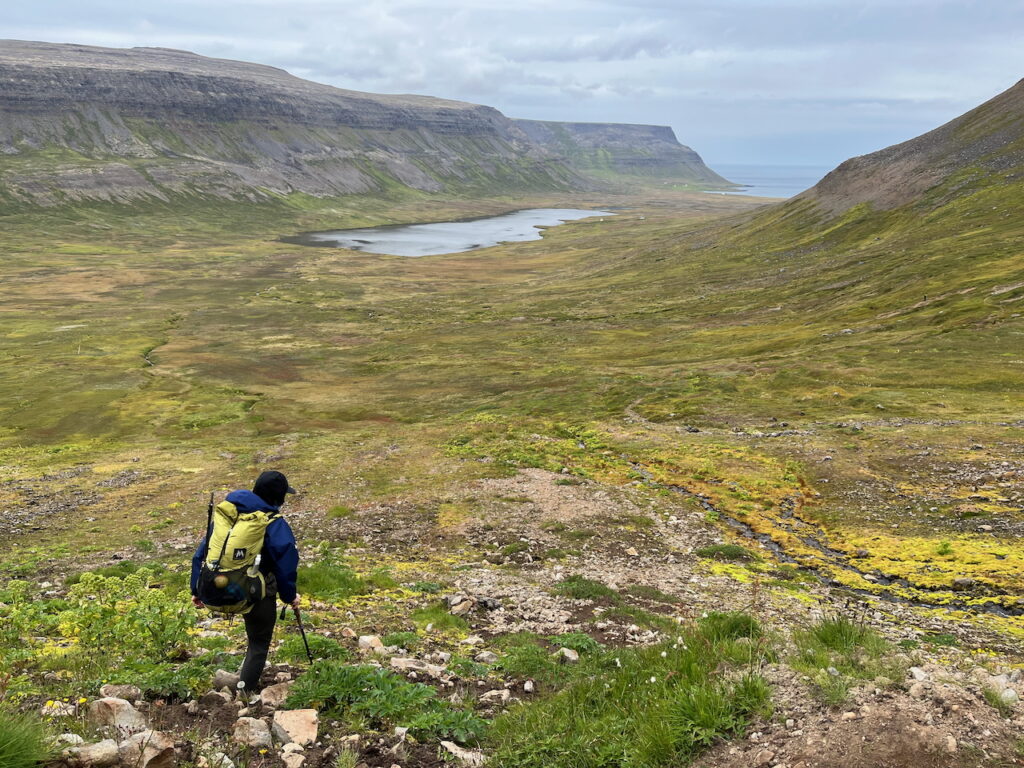
The return journey takes hikers over the challenging Hafnarskarð Pass. The transition from the rugged highlands back to the sea level of Hesteyri provides a meditative conclusion to the trip. The final hours of the hike, often spent navigating through dense fog and across soggy plains, are rewarded by the sight of the Hesteyri dock, where a boat awaits to return travelers to civilization.
Supporting Data: Understanding the Terrain
For those planning to undertake this expedition, preparation is paramount. The following metrics provide a baseline for the physical demands of the route:
- Total Elevation Gain: 4,271 meters (14,012 feet). The constant ascent and descent through mountain passes mean that elevation adds up quickly, necessitating high cardiovascular fitness.
- Difficulty Level: Moderate to Challenging. While not technical in the sense of requiring ropes, the lack of maintained paths, the necessity of river crossings, and the potential for severe weather make this an expert-level undertaking.
- Seasonal Window: Mid-June to late August. Attempting the route outside of this window is discouraged due to the extreme danger posed by winter storms and inaccessible sea routes.
Ecological and Cultural Implications
The protection of Hornstrandir as a nature reserve has had profound impacts on both the local ecosystem and cultural heritage.
A Botanical Renaissance
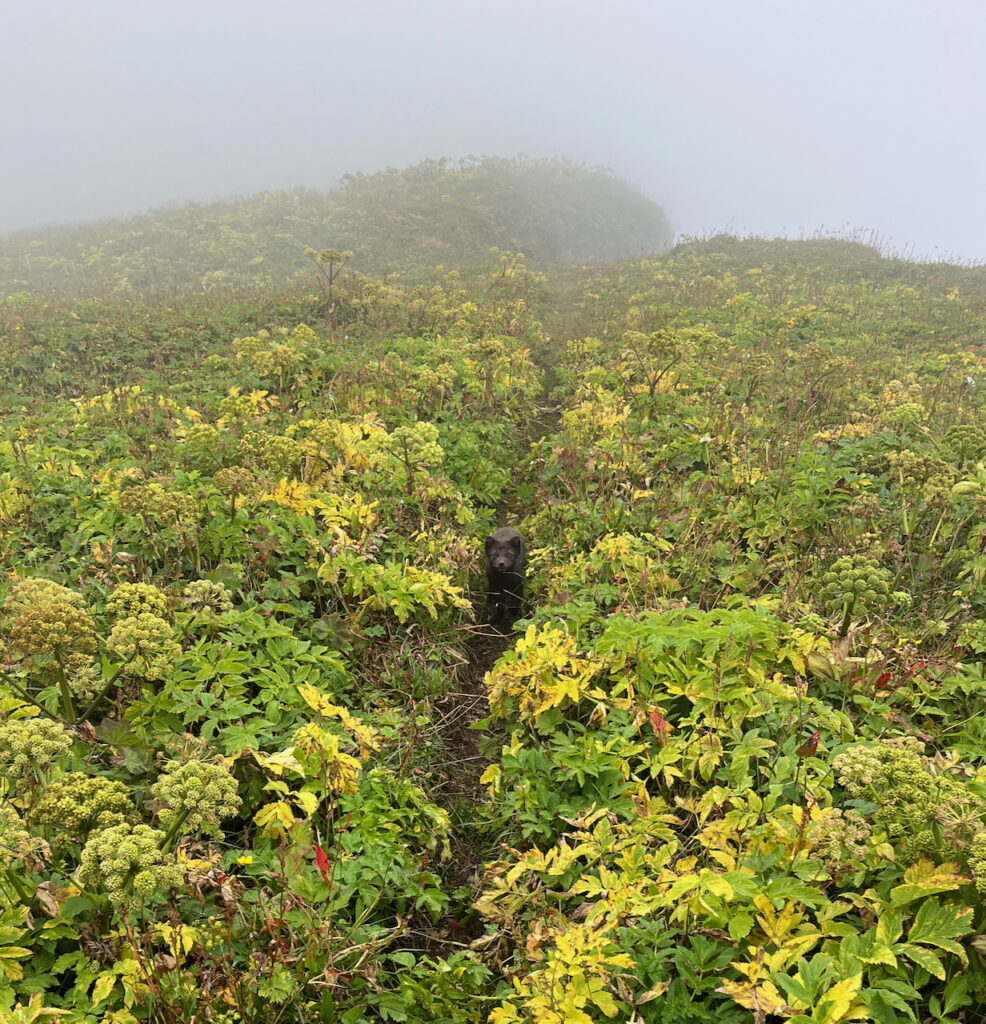
Since the cessation of farming and sheep grazing over fifty years ago, the peninsula has undergone a botanical transformation. More than 260 species of vascular plants have been recorded within the reserve. The recovery of the tundra vegetation—including lupine, angelica, and crowberry—serves as a testament to the resilience of nature when human exploitation is removed.
Heritage Preservation
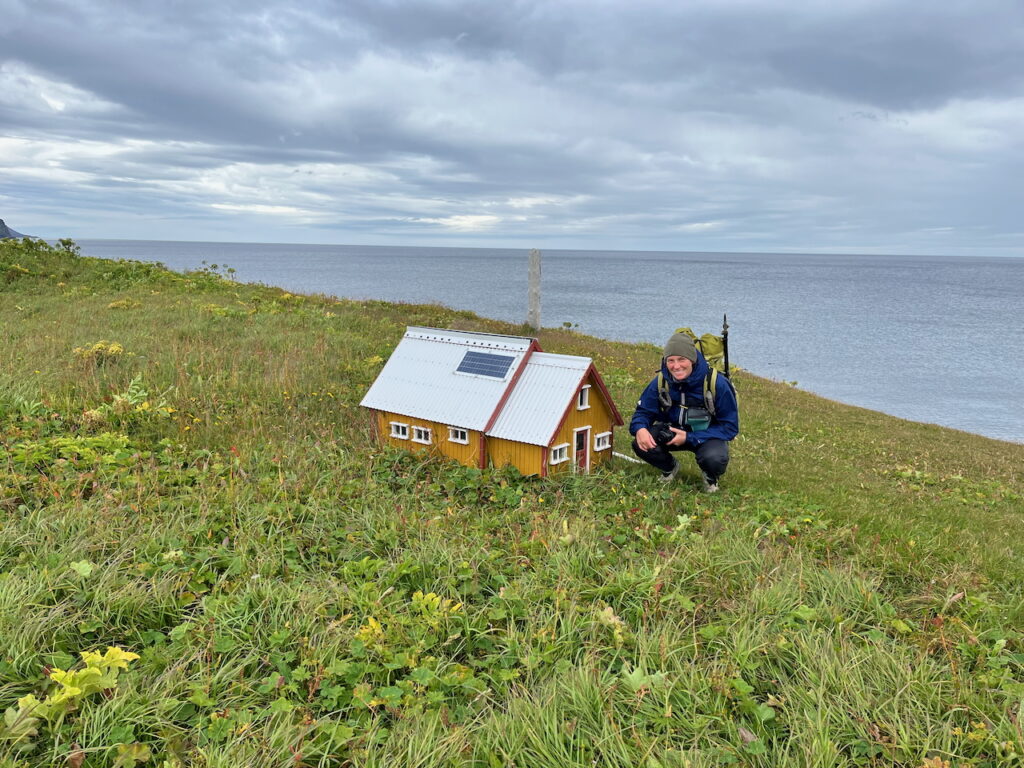
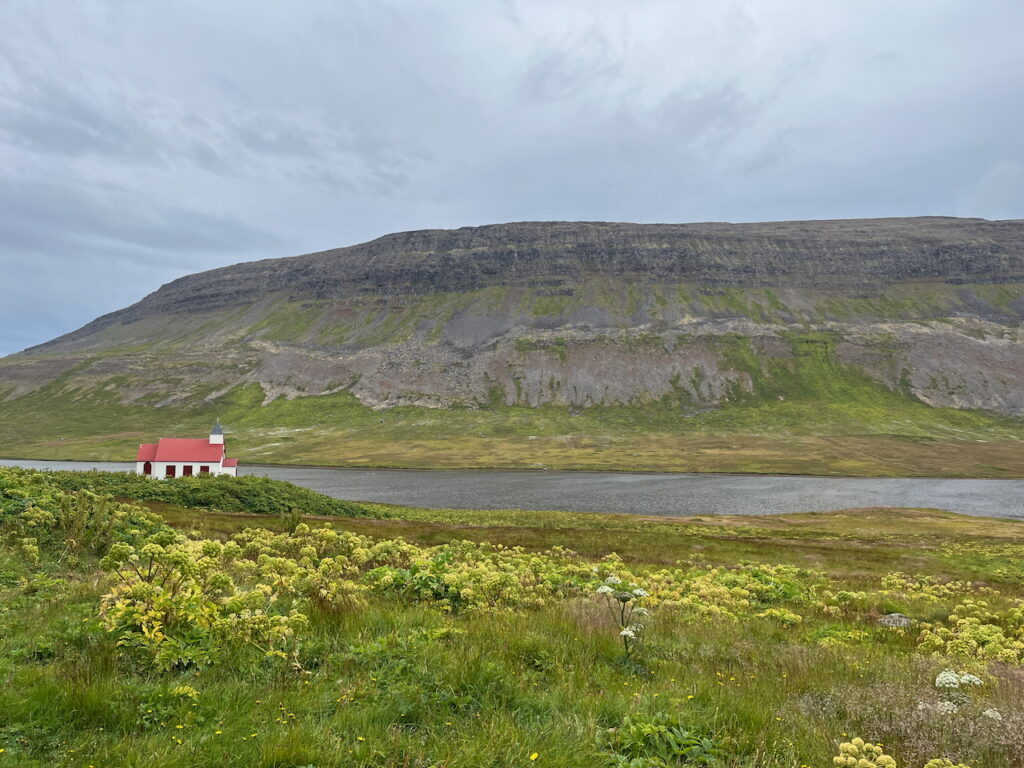
While the land is "wild," it is not devoid of history. Descendants of former inhabitants continue to maintain family houses, preserving the architectural character of the region. These cottages, while not open to the public, serve as markers of a time when this isolated corner was a vibrant, if rugged, center of trade and fishing.
The Arctic Fox as a Symbol
The conservation of the Arctic fox is a core component of the reserve’s mission. By protecting the fox, the authorities are effectively protecting the entire food chain of the tundra. The blue morph fox, which remains dark even in winter, is particularly iconic here. Observations of these animals in their natural, undisturbed habitat provide invaluable data for wildlife biologists tracking the effects of climate change on the species.
Official Perspectives and Safety Guidelines
The Environment Agency of Iceland (Umhverfisstofnun) maintains strict guidelines for visitors to ensure the preservation of this delicate ecosystem.
- Leave No Trace: Because of the slow growth rates of Arctic vegetation, any damage to the tundra can take decades to repair. Hikers are strictly required to stay on established paths where they exist and to practice rigorous "Leave No Trace" principles.
- Emergency Preparedness: The agency emphasizes that Hornstrandir is not a "tourist park." There is no cellular service and no rescue infrastructure within the reserve. Hikers must carry satellite communication devices and possess the skills to navigate in white-out conditions.
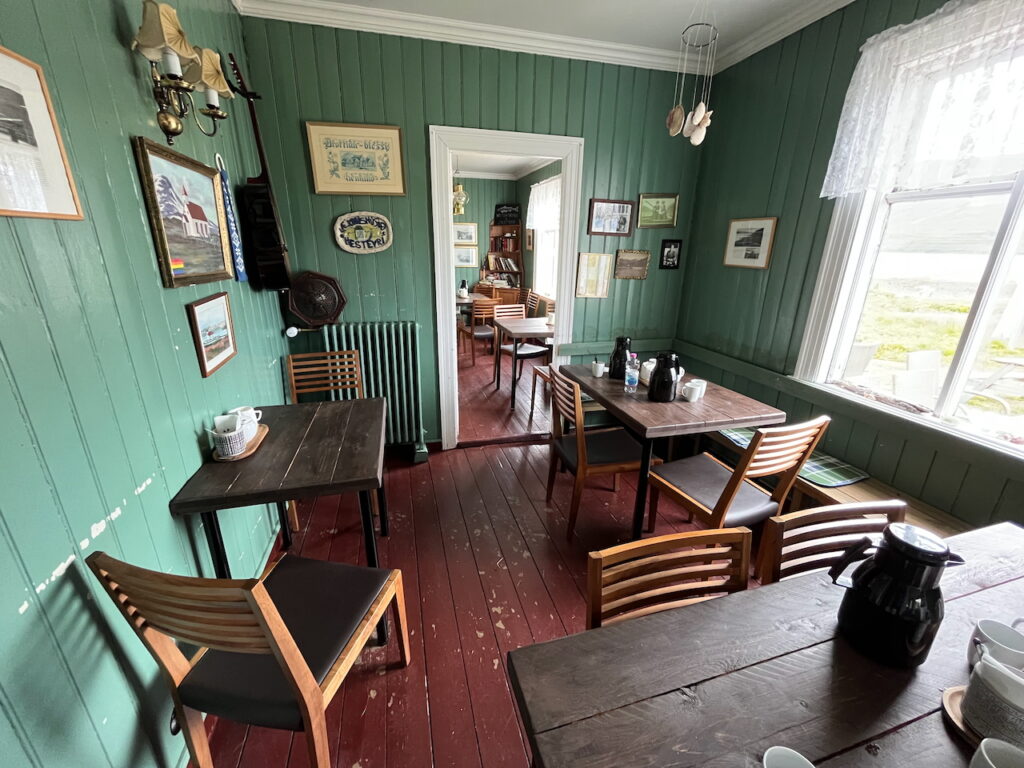
- Weather Vigilance: The "Old Doctor’s House" at Hesteyri serves as the primary outpost for weather information. Hikers are encouraged to consult with locals before departing, as the weather patterns in the Westfjords are notoriously unpredictable and can lead to dangerous sea conditions for boat pickups.
Conclusion: The Value of Isolation
Hornstrandir stands as a rare reminder of a planet that is not entirely owned by humanity. Its silence, its cliffs, and its foxes are not there for our consumption; they are part of a self-sustaining cycle that has persisted for millennia.
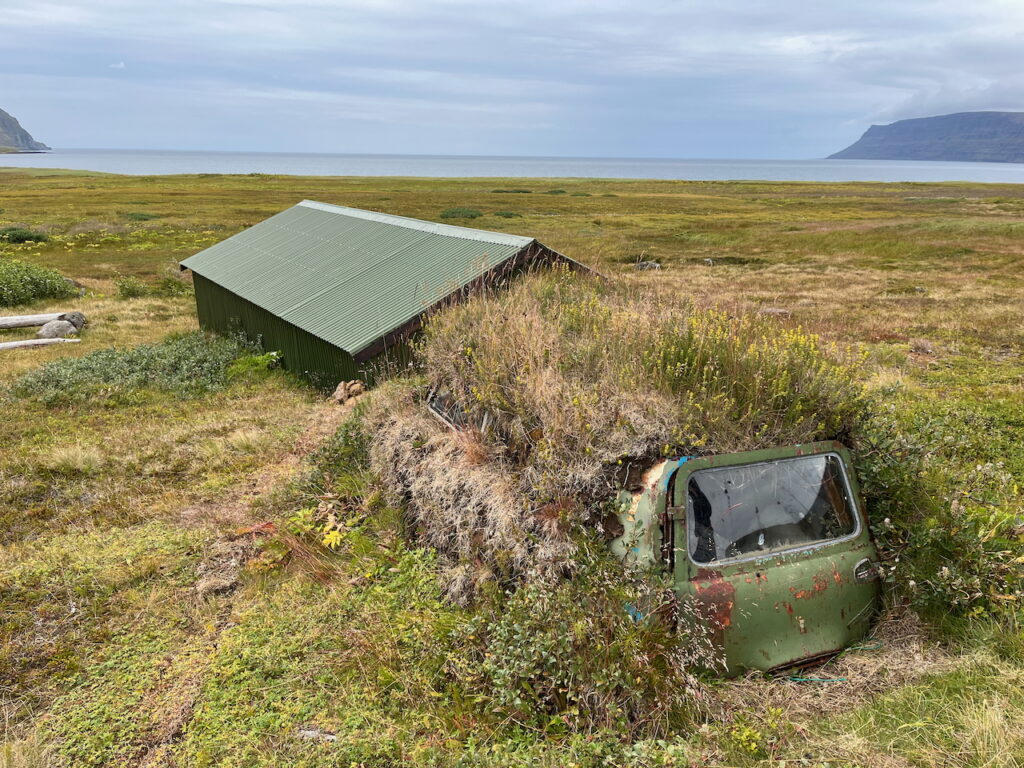
For those who make the journey, the reward is not just the spectacular photography or the physical achievement of the hike. The true reward is the realization that such places still exist—spaces where the air is pure, the land is ancient, and the only schedule is the rise and fall of the tide. As global travel becomes increasingly homogenized, the remote wilderness of the Westfjords remains a vital, uncompromising sanctuary of the human spirit.