By Alice Broderick | June 18, 2026
As the summer solstice approaches, the rhythm of the American landscape shifts. The days grow longer, casting a golden light over the riffles and rapids that serve as the lifeblood of our nation. For millions of Americans, this season marks a return to the water—whether it is the meditative solitude of a fly-fishing excursion, the adrenaline of a kayak descent, or the simple, grounding joy of a family picnic along a riverbank.
However, as we observe National Rivers Month this June, it is imperative to look beyond the recreational utility of these waterways. We must recognize the fundamental truth that defines our relationship with the environment: Life Depends on Rivers®. This is more than a slogan for American Rivers; it is an ecological reality. From the faucets in our homes to the irrigation systems that sustain our food supply and the complex habitats that shield biodiversity from collapse, healthy rivers are the infrastructure upon which all American life is built.
As we navigate a year marked by significant environmental volatility, it is essential to pause and reflect on the progress achieved through collective advocacy. The following report details the major milestones of the past year—a testament to what is possible when policy, community action, and scientific stewardship converge.
The State of Our Waters: Main Facts and Current Landscape
The year 2026 finds the United States at a critical juncture in water management. Climate change, aging infrastructure, and industrial pressures continue to threaten the purity and availability of our freshwater resources. Yet, the past 12 months have also been defined by a series of unprecedented victories that signal a shift in how the nation values its aquatic ecosystems.
The primary objective of modern river conservation has evolved from simple "protection" to active "restoration." This shift is characterized by the decommissioning of obsolete dams, the investment in resilient green infrastructure, and the legal recognition of water as a public health priority. The data emerging from the last fiscal year suggests that the momentum is swinging in favor of river health, with record-breaking miles of river reconnected and landmark policy shifts in key states.
Chronology of Conservation: A Year of Historic Milestones
The path toward a healthier water future is rarely linear. It is a mosaic of long-term planning, legislative lobbying, and community mobilization. The following timeline outlines the major achievements that have defined the river conservation movement over the past year:
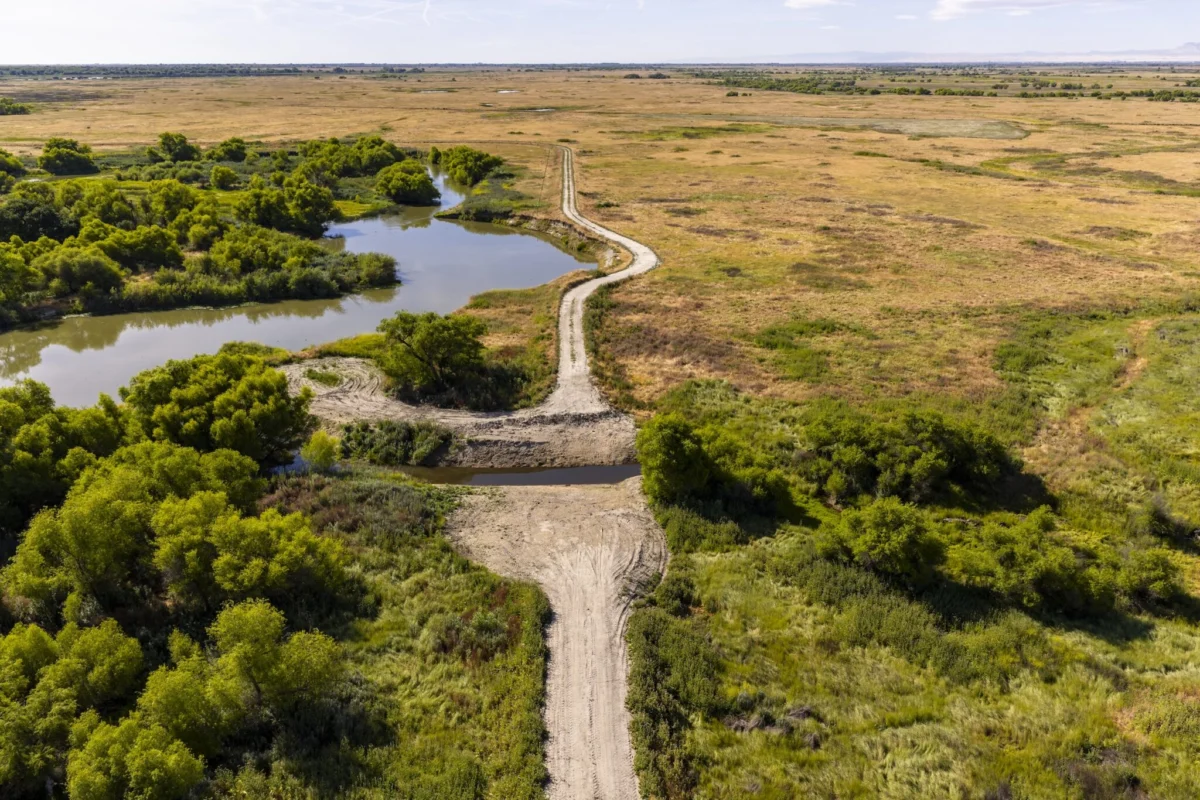
- February 2026: In the Pacific Northwest, the culmination of years of urban planning resulted in the successful restoration of a headwater wetland in West Seattle. This project serves as a pilot for urban resilience, proving that nature-based solutions can effectively mitigate flood risks in densely populated areas.
- April 2026: Following the designation of the Tijuana River as one of America’s Most Endangered Rivers®, a swift, multi-agency response was triggered. This resulted in a high-level dialogue between U.S. and Mexican authorities to address the toxic pollution crisis that has long plagued border communities.
- December 2025: Texas voters passed a transformative ballot measure, authorizing a $20 billion, 20-year investment plan for water and flood resilience. This represents the largest state-funded water initiative in American history.
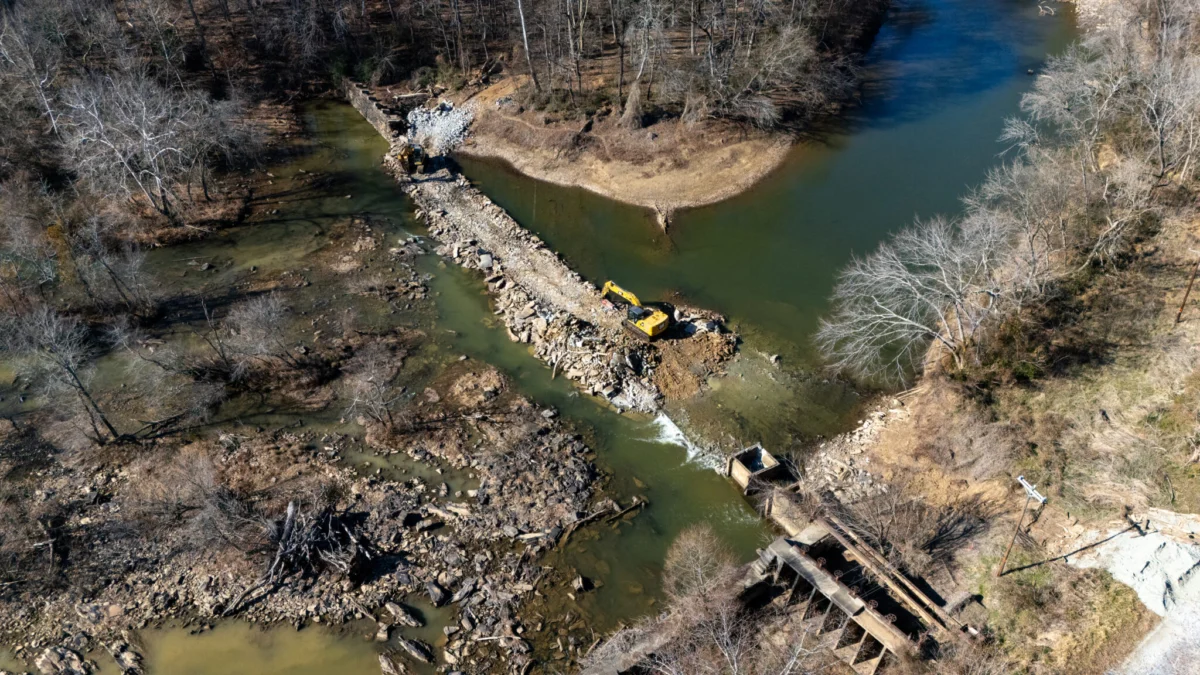
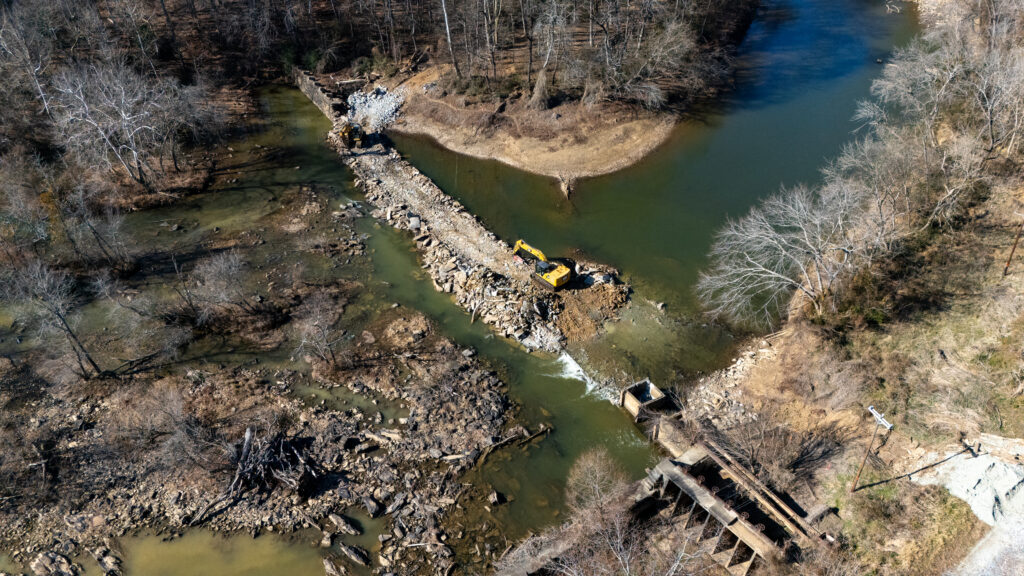
- Throughout 2025: A nationwide surge in river connectivity projects led to the removal of 100 dams across 30 states, marking a historic high for the dam removal movement.
Supporting Data: The Quantitative Impact of Restoration
The effectiveness of these efforts is best measured in the tangible outcomes for the ecosystems involved.
Reconnecting the Heartland
The removal of 100 dams in 2025 was not merely an engineering feat; it was an ecological turning point. By removing these 100 barriers—many of which were crumbling, non-functional, and hazardous—we reconnected 4,893 miles of river habitat. This is the highest volume of upstream reconnection achieved in a single year in U.S. history. Free-flowing rivers allow for the migration of fish species, the natural transport of sediment, and the rejuvenation of riparian floodplains, which are essential for water filtration.
The Texas Model
The $20 billion investment in Texas is particularly noteworthy for its bipartisan support. The funding is earmarked for:
- Wetland Restoration: Utilizing natural sponges to absorb storm surges and recharge aquifers.
- Infrastructure Modernization: Replacing lead and aging pipes to ensure potable water access.
- Floodplain Management: Moving development away from high-risk flood zones to prevent future catastrophe.
This influx of capital demonstrates that economic prosperity and environmental stewardship are not mutually exclusive but are, in fact, inextricably linked.
Official Responses and Strategic Advocacy
The success stories of the past year were not coincidental; they were the product of strategic advocacy and persistent community engagement.
The Tijuana River Agreement
The situation at the Tijuana River, which ranked #2 on the 2025 Most Endangered Rivers® report, serves as a masterclass in how non-profit advocacy can catalyze federal action. By partnering with the Surfrider Foundation and Un Mar de Colores, American Rivers was able to elevate the public health crisis to the desk of the EPA Administrator. The subsequent agreement between the U.S. and Mexico to address cross-border pollution is a prime example of international cooperation driven by grassroots data collection and vocal community leadership.
The Urban Wetland Model
In Seattle, the success of the headwater wetland restoration project has provided a blueprint for other cities. By integrating ecological health into urban development, the Northwest Region team showed that municipal authorities are increasingly willing to fund nature-based solutions when the economic and social benefits—such as flood mitigation and community recreation—are clearly articulated.
Implications: Why This Matters for the Future
As we look toward the remainder of 2026 and beyond, the implications of these victories are profound. We are moving away from an era of "taming" rivers toward an era of "collaborating" with them.
Resilience in the Face of Climate Change
The climate crisis presents an unpredictable future for water security. Increased drought frequency in the West and extreme precipitation events in the East require a flexible, resilient approach to water management. The success in Texas and the dam removal movement show that we have the tools to adapt. By removing obsolete dams, we improve the resilience of river systems, allowing them to better handle the stressors of a changing climate.
Economic and Public Health Co-benefits
Water is the primary determinant of public health. Ensuring that every community has access to clean, safe, and reliable water is a moral imperative. Furthermore, the "Blue Economy"—recreation, tourism, and sustainable development around rivers—contributes billions of dollars annually to the U.S. economy. When we invest in our rivers, we are investing in the economic stability of the communities that surround them.
A Call to Continued Action
While we celebrate these wins, we must remain vigilant. The threats of pollution, habitat destruction, and water scarcity are persistent. The successes of 2025 and early 2026 prove that the greatest obstacle to progress is not a lack of technology or resources, but a lack of political and social will.
As Alice Broderick notes, the act of listening to a river—to the riffles, the rapids, and the life they sustain—is a grounding experience. It reminds us that we are part of a larger, interconnected system. This National Rivers Month, let us carry the momentum of the past year forward. Let us advocate for policies that prioritize the long-term health of our watersheds, support the organizations working on the front lines, and continue to believe in the fundamental reality: Life Depends on Rivers®.
Conclusion
The progress made in reconnecting nearly 5,000 miles of river, the landmark agreements for border water quality, and the historic state investments in water infrastructure all point to a singular conclusion: the American public is waking up to the value of our waterways.
As you enjoy the outdoors this summer—whether you are casting a line or simply walking along a bank—remember that these experiences are fragile. They are the result of years of advocacy and the dedication of thousands of volunteers, scientists, and policy experts. By staying informed, participating in local conservation efforts, and keeping the pressure on our elected officials, we ensure that these rivers remain flowing, vibrant, and healthy for generations to come.
Let’s stay in touch. The fight for clean, healthy rivers is ongoing. Sign up for our newsletter to receive the latest updates, critical alerts, and opportunities to make your voice heard in the halls of government. Together, we can ensure that our rivers continue to be the source of life for all.