
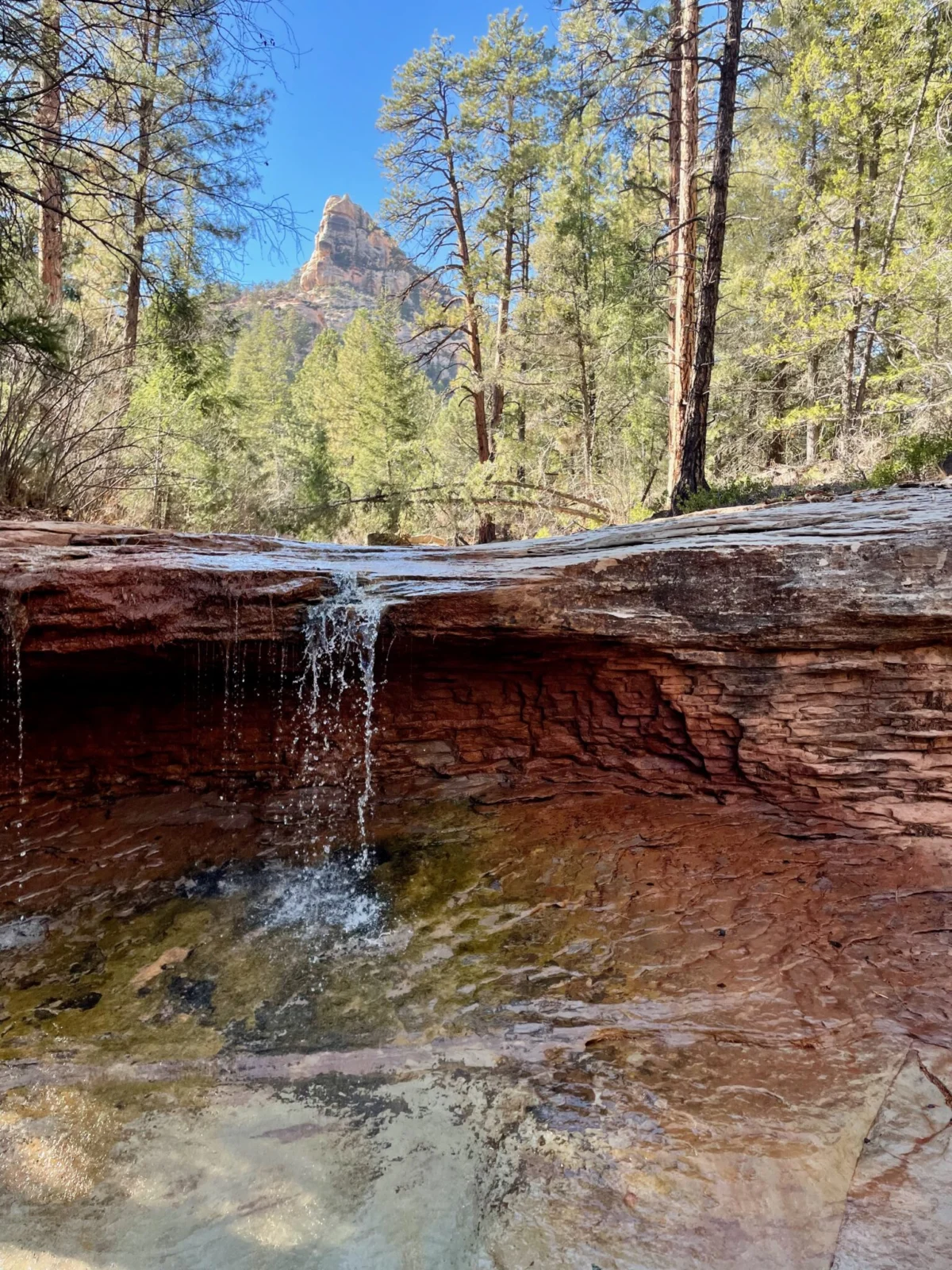
For over a century, the Antiquities Act of 1906 has served as one of the most powerful tools in the American conservation toolkit. Signed into law by President Theodore Roosevelt, the Act empowered the executive branch to protect "objects of historic or scientific interest" as national monuments. This legacy is not merely one of land management; it is a foundational element of the American identity. Today, nearly half of our iconic National Parks—including the Grand Canyon, Zion, Olympic, and Arches—began their journey as national monuments.
However, this bedrock of American conservation is currently facing its most severe challenge in history. On July 13, 2026, a sweeping executive action fundamentally altered the landscape of federal land protection, casting a long shadow over the future of our nation’s cultural and natural heritage.
The Antiquities Act: A Legacy Under Fire
The Antiquities Act was designed to provide rapid, decisive protection for lands under immediate threat of looting, destruction, or industrial development. Over the last 120 years, forty presidents from both major political parties have utilized this authority to safeguard millions of acres. From the red rock cathedrals of the Southwest to the coastal forests of the Pacific Northwest, these designations have preserved landscapes that are integral to our history.
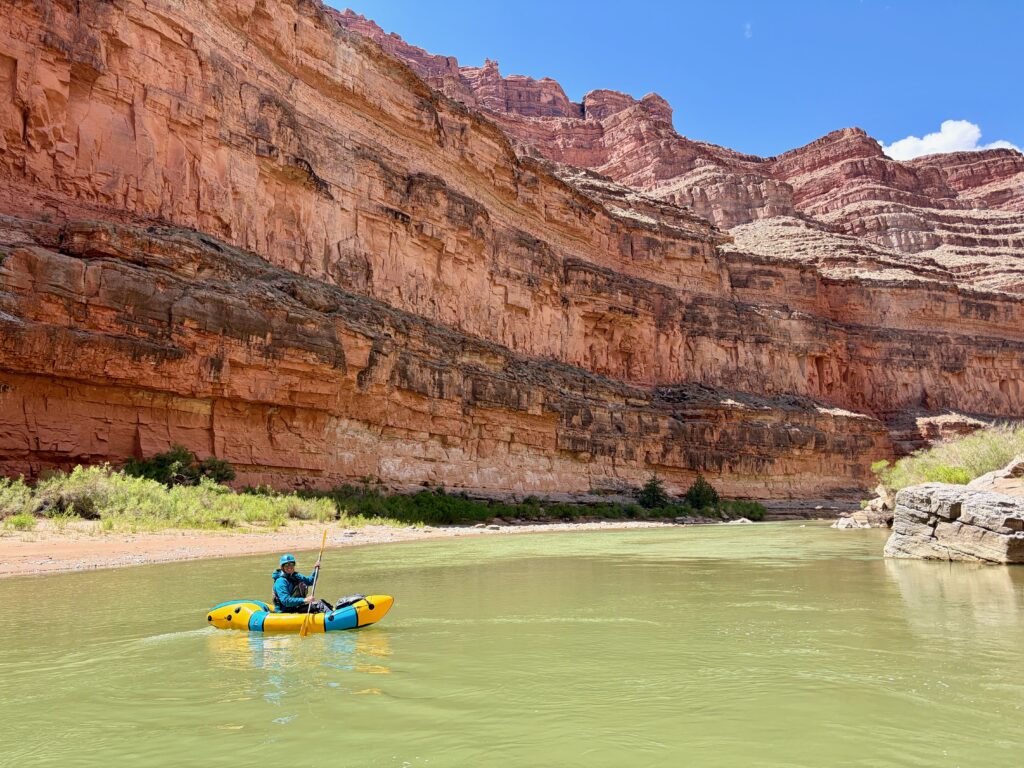
Beyond their aesthetic and cultural value, these monuments function as the nation’s “natural water towers.” In the last three decades alone, the 31 national monuments designated across the United States have protected over 21,143 miles of rivers across 2,125 individual watersheds. These areas provide the clean water supply for more than 13 million Americans, while supporting a vibrant outdoor recreation economy that fuels gateway communities with sustainable growth.
Chronology: The Escalation of the 2026 Rollbacks
The recent federal proclamations represent a drastic departure from the precedent set by previous administrations.
- 1996: President Bill Clinton designates the Grand Staircase-Escalante National Monument, recognizing its unparalleled paleontological, cultural, and geological significance.
- 2016: Following years of advocacy by a coalition of five sovereign nations—the Hopi, Navajo Nation, Ute Mountain Ute, Zuni, and Ute Indian Tribe—President Barack Obama establishes Bears Ears National Monument, marking the first time a monument was designated primarily based on the ancestral connection and traditional knowledge of Indigenous peoples.
- 2017: The federal government attempts to reduce the boundaries of both monuments by approximately 2 million acres. This action triggers widespread litigation and public outcry.
- 2021: The Biden administration restores the original boundaries of both Bears Ears and Grand Staircase-Escalante, reaffirming the federal commitment to tribal co-management and landscape-scale conservation.
- July 13, 2026: In a move described by conservationists as unprecedented, the current administration issues proclamations to reduce the combined footprint of Bears Ears and Grand Staircase-Escalante by 90%. Nearly 3 million acres of public land are stripped of their monument status, leaving only 300,000 acres protected.
Supporting Data: The Economic and Ecological Cost
The justification for these monuments often centers on their irreplaceable value, yet the economic impact of their removal is equally quantifiable. In New Mexico, for example, the Rio Grande Del Norte National Monument serves as a case study for the economic vitality of protected lands. In the year following its designation, the gateway community of Taos saw a 40% increase in tourism and a 20% surge in lodging tax revenue.
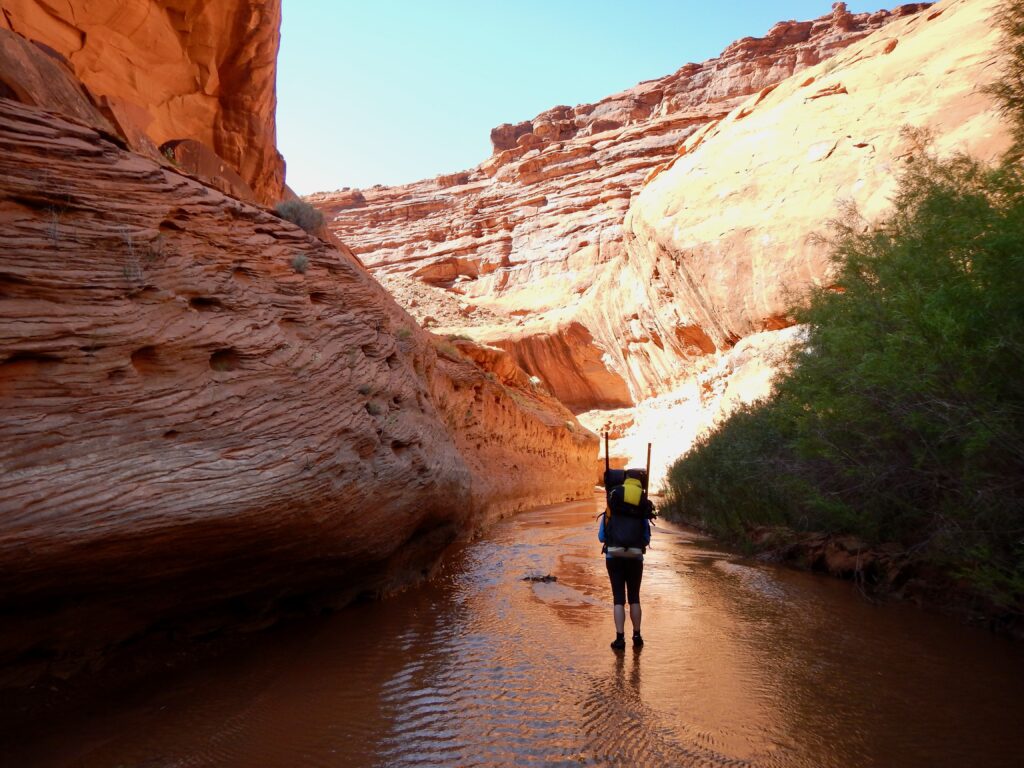
The ecological argument is perhaps even more compelling. In Maine, the Katahdin Woods and Waters National Monument—which safeguards 30 miles of the East Branch of the Penobscot River—was found to contribute $3.4 million annually to the local economy, according to National Park Service data. These watersheds are essential; they provide the cold, clean headwaters necessary for the survival of endangered Atlantic salmon, wild brook trout, Canada lynx, and bald eagles.
When we remove protections from these landscapes, we are not just altering lines on a map; we are dismantling the habitat corridors that allow species to migrate and adapt to a changing climate. Wildlife such as elk, pronghorn, and bighorn sheep rely on the river corridors protected by these monuments as essential migration routes. Disruption of these corridors threatens to unravel the web of life that has thrived in these regions for millennia.
The Human Connection and Tribal Sovereignty
Perhaps the most controversial aspect of the 2026 rollback is the dissolution of the Bears Ears Commission. Comprised entirely of Tribal representatives, the Commission was a landmark example of modern, collaborative federal land management. By disbanding the commission and removing tribal seals from signage, the administration has effectively signaled a retreat from the principles of tribal sovereignty and partnership.
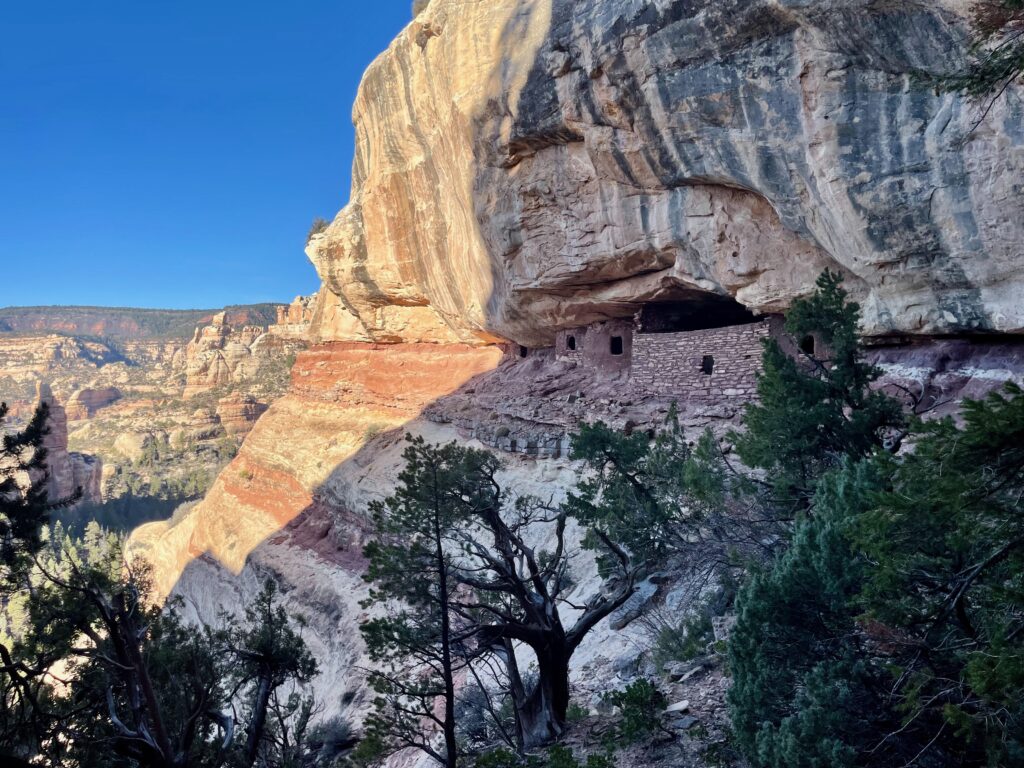
For the Ancestral Puebloan people, these lands are not "vacant" or "undeveloped." They are ancestral homelands, cathedrals, and living museums. The cliff houses, kivas, granaries, and rock art found within these boundaries are physical manifestations of a history that long predates the United States. For many Tribal members, these monuments remain vital sources of medicinal plants, ceremonial sites, and cultural identity. The unilateral decision to reduce these protections ignores the fundamental relationship between the original stewards of these lands and the landscapes themselves.
Implications: A National Precedent for Peril
The implications of the July 2026 decision extend far beyond the borders of Utah. If nearly 3 million acres can be stripped of their protected status through executive fiat, no monument in the United States is truly secure.
The "coming to a monument near you" scenario is now a reality. Other national monuments that enjoy strong local and state support are now potentially in the crosshairs. The precedent established here suggests that political shifts in Washington D.C. can override decades of conservation work, scientific study, and community consensus.
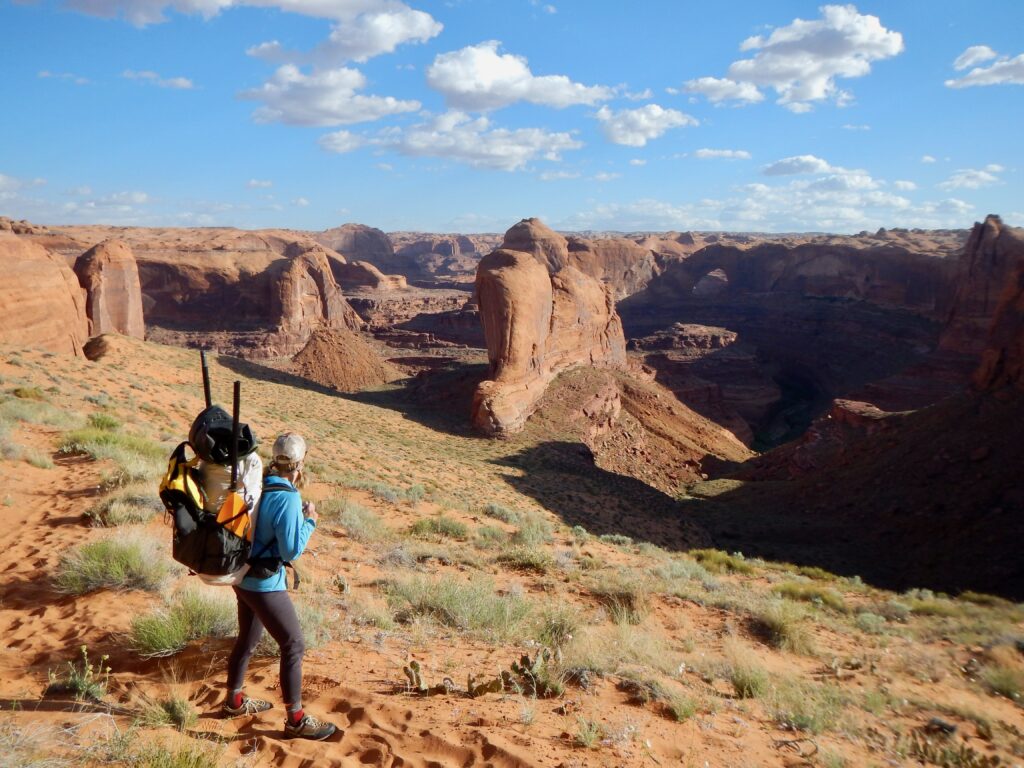
Public response has been swift and vocal. Over 1,000 citizens recently gathered in six cities across Utah to protest the rollbacks, signaling that the defense of public lands remains a potent and unifying issue. Despite this, the bureaucratic machinery has moved forward, leaving the future of our natural heritage in a state of deep uncertainty.
Conclusion: The Path Forward
The United States stands at a crossroads. We can continue to view our public lands as a public trust—a collective inheritance to be passed down to future generations—or we can treat them as temporary assets to be exploited for short-term gain.
The successes of our national monument system are documented in the clean water flowing through our watersheds, the economic stability of our gateway towns, and the survival of our most sensitive species. To walk away from these successes now would be a failure of both policy and perspective.
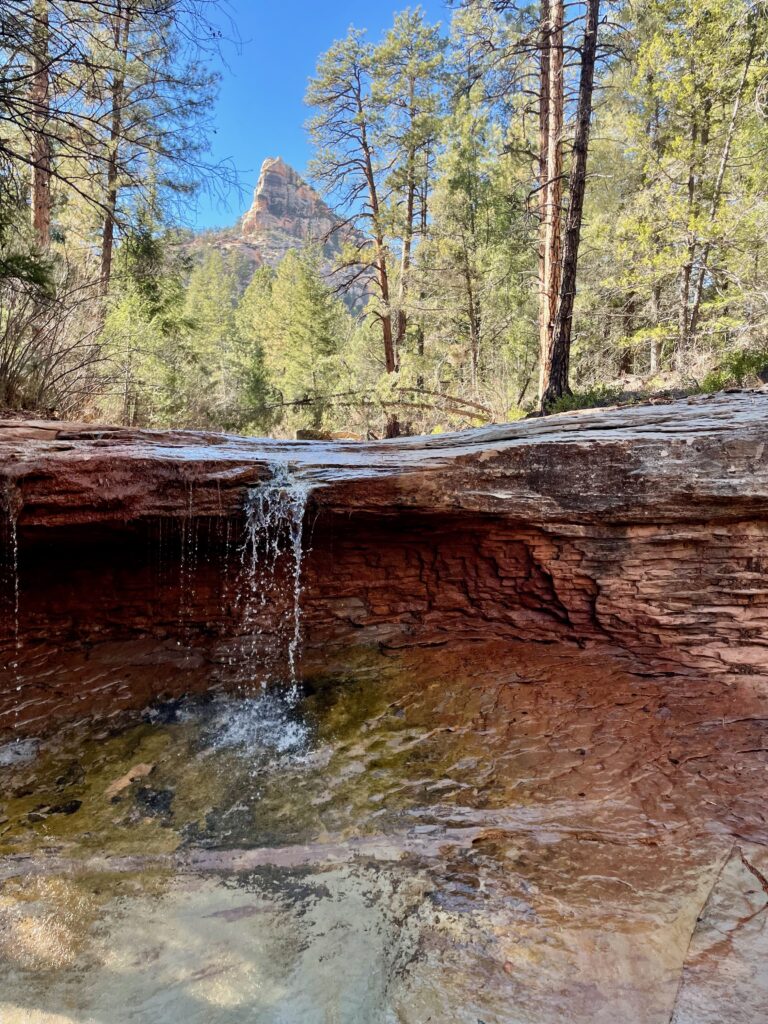
As we look to the future, the defense of these lands requires more than just advocacy; it requires a renewed commitment to the idea that some places are simply too important to be lost. Whether you are a hiker in the red rock canyons of the San Juan River, a paddler on the East Branch of the Penobscot, or a citizen concerned with the health of our watersheds, the message is clear: these lands are part of us. We must ensure that the protection of our irreplaceable waterways and landscapes remains a priority that transcends the political cycles of the day.
If you have the opportunity, visit these places. Witness the majesty of the pinion-juniper mesas and the silence of the ancient cliff dwellings. Experience for yourself what is at stake. Because once these landscapes are degraded, the history and the ecology they protect may be lost to us forever.