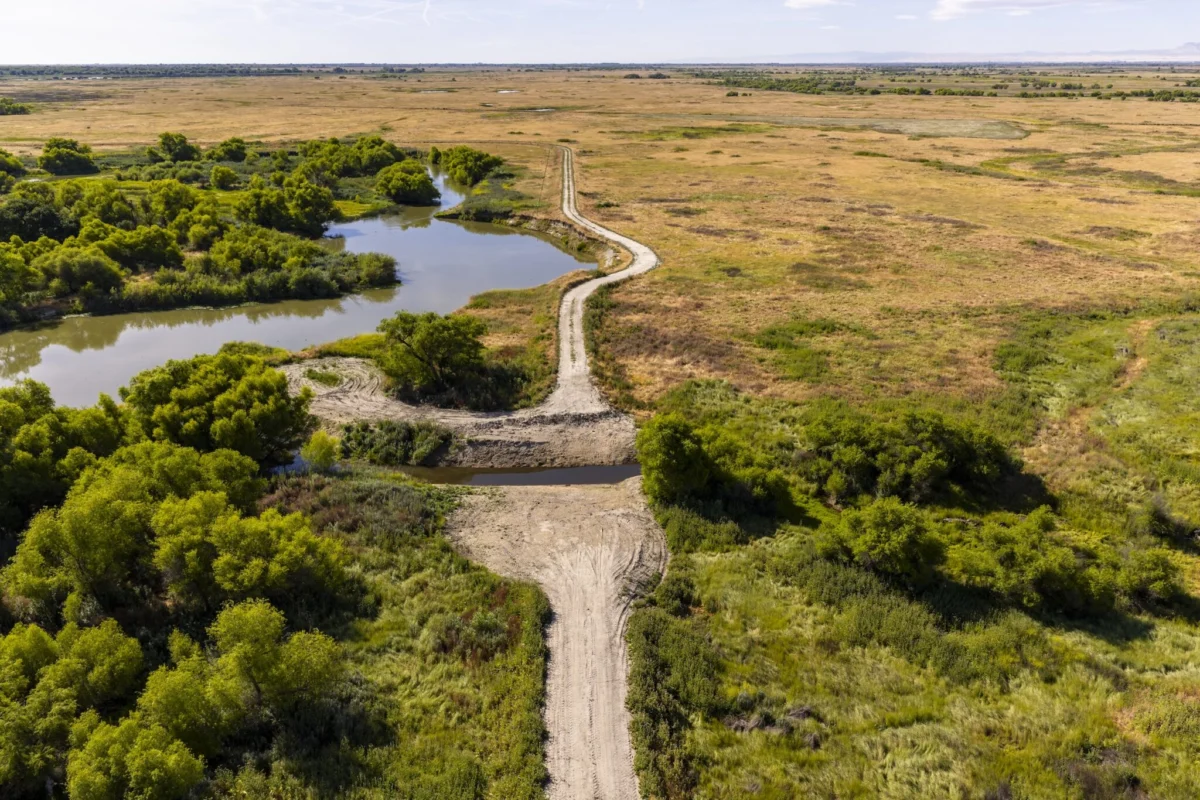
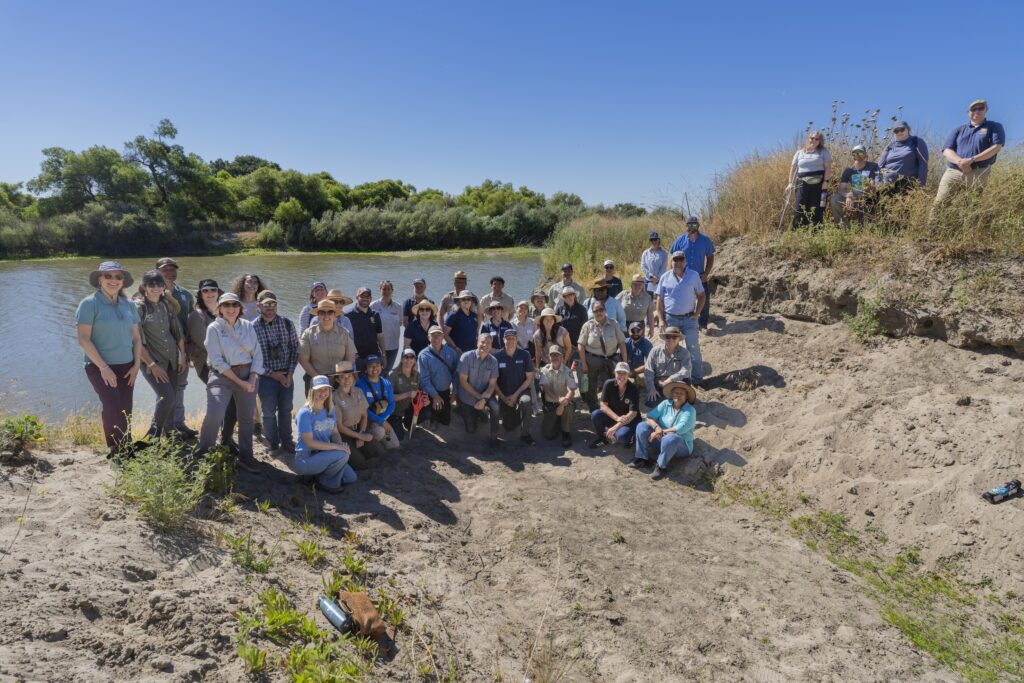
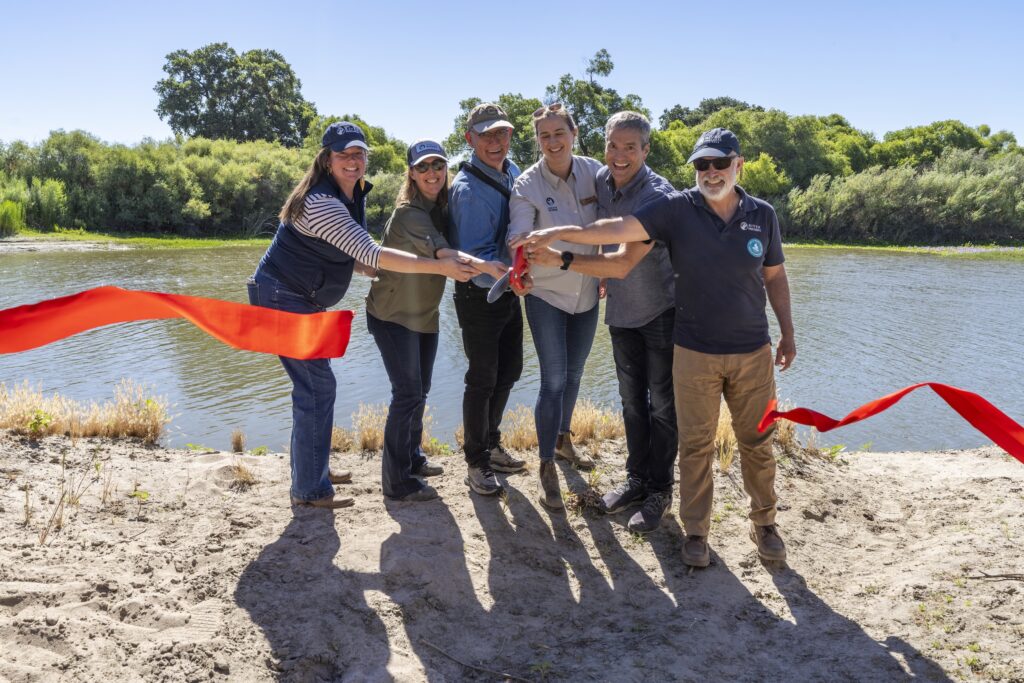
On the morning of June 11, under the soft, golden light of the Central Valley sun, a diverse assembly of scientists, tribal leaders, state officials, and community advocates gathered at the Great Valley Grasslands State Park. While the setting was serene, the atmosphere was electric. Those present were marking the culmination of a 15-year odyssey: the official reconnection of the San Joaquin River with more than 220 acres of its historic, life-giving floodplain.
The Grasslands Floodplain Restoration Project, finalized in February 2026, stands as a landmark achievement in California’s environmental history. It represents one of the most significant ecological interventions in the San Joaquin Valley, breathing new life into a landscape that had been severed from its natural rhythms for over 75 years. This project is more than a feat of engineering; it is a restoration of legacy, biology, and regional resilience.
The Chronology of a Restoration Relay
To understand the magnitude of this achievement, one must look back at the origins of the park itself. The story of Great Valley Grasslands is, quite unexpectedly, a story about cheese. In 1982, dairy magnate Joseph Gallo donated thousands of acres of his Central Valley grasslands to the state and the U.S. Fish and Wildlife Service, with a vision that the land be preserved for wildlife.
However, the land was not a blank slate. By the mid-20th century, a web of levees had been constructed across the property. While these earthen barriers were originally designed to manage cattle for dairy operations rather than control the river, they acted as a permanent wall, disconnecting the San Joaquin River from the surrounding wetlands. For decades, the river was confined, its natural flood patterns stifled, and the grasslands were left to dry out, becoming vulnerable to invasive, non-native plant species.
The path toward restoration began in earnest over 15 years ago. A coalition led by American Rivers, in collaboration with the California Department of Parks and Recreation, River Partners, and Flow West, initiated a plan to remove the obstacles. It was, as Dr. Ann Willis, California Regional Director for American Rivers, noted during the ceremony, "neither a sprint nor a marathon, but a relay."
The process was defined by immense patience. The project faced significant hurdles, including complex permitting requirements and the unpredictable nature of working in a flood-prone landscape. Construction crews were frequently forced to pause operations as seasonal weather events reclaimed the site, and many project engineers and state staff dedicated the better part of their careers to seeing this single project through to fruition.
The Mechanics of Reconnection: Engineering Nature
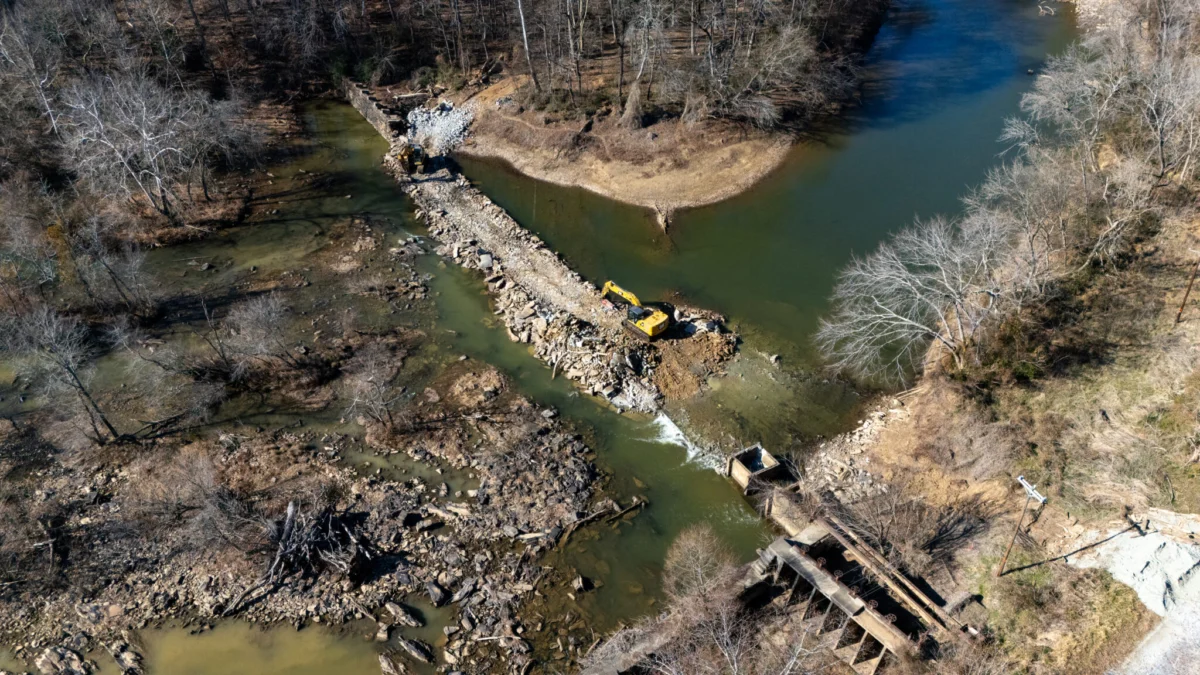
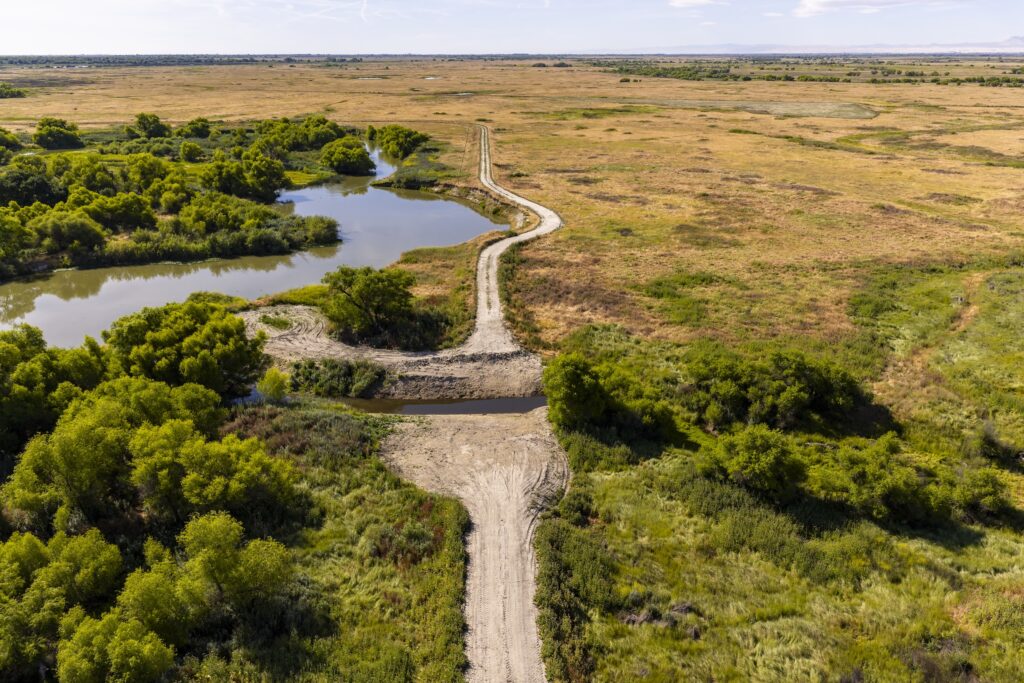
The core of the restoration effort involved the precise, strategic breaching of decommissioned levees. By removing these physical barriers, the project allows the San Joaquin River to once again spill over onto the floodplain during high-water events. This mimics the historical hydrological cycles that defined the Central Valley for millennia.
The ecological impact of this change is immediate and profound. By allowing the river to flood the grasslands, the project effectively "drowns" invasive, dry-land-adapted plant species, creating the conditions necessary for native wetland flora to re-establish themselves. This, in turn, creates a robust habitat for wildlife.
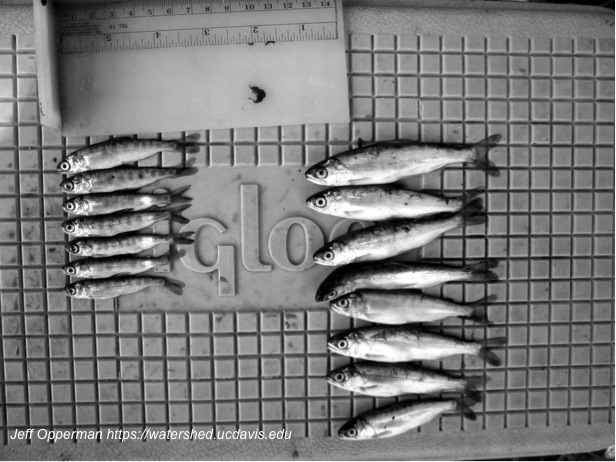
Crucially, the reconnected floodplain acts as an "aquatic nursery." Juvenile Chinook salmon, a species central to the health of the San Joaquin River, rely on these floodplains for food and shelter. The project is designed to foster the growth of zooplankton—microscopic organisms that serve as a primary food source for young salmon. By providing a safe haven with abundant nutrition, the project significantly increases the survival rate of salmon as they navigate the difficult journey toward the ocean.
Beyond the immediate wildlife benefits, the project addresses the critical issue of groundwater recharge. With the Central Valley’s aquifers significantly depleted by decades of intensive agricultural pumping, the ability of this floodplain to absorb and store water is a vital service to the regional water supply.
Perspectives from the Field: Official Responses
The June 11 celebration served as a platform for those who steered the project through its turbulent phases. Speakers included California Natural Resources Secretary Wade Crowfoot, California State Parks Director Armando Quintero, and Kathy Perez, Chairperson of the Northern Valley Yokut Ohlone Tribe.
"We are passing the baton," Dr. Ann Willis remarked during her speech, emphasizing that the project is not just about the work completed, but about the responsibility handed to the next generation to act as stewards of the land.
The event also highlighted the importance of private-public partnerships. A delegation from Cox Enterprises traveled from Atlanta to witness the results of their investment in the project. Their involvement underscores a growing trend in corporate responsibility: recognizing that replenishing groundwater and restoring natural habitats is an essential component of sustainable regional development.
For the Northern Valley Yokut Ohlone Tribe, the restoration of the river’s path holds deep cultural significance. The return of the water to the land is a symbolic and literal healing of a landscape that has been central to their history for centuries.
Implications for the Future: A "Park-Poor" Region Transformed
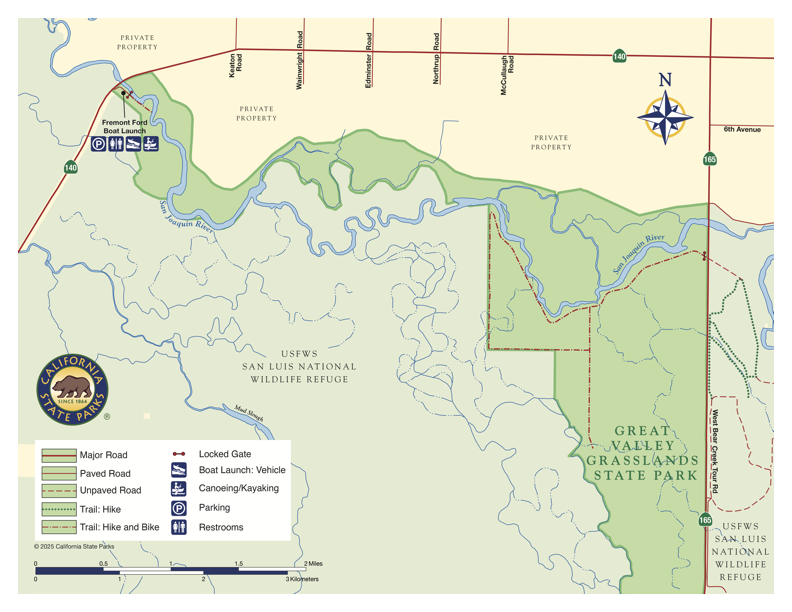
For decades, the Central Valley has been labeled a "park-poor" region. Unlike the California coast or the high Sierra, where state parks are abundant and accessible, the Central Valley’s public lands have historically been underdeveloped or difficult to reach. Great Valley Grasslands State Park, despite its massive size, lacked the infrastructure—trails, visitor centers, or safe river access—to truly welcome the public.
This is changing. The restoration project is part of a broader vision for the region. The California Department of Parks and Recreation is currently gathering public input to develop a comprehensive General Plan to improve public access to the park. The goal is to ensure that local residents and visitors alike can experience the revitalized landscape, turning what was once a forgotten plot of land into a jewel of the State Parks system.
Moreover, the success at Great Valley Grasslands is serving as a blueprint for future endeavors. American Rivers and California State Parks are already collaborating on additional projects to restore over 1,000 acres of floodplain north of the river. This work is supported by funding from the Wildlife Conservation Board, signaling a long-term commitment to the restoration of the San Joaquin River corridor.
In April 2026, Governor Gavin Newsom’s "State Parks Forward" initiative underscored this momentum, announcing plans for three new state parks in the Central Valley, including the 874-acre San Joaquin River Parkway in Fresno. These developments represent a tectonic shift in how California values its inland ecosystems.
Conclusion: A Living Legacy
As the red ribbon was cut on that June morning, the symbolism was impossible to ignore. The river, which had been forced into a channel for decades, was finally allowed to follow its natural inclination. The act of cutting the ribbon represented not just the end of a construction project, but the removal of a human-made constraint that had stifled the river’s potential for over half a century.
Monitoring efforts are already underway. Scientists are tracking groundwater levels, water temperatures, and the reintroduction of native species to quantify the project’s long-term success. The data gathered here will serve as a foundational resource for similar restoration efforts across the state and the American West.
The Great Valley Grasslands project stands as a testament to what is possible when policy, science, and community commitment align. It reminds us that environmental damage is not always permanent—that with enough time, persistence, and cooperation, we can undo the mistakes of the past and restore the natural balance that sustains us all. The San Joaquin is flowing into its floodplain once again, and in that simple, rhythmic movement of water across the land, there is hope for a healthier, more resilient future for the Central Valley.