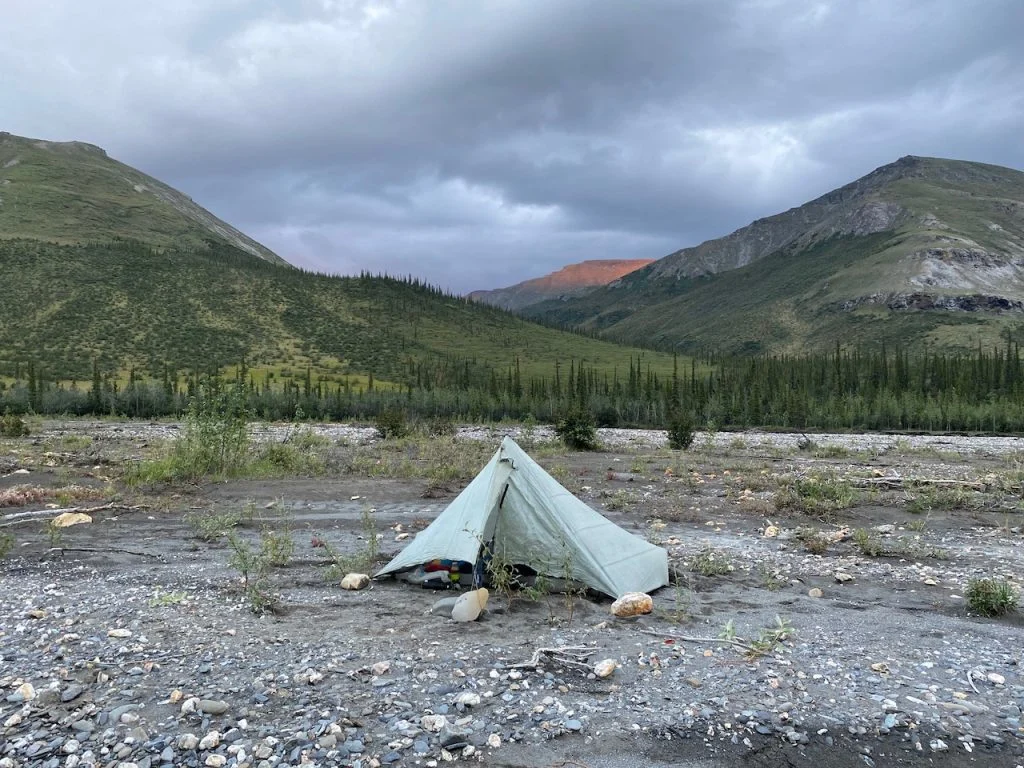
For the dedicated hiker, the trail does not end when the boots are unlaced. Whether through the practical wisdom of a well-worn guidebook or the philosophical musings of a wilderness memoir, the literature of the outdoors serves as both a map and a compass for the human spirit. In the fifth iteration of the "Hiking Books Guide," The Hiking Life has curated an expansive collection of over 90 essential works, categorized to serve every facet of the modern trekker’s journey.

Main Facts: A Curated Resource for the Modern Explorer
The latest edition of this comprehensive bibliography is designed to cater to a diverse range of interests. By organizing these works into eight distinct categories—Educational, Guidebooks, Humour, Inspirational, Literature, Memoirs, Philosophy, and Ultralight Backpacking—the guide provides a structured pathway for readers to build their own "hiking library."

The selection process for this list was rigorous, drawing from the author’s personal collection across traditional, digital, and audio formats. The goal is to provide a repository of knowledge from the most experienced outdoorspeople on the planet. From technical manuals on backcountry navigation to the meditative prose of John Muir, the collection bridges the gap between the physical act of walking and the intellectual pursuit of understanding the wild.

Chronology: The Evolution of Hiking Literacy
The history of hiking literature is a reflection of the evolving relationship between humanity and the environment. Early 20th-century pioneers like Horace Kephart laid the groundwork for modern backpacking, emphasizing the "fine art" of carrying only what is necessary.

By the late 20th century, the literature shifted toward specialized technical knowledge. The 1991 publication of Ray Jardine’s The Pacific Crest Trail Hiker’s Handbook marked a seismic shift in the culture, ushering in the era of "Ultralight" philosophy. This era signaled a move away from the heavy-duty military-style gear of the past toward a streamlined, efficient, and minimalist approach to the wilderness.

In recent years, the genre has seen an influx of "inspirational" and "literary" works. These books move beyond the how-to and delve into the why-to. Modern classics, such as Robin Wall Kimmerer’s Braiding Sweetgrass, have shifted the discourse from mere conquest of a peak to a reciprocal relationship with the natural world. This chronological expansion of the library mirrors a broader societal shift: we are moving from treating the wilderness as a resource to be mastered, toward treating it as a teacher to be respected.

Supporting Data: Categorizing the Wilderness Experience
The guide segments its 90+ recommendations into eight specific pillars, each serving a unique purpose in the hiker’s development:

- Educational: Focused on the technical skills required to survive and thrive, including wilderness first aid, navigation, and ecology.
- Guidebooks: The essential tools for logistical planning. The guide emphasizes the transition from traditional, bulky print editions to digital formats, such as Cicerone Kindle guides, which allow for lighter pack weights.
- Humour: Acknowledging the inherent absurdity of voluntarily walking for weeks on end. These books serve as a reminder not to take oneself too seriously while navigating the trials of the trail.
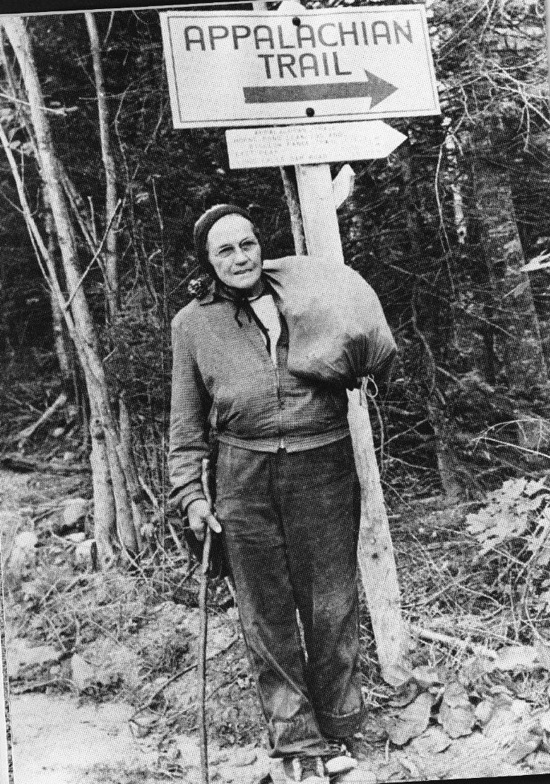
- Inspirational: Stories of resilience, such as those of the legendary Grandma Gatewood, who redefined the possibilities of long-distance hiking for future generations.
- Literature: Works that explore the intersection of human spirit and wild spaces. This includes seminal texts like The Practice of the Wild by Gary Snyder.
- Memoirs: Personal accounts that serve as a "chapter in a personal odyssey." While the guide notes a personal preference for certain styles over others, it acknowledges the genre’s power to humanize the experience of the trail.
- Philosophy: Deep dives into the mindset of the wanderer. This section highlights the "complete walker" philosophy, where safety is balanced against the necessity of solitude.
- Ultralight Backpacking: Technical and philosophical texts that advocate for minimalism, focusing on the principle that "the less you carry, the more you will see."
Official Perspectives: The Philosophy of the Trail
A central theme woven throughout the guide is the concept of the forest as a social network. The inclusion of excerpts regarding the "wood wide web" highlights a growing scientific and philosophical understanding that trees communicate and share resources to survive. This mirrors the human experience on the trail: isolated hikers often struggle more than those who engage with the community and the environment.

Furthermore, the guide addresses the "Western hierarchy" of nature, which often places humans at the apex of evolution. By citing Indigenous wisdom, which views humans as the "younger brothers of Creation," the guide advocates for a more humble approach to hiking. This is not merely a list of books; it is a call to action for hikers to become better listeners to the natural world.

Implications: The Future of Outdoor Reading
The publication of this fifth iteration carries significant implications for the hiking community. As the sport grows in popularity, the risk of "nature-deficit disorder" and a superficial engagement with the outdoors increases. By providing a curated, high-quality reading list, The Hiking Life aims to ensure that the next generation of hikers is well-read and philosophically grounded.

Moreover, the guide’s emphasis on digital integration—highlighting how mobile technology can replace heavy physical volumes—reflects the ongoing digital transformation of outdoor sports. This allows for a more accessible, portable, and environmentally conscious library.

Concluding Thoughts: A Living Bibliography
For those looking to deepen their connection to the wilderness, this library serves as a starting point. Whether you are a weekend warrior or a thru-hiker, the books listed in this guide offer more than just information; they offer a lens through which to view your own journey.
As noted in the guide, a journey of value is a chapter in a personal odyssey. When the trail ends, the process continues through reflection and study. By engaging with these texts, hikers can transform their walks from simple physical exercise into a profound, life-altering experience.

Disclosure: This guide includes affiliate links, which support the ongoing efforts to provide quality content for the hiking community. The inclusion of these resources ensures that the tradition of sharing knowledge continues to thrive, enabling more people to find their way into the wild with both preparation and perspective.

How to Build Your Own Library
- Identify your gap: Are you looking to refine your technical skills (Educational) or expand your perspective (Philosophy)?
- Mix your formats: Utilize audiobooks for long training walks, digital guidebooks for the trail, and physical books for home study.
- Engage the community: Read the memoirs of others to understand that the challenges you face—the blisters, the fatigue, the weather—are part of a long, shared human history of walking.
In the end, as the guide suggests, the mountain gives its final grace to those who are willing to "know Being." Through reading, we are better prepared to accept that grace when we finally stand at the summit.