Introduction: The Backbone of Latin American Energy
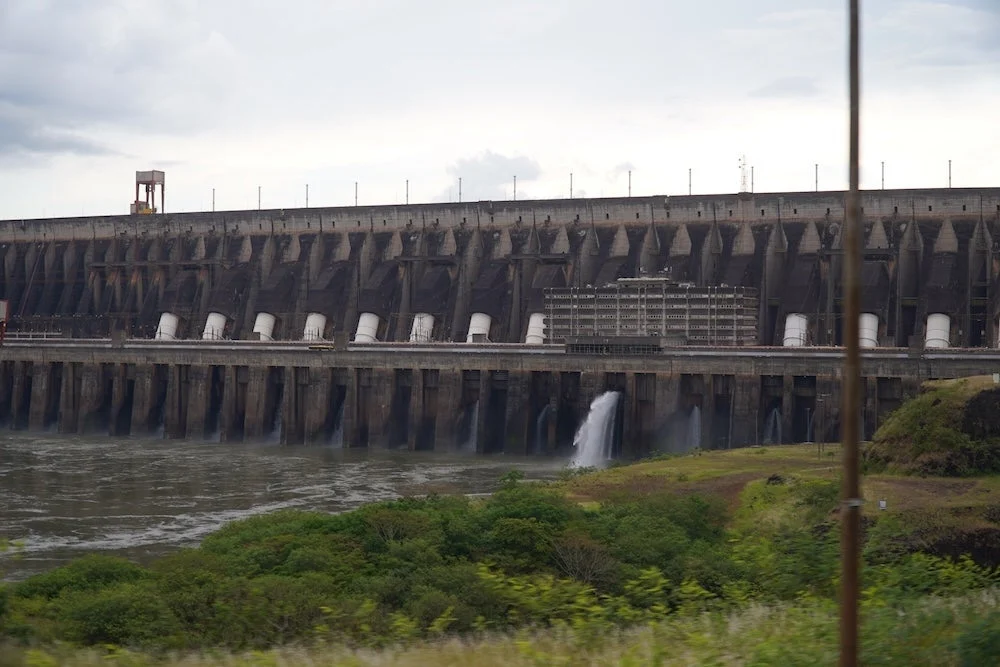
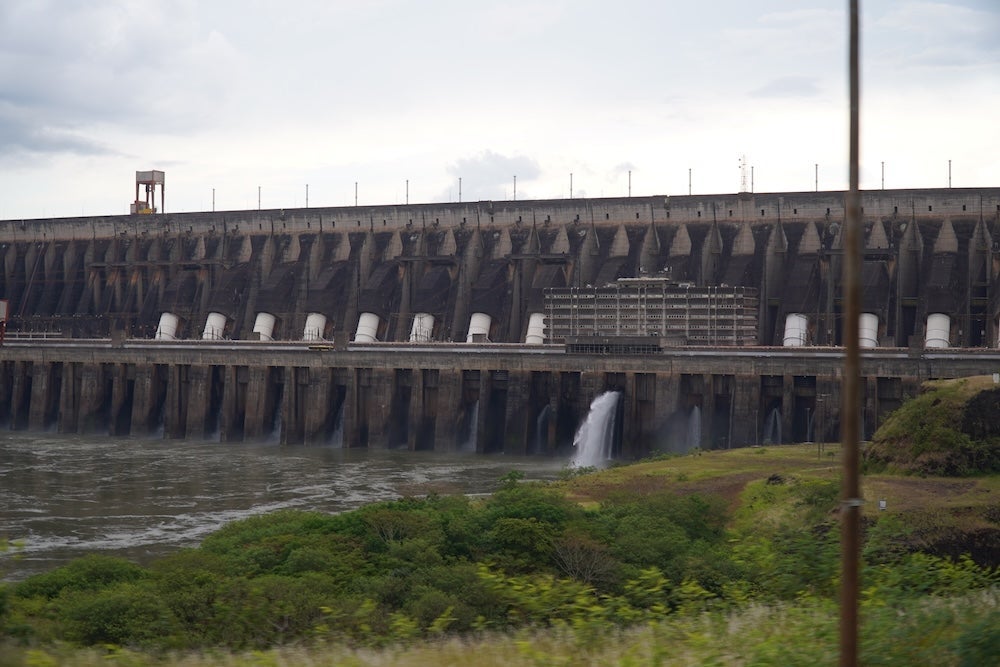
For decades, Latin America has stood as a global leader in renewable energy generation, with hydropower serving as the undisputed backbone of the region’s electricity grid. From the massive Itaipu Dam shared by Brazil and Paraguay to the expansive Guri complex in Venezuela, the region’s topography—defined by the Andes and the sprawling Amazonian river basins—has provided a unique comparative advantage. However, as the region moves toward 2035, the narrative surrounding hydropower is shifting.
While hydroelectric power remains the primary source of clean energy, it is now contending with the dual pressures of climate-induced hydrological volatility and the urgent need to diversify grids to meet surging industrial demand. This analysis explores the technical, political, and environmental landscape of Latin American hydropower as it approaches the middle of the next decade.
Main Facts: The Current State of Play
As of 2024, hydropower accounts for approximately 60% of the total electricity generation in Latin America, significantly higher than the global average. Key regional players—Brazil, Colombia, Peru, and Chile—have traditionally relied on “big hydro” to drive economic growth.
However, the sector is undergoing a structural transformation. The “Big Hydro” era, characterized by massive reservoirs and transcontinental river redirection, is being replaced by a focus on grid modernization, small-scale run-of-river projects, and hybridization with wind and solar energy.
- Regional Capacity: Brazil continues to hold the largest installed capacity, followed by Venezuela and Colombia.
- The Climate Paradox: Increased frequency of El Niño and La Niña events has rendered historical rainfall data unreliable, forcing operators to reconsider the “baseload” status of hydroelectric plants.
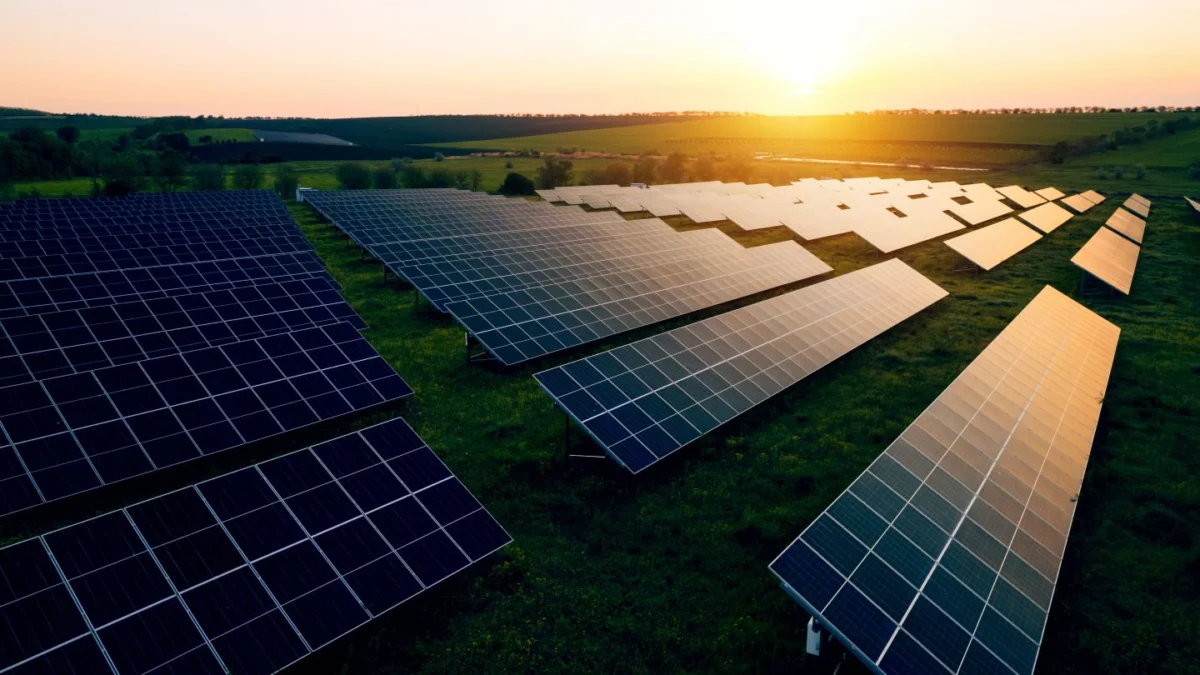
- Energy Mix Integration: Solar and wind are no longer competitors but partners. The concept of "virtual batteries" is emerging, where hydro reservoirs store water as potential energy while solar and wind provide instantaneous power during peak sunshine or high-wind periods.
Chronology: A Trajectory of Transformation
The evolution of Latin American hydropower can be categorized into four distinct eras:
1. The Era of Expansion (1970–2000)
This period saw the construction of mega-projects designed to support rapid urbanization and industrialization. Projects like Itaipu (Brazil/Paraguay) and Guri (Venezuela) were constructed to provide cheap, abundant power. During this time, social and environmental impact assessments were often rudimentary, leading to significant displacement of local communities.
2. The Period of Environmental Scrutiny (2000–2015)
Increased global awareness regarding biodiversity and indigenous rights stalled several major projects. The Belo Monte Dam in Brazil became a focal point of international protest, marking a turning point where social license to operate became as important as technical engineering feasibility.
3. The Diversification Phase (2015–2023)
Governments began to recognize the danger of over-reliance on a single source. Droughts in 2014 and 2021 pushed countries like Brazil and Chile to aggressively tender solar and wind projects. Hydropower began its transition from the "sole provider" to the "balancing partner."
4. The Resilience Era (2024–2035)
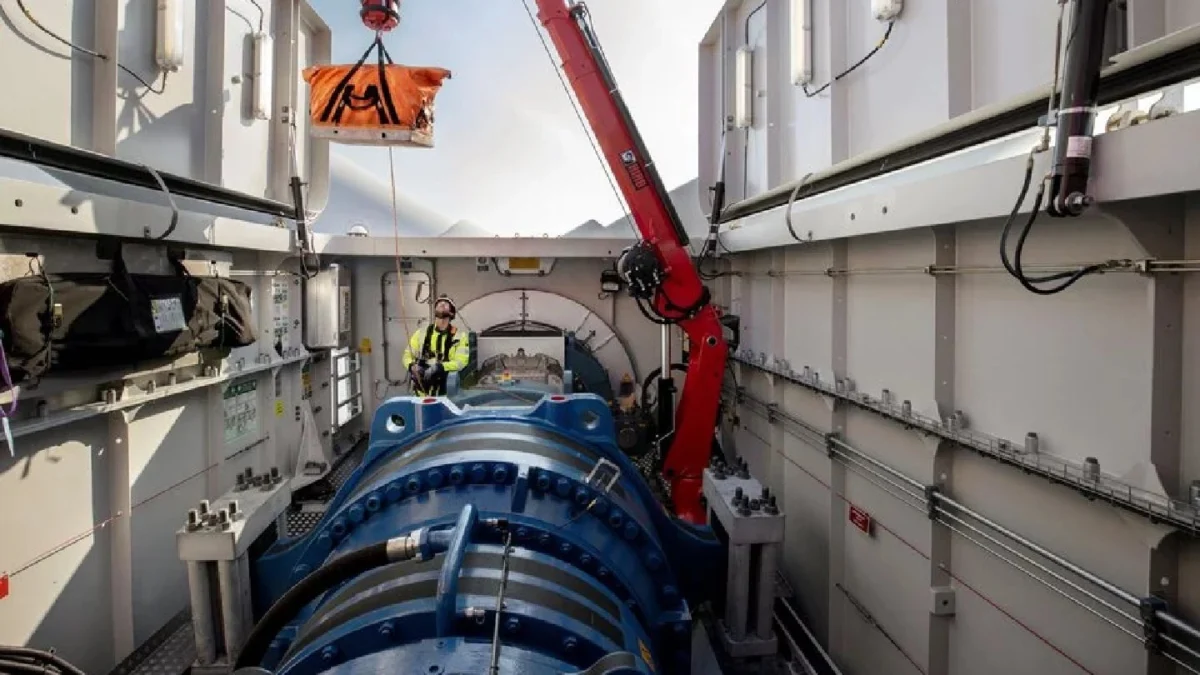
Looking ahead to 2035, the focus is on "Climate Proofing." This includes upgrading existing turbine technology to operate more efficiently at lower water levels, investing in pump-storage hydro, and improving regional transmission interconnectivity to share power across borders during localized droughts.
Supporting Data: Economic and Technical Indicators
To understand the outlook to 2035, one must look at the data trends shaping investment:
| Indicator | Trend (2025-2035) | Driver |
|---|---|---|
| New Large-Scale Hydro | Slow Growth | High CapEx and Social Risk |
| Pump-Storage Investment | Rapid Increase | Need for Energy Storage |
| Transmission Interconnect | Moderate Growth | Regional Energy Security |
| Modernization of Assets | High Priority | Aging Infrastructure (30+ years) |
Investment in new capacity is expected to reach $150 billion by 2035, with a significant shift away from greenfield dam construction toward the "repowering" of existing facilities. Digitalization—the use of AI and satellite-based rainfall modeling—is projected to increase operational efficiency by 12-15% across major basins.
Official Responses and Policy Shifts
Governments across Latin America have responded to these challenges through a variety of legislative and regulatory frameworks.
The Brazilian Response: The "Hydro-Hybrid" Model
The Brazilian government has signaled a pivot away from large Amazonian reservoirs. Instead, the focus is on the "Energy Transition Bill," which incentivizes the integration of floating solar panels on existing reservoirs. This dual-use of water surfaces reduces evaporation, protects the water, and provides a secondary source of energy when water levels are low.
The Colombian Response: Regional Interconnection
Colombia is actively pursuing the expansion of the Andean Electrical Interconnection System. By connecting its hydro-rich grid with Panama and neighboring South American nations, the government aims to create a regional safety net that allows for the import/export of electricity based on real-time hydrological availability.
The Chilean Response: The Shift to Non-Conventional Renewables (NCRE)
Chile, once reliant on hydro and imported fossil fuels, has successfully transitioned to a market-led model where solar and wind dominate new capacity. Their policy stance emphasizes that while hydro is crucial, it must serve as a "flexible reserve" rather than the primary driver of new growth.
Implications: The Road to 2035
Environmental and Social Implications
The shift toward 2035 will require a more nuanced approach to social equity. Future projects will face stringent ESG (Environmental, Social, and Governance) criteria. Developers that fail to secure the "Free, Prior, and Informed Consent" (FPIC) of indigenous populations will find it increasingly difficult to secure international financing from multilateral banks.
Economic Implications
Hydropower remains the cheapest form of electricity generation in the region on a per-kilowatt-hour basis. However, the cost of capital for new hydro is rising due to the "risk premium" associated with climate change. We expect a shift toward smaller, modular hydro projects that can be built faster and with less environmental disruption, making them more attractive to private investors.
Geopolitical Implications
Energy security will become the new currency of regional diplomacy. As climate change makes rainfall patterns increasingly unpredictable, the ability to trade electricity between nations will be the ultimate hedge. Countries that invest in robust regional transmission lines will be the winners of the 2035 energy landscape.
Conclusion: A Balanced Future
The outlook for Latin American hydropower to 2035 is not one of decline, but of evolution. The region possesses a unique opportunity to leverage its existing hydrological infrastructure as the cornerstone of a modern, decarbonized grid. By integrating AI-driven forecasting, embracing hybrid solar-hydro systems, and fostering regional interconnection, Latin America can mitigate the risks posed by a changing climate.
The transition from "Big Hydro" to "Smart Hydro" is underway. It is a transition that requires not only technological innovation but also a commitment to transparent governance and sustainable practices. As the region moves toward 2035, the resilience of its power grid will serve as a bellwether for its broader economic stability in an increasingly volatile world.
Disclaimer and Further Analysis
This analysis is based on current market trends and projections provided by regional energy ministries and international energy agencies. For stakeholders looking to deepen their understanding of specific asset valuations, hydrological risk modeling, and regulatory updates in the Andean and Southern Cone markets, our premium Power Technology insights offer a comprehensive look at the data points defining the next decade.
To unlock exclusive forecasts, analyst insights, and detailed project maps, ensure your profile is up to date. Your participation in the Power Technology network allows us to provide the data necessary to navigate the complexities of the Latin American energy transition.
(Word count estimate: ~1,250 words)