For decades, the narrative surrounding Finnish forestry has been one of national pride, sustainability, and economic necessity. Yet, beneath the polished surface of corporate sustainability reports and government policy documents, a growing chorus of critics—ranging from foresters to literary observers—is challenging the foundational logic of the industry. The core of this critique is simple but devastating: the prevailing "cellulose capitalism" model may be serving the interests of major industrial players at the expense of forest owners, biodiversity, and long-term ecological stability.
Main Facts: The Disconnect Between Rhetoric and Reality
A year ago, former Finnish Prime Minister and current State Councilor Matti Vanhanen expressed concern in Helsingin Sanomat over the "intensifying" debate regarding forestry. He argued that this public discourse threatened the long-term development and investment stability of the sector. However, to many observers, this sentiment is fundamentally misplaced.
The reality, according to critics like author Teemu Kaskinen, is that the industry’s "long-term development" has become synonymous with a singular, narrow focus: the mass production of pulp. While industry leaders often speak of high-tech breakthroughs—such as wood-based textiles, advanced pharmaceuticals, and bioplastics—these represent only a fraction of the sector’s output. In reality, the machine is calibrated to prioritize the production of fiber from the very start of the seedling stage.
The central conflict lies in the divergent interests of the buyer and the seller. While the industry portrays a symbiotic relationship between the forest owner and the processor, the economic reality is inherently adversarial. The buyer seeks the lowest possible cost, while the owner seeks the highest possible return. This dynamic is obscured by a complex supply chain where the final price paid to the forest owner is often not transparent until the trees have been felled, processed, and categorized—a process known as "bucking."
Chronology: How the System Became Locked
The current structure of Finnish forestry did not emerge in a vacuum; it is the result of decades of policy-driven alignment between the state, research institutions, and large-scale industrial interests.
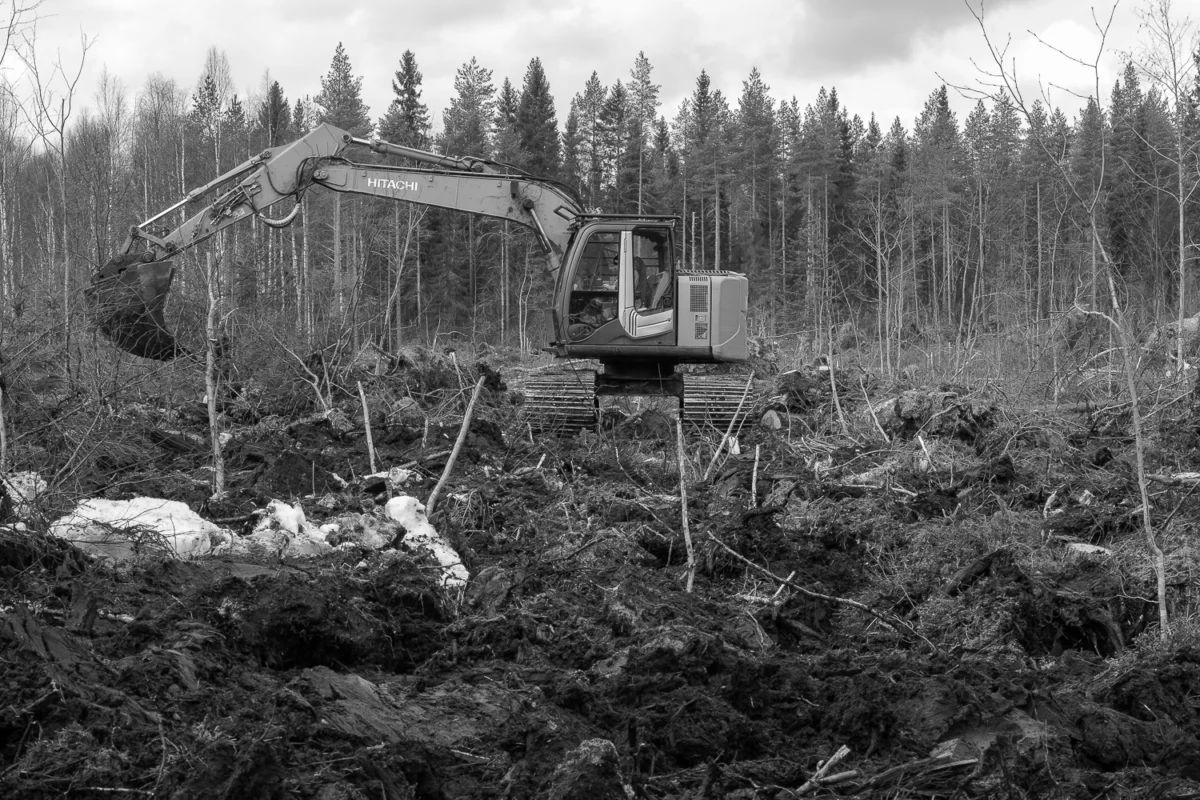
- The Post-War Industrialization: Following the Second World War, Finland’s economic recovery was tied to the expansion of the pulp and paper industry. The "clear-cut" model was promoted as the most efficient way to maximize yield and standardize the raw material supply for massive factories.
- The Institutionalization of the Clear-Cut: Organizations like Tapio (the Forestry Development Centre) standardized the clear-cut method as the professional norm. This created a path dependency: if all technical training and state-subsidized guidance point to clear-cutting, it becomes the default "rational" choice.
- The Rise of Forest Management Associations: Over time, many private forest owners have delegated the management of their lands to forest management associations (MHY). By acting as intermediaries, these associations often facilitate a "hands-off" experience for the owner, which effectively aligns the owner’s interests with the industrial preference for large-scale, clear-cut harvesting.
- The Contemporary Debate: Recent years have seen a surge in interest in continuous-cover forestry (CCF). However, despite its ecological and often economic benefits, CCF remains on the fringes of mainstream practice, resisted by the very structures that benefit from the volume-heavy, clear-cut model.
Supporting Data: The Economics of Bucking and Thinning
Teemu Kaskinen, whose recent work Yö ja usva (Night and Fog) delves into these systemic issues, points out that the bucking process is a critical point of economic friction.
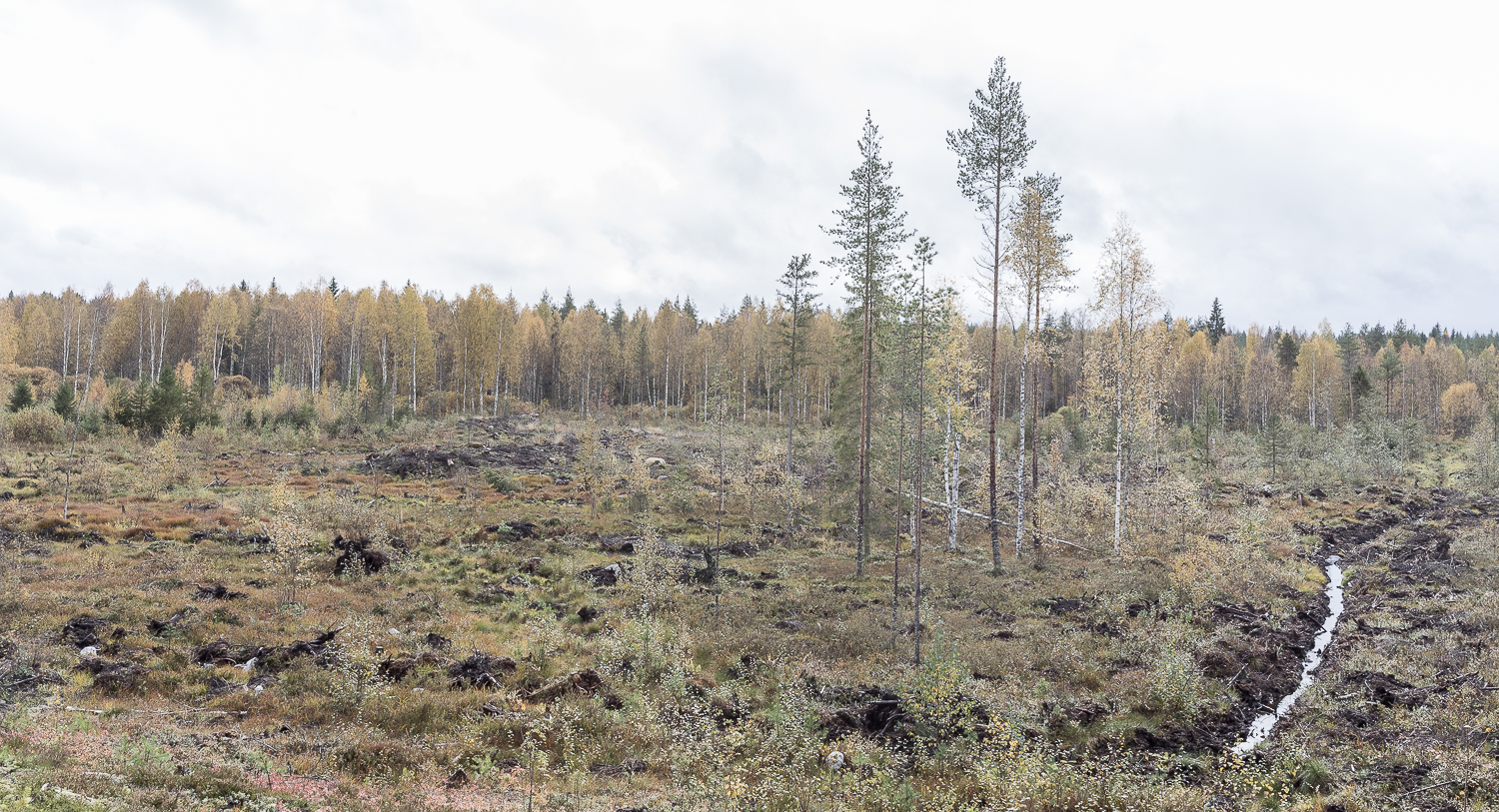
In the forest industry, a saw log is significantly more valuable than fiber wood—often by a factor of three. However, a company primarily focused on pulp production has a financial incentive to manipulate the bucking process. By cutting logs to dimensions that prioritize fiber wood over high-value saw logs, the industry can suppress the cost of raw materials. Because this process happens after the trees are cut, the forest owner is often left with little recourse or transparency regarding the potential value they have lost.
Furthermore, the data on thinning practices is alarming. Research cited by critics suggests that a small minority of first-stage thinnings align with recommended silvicultural practices. When a forest is thinned too aggressively or incorrectly, the owner loses not just the current wood volume but the long-term growth potential of the remaining stand. The industry, however, often justifies these practices as "good management," while the profit for the forest owner is permanently diminished.
Official Responses and the "Green" Veil
The industry’s defense is usually rooted in the concept of "sustainable growth." Industry advocates argue that the sector is the backbone of the Finnish transition to a green economy. They point to the potential of wood-based products to replace fossil fuels and sequester carbon.
However, this narrative is increasingly under fire. Critics argue that it is a "sleight of hand" to claim that clear-cutting old-growth forests or intensively managed plantations is a net positive for carbon sequestration. The logic suggests that by harvesting frequently, planting fast-growing seedlings, and applying fertilizers, the forest becomes a "carbon factory." This ignores the carbon emissions generated by the production and transport of fertilizers, as well as the significant carbon release from soil disturbance—particularly in the case of the controversial "restoration" of peatland forests, which often involves further drainage and deforestation.
Implications: The Psychology of Compliance
Why do forest owners, who theoretically hold the power of choice, continue to support a system that may be working against their financial and environmental interests? The answer is a mix of convenience, cultural inertia, and short-term financial pressure.
The Ease of Ignorance
Many forest owners are absentee, living in urban centers far from their land. For them, the forest management association provides a "turnkey" solution. They receive a check, and the complex, messy work of managing a living ecosystem is handled by someone else. This arrangement minimizes the owner’s burden but maximizes their dependency on the industry’s preferred methods.
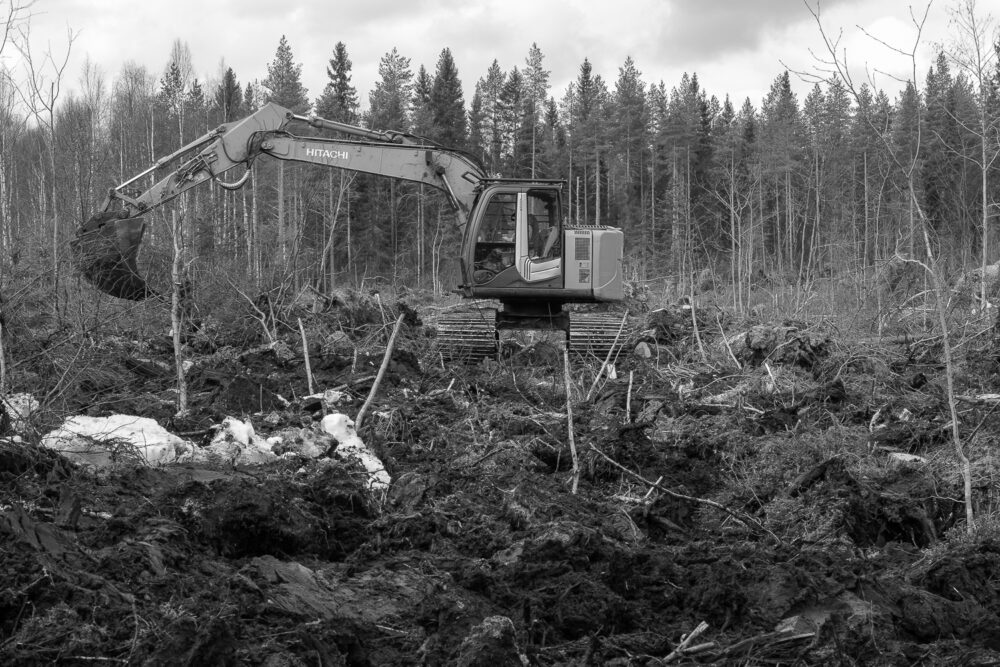
The Allure of the Lump Sum
There is a powerful psychological incentive in the "clear-cut" model: the large, one-time payment. Compared to the more modest, staggered returns of continuous-cover forestry, a clear-cut provides a significant injection of capital. While this may not be the most economically rational choice over a 50-year horizon, it is the most attractive choice for a human actor looking for immediate liquidity.
The Institutional Bias
Emeritus Professor Timo Pukkala has been a vocal critic of the industry’s resistance to continuous-cover forestry. He argues that for forest management associations, the current system is simply more profitable. The services that these associations sell—planting, clearing brush, soil preparation—are all necessary components of the clear-cut cycle. In a continuous-cover model, these services are largely unnecessary. Thus, the very institutions meant to represent the interests of forest owners are financially incentivized to promote a cycle of intervention that the forest does not necessarily need.
Conclusion: A System in Need of Reform
The debate over Finnish forestry is not merely about trees; it is about the power dynamics within the industry and the narratives used to justify them. The "cellulose consensus"—the idea that the industry’s success is synonymous with the nation’s success—is being strained by the realities of a changing climate and a more informed public.
For change to occur, there must be a decoupling of forest ownership from industrial dependency. This requires greater transparency in pricing and bucking, a shift in the role of forest management associations to truly serve the owners rather than the industry, and a serious, state-supported transition toward more ecologically and economically diverse harvesting methods.
Until then, the Finnish forest will remain a battleground between the convenience of industrial efficiency and the complex, enduring value of a healthy, functioning ecosystem. The question is no longer whether the forests can support the industry, but whether the industry can evolve to support the forest—and the people who own it.