For decades, the piranha has been cemented in the global consciousness as a terrifying, flesh-eating menace. Hollywood blockbusters and exaggerated folklore have painted these South American freshwater fish as ravenous monsters capable of stripping an animal to the bone in seconds. However, in the vast river systems of the Amazon Basin, the narrative is significantly different. To the millions who call these riverbanks home, the piranha is not a horror-movie antagonist—it is a staple, a source of protein, and a legitimate culinary delicacy.
The Reality of the Piranha: More Than a Movie Monster
Contrary to the dramatized depictions seen in popular media, the piranha is a diverse group of freshwater fish—not all of which are aggressive scavengers. Scientists have identified dozens of species, many of which are omnivorous, consuming fruits, seeds, and aquatic plants alongside smaller fish. While their sharp, triangular teeth are undeniably efficient, their reputation for "man-eating" behavior is largely a product of human error, poor environmental conditions, or extreme food scarcity in stagnant, low-water pools.
In reality, the piranha is a firm, white-fleshed fish that offers a mild flavor profile, making it a surprisingly accessible protein for those willing to look past the biological "scare factor."
Culinary Profile: What Does Piranha Actually Taste Like?
When prepared correctly, piranha is frequently compared to other firm, white freshwater fish like bass or tilapia. The flavor is generally mild, though it can vary depending on the water quality of the habitat and the freshness of the catch.
The Flavor and Texture Experience
- The Flavor: At its best, the meat is clean and delicate. However, in warmer, slow-moving waters, the fish can occasionally pick up a "muddy" or earthy undertone. This is common among many freshwater species and can be easily mitigated with proper cleaning and seasoning.
- The Texture: The meat is notably firm, which makes it highly versatile in cooking. It holds its shape well in stews and soups, preventing the "mushiness" often associated with smaller fish.
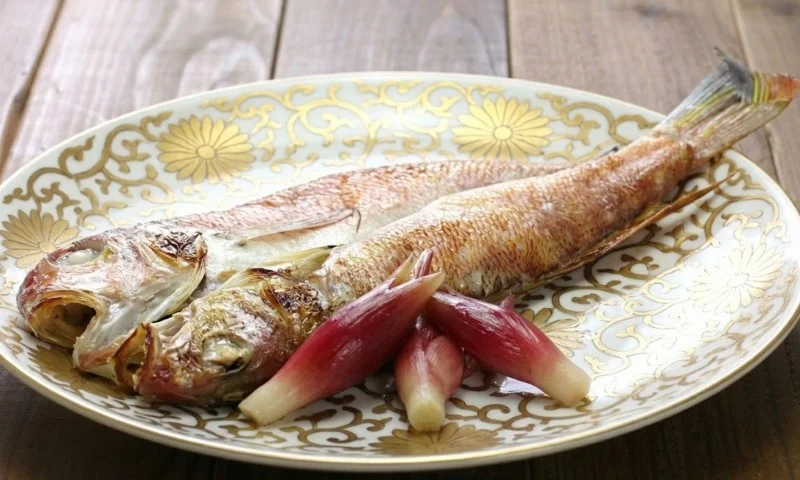
- The Challenge of Bones: If there is a primary drawback to eating piranha, it is the bone structure. Piranhas are notoriously bony, with thin, intricate skeletal structures that can prove frustrating for those accustomed to filleted supermarket fish. Consequently, local preparation methods often focus on cooking the fish whole or incorporating it into soups where the bones can be strained or picked around easily.
Chronology of Human-Piranha Interaction
To understand why the piranha has such a complex reputation, one must look at the history of human interaction with the species.
- Pre-Colonial Era: For indigenous communities across South America, the piranha has been a dietary staple for centuries. Traditional methods of capture—using hand-woven nets or spears—allowed locals to manage the fish safely and incorporate them into a balanced diet.
- Mid-20th Century (The Hollywood Influence): The "man-eater" narrative exploded in the mid-1900s, fueled by sensationalized reports and films that capitalized on the fish’s sharp teeth. This created a lasting psychological barrier that turned a common food source into a symbol of danger for Western audiences.
- Modern Exploration: As eco-tourism and adventure travel into the Amazon have increased, travelers have begun to encounter piranha in a culinary context. Guided fishing trips, which were once exclusively about catch-and-release, now often include "catch-and-cook" components, allowing visitors to taste the local cuisine under the supervision of experts.
Supporting Data and Nutritional Value
While specific nutritional databases for every piranha species are limited, the general profile of wild-caught freshwater fish provides a helpful framework. Piranha is a high-protein, low-fat source of nutrition. Because it is wild-caught, it is free of the growth hormones or antibiotics often found in commercial aquaculture.
However, the safety of the fish is intrinsically linked to the environment. According to the EPA and FDA, any fish caught in the wild must be evaluated based on its specific waterway. Mercury bioaccumulation, while less common in smaller, short-lived fish, can still occur in certain river systems. Consumers are advised to check local health advisories before consuming wild-caught fish from unfamiliar regions.
Official Food Safety Standards
For the adventurous eater, food safety is non-negotiable. Piranha, like any other freshwater fish, must be treated with rigorous hygiene standards.
- Internal Temperature: FoodSafety.gov mandates that all fish should be cooked to an internal temperature of at least 145°F (63°C). The meat should be opaque and flake easily when tested with a fork.
- Handling Risks: The primary danger of piranha is not eating it, but catching it. The teeth are capable of delivering painful, deep lacerations. Experts recommend using pliers or specialized hook removers to avoid placing fingers near the mouth.
- Contamination Awareness: Never consume fish that displays an ammonia-like or sour odor. Proper gutting and cleaning should occur immediately after the catch to prevent spoilage, especially in the high-humidity environments of the Amazon basin.
Practical Implications: Is It Legal?
For readers in the United States, Canada, or Europe, piranha is not a common supermarket item, and for good reason. Many jurisdictions have strict laws against the importation or possession of live piranhas due to the risk of them becoming an invasive species.
If a piranha were released into a non-native local waterway, it could potentially outcompete native species and disrupt the ecological balance. Therefore, most legal frameworks focus on keeping the live fish out of the country, rather than restricting the consumption of the meat itself. For the average person, the only practical way to experience this dish is to travel to South America and enjoy it at a reputable restaurant or lodge.
The Art of Preparation: Cooking Methods
The best way to prepare piranha is to keep it simple, allowing the flavor of the fish to shine through while managing the bone issue.
1. Fried Piranha
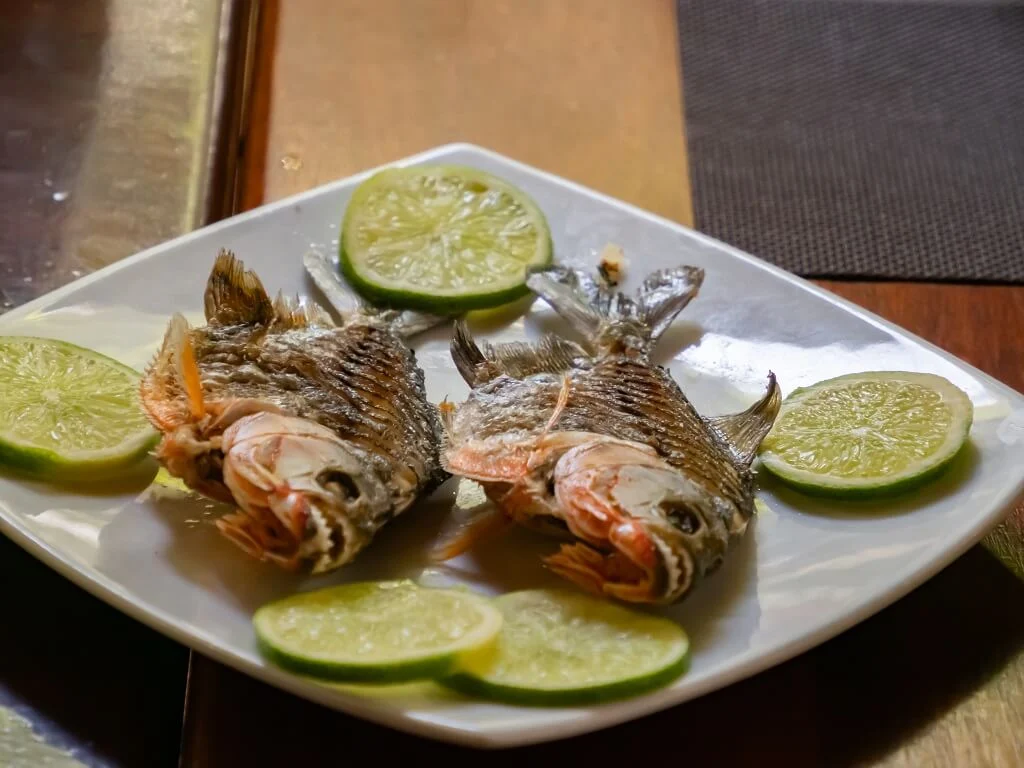
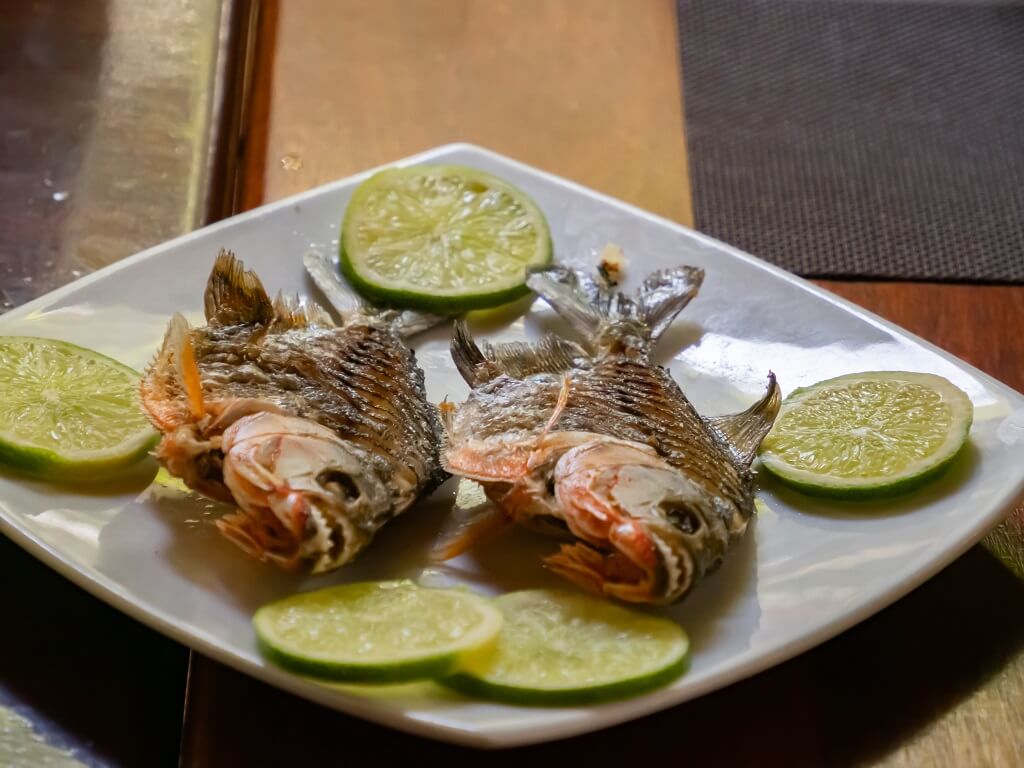
Frying is the most common method for a reason. High heat crisps the skin and the smaller, thinner bones, making them less noticeable. Served with lime and a side of plantains, it is a classic riverside meal.
2. Piranha Soup
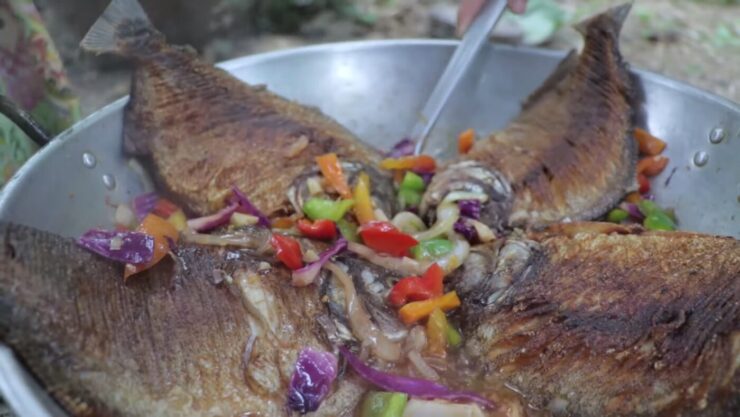
This is perhaps the most practical way to handle the bony nature of the fish. By simmering the fish with aromatics—onions, garlic, tomatoes, and peppers—the meat softens and separates from the bones during the cooking process. The result is a nutrient-dense, flavorful broth that is highly regarded in local Amazonian diets.
3. Grilling
Whole-fish grilling is ideal for larger specimens. By stuffing the cavity with herbs like cilantro and parsley and basting with oil or butter, the fish remains moist and develops a smoky, charred skin that pairs beautifully with the firm, white meat.
Handling Safety: A Protocol for Anglers
If you are participating in a guided fishing trip in the Amazon, follow these professional protocols:
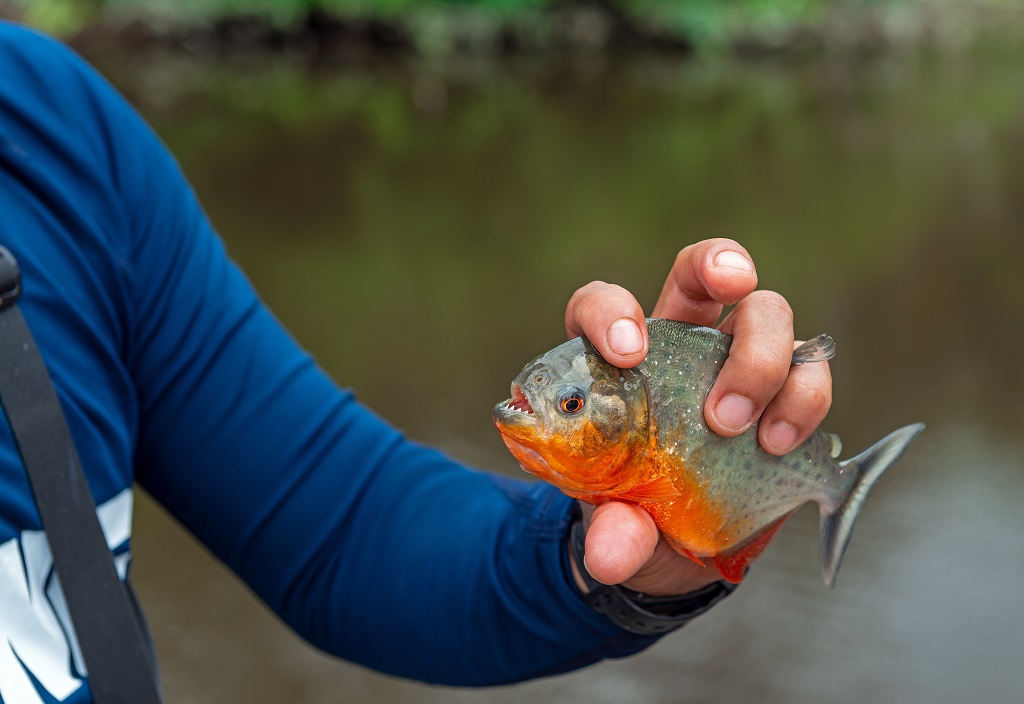
- Use Proper Gear: Use long-nosed pliers to remove hooks. Do not attempt to unhook a piranha by hand.
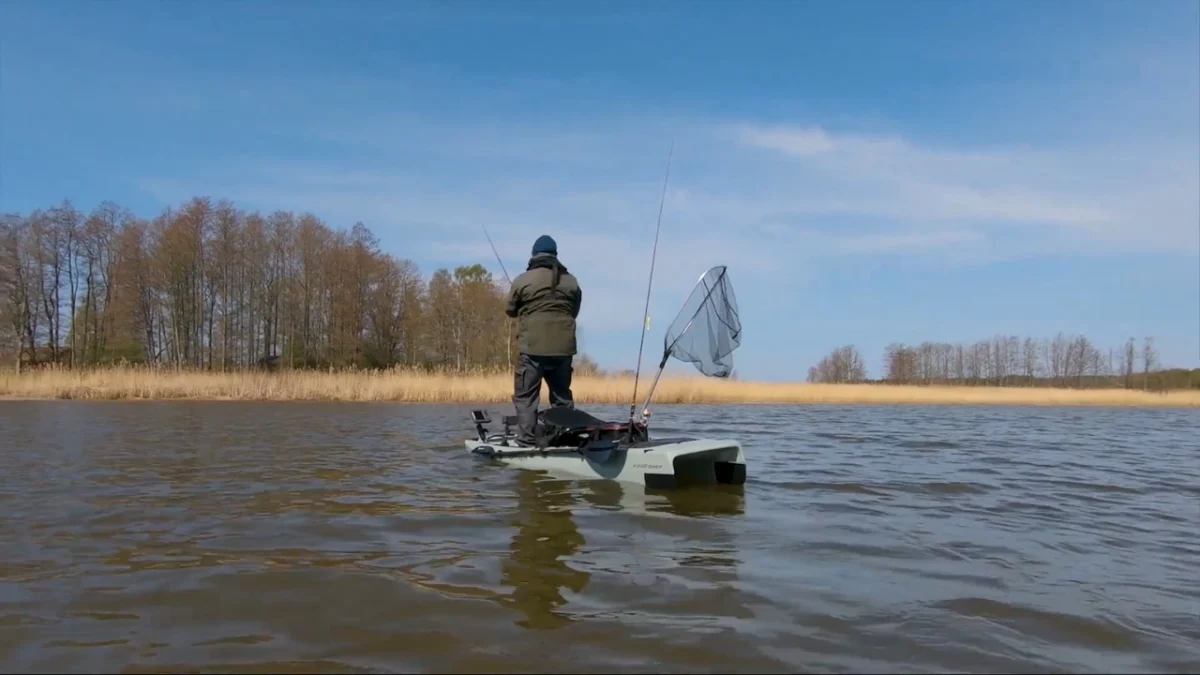
- Maintain Control: Keep the fish in a net or on a controlled surface. Avoid letting the fish flop on the floor of the boat or kayak where it could bite a foot or ankle.
- Safety First: If you are inexperienced with rod and reel, practice your casting and fish-handling techniques with safer, non-toothed species before attempting to land a piranha.
The Bottom Line: Cultural Perspective vs. Fear
The stigma surrounding the piranha is largely a product of our lack of familiarity. When we strip away the Hollywood tropes, we are left with a resilient, nutritious, and perfectly edible fish that has sustained human populations for generations.
However, the takeaway for the average reader is one of caution and respect. Piranha is not a fish to be sought out in local western markets, nor is it a creature to be underestimated in the wild. It is a regional delicacy that serves as a reminder that what we consider "scary" is often just "different." If your travels take you to the heart of the Amazon, approach the plate with an open mind—just be sure to watch out for those bones.
By prioritizing food safety, respecting local ecological laws, and deferring to the expertise of local guides, one can transform a "monster" of the deep into a memorable and authentic culinary experience.