By Elina Juva | September 10, 2026
The crisp air of early September in Sipoonkorvi National Park served as the perfect backdrop for a milestone event in the history of Suomen Luonto (Finnish Nature). On the first Saturday of the month, fifteen eager subscribers gathered at the Bakunkärr nature trail parking lot, marking the official launch of the Suomen Luonto Club. This new initiative aims to bridge the gap between digital environmental journalism and hands-on, immersive wilderness experiences. Under the expert guidance of biologist and professional foraging consultant Anna Nyman, participants embarked on a journey to decode the complexities of the fungal kingdom, transforming a casual hike into a masterclass in mycological identification and sustainable harvesting.
The Foundation: Why Foraging Matters in 2026
Foraging—the act of gathering wild food—has seen a resurgence in popularity across the Nordic countries, driven by a growing interest in self-sufficiency, culinary exploration, and a deeper connection to forest ecosystems. However, the line between a gourmet meal and a hazardous mistake is thin. The inaugural Suomen Luonto Club outing was designed not merely as a walk in the woods, but as an educational intervention aimed at increasing public safety and ecological literacy.
"The interest in foraging is at an all-time high," notes Anna Nyman, who led the expedition. "But with that interest comes a responsibility. We are seeing more people venture into the forest, yet many lack the fundamental tools to identify species with 100% certainty. Our goal today was to replace anxiety with confidence."
A Chronology of Discovery
The three-hour event was structured to move from theory to practice, ensuring that every participant, regardless of their experience level, could walk away with new, actionable knowledge.
Phase 1: The Pop-Up Mycological Exhibition
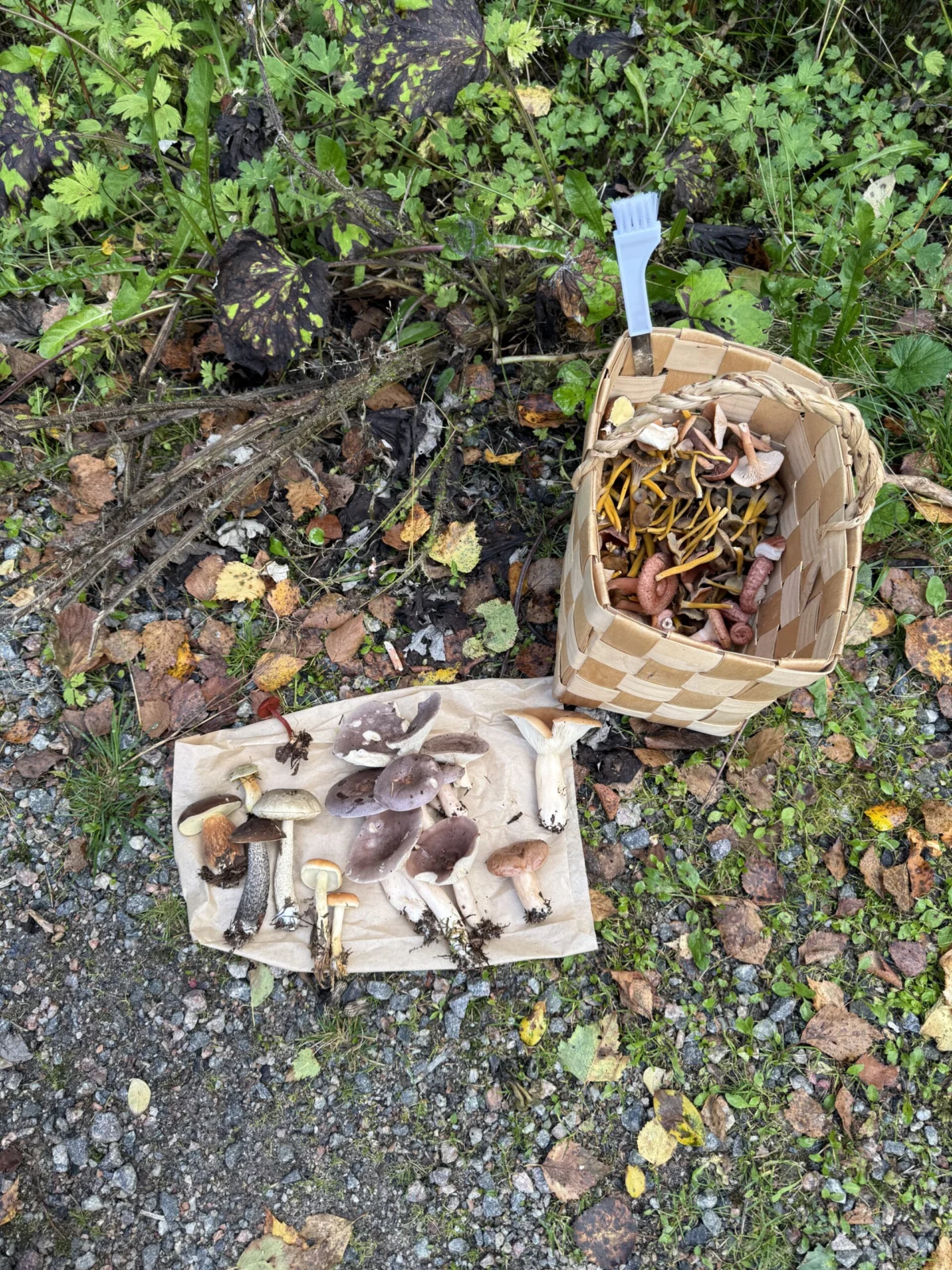
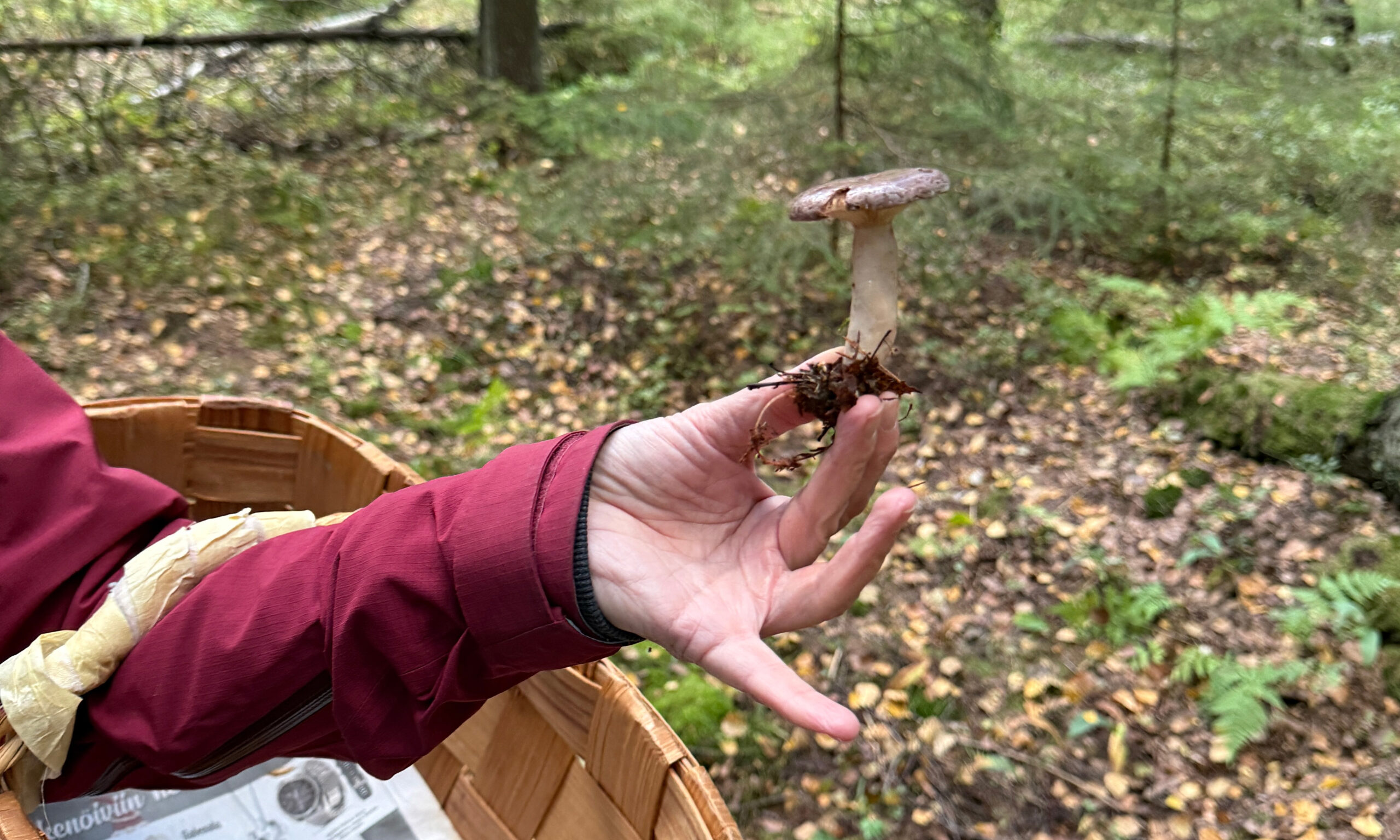
Before venturing deep into the thicket, Nyman established a makeshift field exhibition along the trailhead. Using specimens gathered earlier that morning, she created a visual and tactile laboratory. Participants were encouraged to inspect the gills, stems, caps, and textures of various species. This hands-on approach allowed the group to observe the subtle differences between edible favorites—such as chanterelles and various Lactarius (milk-caps)—and their look-alikes.
"Touching and smelling the mushrooms is crucial," Nyman explained. "Learning to identify a mushroom is a multi-sensory experience. You look for the color of the spores, the reaction of the flesh when pressed, and even the scent of the cap."
Phase 2: The Treasure Hunt
With the foundational knowledge established, the group transitioned to the forest floor. The atmosphere shifted from academic to adventurous. For nearly two hours, the subscribers combed the strip of woodland between the nature trail and the road, treating the undergrowth like a high-stakes treasure hunt.

The excitement was palpable. Periodic shouts of "Is this a pikkurousku (mild milk-cap)? Is it edible?" punctuated the quiet of the woods. Nyman acted as the final arbiter, moving from person to person to examine their baskets. The process served as a live-action test of the morning’s lecture, reinforcing the importance of verification.
Phase 3: The Final Audit
The expedition concluded back at the parking lot, where the "harvest audit" took place. Every basket was emptied and reviewed. It was a rigorous process: edible finds were separated, while questionable or inedible specimens were identified and then returned to the forest floor to decompose and provide nutrients for the ecosystem. This practice of returning non-harvested mushrooms to the wild is a key component of sustainable foraging etiquette.
Supporting Data and Species Identification
During the walk, the group encountered a diverse array of fungal life. While the primary objective was finding food, the secondary objective was understanding the broader role of fungi in the forest.
Key Species Identified:

- Edible Finds: The baskets were filled with a variety of sought-after mushrooms, including the autumn favorite suppilovahvero (trumpet chanterelle), the robust sikurirousku (candy cap), and the prized rusko-orakas (hydnum repandum). The group also successfully identified haaparousku (faded milk-cap), a staple for many traditional Finnish recipes.
- The Look-Alikes: One of the most valuable lessons involved distinguishing the edible trumpet chanterelle from the slightly toxic rustonupikas. Nyman also demonstrated the use of modern identification apps, which successfully categorized a beautiful, thin-capped mushroom as a kangaskääpä (a type of polypore).
- The "Stay Away" List: A significant portion of the time was spent identifying toxic species. The valkokärpässieni (destroying angel) was presented as a sobering reminder of the consequences of misidentification. Participants also examined the pulkkosieni (brown roll-rim), a mushroom that can be fatal if consumed without proper, lengthy preparation—and even then, it is highly discouraged.
Expert Insight: The Golden Rule of Foraging
Throughout the session, Nyman emphasized the primary rule of the forest: Never consume a mushroom unless you are 100% certain of its identity.
This rule is not merely a suggestion but a safety mandate. The Suomen Luonto Club’s approach focuses on "learning by doing" while maintaining a strict safety protocol. By providing a professional to verify each find, the club mitigates the risks associated with amateur foraging, creating a safe space for people to learn.
Nyman provided further depth by explaining the concept of "ryöppäys" (parboiling). Many common Finnish mushrooms, such as various milk-caps, contain toxins that are water-soluble. She demonstrated how these should be treated—boiling in large amounts of water to neutralize the bitterness and toxins—before they are safe for culinary use.
Implications for the Future of Foraging
The success of this first excursion signals a broader shift in how outdoor enthusiasts want to engage with nature. It is no longer enough to just "observe" the forest; there is a desire to participate in its cycles.

Educational Continuity
The learning does not end when the hike concludes. As part of the program, Nyman promised to send comprehensive digital notes to all participants, allowing them to review the identification features of the species they found. Furthermore, the Suomen Luonto website offers a vast repository of resources, including the Sieniekstra (Mushroom Extra) digital guide, which serves as a companion for future foraging trips.
Environmental Stewardship
Foraging, when done correctly, fosters a deeper respect for the environment. By learning about the specific habitats where these mushrooms thrive, participants gain a better understanding of forest health. They learn, for instance, why certain areas are rich in fungi while others are barren, and the importance of preserving the soil moisture and root networks (mycelium) that support these growths.
Building a Community
The Suomen Luonto Club is more than a series of field trips; it is an attempt to build a community of informed, passionate individuals who can act as stewards of the Finnish wilderness. As the participants departed, many were already planning their next weekend in the woods, armed with new knowledge and the confidence to explore further.
A Call to Action for Nature Lovers
The inaugural trip has set a high bar for future club events. For those interested in joining the next expedition, the requirements are simple: a subscription to Suomen Luonto and a willingness to get one’s boots dirty.
"We want to empower our readers," says the editorial team. "By providing access to experts and safe, structured environments, we hope to make the forest a more welcoming place. Whether you are a beginner looking to find your first chanterelle or an experienced picker wanting to learn about new species, there is a place for you in the club."
As we look toward the remainder of the autumn season, the lessons from the Sipoonkorvi woods remain clear: the forest offers a bounty of culinary delights, provided one has the patience to learn, the humility to ask, and the discipline to adhere to the cardinal rule of safety. The Suomen Luonto Club is not just teaching people how to forage; it is teaching them how to interact with the natural world in a way that is both sustainable and profoundly rewarding.
For those who missed the first trip, the doors are open. Subscribing to the magazine provides not only access to deep-dive investigative journalism regarding our environment but also exclusive invitations to these essential outdoor workshops. The forest is waiting—but as any seasoned forager will tell you, it is best entered with a guide, a basket, and a healthy respect for the unknown.