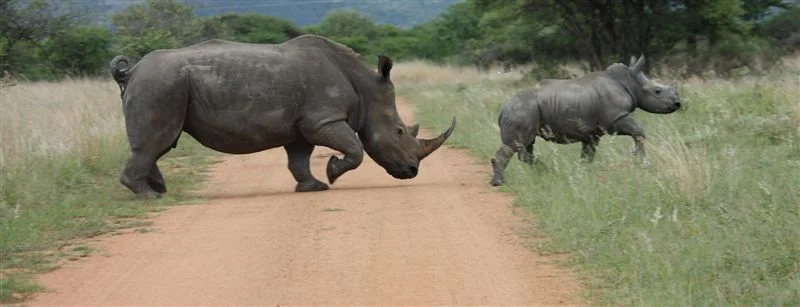
Tanzania remains the crown jewel of African wilderness, offering a biodiversity that is unparalleled on the continent. From the sun-drenched savannahs of the Serengeti to the mist-covered peaks of Mount Kilimanjaro, the country is a sanctuary for those seeking profound connections with nature. However, as global travel habits shift, the focus has moved toward "ecotourism"—a responsible way of exploring that prioritizes conservation, community support, and minimal environmental impact.
Kilimanjaro Tanzanite Safaris DMC, a leader in sustainable travel, is championing this movement, inviting travelers to explore the often-overlooked Southern Circuit and the iconic Northern highlights through a lens of environmental stewardship.
Main Facts: The Ecotourism Advantage
Ecotourism is more than a buzzword; it is a commitment to preserving the natural heritage of Tanzania for future generations. When choosing a safari, the distinction between a standard tour and an ecotourism-focused expedition lies in the logistics.
The Southern Circuit, including the vast Nyerere National Park (formerly Selous), Ruaha, and Mikumi, offers a more intimate, "off-the-beaten-path" experience. Unlike the busier northern hubs, these parks allow for a deeper immersion into raw, untouched wilderness. Because these lodges operate with a focus on low-impact, high-value tourism, they are often more affordable, allowing travelers to extend their stay and contribute longer to local economies.
Why Choose the Southern Circuit?
- Nyerere National Park (Selous): One of the largest protected wildlife areas in the world, known for its incredible density of elephants, hippos, and lions.
- Ruaha National Park: A rugged, untamed paradise that provides some of the best predator sightings in East Africa.
- Udzungwa Mountains: A biodiversity hotspot perfect for trekking, hiking, and observing endemic flora and fauna.
- Tazara Railway: A historic and scenic transit route that connects the coast to the interior, offering a low-carbon way to traverse the landscape.
Chronology of a Sustainable Journey
Planning a successful safari is a process that requires foresight. A typical 10-day itinerary in the Southern Circuit is designed to maximize wildlife exposure while minimizing travel fatigue.
Phase 1: Preparation (3-6 months prior)
Sustainable travel begins with research. Choosing a certified Destination Management Company (DMC) ensures that your travel footprint is accounted for. During this phase, travelers should consult on seasonal variations—understanding the "Green Season" versus the "Dry Season" is crucial for animal behavior patterns.
Phase 2: Arrival and Orientation
Upon arrival, travelers are typically introduced to the concept of "Responsible Travel." This includes briefings on waste management, wildlife distancing, and how to interact with local communities respectfully.
Phase 3: The Expedition (Days 1–10)
- Days 1-3: Arrival and initial game drives in Mikumi, allowing for a gradual acclimatization to the African bush.
- Days 4-7: Deep dive into Nyerere/Selous. Utilizing 4×4 Toyota Landcruisers with pop-up roofs, guests engage in photography and observation.
- Days 8-10: Transition to hiking/walking safaris in Udzungwa, shifting the perspective from a vehicle-based experience to a ground-level exploration.
Supporting Data: The Logistics of Modern Safari
The backbone of a successful safari is the equipment. Modern ecotourism demands high-performance vehicles that meet stringent emission standards. Kilimanjaro Tanzanite Safaris utilizes a fleet of updated 4×4 Toyota Landcruisers. These vehicles are essential for navigating the challenging terrain of the Tanzanian bush while ensuring the safety and comfort of guests.
For those interested in photography, the technical requirements are specific. The "new version" Landcruisers provided for professional filmmakers and photographers feature open-roof configurations and specialized stabilization mounts. These vehicles are maintained to reduce mechanical failure, which in turn prevents the need for emergency recovery vehicles—an often-overlooked aspect of environmental impact.
Comparing the Northern and Southern Circuits
While the Northern Circuit (Serengeti, Ngorongoro, Tarangire) is world-renowned, the Southern Circuit offers an escape from the crowds. A "Combo Package," ranging from 9 to 16 days, allows travelers to witness the Great Migration in the north while enjoying the serene, private atmosphere of the south.
Official Perspectives: Responsible Climbing and Trekking
Mount Kilimanjaro remains the pinnacle of adventure travel. However, climbing the "Roof of Africa" comes with significant environmental and safety responsibilities.
"The key to a successful Kilimanjaro experience is not just physical fitness; it is professional preparation," says a representative from Kilimanjaro Tanzanite Safaris. "We emphasize acclimatization schedules, the selection of the correct route (such as Lemosho or Shira for better success rates), and, most importantly, the ethics of high-altitude porter welfare."
Official guidelines for trekking now emphasize:
- Leave No Trace: All waste produced during the trek must be carried off the mountain.
- Safety First: Ensuring guides are trained in wilderness first aid and that the team has adequate supplies of oxygen and pulse oximeters.
- Route Selection: Choosing routes that are less congested reduces the strain on mountain infrastructure and improves the individual hiker’s experience.
Implications: The Future of Tanzanian Tourism
The shift toward ecotourism has profound implications for Tanzania’s economy and environment. By prioritizing high-value, low-impact tourism, the government and local operators are creating a model that incentivizes the protection of habitats.
Environmental Stewardship
When a safari is booked with an ecotourism focus, a portion of the revenue is often funneled back into anti-poaching units and reforestation projects. This creates a direct link between the tourist’s presence and the survival of species.
Community Empowerment
Sustainable travel ensures that money reaches the grassroots level. By hiring local guides, purchasing produce from local farmers, and supporting community-run lodges, the tourism industry becomes a catalyst for regional development.
The Photographic Safari Evolution
Filmmakers and photographers play a critical role in conservation by documenting the beauty of the Tanzanian wilderness. The support provided by expert DMCs allows these storytellers to capture footage that ultimately inspires global conservation efforts. By providing specialized gear and logistics, the industry enables the "ambassadors of the wild" to work efficiently and safely.
Planning Your Next Steps
Whether you are a seasoned adventurer looking to conquer the heights of Kilimanjaro or a nature enthusiast hoping to witness the vastness of the Southern Circuit, the planning phase is the most critical.
- Packing Lists: Always consult updated packing lists. Items like biodegradable soaps, high-quality binoculars, and layers for fluctuating temperatures are essential for a responsible, comfortable trip.
- Booking Tips: When planning an African safari, look for transparency. A reputable operator will openly discuss their sustainability policies, the maintenance of their vehicles, and their commitment to local staff.
- Timing: Research the best times to visit specific parks. For instance, the dry season in the Southern Circuit (June to October) is ideal for game viewing as animals congregate near water sources.
Conclusion
Tanzania offers more than just a vacation; it offers a transformational experience. Through the lens of ecotourism, travelers can witness the majesty of the natural world while playing an active role in its preservation. By choosing to travel with operators like Kilimanjaro Tanzanite Safaris, you ensure that your journey across the plains of the Serengeti or the slopes of Kilimanjaro leaves the landscape as pristine as you found it.
As you plan your next adventure, remember that the most meaningful travel experiences are those that honor the land, the people, and the wildlife. Tanzania is waiting—explore it with purpose.