By [Your Name/Journalistic Desk]
In collaboration with William E. Simpson II, Naturalist, Author, and Conservationist
In the frenetic pace of the twenty-first century, characterized by digital saturation and urban density, the human connection to the natural world has become increasingly tenuous. As modern society continues to prioritize convenience and consumerism, a significant cognitive and emotional divide has emerged between humanity and the ecosystems that sustain it. While high-definition documentaries and virtual reality experiences have attempted to bridge this gap, naturalist and conservationist William E. Simpson II argues that there is no substitute for the raw, visceral experience of physical immersion.
Ecotourism—the practice of responsible travel to natural areas that conserves the environment and improves the well-being of local people—is emerging not merely as a leisure activity, but as a critical conservation tool. By fostering a direct relationship with the wilderness, ecotourism serves as the catalyst for the empathy and stewardship required to protect our planet’s remaining natural wonders.
The Sensory Imperative: Why Immersion Matters
The human experience is fundamentally sensory. We are wired to respond to the smell of damp pine needles, the auditory complexity of a bird’s song, and the sight of untamed landscapes. These sensory inputs act as biological anchors, reminding us of our origins.
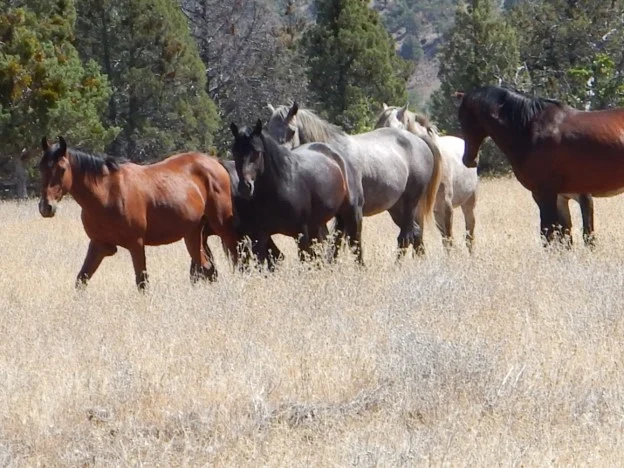
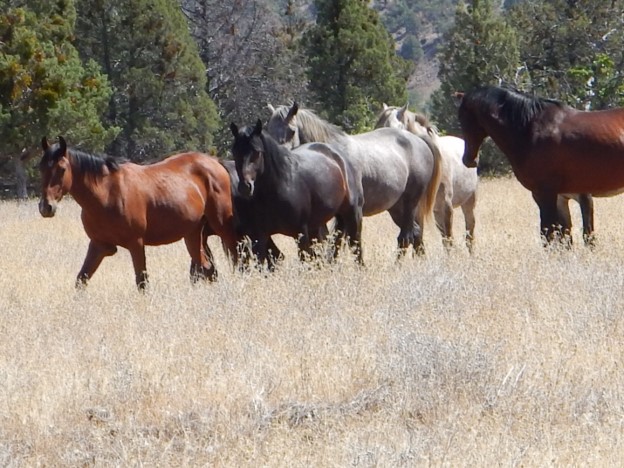
When an individual stands in the presence of a wild stallion guarding his band, or listens to the rhythm of a mountain stream navigating ancient stone, the abstract concept of "nature" transforms into a tangible, personal reality. This transformation is the core mission of modern ecotourism. It is a transition from passive consumption of nature-themed media to active, mindful participation in the natural cycle.
According to Simpson, this immersion provides a unique educational communion. It is through these interactions that the "abyss of understanding" begins to close. When a visitor develops a personal connection to a landscape, the inclination toward conservation—the desire to protect that which has touched them—increases exponentially. This psychological shift is the bedrock upon which effective environmental policy must be built.
Rewilding as a Management Strategy: The Case of the American Wild Horse
One of the most compelling arguments for integrating ecotourism into resource management is the strategic rewilding of native species. A prime example, and a focal point of Simpson’s work, is the American wild horse.
The Chronology of Conflict and Opportunity
For decades, the management of wild horses on public lands has been a point of contention between government agencies—specifically the Bureau of Land Management (BLM)—and livestock interests. The historical timeline of this conflict can be categorized into three distinct phases:
- The Era of Over-Extraction (1900s–1970s): Widespread removal of horses to prioritize private cattle grazing, leading to the near-decimation of wild herds.
- The Legislative Era (1971–2000s): The passage of the Wild Free-Roaming Horses and Burros Act, which sought to protect the species but resulted in high population densities in limited areas, leading to the current cycle of costly government roundups and long-term holding.
- The Era of Ecological Restoration (2020–Present): A growing movement to view wild horses as ecological assets rather than pests, utilizing them for wildfire fuel reduction and as cornerstones for regional ecotourism economies.
Supporting Data: Economics and Ecology
The financial implications of the status quo are staggering. The BLM spends nearly $100 million annually on the holding and maintenance of captured wild horses. Simpson suggests a paradigm shift: move these horses from areas of conflict (where they compete with livestock) into expansive wilderness areas where they can serve a dual purpose.
Data from regions like Moffat County, Colorado, illustrate that wild horses are a significant economic driver. Surveys indicate that tourists are willing to travel long distances specifically to view these animals in their natural habitat. By facilitating "horse tourism," local communities can capture significant revenue, offsetting the costs associated with land management.
Furthermore, there is an ecological utility to the horse. As grazers, wild horses manage grass and brush—the very "fuel" that feeds catastrophic wildfires. By utilizing horses as a natural fire-break maintenance tool, agencies can reduce the risk of massive forest fires, saving billions in potential disaster relief and property damage, while simultaneously creating a sustainable, self-managing natural landscape.
Official Perspectives and The Role of The International Ecotourism Society
The International Ecotourism Society (TIES) maintains that the integration of wildlife management and tourism is not a luxury, but a necessity for long-term sustainability. Organizations such as TIES advocate for frameworks that ensure tourism does not result in the degradation of the very environment being visited.
The Institutional Response
Government agencies have historically been slow to adopt "rewilding" as a management strategy, often citing the complexity of multiple-use mandates (e.g., the Federal Land Policy and Management Act). However, the rising cost of land management and the increasing public demand for wildlife-based experiences are forcing a re-evaluation.
Policy experts are beginning to recognize that:
- Economic Diversification: Rural areas dependent solely on extractive industries (mining, industrial cattle grazing) are vulnerable to market fluctuations. Ecotourism offers a stable, long-term economic alternative.
- Public Sentiment: As Hollywood and mainstream media continue to produce successful documentaries and films centered on the spirit of the horse, public support for the humane treatment and free-roaming status of these animals is at an all-time high.
- Climate Adaptation: With the increasing prevalence of wildfires, the use of natural grazers to mitigate brush buildup is being studied as a viable, low-cost "green" technology.
The Path Forward: Implications for Policy and Society
The implications of this shift in perspective are profound. If we accept the premise that humanity needs nature for its own psychological and physical health, then the preservation of wild spaces must be prioritized over short-term resource extraction.
A New Model for Conservation
The future of conservation lies in creating "win-win" scenarios. The rewilding of horses is not an isolated experiment; it is a template. By identifying species that can provide ecological services—such as soil aeration, seed dispersal, or fuel reduction—and coupling their presence with managed ecotourism, we can achieve:
- Economic Sustainability: Rural communities benefit from an influx of visitors who support local services.
- Environmental Resilience: Landscapes are managed by natural processes rather than mechanical or chemical intervention.
- Cultural Enrichment: Humanity regains its connection to the wild, fostering a society that values its heritage and natural legacy.
The Responsibility of the Individual
While policy changes are essential, the individual’s role cannot be ignored. The modern traveler has the power to vote with their wallet. By choosing to patronize ecotourism operators who prioritize animal welfare and habitat preservation, consumers can drive the industry toward higher standards.
William E. Simpson II emphasizes that the "growing abyss" between man and nature is not permanent. It is a chasm that can be filled by the intention to step outside, to observe, and to learn. Whether it is a day trip to a local wilderness area or a planned expedition to see wild horses in the American West, the act of experiencing nature firsthand is a radical, necessary protest against the sterile confinement of modern life.
Conclusion: Bridging the Divide
As we look toward the future of our planet, the role of the naturalist, the author, and the ecotourist becomes intertwined. We are all stewards of a legacy that is rapidly disappearing. The lessons provided by the wild horse—resilience, freedom, and the necessity of space—are the very lessons humanity must relearn if we are to thrive in the coming century.
Ecotourism is the bridge. It is the conduit through which we return to our roots. It is not merely about seeing the world; it is about recognizing ourselves within it. As Simpson notes, there is no substitute for the experience of the wild. By investing in this connection, we do more than just save landscapes; we save the parts of ourselves that only the wilderness can nourish.
For those interested in the ongoing efforts to protect our natural heritage and to understand the intersection of wild horse management and ecotourism, resources are available at www.WHFB.us and www.ecotourism.org. The journey back to nature begins with a single step into the wild.