This report was originally published by WIRED and is reproduced here as part of the Climate Desk collaboration.
The American West is approaching a reckoning. Long defined by its vast landscapes and the perceived abundance of its natural resources, the region is now confronting a sobering reality: the water that has sustained its explosive growth for the last century is disappearing. From the arid plains of Texas to the sprawling basin of the Colorado River, the United States is staring down a series of water crises that are no longer theoretical. Driven by a volatile mix of human-induced climate change and unchecked industrial demand, these crises are forcing a fundamental, and perhaps painful, reconsideration of how the nation manages its most precious resource.
The Shrinking West: A Crisis of Snow and Stone
The foundation of the American West’s water supply is the mountain snowpack—a natural reservoir that captures winter precipitation and releases it slowly throughout the spring and summer. However, that system is breaking down.
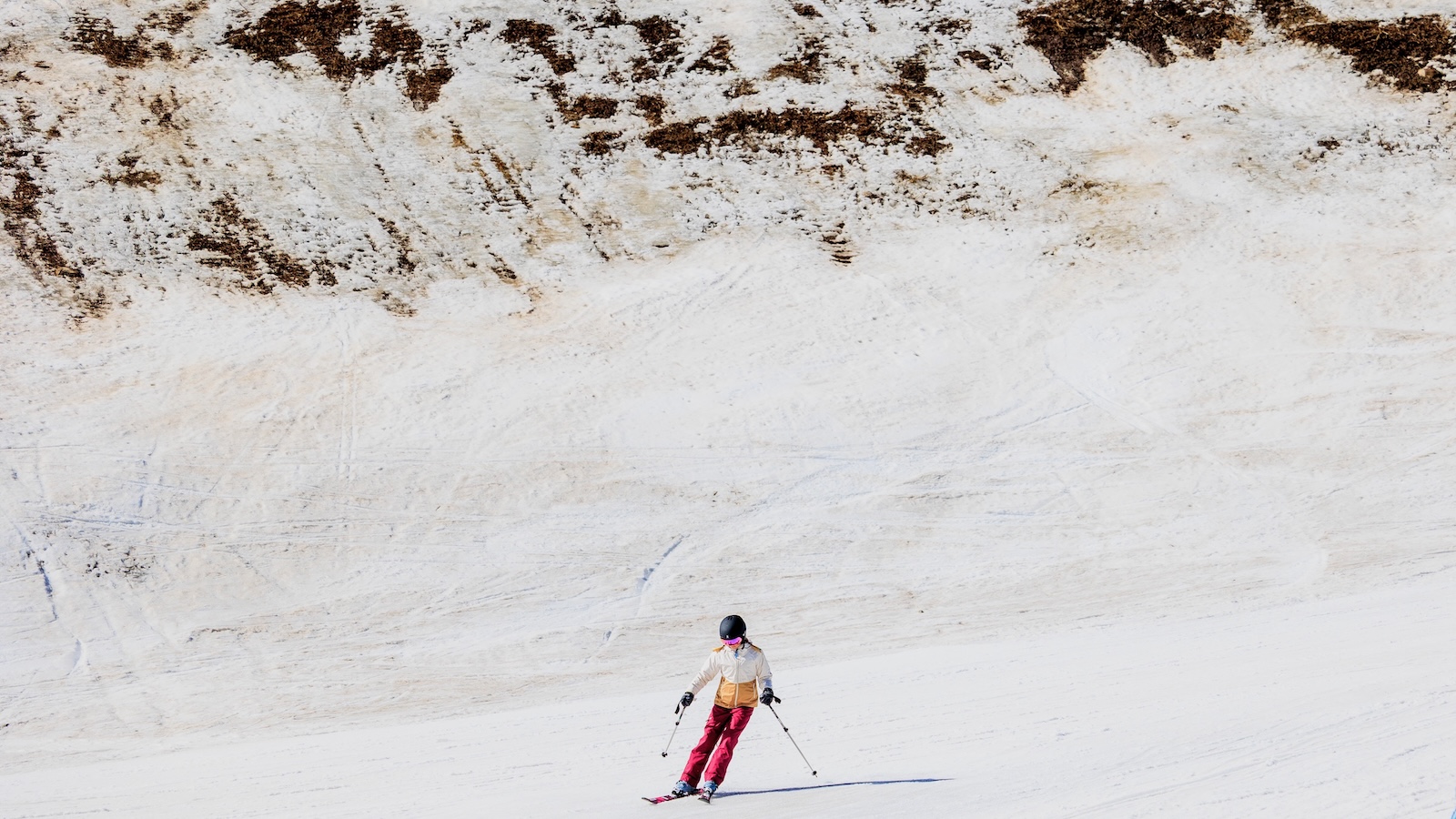
Following a winter of record-breaking heat, snowpack levels across the Western mountain ranges reached historic lows in February 2026. This was not a gradual decline but a rapid, catastrophic collapse. March brought temperatures that experts describe as "unprecedented and stunning."
"What happened in March was out of this world, frankly," says Brad Udall, a senior water and climate researcher at Colorado State University’s Colorado Water Center. "We had temperatures the likes of which we have never seen and couldn’t have happened without human-caused climate change. We had a crummy snowpack that went from crummy to god-awful in just three weeks."
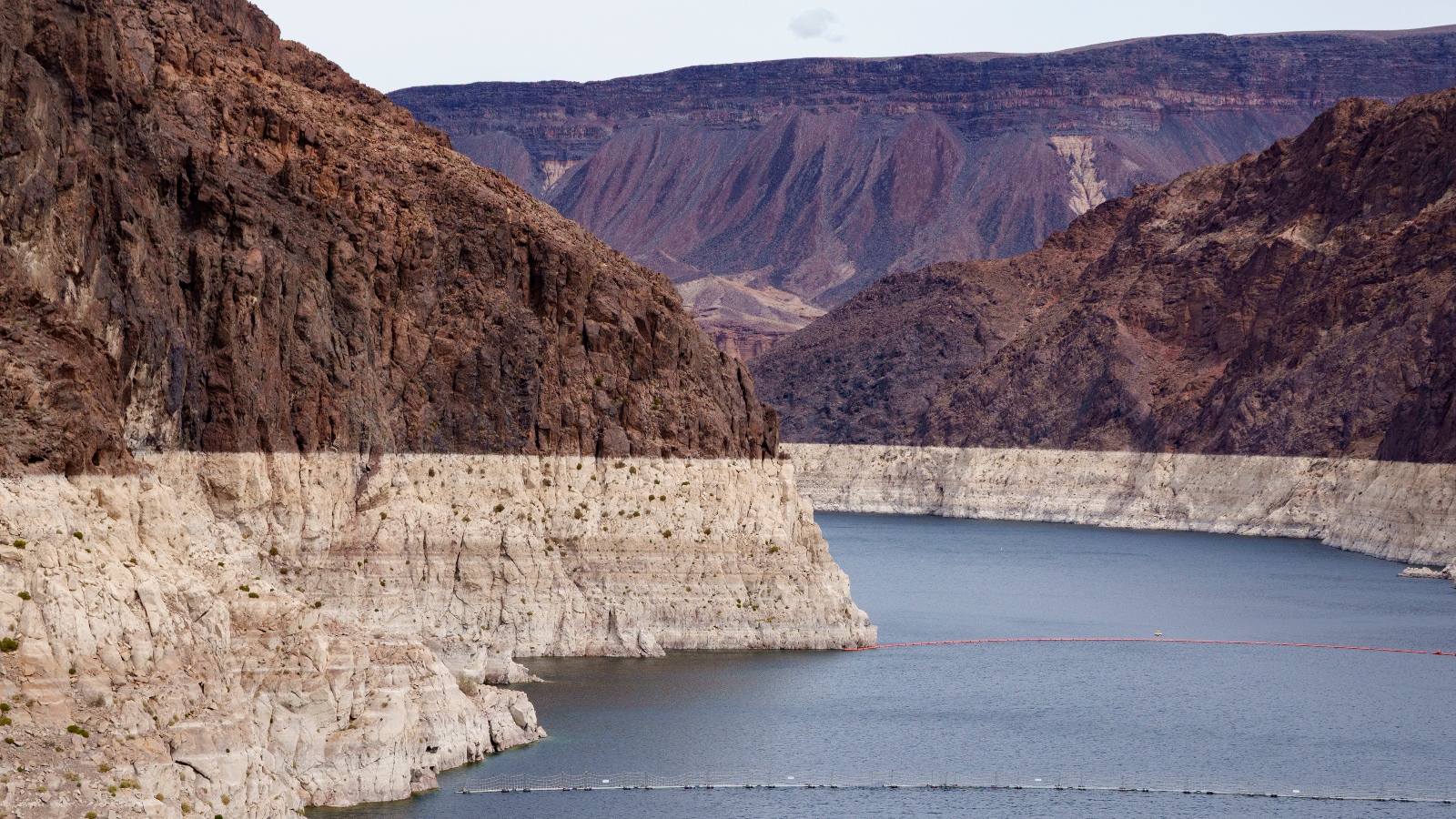
This premature snowmelt is having dire consequences for the Colorado River, a lifeline for 40 million people across seven states. In some stretches, the river has slowed to a literal trickle, threatening the delicate balance of the basin.
The Colorado River: A Chronology of Decline
The crisis facing the Colorado River is not an overnight disaster; it is a decades-long political and environmental erosion.
- 1922: The Colorado River Compact is signed, establishing an allotment system based on historical flow data that has since proven to be dangerously optimistic.
- 2022: Lake Mead hits a record-low water level, sparking urgent federal intervention and internal squabbles among the seven basin states.
- February 2026: States miss a critical deadline to renegotiate their water usage agreements, leaving the 1922 Compact in a state of paralysis.
- March 2026: Extreme heat wipes out the regional snowpack, triggering a rapid drop in reservoir levels.
- April 2026: As of mid-April, Lake Mead sits just 17 feet above its 2022 record low, and the U.S. Interior Department announces emergency measures to protect hydropower generation at Lake Powell.
The river is more than just a tap for municipal drinking water; it is a power plant. The dams at Lake Powell and Lake Mead provide electricity to over 25 million people. As water levels fall, the ability of these dams to generate power diminishes, creating a secondary energy crisis that looms over the region’s grid stability.
Industrial Demand vs. Public Need
While urban residents are often asked to curtail lawn watering and car washing, the heaviest drain on the Colorado River comes from agriculture and industry. Alfalfa, a water-intensive crop used primarily for cattle feed, consumes more water from the Colorado than all the cities in the basin combined.
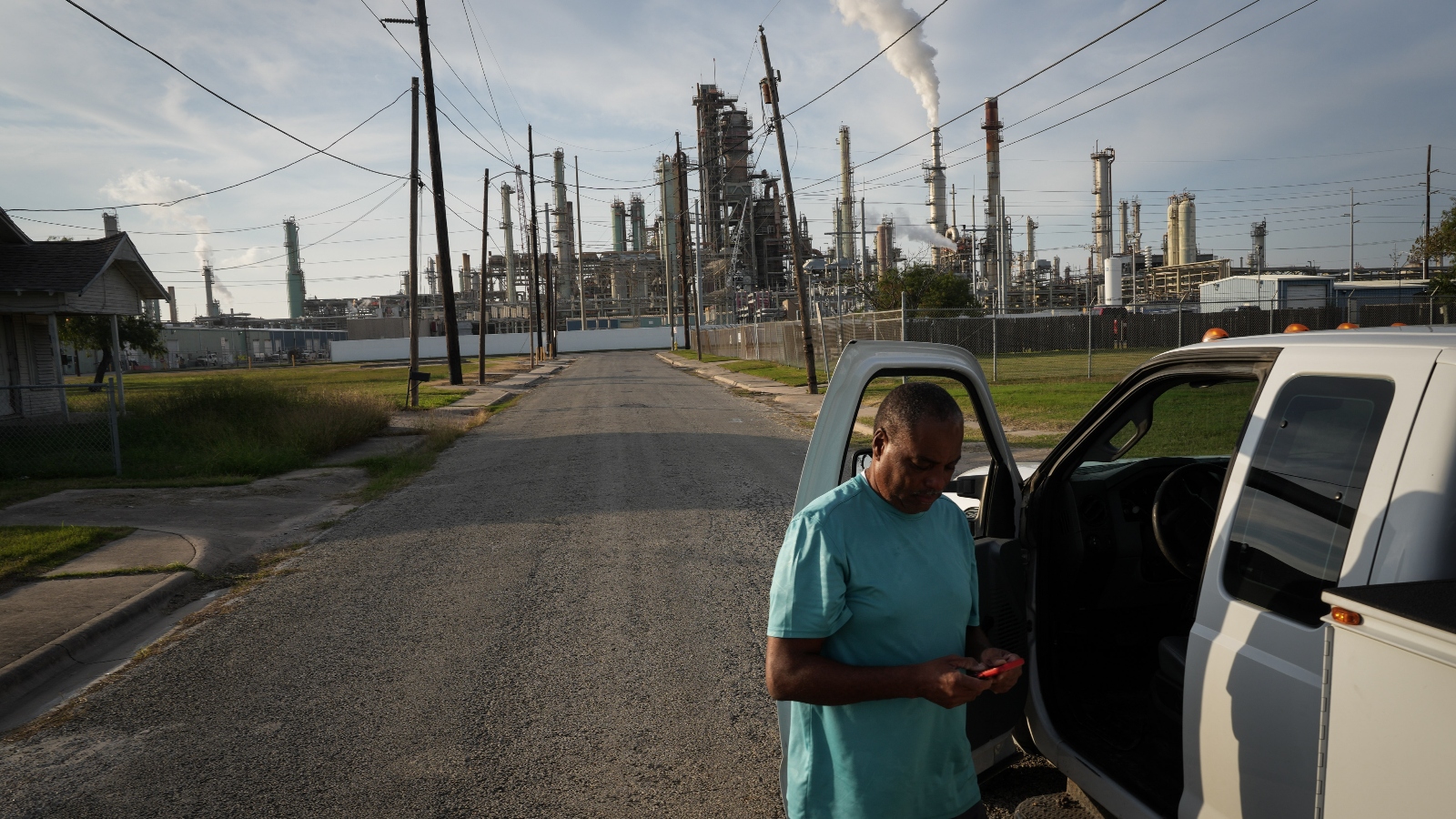
This tension between economic activity and resource preservation is mirrored in Texas. In Corpus Christi, the eighth-largest city in the state, the situation has reached a critical stage. Officials have warned that the city is nearing a "Level 1" drought emergency, defined by 180 days where water demand outstrips supply.
The city’s reliance on surface water—specifically the Choke Canyon Reservoir and Lake Corpus Christi—has left it vulnerable. As of mid-April, these reservoirs were at 7.4 percent and 8.7 percent capacity, respectively. Yet, despite these numbers, the city’s largest industrial water consumer, a plastics plant co-owned by Exxon Mobil and the Saudi Basic Industries Corporation, continues to draw millions of gallons daily. Between 2022 and 2024, the facility used an average of 13.5 million gallons per day, compared to a typical residential customer who uses roughly 6,000 gallons per month.
Official Responses and the Infrastructure Gap
The response from local and federal governments has been a mix of emergency rationing and stalled infrastructure projects. In Corpus Christi, city manager Peter Zanoni has expressed reluctance to enforce severe industrial restrictions, citing the potential for economic damage and plant closures.
"We don’t want to wreck our economy," Zanoni told NBC News. "We don’t want to have operations close down."
This hesitation highlights the "business-attraction" trap. Cities often prioritize industrial growth, assuming that water needs can be managed through future infrastructure projects. However, those projects are becoming increasingly expensive and controversial. Corpus Christi’s plans for a desalination plant, which would have cost over $1 billion, were ultimately rejected by regulators last year due to environmental concerns and ballooning costs. Meanwhile, a request for state funding for a smaller facility was recently denied by the office of Texas Governor Greg Abbott.
Shane Walker, director of the Water and the Environment Research Center at Texas Tech University, argues that the situation is a cautionary tale for the entire Southwest. "If you think you can wait around and get a cheaper deal on a water infrastructure project, it’s probably the opposite," Walker says. "You have to think of a 20-year time horizon as urgent. If you’re relying on groundwater, that is a finite resource. Lakes are vulnerable to drought. What is your alternative supply?"
The Implications: A New Era of Policy
The implications of these water crises are profound. For the first time in history, there is a legitimate fear that upper-basin states on the Colorado River could fail to deliver required water volumes to the lower-basin states, potentially triggering a legal battle that would rewrite water law in the American West.
While "Day Zero"—the day a municipal water system completely runs dry—remains an avoided catastrophe in the U.S., the threshold is getting closer for many mid-sized cities. The era of cheap, reliable, and seemingly infinite water is ending.
Experts like Brad Udall believe this is the moment for a fundamental shift in policy. The Colorado River Basin is essentially a microcosm of the global climate crisis. With 40 million people, two nations, and countless agricultural interests involved, the status quo is no longer sustainable.
"Maybe this is the first worldwide climate change crisis that is going to force really fundamental policy-level decisions to be made," Udall says. "Seven states, two nations, and major cities are going to have to completely rethink how they use this resource."
Whether through aggressive mandatory conservation, a transition away from water-heavy industrial processes, or the painful implementation of new pricing structures, the message is clear: the American water crisis is no longer "coming." It is here, and for those who have been ignoring the signs, the time for planning has long since passed. The future of the American West will not be defined by how much water it can draw from the earth, but by how effectively it can learn to live with the little that remains.