Every year, Americans discard nearly 5 billion pounds of fresh produce, much of it encased in flexible, thin-film plastic. While this packaging is vital for maintaining shelf life and preventing food waste, it presents an environmental paradox: it is highly effective at keeping food fresh, yet it is almost entirely unrecyclable through standard municipal systems. According to The Recycling Partnership, less than 1% of the 5 million tons of flexible plastic packaging generated annually in the U.S. actually makes it back into the supply chain.
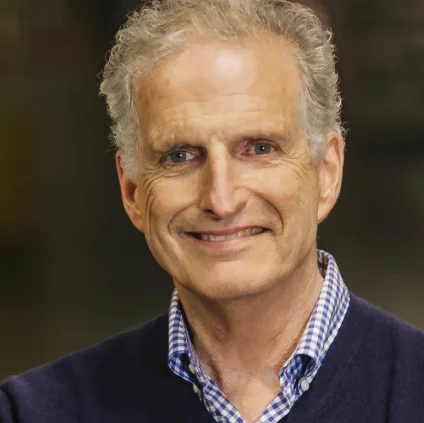
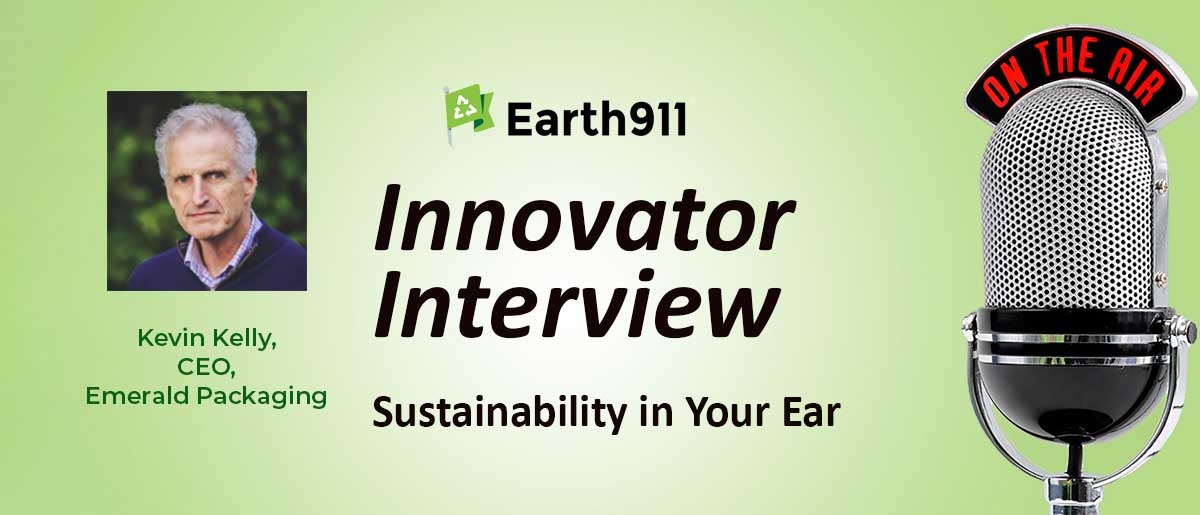
For decades, the packaging industry has operated on a linear model—extracting fossil fuels to create virgin polyethylene, using it once, and sending it to a landfill. However, Emerald Packaging, a third-generation, family-owned manufacturer based in Union City, California, is attempting to break this cycle. Under the leadership of CEO Kevin Kelly, the company has recently achieved a significant milestone: eliminating over 1 million pounds of virgin plastic in a single year by transitioning to post-consumer recycled (PCR) content.
The Technical and Regulatory Hurdle: Why Food-Grade PCR is Different
The challenge of recycling flexible film is not merely logistical; it is deeply technical. Unlike rigid plastics—such as milk crates or laundry detergent bottles—flexible packaging used for food must meet stringent FDA safety standards. Because the FDA requires rigorous migration testing to ensure no chemical contaminants leach from the packaging into the food, most manufacturers have historically opted for virgin resin, which is cheaper, cleaner, and carries no liability regarding legacy contaminants.
"Food-grade PCR is a different animal," says Kevin Kelly. To satisfy federal regulators, the feedstock must be traceable to a food-adjacent source, such as pallet wrap collected from grocery store distribution centers. This material is washed, dried, and repelletized, but it remains notoriously inconsistent.
For a manufacturer, this inconsistency is a production nightmare. Variation in the recycled resin causes carbon buildup on extrusion lines, forcing factory shutdowns for deep cleaning every eight hours. Furthermore, the cost of food-grade PCR remains significantly higher—often three to four times the price of virgin polyethylene. Despite these hurdles, Emerald Packaging, in partnership with Walmart, Idaho Package, and Wada Farms, successfully launched the first 30% PCR potato bag approved for direct food contact.
A Chronology of Innovation: From Berkeley to the Mainstream
The story of Emerald Packaging is a reflection of the evolving American approach to waste. Founded in 1963 by Kelly’s father, the company began as a small operation in Berkeley, California, focused on bread bags.
- Early 2000s: Kelly began investigating sustainable alternatives following a state study that identified agricultural plastic as a primary contributor to landfill volume. Early efforts to lobby the American Chemistry Council for a recycling system were met with industry-wide resistance.
- 2010s: The company experimented with alternative materials, including potato-based starch films and polylactic acid (PLA), though these struggled to find a foothold due to high costs and lack of infrastructure.
- 2023: Recognizing that waiting for a perfect system was no longer an option, Kelly pivoted the company’s strategy. Emerald began absorbing the cost of PCR integration to prove the model’s viability, securing partnerships with major retailers like Walmart and produce suppliers like D’Arrigo.
- 2025: The company announced the milestone of replacing over 1 million pounds of virgin plastic, signaling a shift from experimental "boutique" packaging to scalable commercial application.
The Economics of Sustainability: Why "Green" Isn’t Always Cheap
The primary barrier to widespread adoption of recycled packaging is the "Green Premium." When companies like Emerald Packaging switch to 30% PCR, they face higher production costs and lower throughput.
In a retail landscape dominated by long-term contracts and thin margins, suppliers are rarely able to pass these costs on to the consumer. Walmart, while publicly advocating for sustainable packaging through initiatives like "Project Gigaton," has historically sought sustainable solutions at price parity with virgin materials.
Kelly describes his company’s role as "the canary in the coal mine." By documenting the entire chain of custody and personally auditing suppliers, Emerald has had to become a self-appointed certification body. This is a burden that most companies are unwilling to bear. Without a centralized, industry-wide certification for food-grade PCR, many competitors have resorted to "greenwashing"—placing recycled content in the middle layer of multilayer films where it is not technically compliant for food contact, yet labeling the package as sustainable.
The Policy Paradox: Does SB 54 Help or Hinder?
Perhaps the most controversial aspect of the industry’s evolution is the role of government policy. California’s Senate Bill 54 (SB 54), often cited as the most ambitious Extended Producer Responsibility (EPR) law in the U.S., aims for a 65% recycling rate and a 25% source reduction mandate by 2032.
However, Kelly argues that the rulemaking process has inadvertently undermined the transition to food-grade PCR. Initially, the law included a "pound-for-pound" credit that would have rewarded companies for replacing virgin plastic with recycled content. That incentive was stripped out of the final regulations.
"The fees are low enough," Kelly explains, "that producers can hit early reduction targets through low-hanging fruit—like agricultural film—without ever having to switch to food-grade PCR." Because the regulatory structure prioritizes simple volume reduction over the complex, capital-intensive move toward circularity, the legislation may inadvertently encourage companies to do the bare minimum rather than investing in the infrastructure needed for true circularity.
The Future of Capital and Infrastructure
A critical case study in the fragility of this transition is the rise and fall of Circulus, a mechanical recycling company that built a high-tech facility in California’s Central Valley. Backed by private equity, the firm sought to capitalize on the demand for food-grade PCR. However, the venture struggled to bridge the gap between capital investment and the slow development of end-market demand. The facility was eventually sold to Dow Chemical, which shuttered the California site to focus on operations in Oklahoma and Georgia.
This sequence of events highlights a broader structural problem: the lack of "patient capital." Private equity firms, which prioritize quarterly returns and five-year exit strategies, are poorly suited to the long-term investment required to build a circular economy. In contrast, family-owned businesses like Emerald Packaging, which are not beholden to external shareholders, have demonstrated a higher capacity to prioritize long-term social and environmental goals over immediate profit.
Implications: The Path Toward a Circular Economy
The lesson from Emerald Packaging’s recent success is that while the technology for a more sustainable future exists, the supporting architecture does not. The industry is missing three vital components:
- A Certification Backbone: Consumers and buyers need ironclad, transparent verification that "food-grade" on a label is a scientific certainty rather than a marketing claim.
- Mandates with Economic Levers: EPR laws must be designed to reward high-value transitions, such as food-grade PCR, rather than just incentivizing the easiest plastic to recycle.
- Patient Capital: The transition to a circular economy requires investors willing to accept long-term ROI in exchange for systemic resilience.
As the U.S. enters a new cycle of legislative reform across states like Colorado, Maine, and Minnesota, the experiences of companies like Emerald Packaging provide a roadmap—and a warning. The transition to a sustainable economy will not be achieved by market forces alone; it requires a deliberate, policy-driven alignment of infrastructure, capital, and corporate transparency.
"I don’t see it happening in my lifetime," Kelly admits, reflecting on the 25-year arc of his career. "But my children’s generation will live in a very different economy." For now, the "canary in the coal mine" continues to operate, proving that while 1 million pounds of diverted plastic is a start, the truly heavy lifting—the systematic rewriting of how we package the food we eat—has only just begun.