Introduction: A Historic Stage for Global Sustainability
The historic and culturally resonant city of Tokat, nestled in the heart of Turkey’s Anatolian landscape, is poised to take center stage on the international stage. From July 27 to 31, 2021, this archaeologically significant destination will host the 16th Ecotourism and Sustainable Tourism Conference (ESTC), organized by The International Ecotourism Society (TIES).
As the world pivots toward more responsible and regenerative travel practices, Tokat emerges as a model of how ancient heritage and modern ecological stewardship can coexist. The selection of Tokat as a host city is not merely a logistical choice; it is a strategic recognition of a city that has managed to preserve its 1,500-year-old narrative while embracing the rigorous standards of modern sustainable tourism.
The Visionary Leadership Behind the Transformation
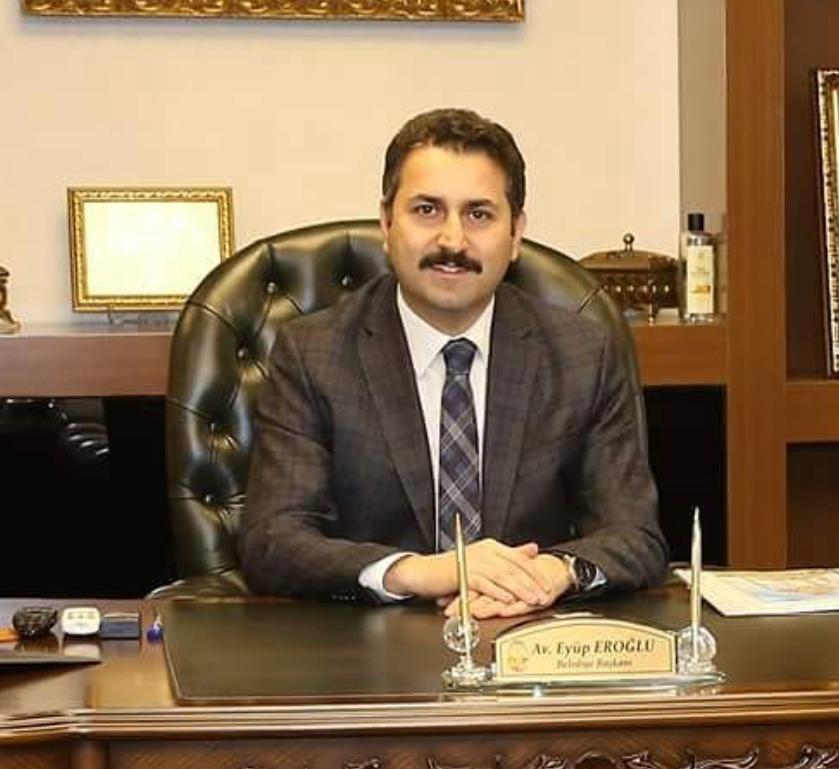
At the helm of this transition is Attorney Eyüp Eroğlu, one of Turkey’s youngest and most progressive mayors. Known for his proactive approach to urban development and regional branding, Mayor Eroğlu has championed the integration of Tokat’s rich biodiversity into the global tourism market.
In a recent conversation, Mayor Eroğlu articulated the rationale behind the city’s readiness to host the global ecotourism community. "Along with Tokat’s friendly local people and their welcoming outlook, the Tokat Municipality will make every effort to develop our city’s tourism to be represented in the international arena," the Mayor noted. "We will accomplish this in a sustainable way that respects our ancestors and protects our future."
Chronology of a Civilizational Hub
To understand the significance of Tokat, one must look at its timeline—a tapestry woven through 14 distinct civilizations.
- 5th Century Origins: The foundations of the city were laid in the 5th century, serving as a critical nexus point for trade and culture.
- The Bridge of Empires: Positioned strategically between the Black Sea and the vast Anatolian plateau, Tokat became a melting pot where diverse cultures—from the Hittites and Romans to the Seljuks and Ottomans—left their mark.
- The Era of Sustainability: In recent years, the municipality has shifted focus toward preserving these archaeological layers while incentivizing eco-friendly agricultural practices.
- July 2021: The 16th ESTC marks a milestone in the city’s history, transitioning from a regional historical site to a globally recognized leader in sustainable destination management.
Supporting Data: An Ecological and Gastronomic Powerhouse
Tokat’s appeal to the ecotourist lies in its "transitional climate" and varied topography, which support a level of ecological diversity rarely seen in such a concentrated area. This geographic luck has fostered a thriving agricultural sector that acts as the backbone of the local economy.
The Breadbasket of Anatolia
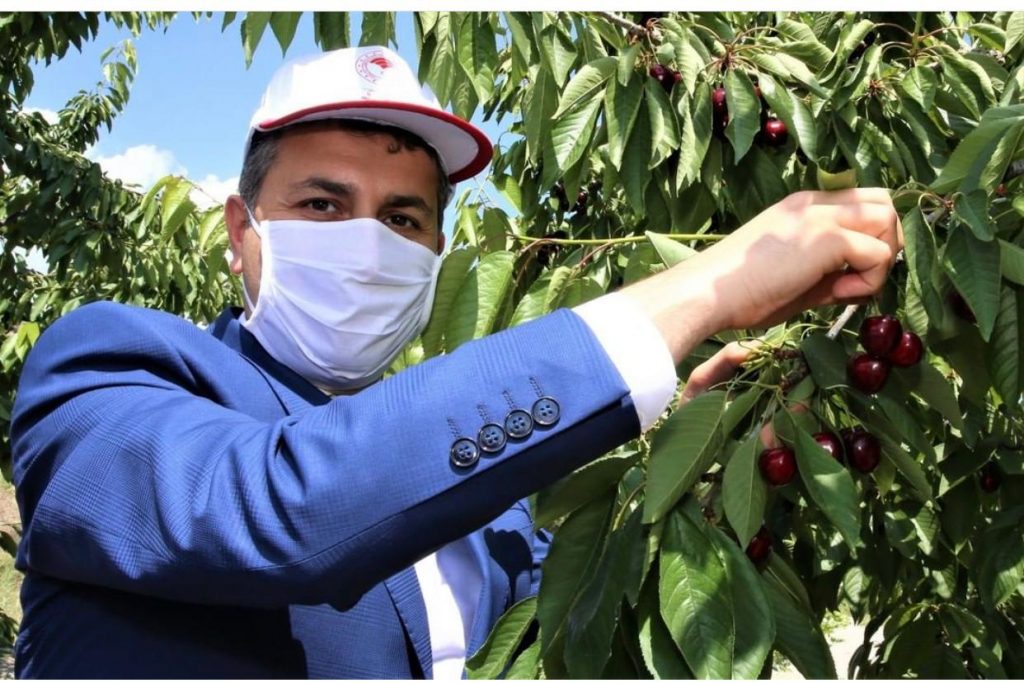
The city boasts an impressive 82 varieties of cereals, fruits, and vegetables. This agricultural abundance is not merely a statistic; it is the source of Tokat’s legendary culinary scene.
- The Tokat Kebab: A world-renowned dish that utilizes local lamb and garden-fresh vegetables, prepared in a unique vertical oven, representing the marriage of tradition and terroir.
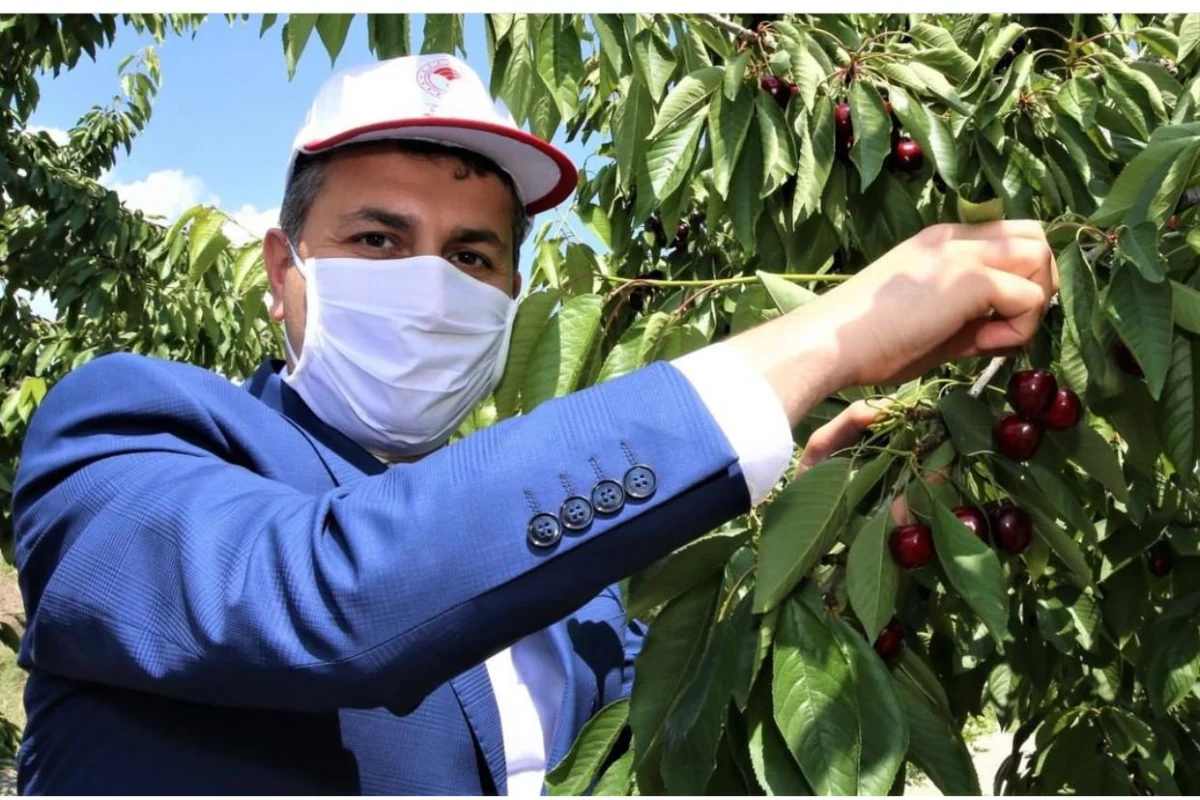
- Agricultural Heritage: From the cultivation of nutrient-rich fenugreek and walnuts to the artisanal production of molasses and premium grape leaves, the local food cycle is a perfect example of "farm-to-table" sustainability.
The Geography of Diversity
The elevation changes within the province create micro-climates that allow for distinct plant and animal life. This biodiversity has been the subject of several municipal studies aimed at protecting indigenous species while promoting "slow travel" initiatives that allow visitors to experience the landscape without degrading it.
Official Perspectives: Mayor Eroğlu on Global Hospitality
For the TIES delegation and the international attendees of the ESTC, the city has prepared a warm reception that emphasizes the "Anatolian spirit." Mayor Eroğlu views the conference as an opportunity to bridge the gap between global experts and local tradition.
"Tokat Municipality welcomes The International Ecotourism Society and its valuable guests to our city," the Mayor stated. "We look forward to focusing international attention on our thriving, unique destination. We are sure that ecotourists and travelers will collect many unforgettable memories in Tokat, and witness our true Anatolian heritage."
When questioned regarding the logistical challenges of hosting a global event during a period of heightened health awareness, the Mayor expressed confidence in the local infrastructure. "I am deeply impressed with the care TIES has taken to ensure the safety of ecotravelers and the community of Tokat," Eroğlu noted, emphasizing that the city has implemented rigorous, health-conscious protocols that align with international standards.
The Architectural Sentinel: Tokat Castle
No visit to the city is complete without acknowledging the presence of the Tokat Castle. Looming over the city, it has served as a silent observer for centuries. Today, it stands not just as a relic, but as an integral part of the city’s tourism strategy. By integrating the castle into walking tours and educational programs, the municipality is successfully converting historical monuments into experiential learning centers, a cornerstone of the ecotourism philosophy.
Implications for the Future of Ecotourism
The hosting of the 16th ESTC in Tokat carries significant implications for the wider tourism industry.
1. Decentralization of Tourism
By moving the focus away from hyper-congested tourism hubs and toward culturally rich but "under-the-radar" destinations like Tokat, the industry can better distribute economic benefits. This supports local farmers, artisans, and small business owners, ensuring that tourism revenue remains within the community.
2. The Preservation of Intangible Heritage
Sustainability is often viewed through the lens of carbon footprints and recycling, but the ESTC in Tokat aims to broaden the definition to include "cultural sustainability." By celebrating the culinary and agricultural heritage of the region, the conference provides a template for how other cities can monetize their traditions without eroding them.
3. A Model for Emerging Markets
Tokat serves as a compelling case study for emerging tourism markets. The city demonstrates that you do not need to choose between modernity and tradition. By utilizing its natural assets—the fertile soil, the historic climate, and the architectural legacy—Tokat is showing that a sustainable path is not only possible but highly profitable.
Conclusion: An Invitation to Discovery
As the countdown to July 27, 2021, continues, the excitement within Tokat is palpable. The city is ready to showcase why it remains one of the most important cultural and ecotourism destinations in the world.
For the delegates, researchers, and conscious travelers planning to attend, Tokat promises more than just a conference; it offers a deep dive into the heart of Anatolia. From the harvesting of fresh grape leaves to the ascent of the historic castle, visitors will experience a destination that honors its past while meticulously planning for a greener, more sustainable future.
The International Ecotourism Society invites all interested parties to register for the conference and join in this landmark event. To secure your place among the leaders of the sustainable travel movement and to witness the evolution of a historic city, please register here.
In Tokat, the spirit of hospitality meets the science of sustainability, creating an environment where every traveler becomes a steward of the land and a witness to history. The 16th ESTC is not just a meeting of minds; it is a celebration of the enduring human connection to the earth.