By Alice Broderick | July 23, 2026
As the global community approaches World Nature Conservation Day on July 28, the urgency of protecting our nation’s waterways has never been more pronounced. Rivers are the lifeblood of our ecosystem, providing the essential foundation for biodiversity, human health, and economic stability. Yet, as we navigate an era of unprecedented environmental pressure, the sheer scale of the challenges facing our rivers can feel paralyzing.
However, environmental stewardship is not merely the domain of policymakers or large-scale organizations; it is a collective responsibility rooted in individual action. To mark World Nature Conservation Day, it is vital to cut through the noise and focus on tangible, high-impact strategies that citizens can employ to safeguard the rivers that sustain us.
The State of Our Waters: A Call to Action
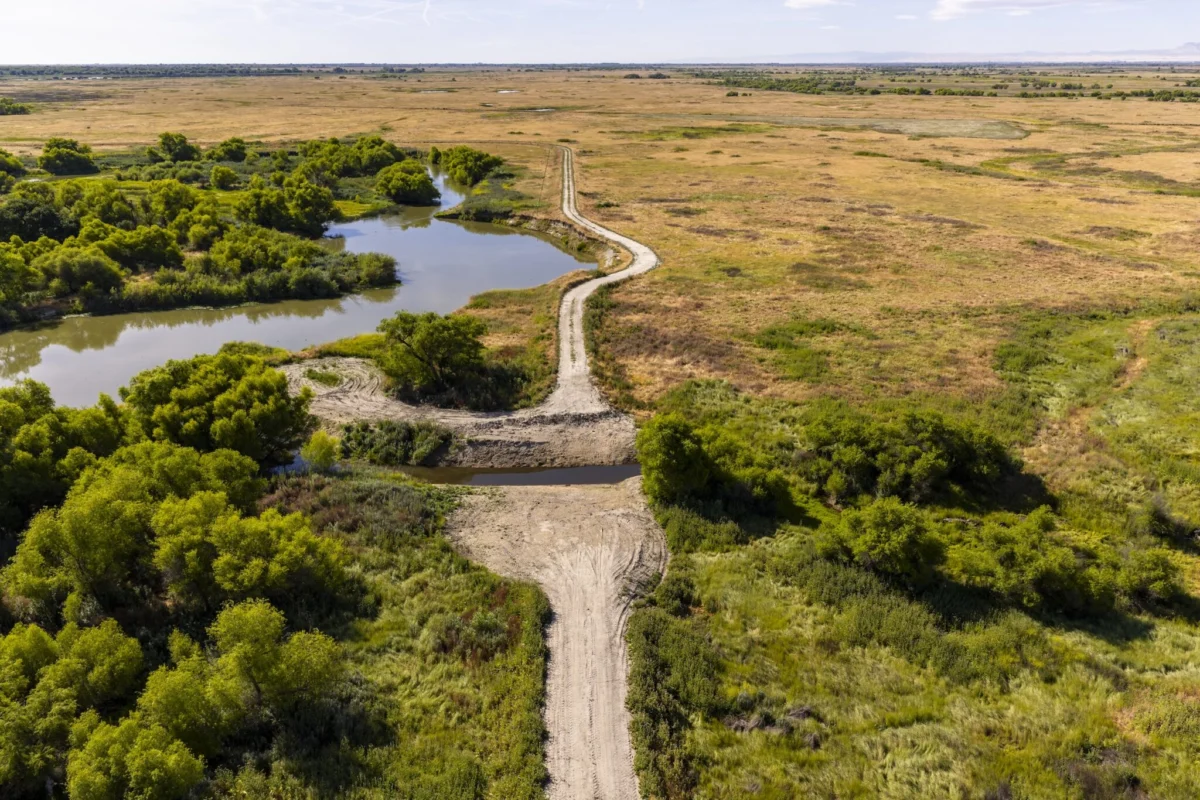
The current status of American waterways is a paradox of beauty and vulnerability. From the majestic, free-flowing streams of the West to the historic, winding rivers of the East, these corridors of life are under constant threat from pollution, climate change, and habitat fragmentation.
The Wild and Scenic Rivers Act, signed into law in 1968, remains the gold standard for river protection in the United States. It recognizes that certain rivers possess “outstandingly remarkable values” that must be preserved for future generations. Despite its successes, only a fraction of the nation’s river miles enjoy this level of protection. With World Nature Conservation Day serving as a global reminder of our duty to the planet, the time for advocacy is now.
Five Pillars of River Conservation
1. Strengthening the Legal Framework: The Wild and Scenic Petition
Legislative protection is the most robust tool available for long-term river preservation. By signing the petition to expand the Wild and Scenic Rivers Act, citizens send a clear, unified message to Congress that the protection of natural flow and ecosystem integrity is a national priority.
- Why it matters: A Wild and Scenic designation does more than just protect water quality; it safeguards the cultural, recreational, and scenic significance of the river. It prevents industrial encroachment and ensures that these waterways remain free-flowing, which is critical for migratory fish species and riparian health.
2. Data-Driven Stewardship: The Protected Rivers Explorer
Information is the precursor to effective action. For decades, the lack of centralized data has hampered local conservation efforts. American Rivers has introduced the Protected Rivers Explorer, a groundbreaking, science-based digital tool that allows users to visualize the health and protection status of rivers in their own backyards.
- The Science: By aggregating geospatial data, the Explorer highlights the stark reality that 80% of U.S. rivers currently lack adequate protection.
- Engagement: By identifying which rivers in your region are at risk, you can move from general concern to targeted advocacy, focusing your energy where it is needed most.
3. Mobilizing the Grassroots: The Action Center
Individual voices, when amplified through collective action, possess the power to shift policy. Last year alone, the American Rivers community facilitated over 30,000 communications to elected officials.
- The Mechanism: Through the Action Center, citizens can quickly navigate the complexities of federal and state-level environmental policy, sending pre-verified, impactful messages to decision-makers. This streamlined approach ensures that environmental advocacy remains accessible, regardless of one’s background in policy or law.
4. Conservation at Home: Small Changes, Large Impacts
The health of a river often begins with the decisions made in the kitchen and the garden. Water conservation is not just about utility bills; it is about reducing the burden on our local watersheds.
- Strategic Conservation:
- Fixing Leaks: A single leaking faucet can waste thousands of gallons per year.
- Behavioral Shifts: Turning off the faucet while brushing teeth or running the dishwasher only when full reduces the total demand on municipal water treatment facilities, which in turn reduces the volume of wastewater that must be managed and the chemicals required for treatment.
- The Ripple Effect: When these habits are adopted by millions, the cumulative reduction in water demand alleviates stress on rivers during drought cycles, ensuring that more water remains in the environment to support aquatic life.
5. Institutional Support: Becoming a Member
Conservation work requires sustained resources. By becoming a member of organizations like American Rivers, individuals provide the financial backbone necessary to conduct restoration projects, legal challenges, and educational outreach. Membership is more than a donation; it is a declaration of partnership in a movement that views clean water as a fundamental human right.
Chronology of the Conservation Movement
To understand the current urgency, one must look at the evolution of river protection in the United States:
- 1968: The Wild and Scenic Rivers Act is enacted, marking a turning point in federal environmental policy.
- 1972: The Clean Water Act is passed, establishing the basic structure for regulating pollutant discharges into the waters of the United States.
- Early 2000s: A shift toward "river restoration" occurs, focusing not just on preventing pollution, but on removing obsolete dams and restoring natural floodplains.
- 2026: We now operate in an era where climate-induced extremes—floods and droughts—require a new, more adaptive approach to river management.
Supporting Data: The 80% Reality
The statistic that 80% of U.S. rivers lack adequate protection is not just a figure; it is a warning. This data, derived from comprehensive biological and hydrological assessments, suggests that the majority of our river miles are subject to runoff from agriculture, industrial waste, and suburban sprawl.
Without targeted interventions—such as riparian buffer zones, dam removals, and the expansion of the Wild and Scenic network—these waterways are at risk of permanent degradation. The Protected Rivers Explorer tool serves as the primary instrument for tracking this metric, providing a transparent view of which states are succeeding and which are falling behind in their conservation goals.
Official Responses and Strategic Implications
Environmental agencies and legislative bodies have noted the increasing public pressure for stronger protections. In recent hearings, advocates have emphasized that the economic value of healthy rivers—ranging from outdoor recreation to water security for agriculture—far outweighs the short-term gains of deregulation.
The Implications of Inaction
If we fail to protect our rivers, the implications are profound:
- Water Scarcity: As groundwater levels drop, rivers become the primary source of drinking water. If these are polluted or diverted, municipal systems face catastrophic failure.
- Loss of Biodiversity: Rivers are the most biodiverse ecosystems on earth. Fragmentation leads to the collapse of local food webs.
- Economic Cost: Restoring a dead river is infinitely more expensive than protecting a healthy one.
A Shared Future
As we approach July 28, it is important to remember that healthy rivers are not a luxury—they are a necessity for all. The movement to protect these waterways is inclusive, demanding participation from every demographic.
Whether you choose to sign a petition, use the Explorer tool to map your local watershed, or simply modify your water usage at home, your contribution is part of a larger, essential effort. We are the stewards of this generation’s natural legacy. By speaking up, staying informed, and acting decisively, we ensure that the rivers of the future remain as vibrant, clear, and life-giving as they were meant to be.
Take the first step today. Visit the American Rivers Action Center, explore your local waterways, and commit to the cause of conservation.