When you turn on your tap in cities as diverse as Salt Lake City, Los Angeles, or the quiet towns of West Virginia and Vermont, you are often accessing water that began its journey high in the remote, pristine reaches of a National Forest. This is no accident. Since the Organic Administration Act of 1897, the primary mission of our National Forest System has been the protection of water flows and the securing of favorable conditions for water quality.
For over a century, these forests have acted as the nation’s natural water towers. However, that legacy is now under existential threat. The U.S. Department of Agriculture (USDA) is currently pursuing a policy shift that would effectively dismantle the 2001 Roadless Area Conservation Rule—a move environmentalists and water policy experts are calling the most significant rollback of river protections in American history.
The Foundation: A Century of Protection
The 2001 Roadless Rule was established after years of intense public discourse, characterized by hundreds of town hall meetings and an outpouring of 1.6 million public comments. The resulting policy protected 58.5 million acres—nearly one-third of the entire National Forest System—from the sprawl of new road construction and commercial logging.
Crucially, the rule did not close existing roads or trails, nor did it hinder wildfire suppression or forest health initiatives. Instead, it served as a vital backstop, ensuring that the "backcountry" character of our most sensitive watersheds remained intact. These Inventoried Roadless Areas (IRAs) act as the bedrock of our national water infrastructure, safeguarding 80,000 miles of rivers and streams that provide drinking water to 25 million Americans and serve as the final strongholds for native trout and critical wildlife species.
A Chronology of the Current Crisis
The current threat to these landscapes began in earnest last year, when U.S. Agriculture Secretary Brooke Rollins announced the USDA’s intent to rescind the 2001 rule. The process moved quickly, with the Forest Service initiating a formal review in August 2025. Despite a massive public outcry—where nearly 600,000 comments were submitted in a short window—the agency pushed forward.
By August of this year, the USDA released a 333-page draft Environmental Impact Statement (EIS). While the document offered a "middle-ground" alternative that would preserve protections on roughly 13 million acres, the agency signaled a clear preference for a full repeal of the rule. This would strip federal protections from 44.7 million acres of public land, including the ecologically vital Tongass National Forest in Alaska.
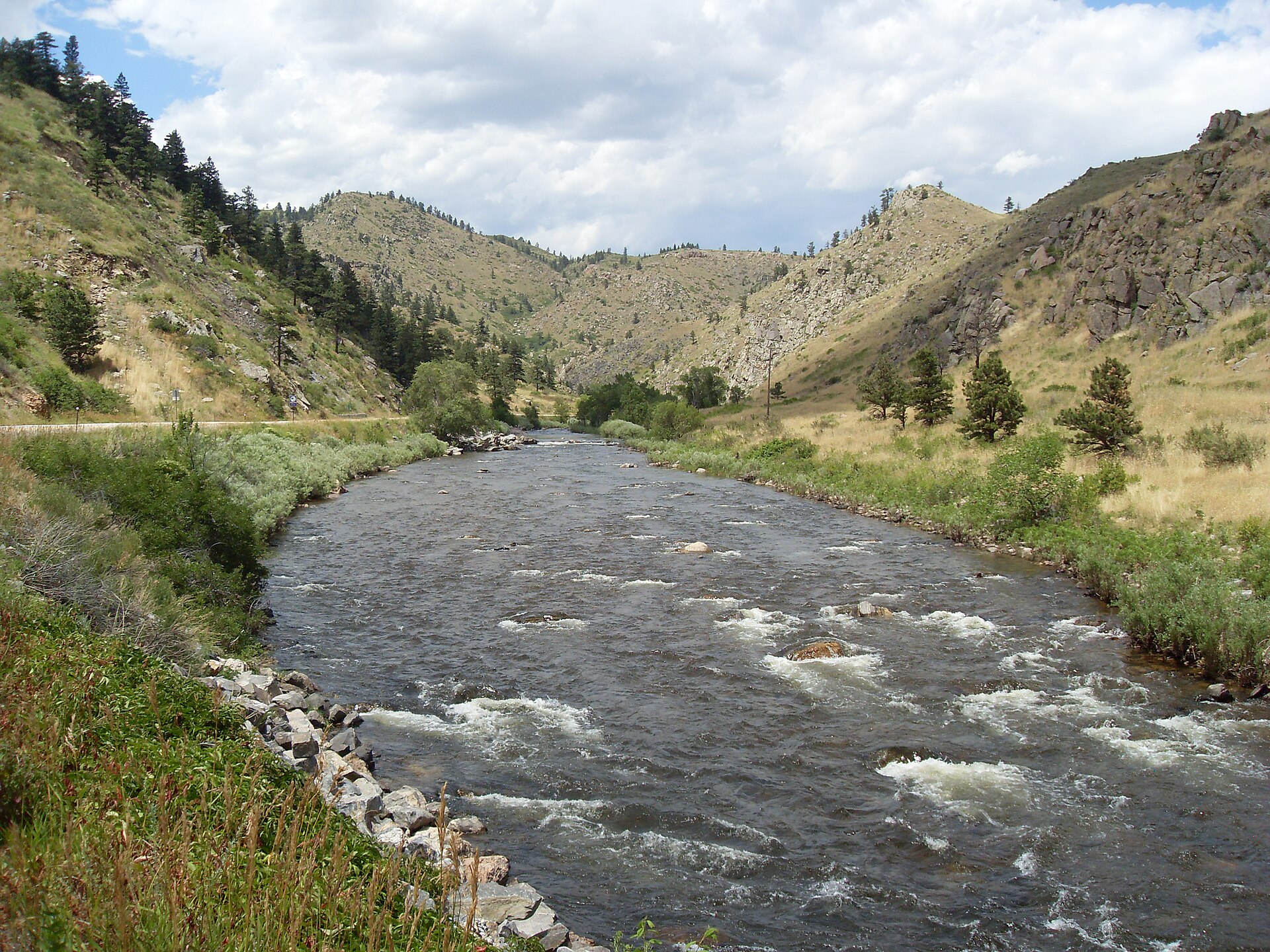
Following a brief extension granted after intense pressure from conservation groups, the final public comment period closed on October 6. In total, over 1 million Americans weighed in, once again signaling that the public—the ultimate owners of these lands—remains firmly in favor of maintaining the status quo.
The Science of Watershed Integrity: Supporting Data
The argument for the Roadless Rule is rooted in hydrology and economics. A landmark study published this past July in PLOS Water, led by Dr. Julian Olden of the University of Washington, provides the scientific backbone for why these areas are irreplaceable.
The study confirms that roadless areas are the primary source of clean, low-sediment water for millions. Roads, by contrast, are the single largest source of sediment in forested watersheds. When roads are carved into these pristine environments, they trigger a cascade of ecological failures:
- Sediment Loading: Roads cause erosion that clouds water, fills reservoirs, and smothers the spawning beds of salmon and trout.
- Economic Costs: Increased sediment requires more intensive, expensive water treatment. For municipalities, a healthy, intact forest is the most cost-effective water filter nature can provide.
- Habitat Fragmentation: Road construction slices through wildlife corridors, pushing native species toward the brink of displacement.
The Forest Service’s own data underscores a troubling reality regarding infrastructure maintenance: the agency currently faces a massive backlog, receiving less than 20 percent of the funding required to maintain the 371,000 miles of existing roads already crisscrossing the National Forest System—a network seven-and-a-half times longer than the entire U.S. Federal Highway System.
The Wildfire Paradox
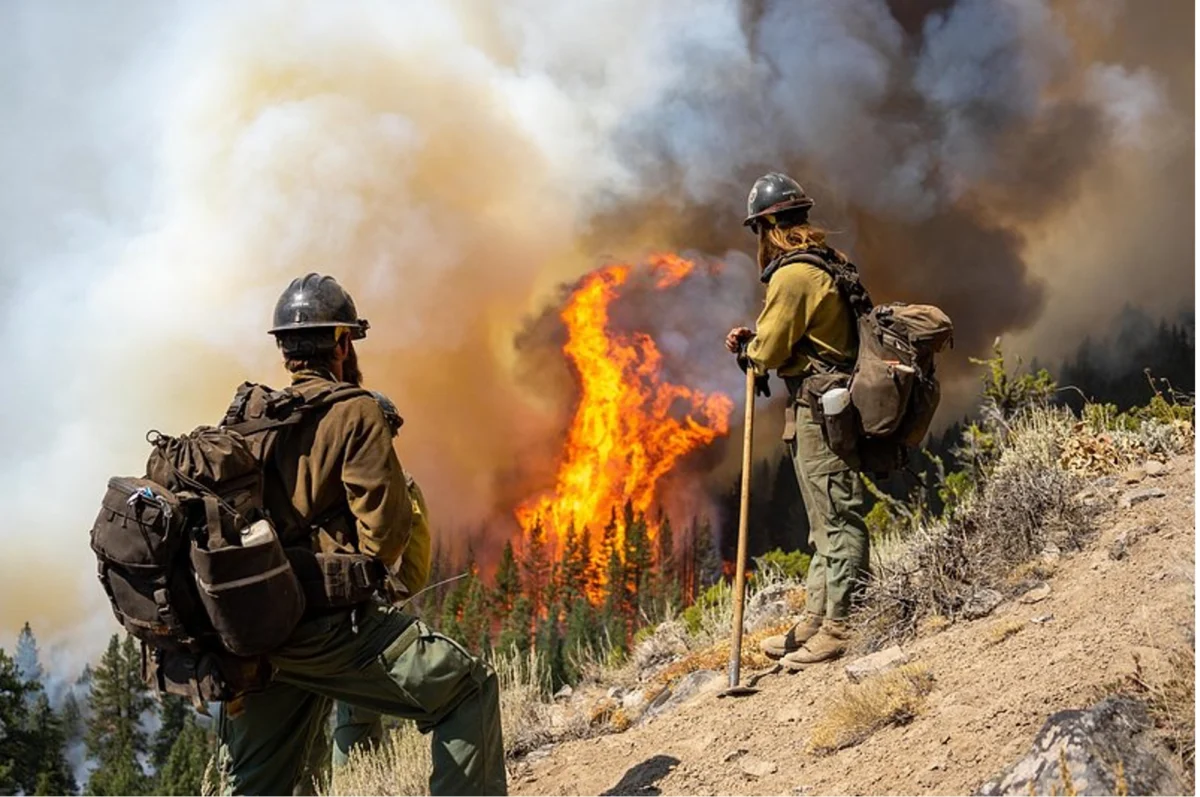
The USDA’s primary justification for repealing the Roadless Rule is the mitigation of wildfire risk. However, data suggests that the proposed solution may actually exacerbate the problem.
Research consistently demonstrates that human-caused wildfires are four times as likely to occur in roaded areas compared to roadless areas. More than 90 percent of all wildfires start within half a mile of a road—a direct result of increased human access, vehicles, and equipment sparks. By expanding the road network into currently inaccessible backcountry, the USDA risks increasing the frequency and reach of fire ignitions.
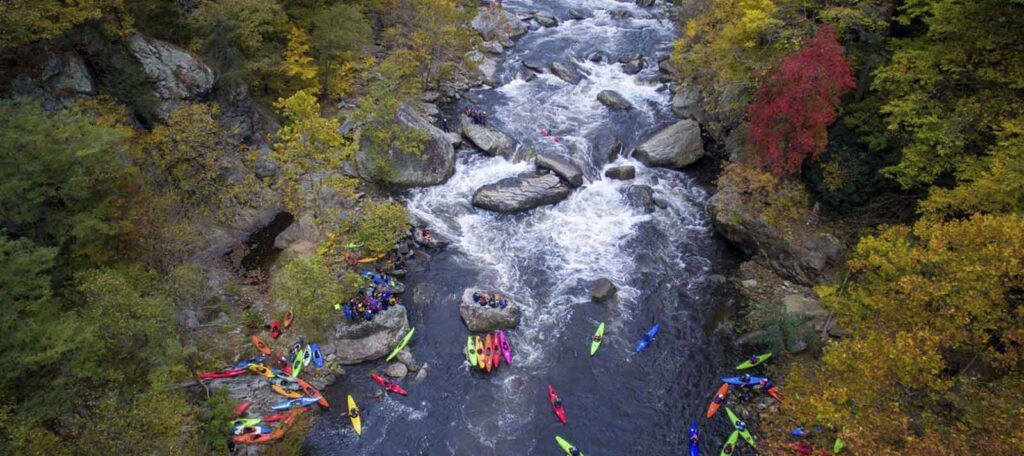
In contrast, healthy, roadless watersheds serve as a natural firebreak. They act as "sponges" that absorb rainfall, maintaining soil moisture and buffering downstream communities against both the flames of wildfire and the subsequent threat of post-fire flooding.
Official Responses: A United Front from Water Utilities
Perhaps the most compelling opposition to the repeal comes not from environmental activists, but from the organizations tasked with delivering water to the American public. The Association of Metropolitan Water Agencies (AMWA)—which represents systems serving over 160 million people—has been unequivocal in its opposition.
In a formal letter to Secretary Rollins, the AMWA and other major entities, such as the Arizona Municipal Water Users Association, urged the USDA to abandon the repeal, explicitly requesting the selection of "Alternative 1," the "No Action" alternative that would keep the 2001 rule intact.
Local governments are also sounding the alarm. In September, the City Council of Walla Walla, Washington, voted unanimously to oppose the repeal. They noted that their municipal water supply, drawn from the Mill Creek watershed in the Umatilla National Forest, would be directly threatened by the increased erosion and wildfire risk that accompanies logging and road construction. For these utilities, the math is simple: it is significantly cheaper to protect high-quality source water at its headwaters than it is to build and maintain advanced filtration plants to treat degraded water downstream.
Implications for the Future
If the repeal proceeds, the consequences will be felt for generations. We stand at a crossroads regarding how we value public lands. Are they merely storehouses for raw materials, or are they essential components of our public health infrastructure?
The loss of 44.7 million acres of protected status would not only degrade the water supply for millions of people but would also eliminate half a million days of hunting and fishing annually, activities that rely on the existence of wild, undeveloped spaces.

As the USDA deliberates its next steps, the public remains the ultimate arbiter of these lands. The Roadless Rule has persisted for 25 years specifically because the public has consistently defended it as a vital national asset.
What You Can Do
The fight for our rivers is not a distant policy issue; it is a fight for the quality of the water in your own home. To ensure that these protections remain, concerned citizens are urged to:
- Contact Your Representatives: Urge members of Congress to cosponsor the Roadless Area Conservation Act to codify these protections into law, removing them from the whims of departmental administrative changes.
- Understand Your Watershed: Utilize online mapping tools—such as those provided by American Rivers—to discover if your drinking water originates from a protected Roadless Area.
- Stay Informed: Engage with local water utility boards and municipal councils to ensure they understand the stakes of this federal rollback and are empowered to voice their opposition.
Over a century ago, the American public made a collective decision that our National Forests should serve as the guardians of our water. Today, that promise is being tested. Protecting our headwaters is not just an environmental imperative; it is a foundational necessity for the future of American public health and water security. The rivers that sustain us deserve no less than the protection we have given them for the last quarter-century.