BOULDER, Colo. – In a move that signals a seismic shift in the landscape of action sports, X Games has officially unveiled the schedule for the inaugural MoonPay X Games League (XGL) Winter Season. The announcement, made on September 14, 2026, marks the next phase of the organization’s ambitious transition from a series of standalone events into a year-round, team-based competitive circuit.
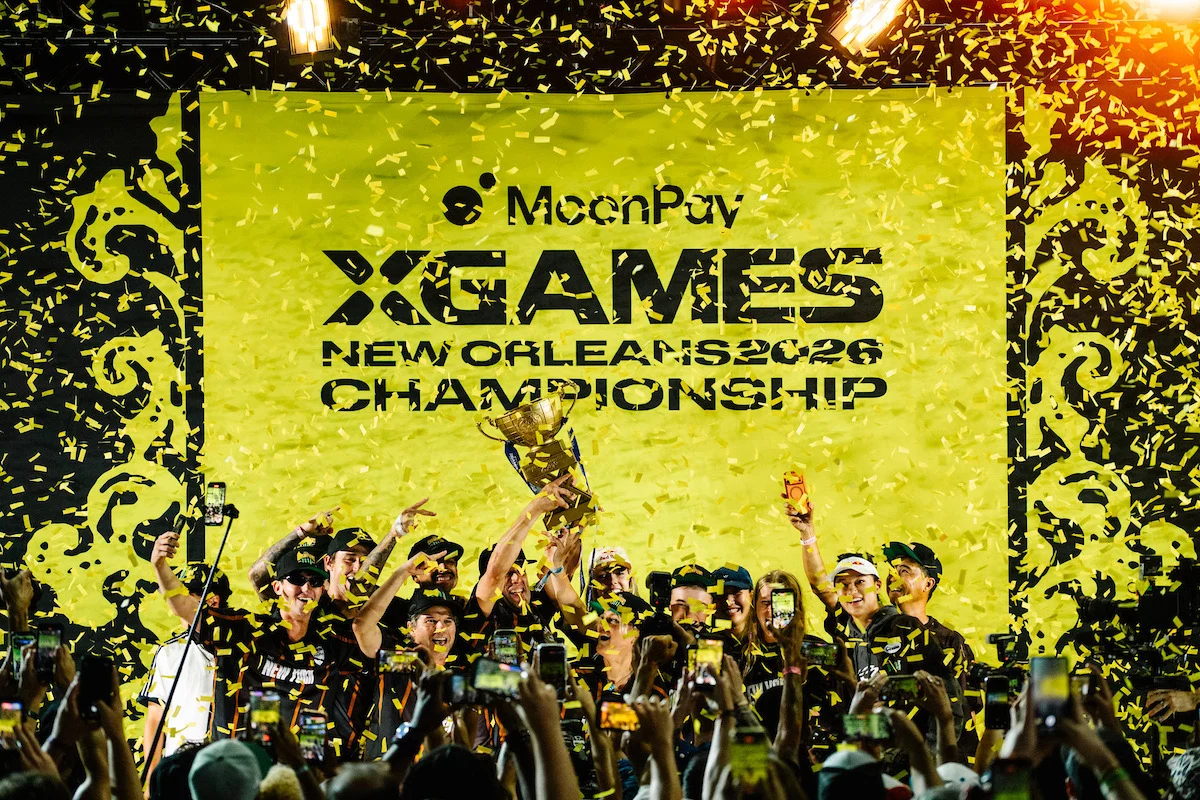
Following the successful—and nail-biting—debut of the XGL Summer Season, which saw XC New York narrowly edge out XC Tokyo for the inaugural title, the league is set to bring that same high-stakes, club-based intensity to the snow. Beginning in January 2027, the world’s most elite skiers and snowboarders will trade individual pursuit for collective glory, representing four dedicated X Games Clubs across three iconic international stages.
The Three-Stop Odyssey: A New Calendar for Action Sports
The XGL Winter Season is designed to test the versatility and endurance of athletes, taking them from the historic peaks of the Rockies to the legendary slopes of the Finnish Arctic.
Aspen, Colorado: The Foundation (January 29–31, 2027)
The season kicks off at Buttermilk in Aspen, a location synonymous with the history of winter X Games. However, the 2027 iteration will feel fundamentally different. Rather than athletes vying strictly for individual gold, every trick, jump, and rail slide will contribute to their respective club’s season standing. The atmosphere will be electrified by a dual-stage approach: elite competition by day, and a festival-style concert series by night, featuring performances by ZHU on Friday and global superstar Marshmello on Saturday.
Calgary, Alberta: The Great North Debut (February 19–21, 2027)
The league then moves to Canada, marking the first time X Games will host a competition in the Great White North. WinSport’s Canada Olympic Park will serve as the venue, providing a world-class infrastructure for the second leg of the championship race. As the points gap between the four clubs begins to widen, the pressure will mount. The Calgary stop will feature Levity on Friday and the legendary Steve Aoki on Saturday, ensuring the energy remains high off the mountain as well.
Ruka, Finland: The Arctic Finale (April 9–11, 2027)
The season culminates in the Arctic Circle at Ruka Ski Resort. Known for its rigorous conditions and status as a premier international training ground, Ruka is the perfect stage for the crowning of the first-ever XGL Winter Champions. The championship event will conclude with an atmosphere of high-stakes drama, punctuated by a Saturday night performance from the acclaimed electronic duo Adriatique.
The Club-Based Format: Rewriting the Rules of Engagement
At the core of the XGL transformation is the introduction of four distinct clubs: XC Golden State, XC New York, XC Park City, and XC Whistler. This structure is a radical departure from the traditional action sports model, where athletes have historically operated as independent contractors.
Understanding the League Structure
In the XGL, the "win" is a multi-layered concept. While individual progression remains at the heart of the X Games DNA, athletes now compete under a collective banner. Every podium finish, heat victory, and consistent performance earns points for the club. This system ensures that the championship race remains relevant until the final day of the season.
The strategy behind the league is to foster deep-rooted rivalries and fan engagement that transcends a single weekend. By attaching a geographic identity to the clubs, the X Games is betting that fans will develop the same long-term loyalty toward their local or preferred X Games Club as they do for teams in the NFL or the English Premier League.
The Draft and the Roster Build
The tactical assembly of these teams begins on September 16, 2026, at Cosm in Los Angeles. General Managers have been tasked with the monumental job of curating rosters from a pool of over 180 of the world’s elite ski and snowboard athletes.
- XC Golden State: Led by Jonny Moseley
- XC New York: Led by Dave Sypniewski
- XC Park City: Led by Sharalee “Haze” Hazen
- XC Whistler: Led by Ryan Stutt
Each club will select five men and five women, creating a 10-person roster designed to maximize performance across all disciplines. The draft process represents a massive investment in the sustainability of the athletes’ careers, as the league model offers a new financial ecosystem that complements traditional prize purses.
Official Perspectives: A Vision for the Future
The shift to a league format is not merely a change in competition; it is an economic and cultural evolution of the sport. Jeremy Bloom, CEO of X Games, emphasized that this structure was necessary to bring action sports into a new era of professional legitimacy.
"The league gives every X Games result meaning beyond the individual athlete and a single weekend," Bloom said in a statement. "Every performance now scores points for a club, building rivalries and a championship race across the entire season. Aspen, Calgary, and Ruka give us three incredible stages to bring that vision to life."
This sentiment is echoed by the stakeholders at MSP Sports Capital, the private equity firm behind the X Games revival. By applying the principles of major league professional sports to the world of extreme athletics, MSP is positioning the X Games to capture a broader, more consistent audience. The goal is to move beyond "event-based" fandom—where a viewer watches once a year—to "seasonal" fandom, where the narrative of the championship race creates a compelling, months-long story arc.
Implications for the Industry
The launch of the XGL Winter Season carries several implications for the future of action sports:
1. Increased Athlete Compensation
Perhaps the most significant impact is on the athletes themselves. The traditional model often left athletes reliant on sponsorships and sporadic prize money. The XGL’s team-based model introduces a new layer of financial stability, allowing for multi-year contracts and team-based incentives, which can provide a much-needed safety net for athletes whose careers are inherently high-risk.
2. Global Expansion and Regional Roots
By placing events in Finland and Canada, X Games is asserting its dominance as a truly global brand. However, the, focus remains on regional identification. XC Whistler, for example, is positioned to capture the massive, passionate winter sports community in British Columbia, while XC New York bridges the gap between urban culture and mountain performance. This regional identity is key to attracting local sponsors and deepening the connection with fans who may not have previously felt a direct tie to the X Games brand.
3. Media and Broadcasting
With the integration of ESPN, ABC, Disney+, and newer platforms like the Roku Sports Channel and Kick, the league is utilizing a diverse media strategy to reach audiences across all demographics. This multi-platform approach is essential for a league that seeks to blend high-intensity sports with the digital-native culture of modern music and entertainment.
A New Era of Competition
As the calendar turns toward January 2027, the industry will be watching closely. The success of the XGL Summer Season proved that the appetite for structured, team-based action sports is high. If the Winter Season can replicate that success—balancing the individual, adrenaline-fueled creativity that defines the X Games with the strategic, championship-chase narrative of a major sports league—it will effectively rewrite the blueprint for how action sports are perceived and consumed globally.
The tickets are already in high demand, and the draft is just days away. For the world’s best skiers and snowboarders, the mission is clear: it’s no longer just about the individual gold medal; it’s about the points, the club, and the championship.
For more information on the upcoming season, athlete rosters, and to purchase tickets, visit xgames.com.