Main Facts: A Season of Transition on the River
As the spring runoff subsides and the long, sun-drenched days of a Montana summer take hold, the Clark Fork River has settled into its most inviting phase of the year. For the professional team at Montana River Guides, this shift in the calendar marks a transition from the rigorous, technical training of swiftwater rescue courses to the peak season for recreational rafting and kayaking.
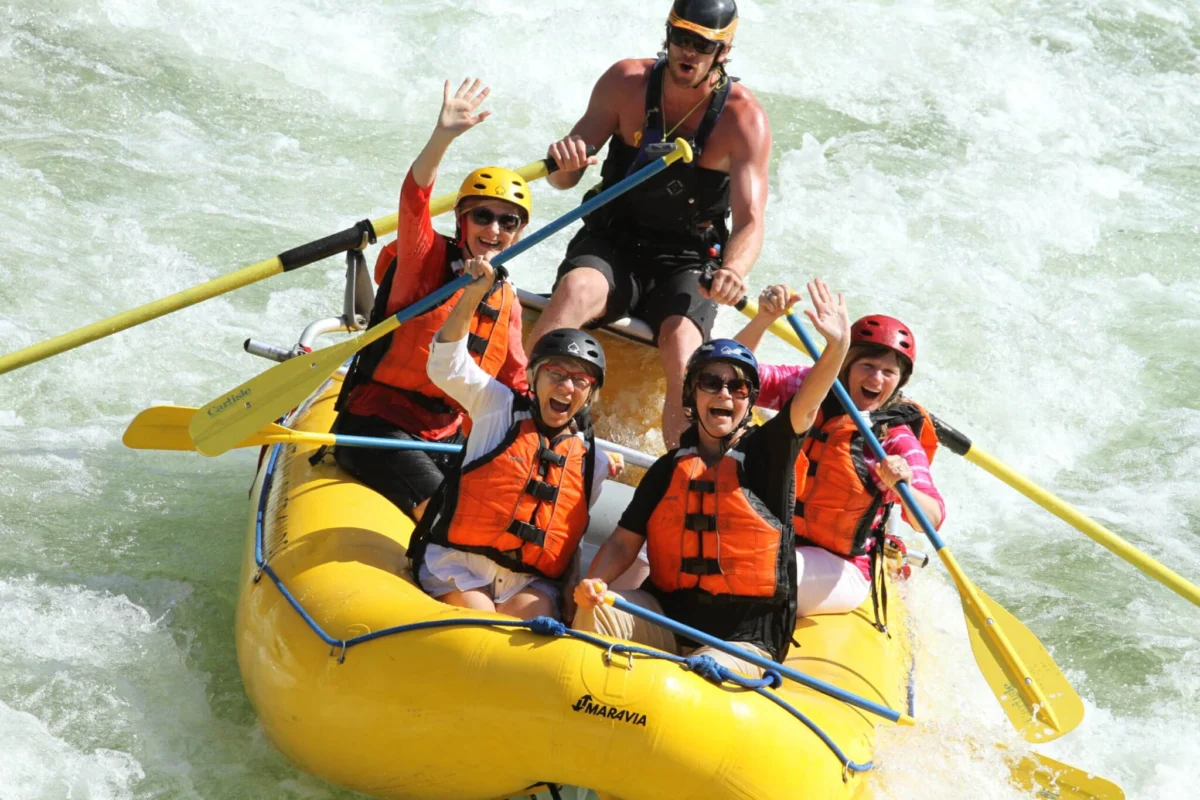
The Alberton Gorge, widely regarded as the crown jewel of whitewater near Missoula, is currently flowing at an optimal 4,000 cubic feet per second (CFS). This volume provides a "Goldilocks" scenario for river enthusiasts: the water is warm enough for comfort, yet the current remains powerful enough to offer the thrill of Class II and III rapids. While the Gorge is world-renowned for its adrenaline-inducing drops, the current mid-summer levels have created a unique balance, making it an ideal destination for both families seeking a scenic float and experienced paddlers looking to sharpen their skills.
Chronology: From Rescue Training to Recreational Peaks
The operational calendar for Montana River Guides is a reflection of the river’s natural rhythm. The season begins in the early spring, when snowmelt creates high-stakes, high-volume conditions that necessitate intensive swiftwater rescue training.
Phase I: The Training Season
Throughout the spring, the focus is exclusively on education. Swiftwater rescue is a specialized discipline that requires mastering the physics of moving water, rope rescue systems, and team-based safety protocols. These courses are not merely for enthusiasts; they are essential training for professional guides, first responders, and environmental technicians. By wrapping up these intensive sessions, the company signals the transition from "work-ready" training to "recreation-ready" operations.
Phase II: The Peak Summer Season
With the transition to summer, the focus shifts to the daily guided excursions that define the Missoula rafting experience. The Alberton Gorge, which serves as the primary classroom and playground for these guides, undergoes a transformation as the water levels drop. In early summer, the river is a roaring corridor of power; by mid-summer, it reveals its character through emerging rock formations and the technical lines that make the Gorge a premier destination.
Phase III: The Late Summer Specialized Courses
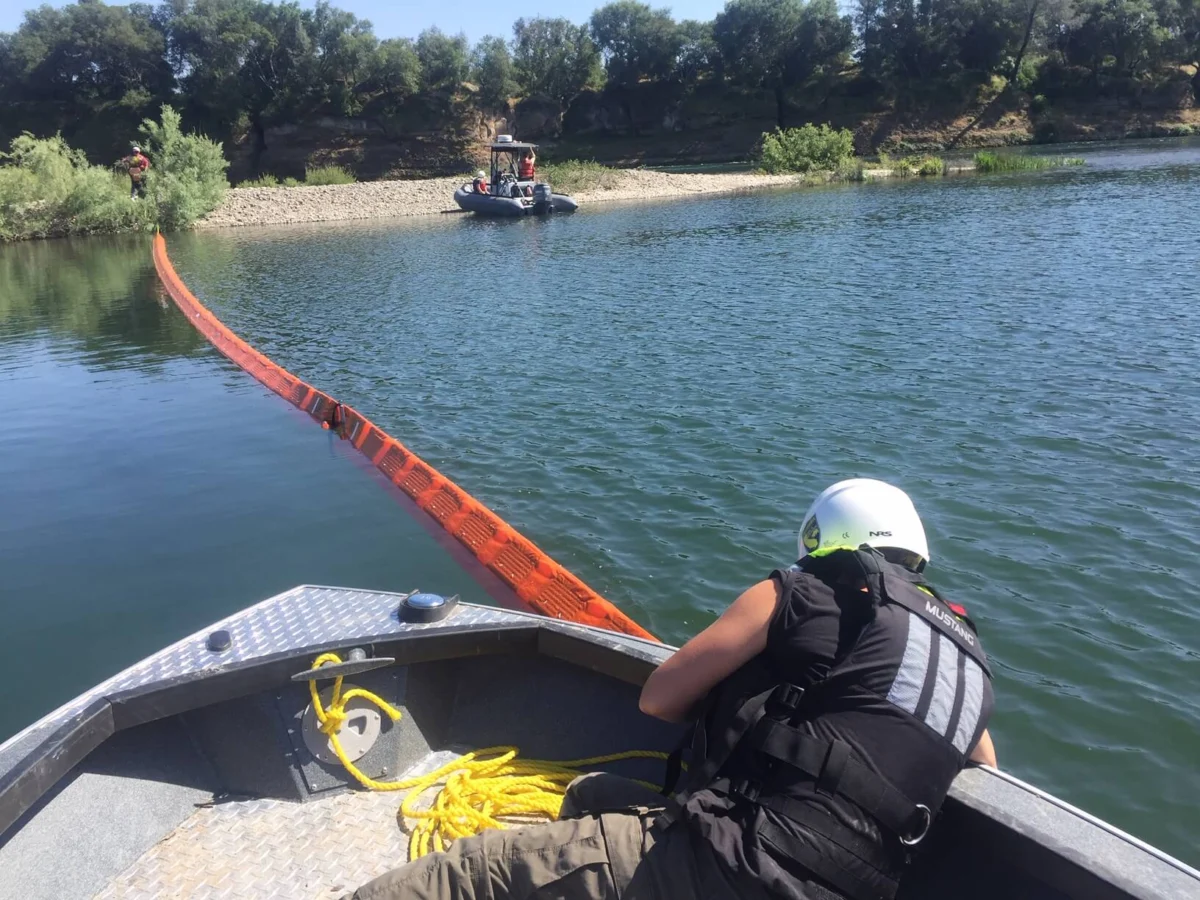
Looking ahead, Montana River Guides is preparing for a return to its educational roots in late summer. The company has announced a series of specialized "Swiftwater Spill Response" classes. This unique curriculum bridges the gap between traditional river rescue and environmental protection, teaching participants how to safely deploy containment equipment in wastewater and high-flow river environments.
Supporting Data: Understanding the Alberton Gorge
To appreciate the current conditions, one must look at the data provided by the gauges on the Clark Fork. At 4,000 CFS, the Alberton Gorge is operating in what many local guides consider the "sweet spot."
The Anatomy of the Rapids
The Gorge is characterized by a series of distinct features that change personality based on flow. At current levels, iconic rapids like "Tumbleweed" and "Fang" retain enough volume to challenge experienced rafters while remaining manageable for novices under the guidance of professional captains.
- Tumbleweed: At 4,000 CFS, this rapid provides a perfect introduction to the wave trains of the Gorge, offering a balance of excitement and stability.
- The Upper Gorge: As the water level recedes, the river reveals its rocky bed. This emergence of new obstacles requires more precise navigation, turning a simple float into a lesson in reading water—an essential skill for any aspiring paddler.
Environmental Stewardship
The move toward Swiftwater Spill Response training is a strategic response to the increasing need for environmental protection in the Intermountain West. As human activity near waterways increases, the ability to contain potential spills—whether from transit accidents, infrastructure failures, or industrial runoff—becomes a critical component of regional safety. These classes utilize the moving water of the Clark Fork as a laboratory, ensuring that trainees are prepared to handle the realities of spill containment in a fluid, high-pressure environment.
Official Responses and Professional Perspectives
The leadership at Montana River Guides emphasizes that the primary mission remains safety, whether they are navigating a tourist raft through the Gorge or training a professional in spill response protocols.
"We are constantly monitoring the river," says a spokesperson for the organization. "The safety of our guests and the integrity of our training programs are built on our deep familiarity with the Clark Fork. When we say the conditions are perfect for family rafting, it’s based on years of experience navigating these specific levels. When we teach spill response, we are applying that same respect for the water’s power to a professional, environmental imperative."
The guides emphasize that while the river is "friendly" in its current summer state, the nature of moving water is inherently unpredictable. They advocate for a culture of "watchful eyes"—the practice of keeping a close check on fellow paddlers, wearing the appropriate personal protective equipment (PPE), and understanding the limitations of one’s own skill set.
Implications: The Future of River Culture in Missoula
The transition from recreational rafting to specialized environmental training carries broader implications for the region. As Missoula continues to grow, the Clark Fork River serves as the city’s lifeblood. The activities on the Alberton Gorge are not just leisure; they represent a significant economic and educational sector for Western Montana.
The Economic Impact
Guided rafting and kayaking tours contribute significantly to the local economy, attracting thousands of visitors who stay in Missoula, dine in its restaurants, and participate in the local tourism ecosystem. By offering a range of services—from family-friendly scenic tours to high-octane whitewater runs—Montana River Guides helps ensure that the river remains accessible to a wide demographic, thereby securing the economic viability of the river corridor.
The Safety and Environmental Legacy
The decision to incorporate Swiftwater Spill Response into the late-summer curriculum is a forward-thinking move. By training individuals to handle environmental crises, the company is effectively creating a local cadre of experts prepared for potential emergencies. This is a vital service in a state where rivers are not just recreational assets but essential natural resources that support agriculture, wildlife, and municipal water supplies.
A Call for Continued Vigilance
As the season progresses, the call to action for the public is clear: enjoy the river, respect its power, and stay educated. For those interested in the water, whether as a passenger on a raft or as a student of rescue techniques, the resources are available to ensure that time spent on the Clark Fork is both safe and transformative.
The upcoming swiftwater spill response classes, in particular, highlight a growing intersection between adventure sports and professional public safety. As more individuals seek to understand the complexities of our river systems, the knowledge gained from these sessions will contribute to a more resilient and informed community.
Conclusion: A Season of Growth
The summer of 2024 is shaping up to be a hallmark season for the Clark Fork. With the Alberton Gorge providing a perfect backdrop for discovery, and with the professional community continuing to prioritize both safety and advanced environmental training, the river remains in good hands.
Whether you are seeking the thrill of the Fang rapid, the serenity of a scenic kayak tour, or the technical knowledge required to manage environmental hazards, the Clark Fork offers a curriculum for everyone. As the season rolls on, the message from the guides remains simple: stay safe, keep an eye on your fellow paddlers, and don’t miss the chance to experience the best of what Missoula’s river culture has to offer. For those looking to join the fun or the training, the gates are open, the water is at the perfect level, and the river is waiting.