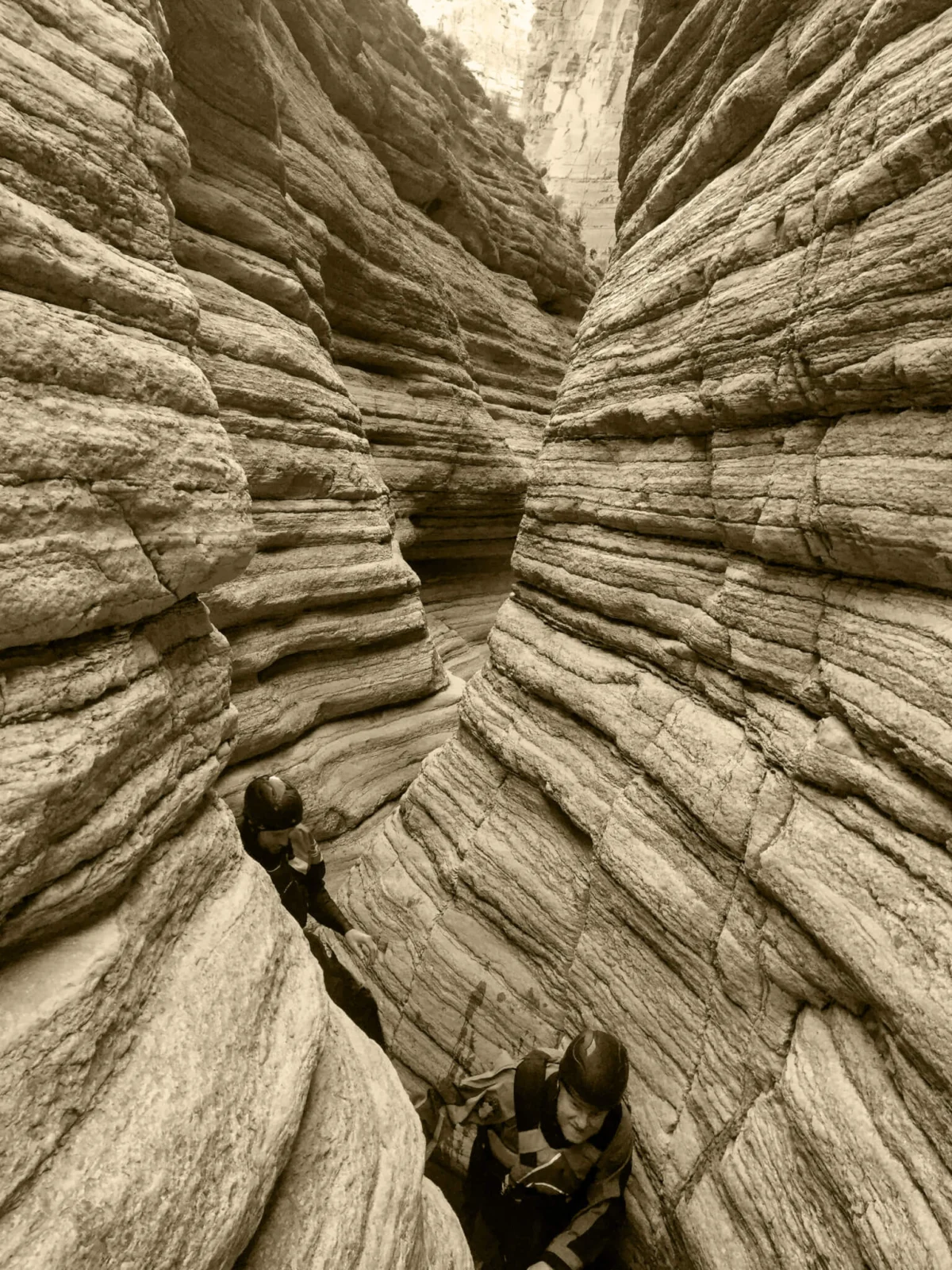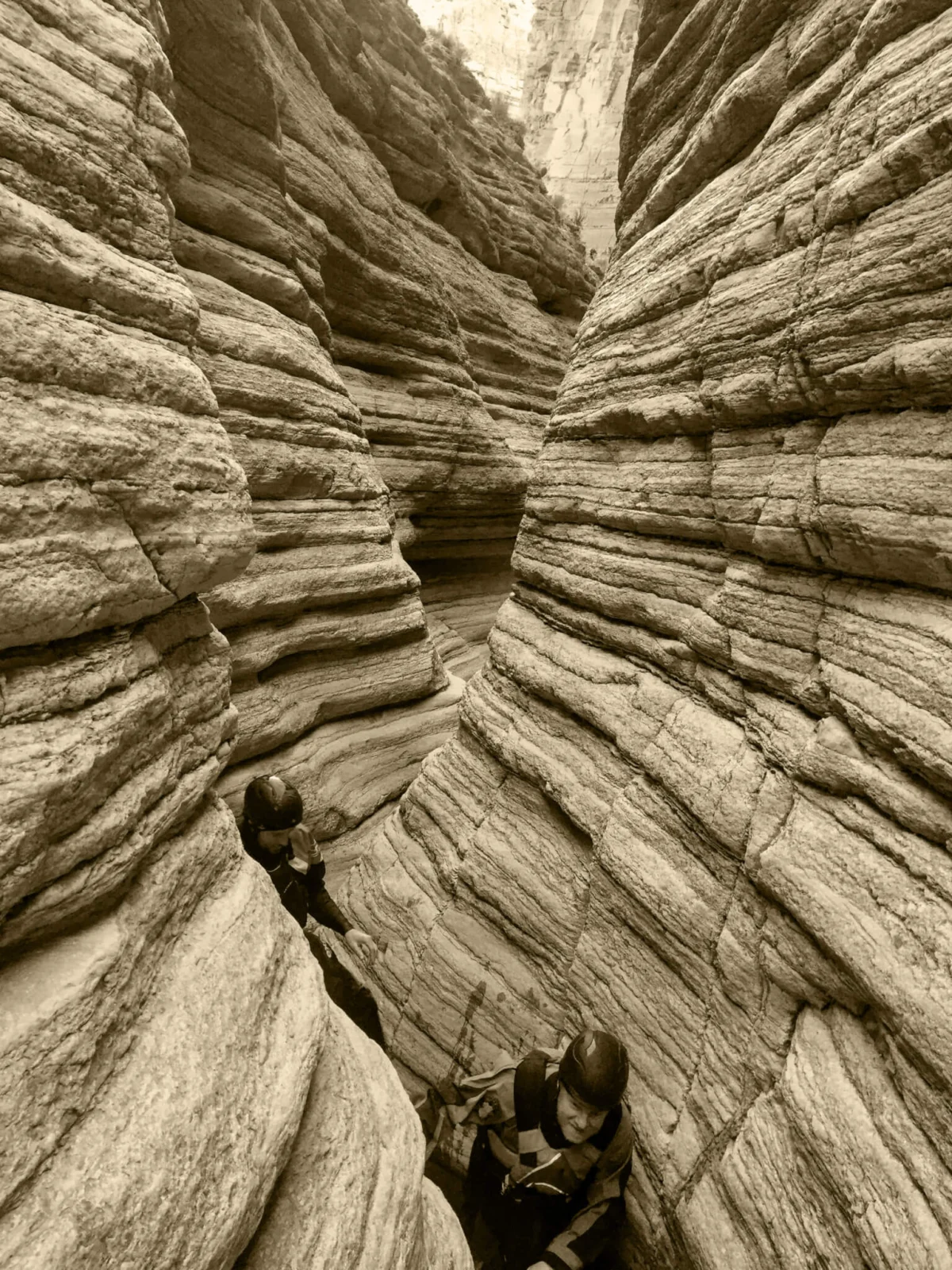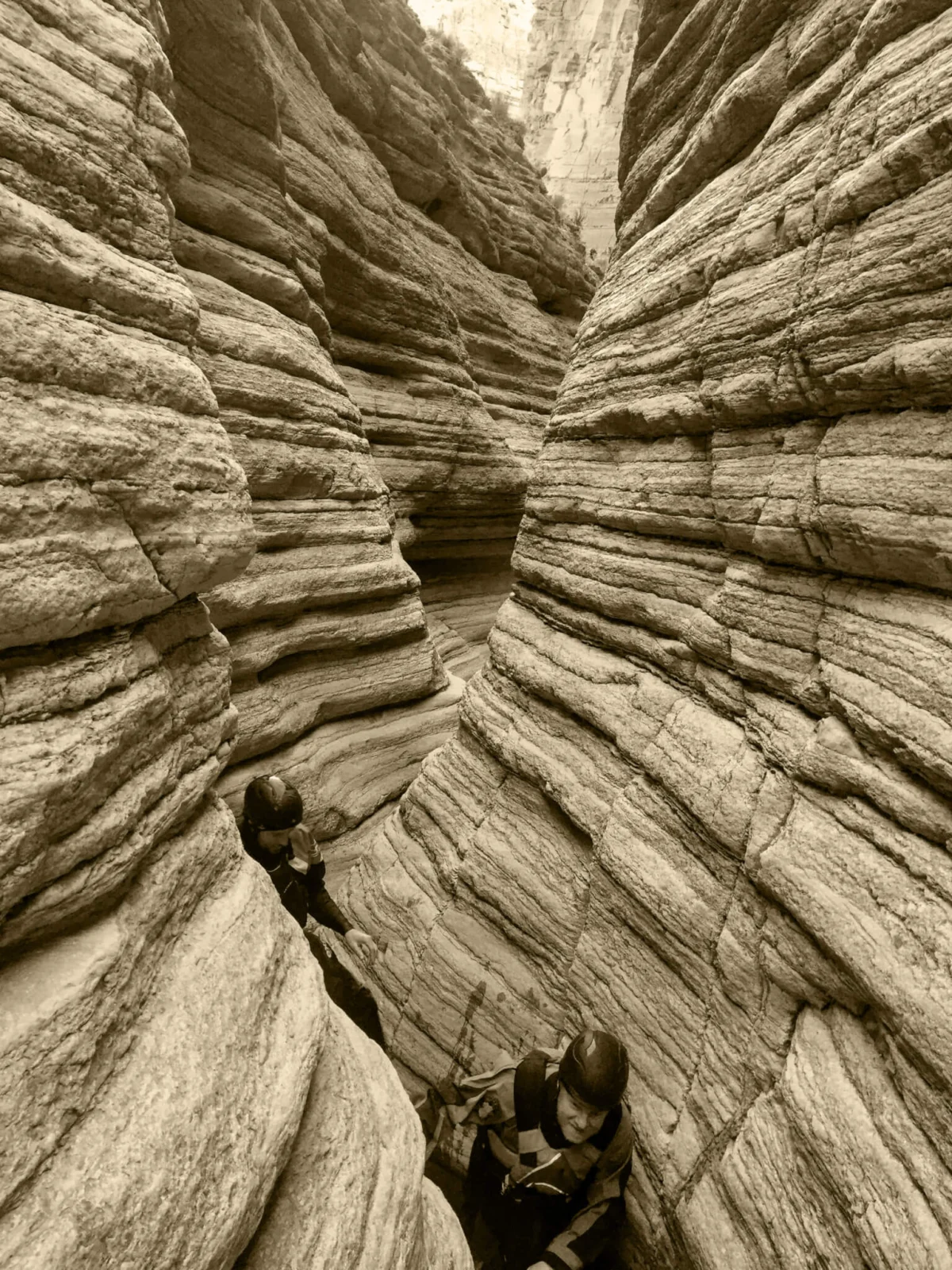
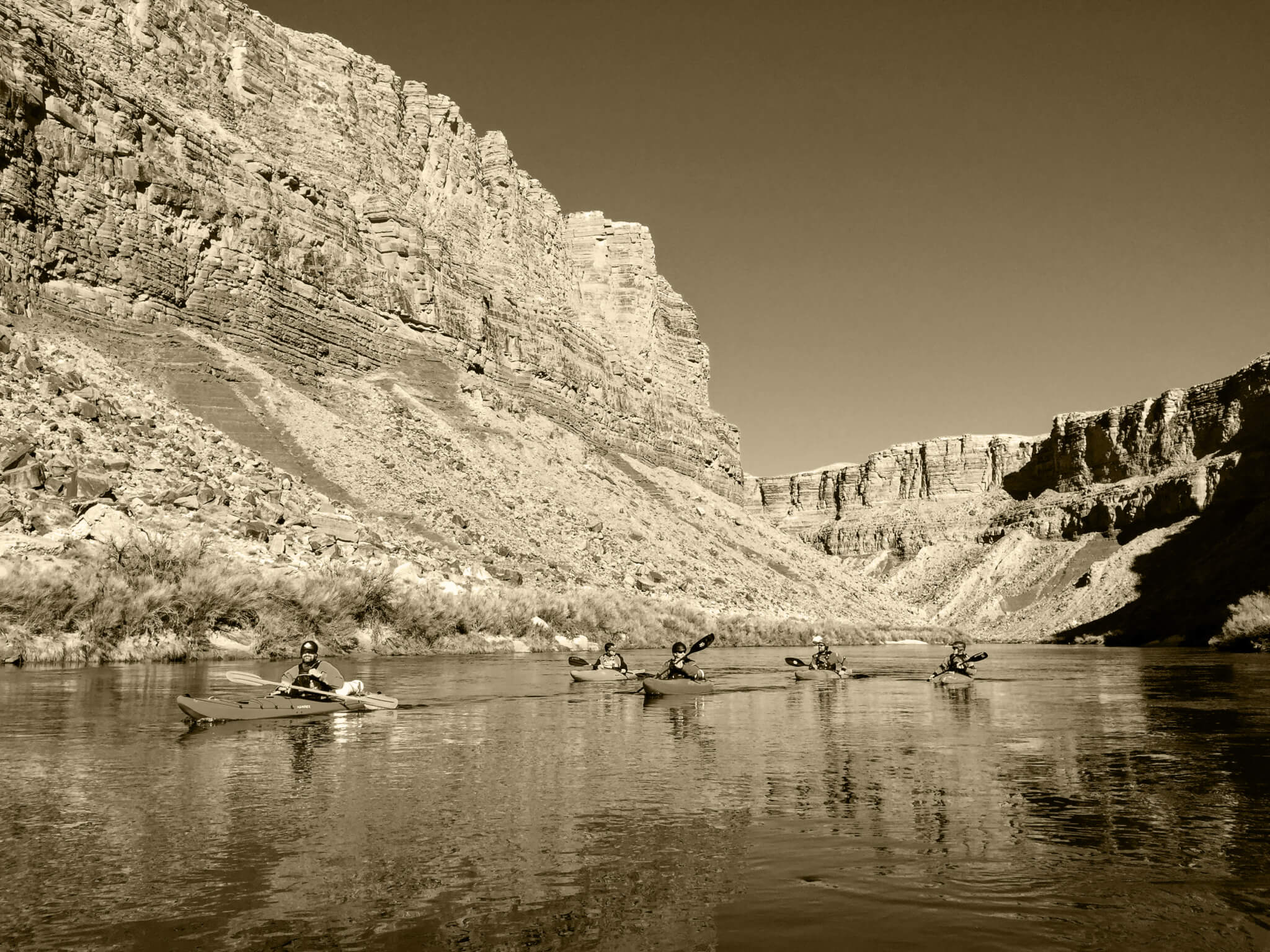
On January 26, a team of four WRI instructors—Paul Heffernan, Matt O’Reilly, Frank Preston, and Cody Harris—departed from Lees Ferry, Arizona, embarking on a grueling 10-day self-supported kayak expedition through the heart of the Grand Canyon. What followed was a journey of endurance, profound geological discovery, and a rare, intimate look at the logistics required to navigate one of the world’s most formidable river systems.
In the aftermath of the trip, a series of handwritten letters and candid photographs were discovered tucked away in the depths of a drybag. Penned by an anonymous member of the ten-person crew—who adopted the moniker "Little Spoon"—these dispatches offer an unparalleled, raw perspective on the physical and psychological toll of a self-support mission. These journals have since been preserved as a vital resource for the paddling community, providing a masterclass in the realities of camping, navigation, and the camaraderie required to survive the Colorado River.
The Logistics of Self-Sufficiency
The logistical challenge of the Grand Canyon is not merely the whitewater; it is the sheer weight of survival. For this expedition, the ten-paddler crew adopted a "fully self-contained" philosophy. Unlike commercial trips that rely on large rafts to haul massive amounts of gear, this team required each participant to carry their own stove, kitchen setup, and camping equipment.
The boats, burdened with approximately 175 to 200 pounds of gear each, were described by the diarist as responding with the enthusiasm of a "hungry burro in sight of a barn." The only shared equipment—the fire pan, a primary first-aid kit, and a technical repair kit—was distributed among the team. This model of self-sufficiency serves as a reminder that in the backcountry, independence is the greatest asset, though it demands a physical toll that few casual paddlers are prepared to pay.

Chronology of the Descent
Days 1–3: The Baptism of Weight
The launch from Lees Ferry was delayed by the intricacies of packing, a common hurdle for any self-supported crew. By the time the group hit the water, the reality of the weight took hold. The first day saw 21 miles of travel, with the crew successfully navigating the notorious House Rock Rapid. Despite one lost GoPro and an early-trip swimmer, spirits remained high as the group settled into the cadence of the river.
By Day 2, the team found their rhythm, covering 27 miles and entering the section known as the "Roaring 20s." The diarist noted a poignant parallel: just as the historical 1920s gave way to economic hardship, the rapids of the 20s soon dissolved into a long, flat, meditative stretch of water. They paused to explore the Red Wall Cavern and Shinumo Wash, moments of respite that highlighted the stark beauty of the canyon. By Day 3, the walls began to rise, signaling their entry into the deeper, more intimidating reaches of the gorge.

Days 4–6: The Inner Gorge
Day 4 marked a transition into the heart of the canyon’s geological timeline. As the river turned east, the team encountered the dark, ominous schist and granite layers. This stretch tested the mettle of the crew, as they navigated Hance, Sockdolager, Horn Creek, and Crystal Rapids.
The anonymous diarist highlighted the role of leadership in high-stakes environments. While many paddlers—the diarist included—skirted the "meat" of the larger rapids to ensure safety, the group leader’s willingness to charge through the most turbulent waves served as a psychological anchor for the rest of the team. During these days, the expedition balanced physical exhaustion with awe, visiting Elves Chasm and the hauntingly beautiful Blacktail Canyon.

Days 7–10: The Final Push and Historical Reflection
As the trip entered its final phase, the physical demands reached a crescendo. Day 7 saw a record-breaking 34 miles, including the daunting Lava Falls. By Day 8, the team encountered their first real bout of weather—a cold, rainy front that forced them to huddle in their tents—serving as a stark reminder of the canyon’s winter temperament.
The final days were characterized by a sense of historical reflection. Reaching Separation Canyon, the site where members of the 1869 John Wesley Powell expedition famously chose to hike out rather than face the unknown rapids ahead, the diarist felt a profound connection to the past. The realization that they were paddling over what was once the most feared rapid in the canyon—now submerged under the waters of Lake Mead—offered a sobering look at how modern engineering has "domesticated" the river, even as the canyon itself remains wild.

Supporting Data: The Cost of the Canyon
The expedition’s journals highlight three critical pillars of self-supported travel:
- Weight Distribution: A 175–200 lb boat requires significant core strength to maneuver. The choice between freeze-dried food (lightweight) versus fresh, vacuum-sealed meals (heavy but morale-boosting) is a constant trade-off.
- Sanitation Logistics: The "groover" (the portable toilet system required by the National Park Service) is the unsung hero of the Grand Canyon. The diarist noted the psychological weight of managing waste, with each team member tracking their own consumption against the limited capacity of their PVC containers.
- Water Management: Accessing clean water via side streams and tributaries, rather than treating the silty main stem of the Colorado, was critical to maintaining the group’s health and comfort over the 280-mile journey.
Professional Perspective: The Role of Mentorship
The success of this expedition was attributed largely to the presence of experienced instructors. In the context of whitewater safety, the "fearless leader" model mentioned by "Little Spoon" is not merely about bravado; it is about providing a standard of performance that encourages others to push past their perceived limitations.

"The mentorship and daily coaching provided by our leader was the difference between completing the journey and choosing to hike out," the diarist noted. For WRI (Whitewater Rescue Institute), this trip served as a testament to the fact that technical skills are only half the equation. The other half is the mental fortitude to trust one’s gear, one’s team, and one’s capacity to handle the unexpected.
Implications for Future Paddlers
The conclusion of the trip at Pearce Ferry provided a moment of profound clarity. The transition from the narrow, vertical walls of the Grand Canyon to the wide, open plains of the Lake Mead reservoir is a lesson in the transient nature of human endeavors.

The diarist’s observations on the drought-stricken West—where the receding waters of Lake Mead are allowing the river to reclaim its natural path through the silt—suggest that nature is a dynamic force that will eventually outlast human infrastructure. For the aspiring self-supported paddler, the key takeaway is clear:
- Respect the river’s scale: The Grand Canyon is not just a destination; it is an environment that requires total compliance with its rules.
- Preparation is paramount: The failures of gear (such as the leaking sleeping pads) can ruin a trip. Redundancy in systems is not luxury; it is necessity.
- Humility is essential: Even the most skilled paddlers find themselves small when faced with the sheer scale of the Colorado River.
As the team exited the canyon, they left behind the struggle of the rapids but carried with them a redefined understanding of the self. The anonymous dispatches of "Little Spoon" remain a testament to the enduring allure of the Colorado River—a place where, as the diarist so eloquently put it, "we and our concrete dreams are merely a temporary distraction."